en.Wedoany.com Reported - Samsung is expected to abandon its own Exynos chips in its upcoming Galaxy A18 smartphone series, opting instead for processors from MediaTek and Qualcomm, a strategic shift driven primarily by cost control considerations.
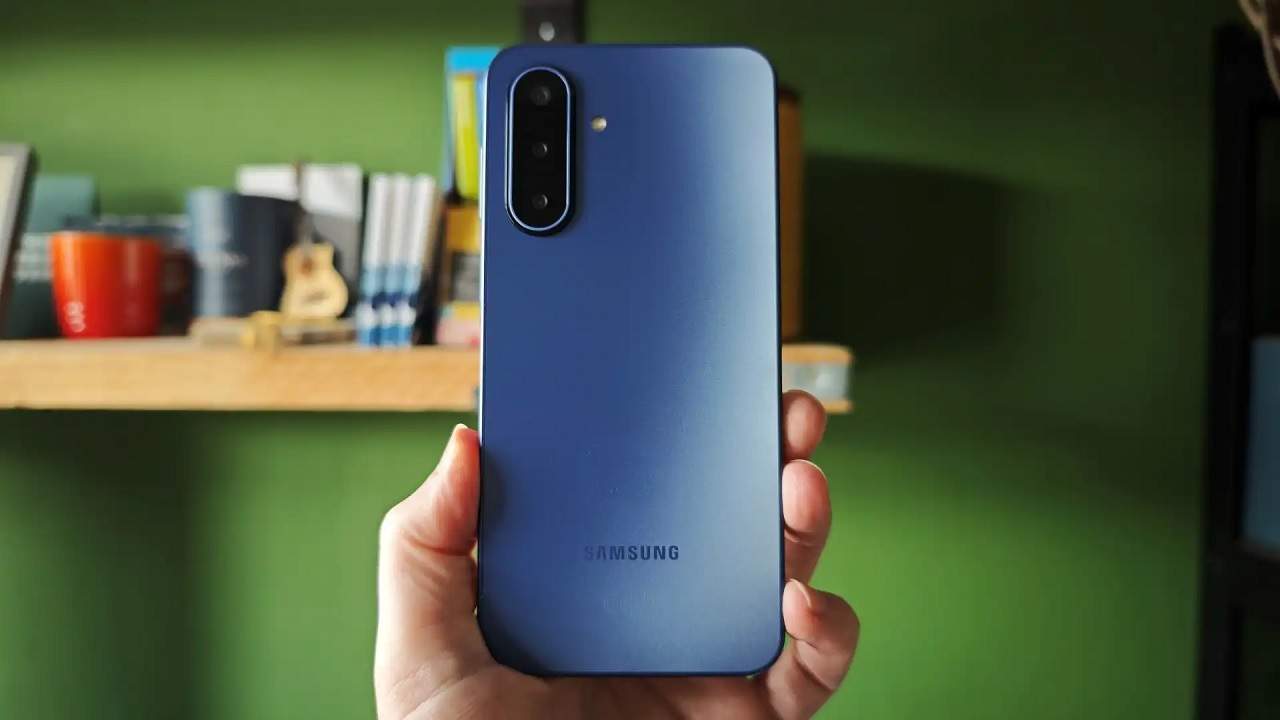
The previous Galaxy A17 series featured different processors depending on the variant: the Galaxy A17 4G used the MediaTek Helio G99 chipset, while the Galaxy A17 5G employed the Samsung Exynos 1330 processor. New reports indicate that the Galaxy A18 lineup will take a different approach—the Galaxy A18 4G will be powered by a MediaTek processor, while the Galaxy A18 5G may use a Qualcomm chipset, with neither version utilizing Exynos chips.
Reports suggest that cost is the core reason behind this decision. Smartphone manufacturers are seeking to reduce production costs while maintaining performance. By adopting processors from MediaTek and Qualcomm, Samsung may better manage manufacturing costs, allowing the Galaxy A18 to maintain competitive pricing in the budget smartphone market.
The two models will not launch simultaneously. The Galaxy A18 4G is expected to hit the market first, with the Galaxy A18 5G arriving a few months later. This staggered launch strategy helps Samsung focus on production and assess market demand before expanding the product line. According to reports, mass production of the Galaxy A18 4G is scheduled to begin in August, with an initial plan to produce approximately 100,000 units in the first month; output will then ramp up significantly, with plans for about 2.4 million units in September and around 2.5 million units in October. These production targets may be adjusted based on customer demand and overall market conditions.
Production of the Galaxy A18 5G will commence once Qualcomm is ready to supply the required processors, meaning the launch timeline for the 5G model is partly dependent on chipset availability. The series is expected to target users seeking affordable yet reliable smartphones. By choosing processors from well-known chipmakers like MediaTek and Qualcomm, Samsung can offer better efficiency, improved connectivity, and competitive performance without raising the overall device price.
Although Samsung has not officially confirmed these details, the reports provide an initial glimpse into the Galaxy A18 lineup. If the information holds true, the Galaxy A18 will mark a significant shift in Samsung's strategy for entry-level smartphones—by relying on external chip suppliers rather than its own Exynos platform, Samsung may aim to deliver greater value for money and strengthen its position in the competitive budget smartphone market.