Century Huatong Holds the Second Digiloong Cup AI Investment Summit and Ecosystem Forum in Macau
en.Wedoany.com Reported - Government officials, investors, industry experts, and tech founders gathered in Macau for the Second Digiloong Cup Global AI Innovation Summit and AI Ecosystem Forum, co-hosted by Century Huatong and the Commerce and Investment Promotion Institute (IPIM) of the Macau Special Administrative Region. The event aimed to connect cutting-edge AI technologies with industrial capital and Macau's innovation ecosystem, helping mainland Chinese AI startups leverage Macau's role as a commercial and trade cooperation platform between China and Portuguese-speaking countries to enter the global market.
Officials and executives attending the summit included: Alex Che Weng Keong, Chairman of the Board of IPIM; Chao Ka Chon, Member of the Macau Legislative Assembly and President of the Macao-Hengqin Cultural and Technology Industry Association; Wang Ji, Chairman of Century Huatong; Deng Qi, Managing Director of Shengqu Capital; and U Si Man, Acting Senior Manager of the Investment Promotion and Economic and Trade Expansion Department of IPIM. They discussed pathways to advance Macau's AI industry and strengthen its innovation ecosystem.
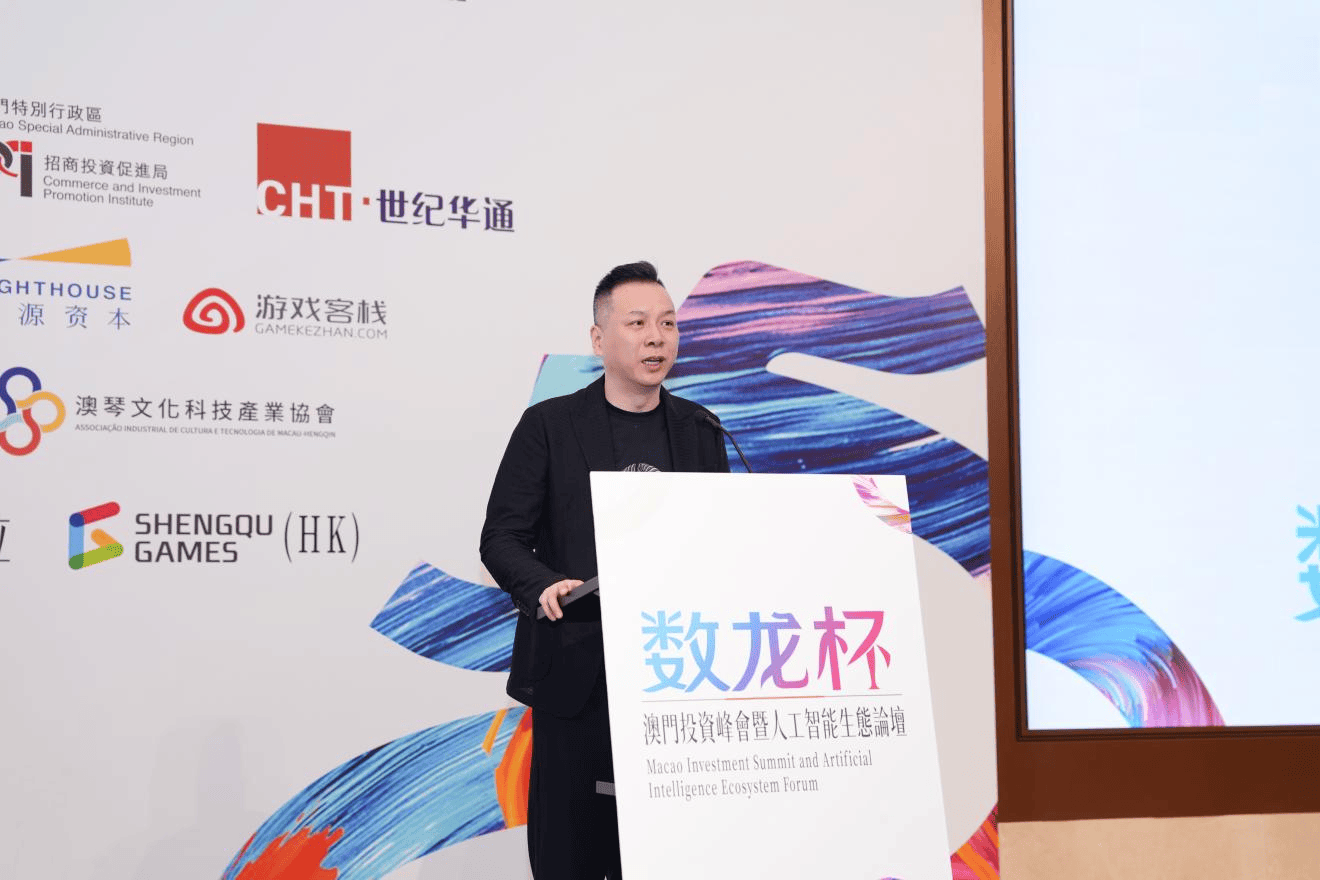
Che delivered the opening address for the summit. He stated that the global gaming industry is accelerating its AI transformation, and Macau, leveraging its location in the Greater Bay Area, international platform, and convention advantages, can provide mainland Chinese gaming and AI industries with real-world scenario testing, resource matching, and overseas expansion support. Che noted that Macau is continuously optimizing its technological innovation business environment, advancing the construction of science parks, establishing a 20 billion Macau pataca (approximately USD 2.5 billion) guidance fund, and improving its entrepreneurial ecosystem. He said IPIM will deepen services for the government and enterprises, assisting companies in establishing operations in Macau and expanding innovative collaborations.
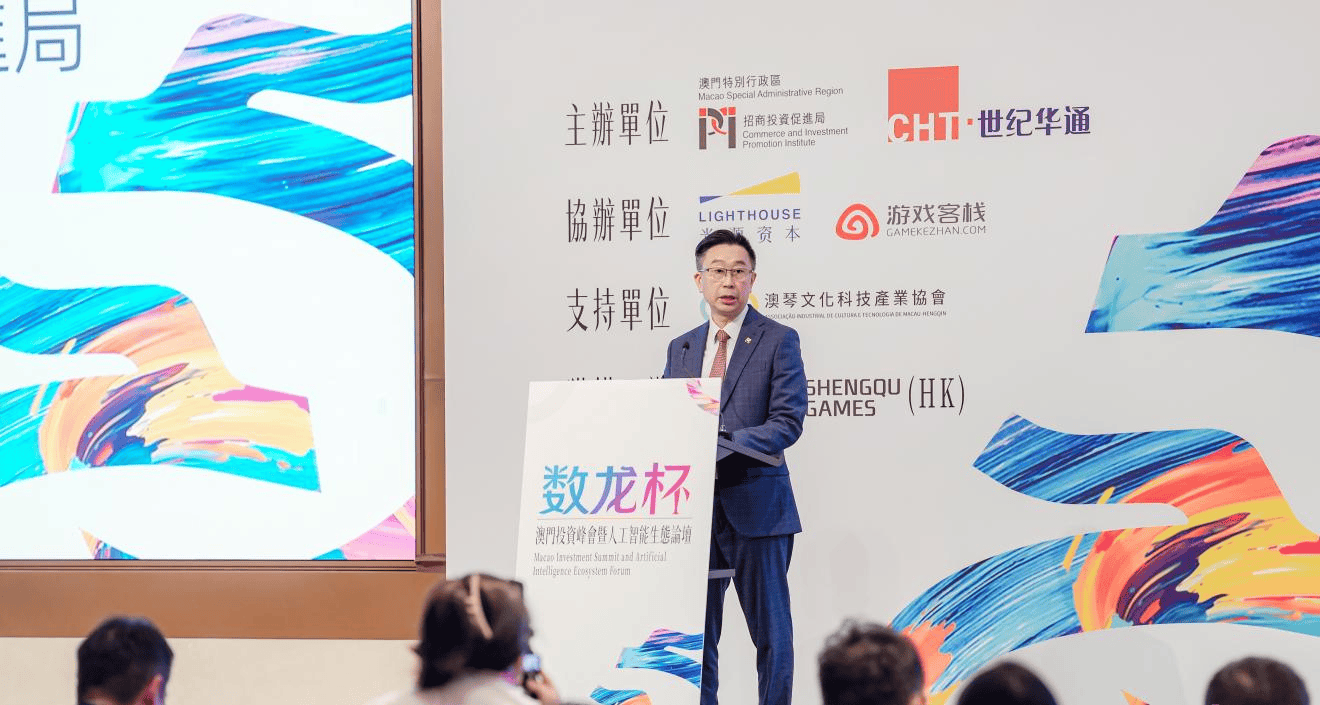
Wang Ji delivered a welcome speech on behalf of the organizers and, drawing on operational experience, proposed three core industry judgments. First, the productivity gains from AI tools have been fully validated, but efficiency improvements are merely an entry ticket and cannot constitute a lasting competitive barrier. Second, the reshaping of technical capabilities will become a turning point for the industry: AI agents can automate approximately 80% of standardized work, and a company's core competitiveness will no longer depend on basic execution but on creative judgment and aesthetic perception. Third, competition has entered a stage determined by ecosystems; a company's long-term potential depends on the completeness of its industry ecosystem and the depth of its real-world data accumulation, rather than simply the number of parameters in its large model. Discussing the introduction of the Digiloong Cup to Macau, Wang Ji stated that Macau is a key hub connecting mainland China with global innovation resources and holds immense potential for industrial transformation. He also announced that Century Huatong will sign a strategic cooperation memorandum with IPIM, and the two parties will work closely to build a full AI value chain, promote the overseas expansion of digital entertainment content, and make Macau a crucial pillar of Century Huatong's global industrial strategy.
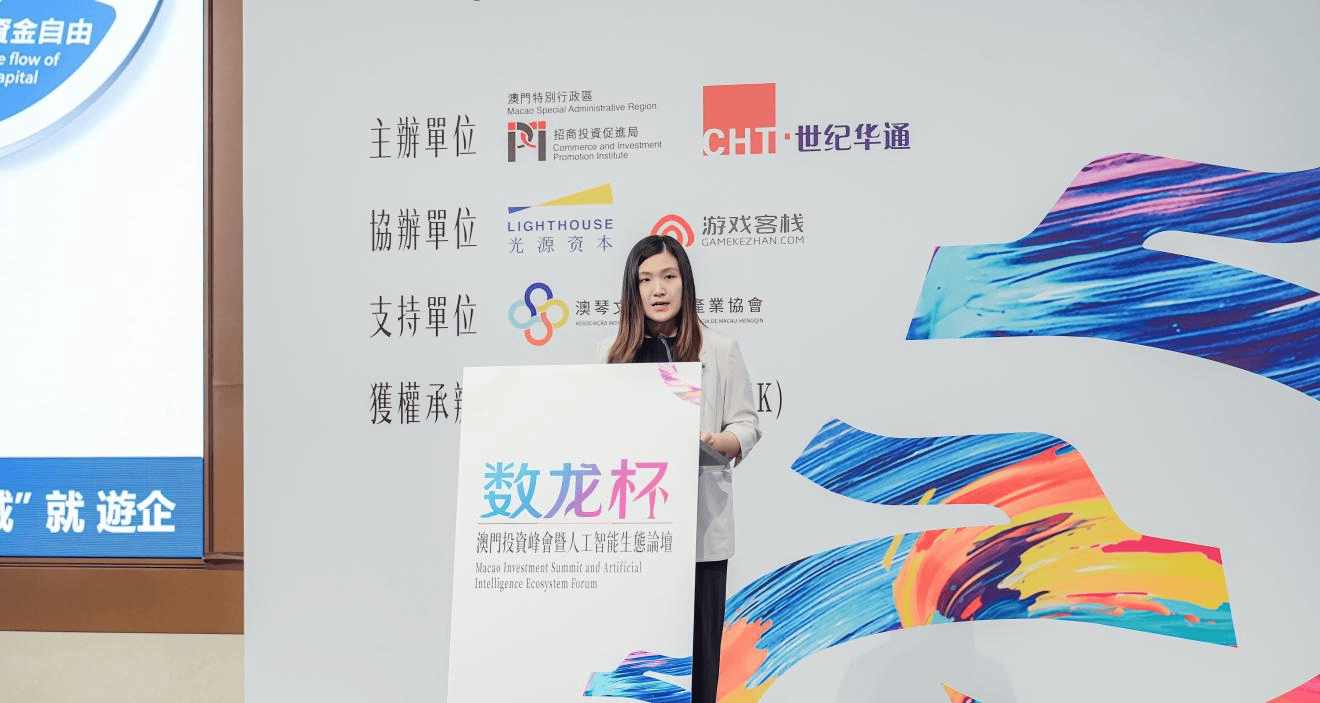
During the policy briefing session, U elaborated on how Macau's platform advantages support the overseas expansion of the gaming industry. She stated that Macau's positioning as "one center, one platform, one base" provides systematic support for game globalization: as a center, leveraging tourism resources that receive over 40 million visitors annually to conduct cross-industry "game + tourism" marketing and e-sports event collaborations; as a platform, acting as a "precise liaison" between China and Portuguese-speaking countries, helping enterprises enter European, Latin American, and African markets through these nations and addressing challenges in repatriating overseas earnings; as a base, collaborating with universities to cultivate talent and utilizing the technology R&D park to build a closed loop of "innovation incubation to overseas expansion." Combined with a low-tax environment and one-stop settlement services, this provides comprehensive support for mainland Chinese games going global.
Deng Qi, Managing Director of Shengqu Capital, a subsidiary of Century Huatong, introduced the company's layout in the AI field and provided an update on the progress of the Second Digiloong Cup competition. Deng Qi stated that this competition attracted over 200 registrations and nearly 100 high-quality project submissions, currently in the evaluation phase. An expert judging panel will conduct the final review in Shanghai in the latter half of next month to select winning teams across various tracks.
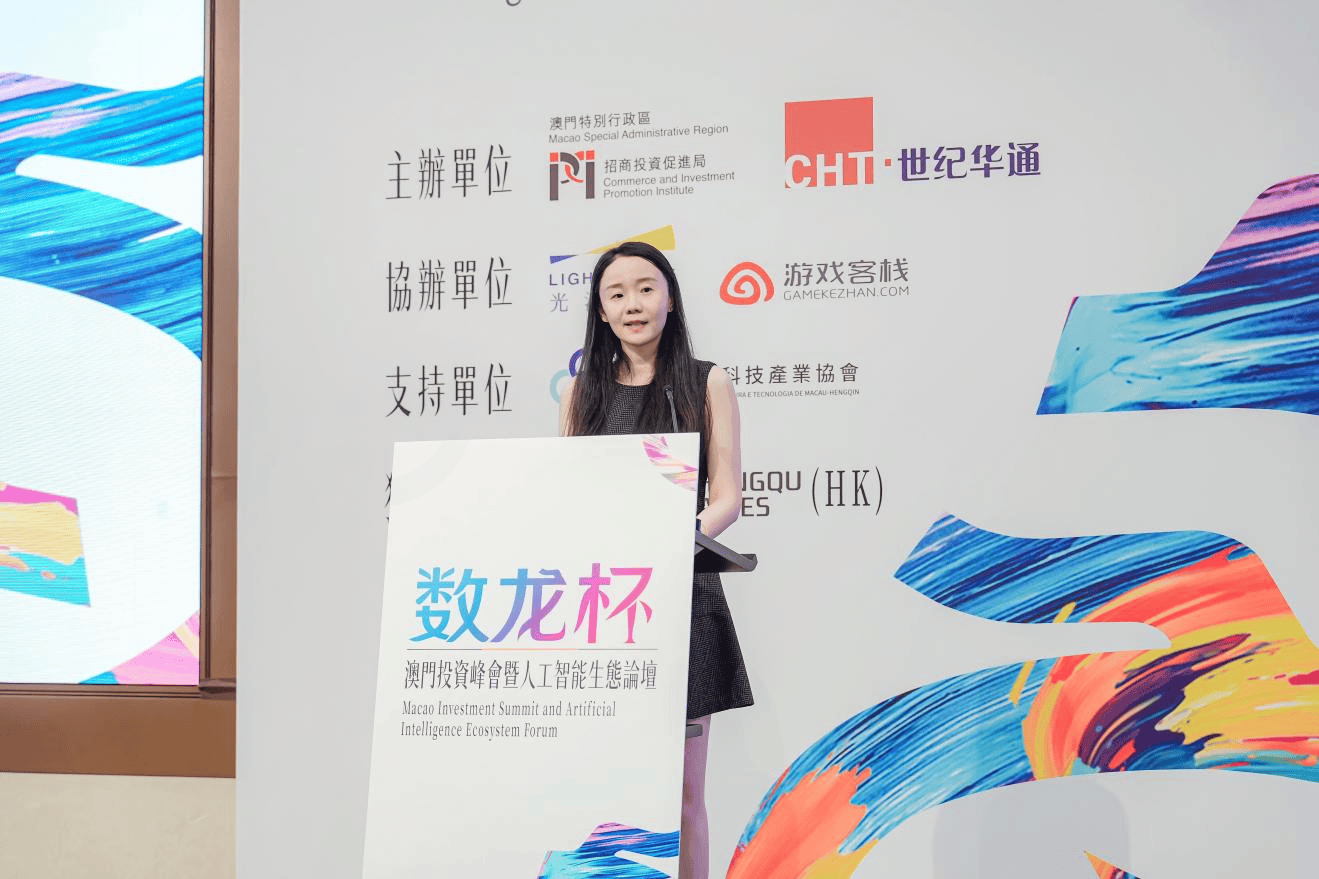
In his speech, Chao Ka Chon, Member of the Macau Legislative Assembly and President of the Macao-Hengqin Cultural and Technology Industry Association, stated that AI is a core driving force of the global digital economy and a key emerging industry for Macau to implement its "1+4" moderate economic diversification strategy and promote industrial diversification and upgrading. He pointed out that Macau is a hub for AI innovation to go global, and the association, with the mission of "connecting Macau and Hengqin, reaching the world," serves as a bridge between the government and enterprises, industry and capital, and enterprises with universities and research institutes. As a supporting unit for the Digiloong Cup Global AI Innovation Competition, the association will provide cross-border enterprises with full-process, one-stop services, leveraging the Digiloong Cup to build an industry-investment matching platform. The summit also featured a ceremony for new members of the Macao-Hengqin Cultural and Technology Industry Association, with Century Huatong and over a dozen leading mainland cultural and technology companies receiving membership.
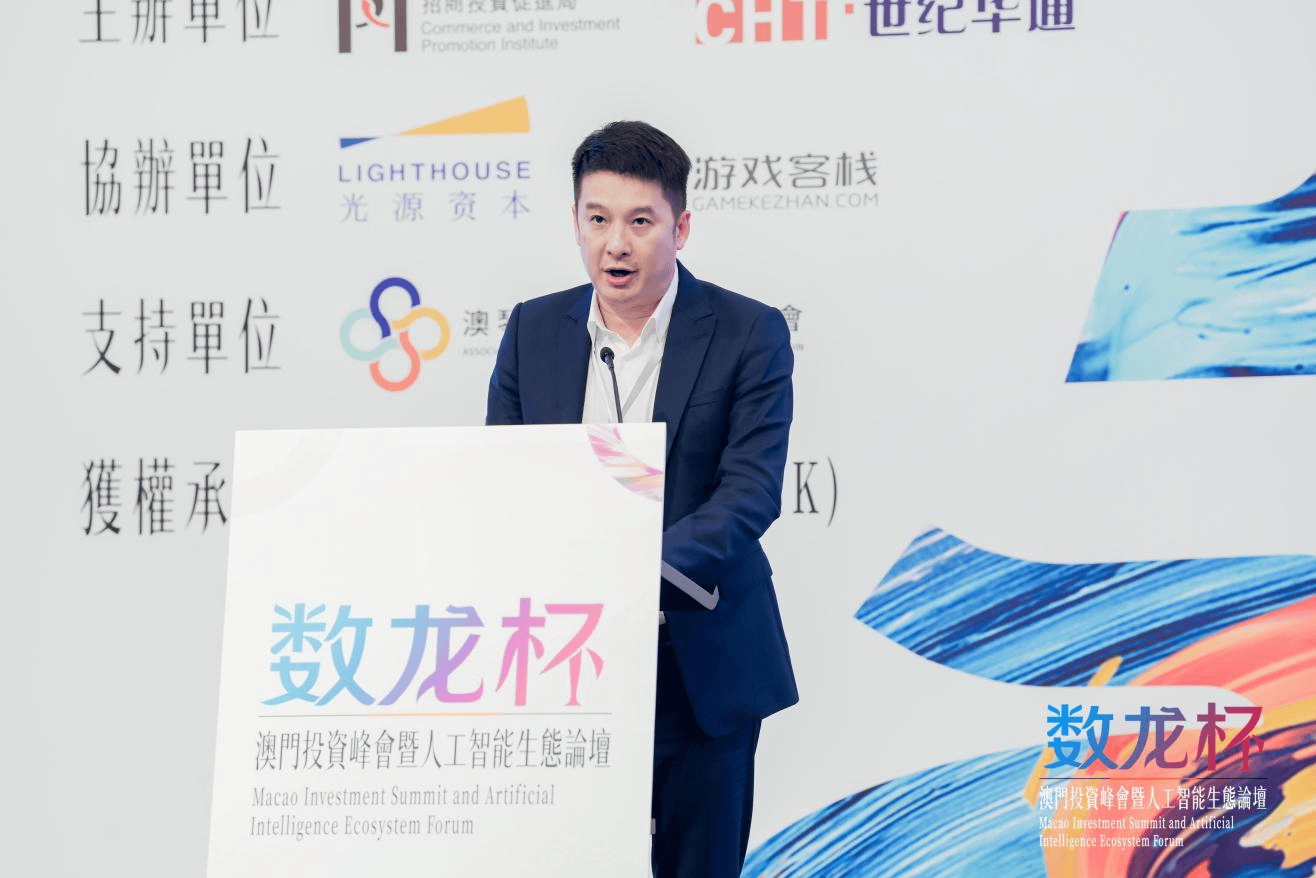
The summit featured high-level keynote speeches. Dr. Liu Wei, founder of AI foundation model company Video Rebirth and IEEE Fellow, delivered a speech titled "Building a Video-Native World Model," detailing its technical principles and industrial value. He pointed out that AI is undergoing a critical transition from "perceptual intelligence" to "cognitive intelligence," and video is the best path to a world model, opening up a physical AI market far larger than that of language models. He stated that China leads globally in this technology, and his team's self-developed BACH model has already been applied in high-demand scenarios such as autonomous driving and robotics. Ji Xing, Partner at Lighthouse Capital and Managing Partner of the Lighthouse Founders' Fund (L2F), delivered a speech titled "New Investment Paradigms in the AI Era." He stated that AI is entering a 30-year window of industrial transformation, and despite short-term valuation bubbles, as a foundational productivity technology, its long-term growth potential is immense. The core of investment lies in whether the team matches the track and whether the product fits the market.
The summit also hosted two roundtable discussions, moderated by Deng Qi of Shengqu Capital. The first roundtable, "Intelligent R&D, Intelligent Design, Intelligent Play," focused on AI application deployment and commercialization. Xue Rui (Co-founder and CFO of Math Magic), Mao Shuhan (Co-founder and CEO of Knevo), and He Leilei (Partner at Muyan Zhiyu and Producer of Xingmian) participated, with discussions indicating that AI has deeply penetrated the core value chains of many industries. The second roundtable, "Embodied Everything," focused on the field of embodied intelligence, where three leading founders debated technical bottlenecks, product deployment challenges, diverging technical pathways, and commercialization paths. The guests unanimously agreed that the track has vast potential but is constrained by data collection, technical standards, and commercialization paths, requiring long-term investment.
The summit concluded with a special roadshow for outstanding Digiloong Cup projects, where six emerging startups showcased their cutting-edge AI achievements. Jice Information launched a new lightweight AI platform for automating game testing. Sengine Technology focuses on spatial AI generation systems, using self-developed modality encoding technology to end-to-end generate high-fidelity digital living spaces; its AI space 3D creation game SenBox has attracted over 1.5 million fans across all platforms. Astrals focuses on original interstellar-themed IP and digital human-built AI companions, providing immersive interstellar social experiences for Gen Z users. Fisher has developed a one-stop intelligent drug discovery platform, establishing a fully closed-loop drug discovery system covering core stages of drug development. CREABRA is building an AI-native operating system for the global fashion industry, centered on a sewing embodied intelligence brain, digitizing the entire process from creative design to mass production. Puwei Intelligence launched the sales assistant IVY-AI, using intelligent hardware as a data gateway to help enterprises digitize and intellectualize their sales operations. From technical R&D in Hangzhou, to investment and financing matching in Shanghai, to global launch in Macau, the Second Digiloong Cup is building a complete AI innovation closed loop encompassing technological innovation, project incubation, capital support, industrial implementation, and cross-border expansion.
Related Products


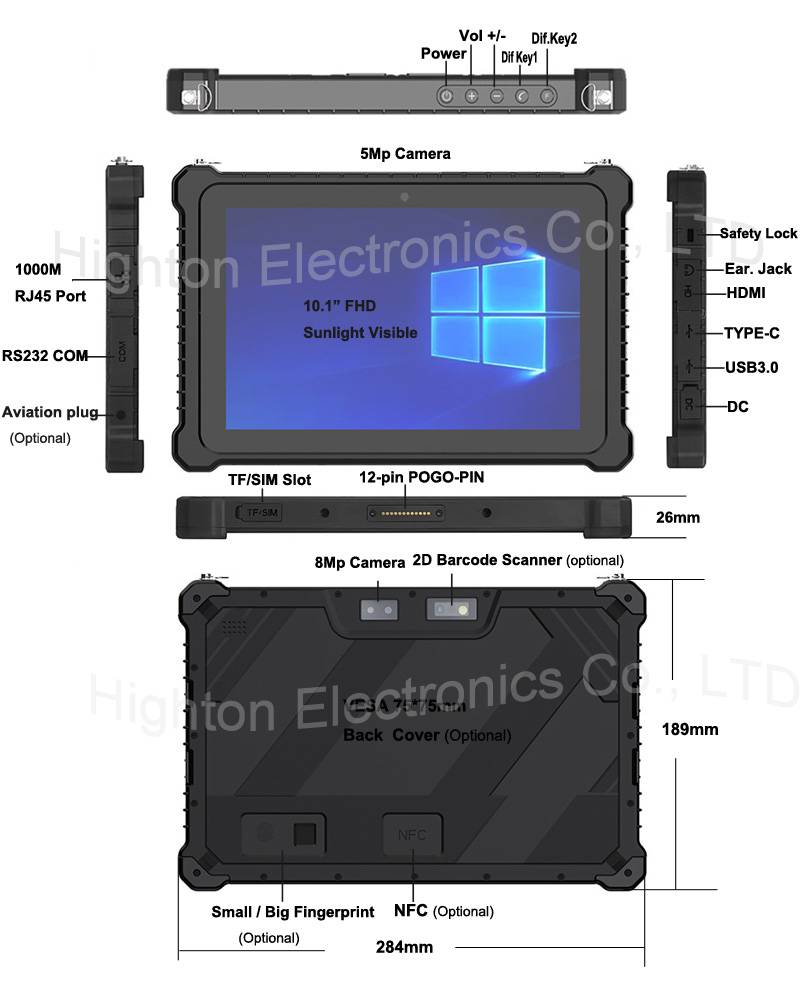
Hot Selling 10 Inch Intel N5100 I5 I7 FHD 8 +128GB 16+256GB Win10 Pro Win11 Pro 4G 5G Rugged Tablet PC Pad with NFC Barcode
Highton Electronics Co., Ltd.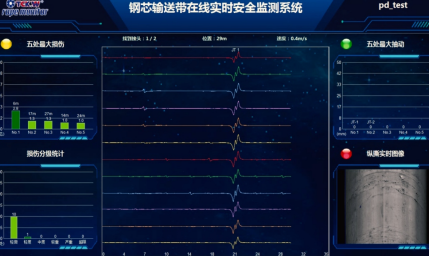
Conveyor Belt Intelligent Monitoring System
LUO YANG WIRE ROPE INSPECTION TECHNOLOGY CO., LTD.
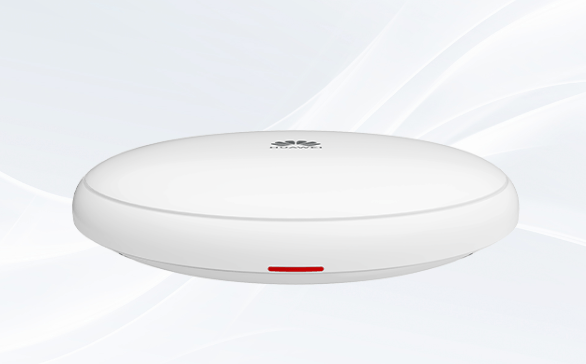

Mine Explosion-proof and Intrinsically Safe Industrial Ethernet Ring Network (10 Gigabit/Gigabit)
Chongqing Mas Sci&Tech Co., Ltd.
MUX Series Communication Interface Device for Security and Stability Control System
Nanjing NR Electric Co., Ltd.
Automatic Aiming Laser Remote Obstacle Removal Robot
Pinggao Group Weihai High-Voltage Apparatus Co., Ltd.