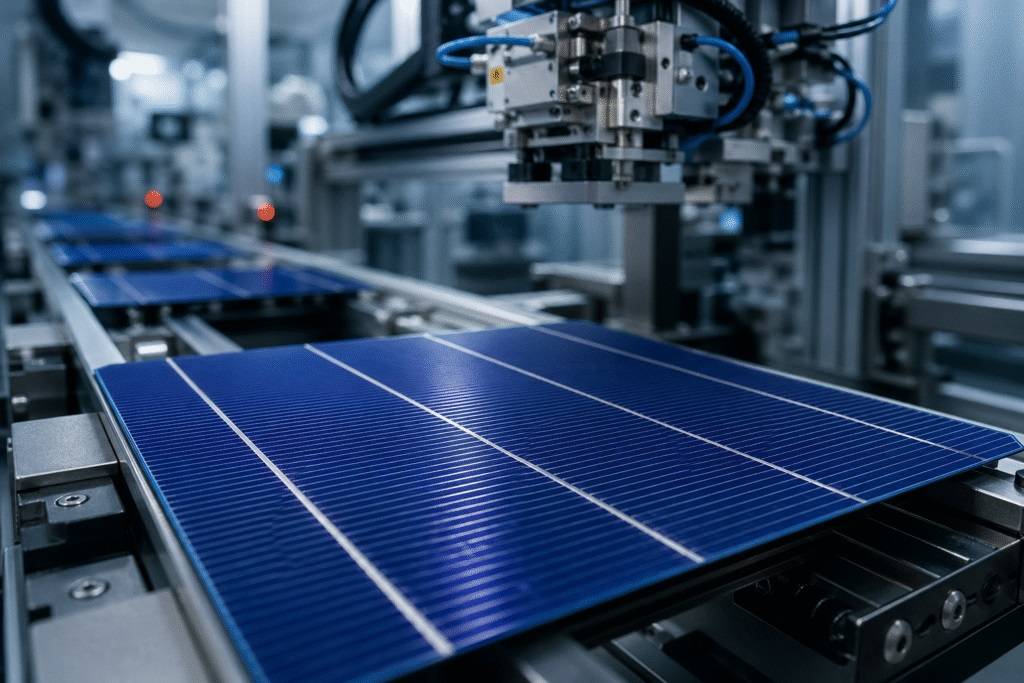
French CEA Develops Oxalic Acid Process to Recover 97% Indium from Heterojunction Solar Cells
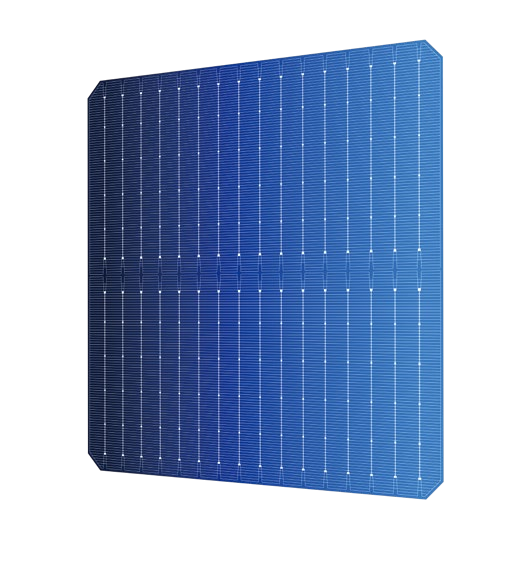
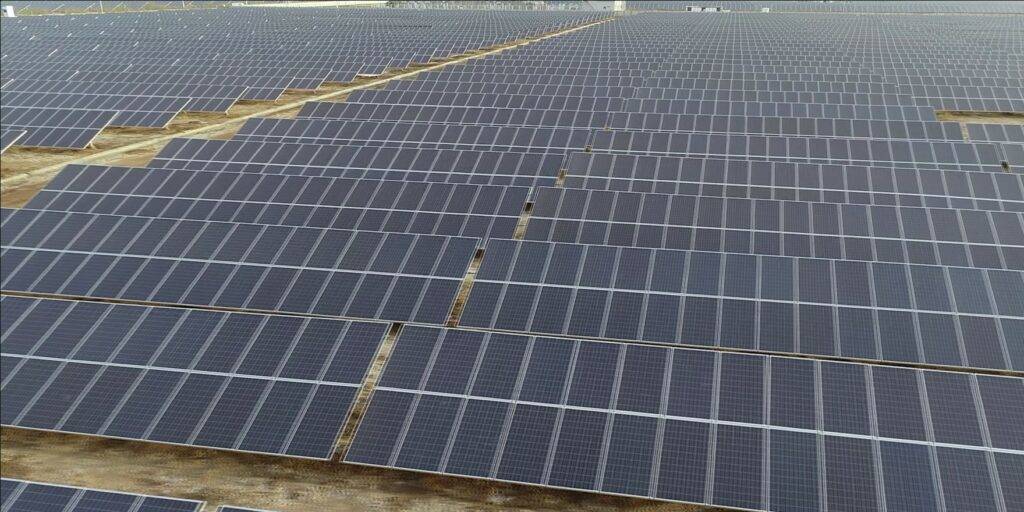
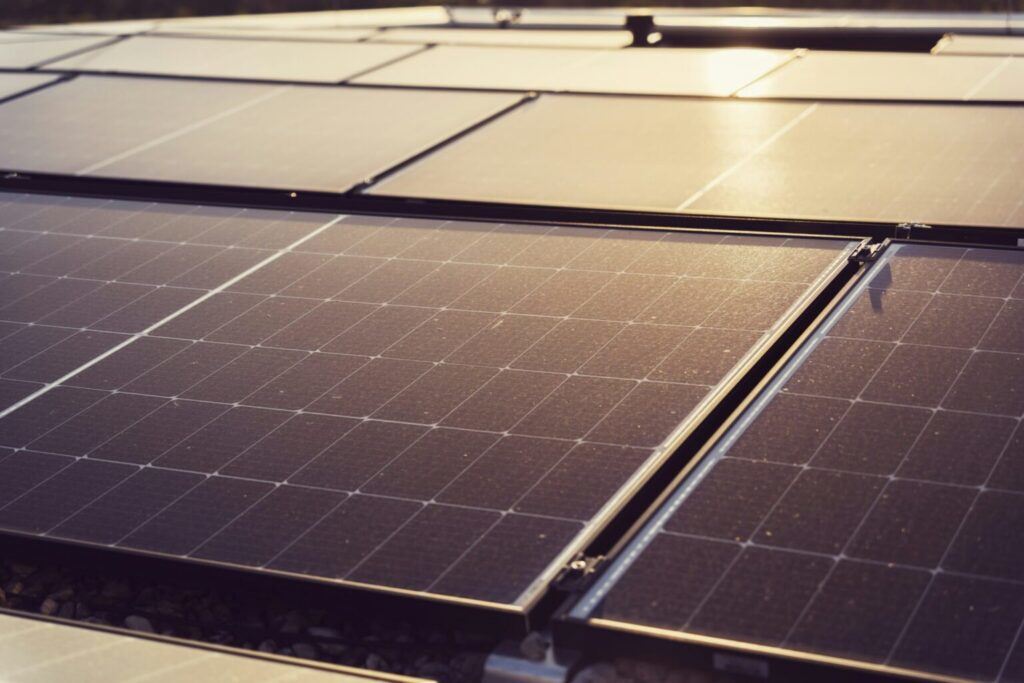
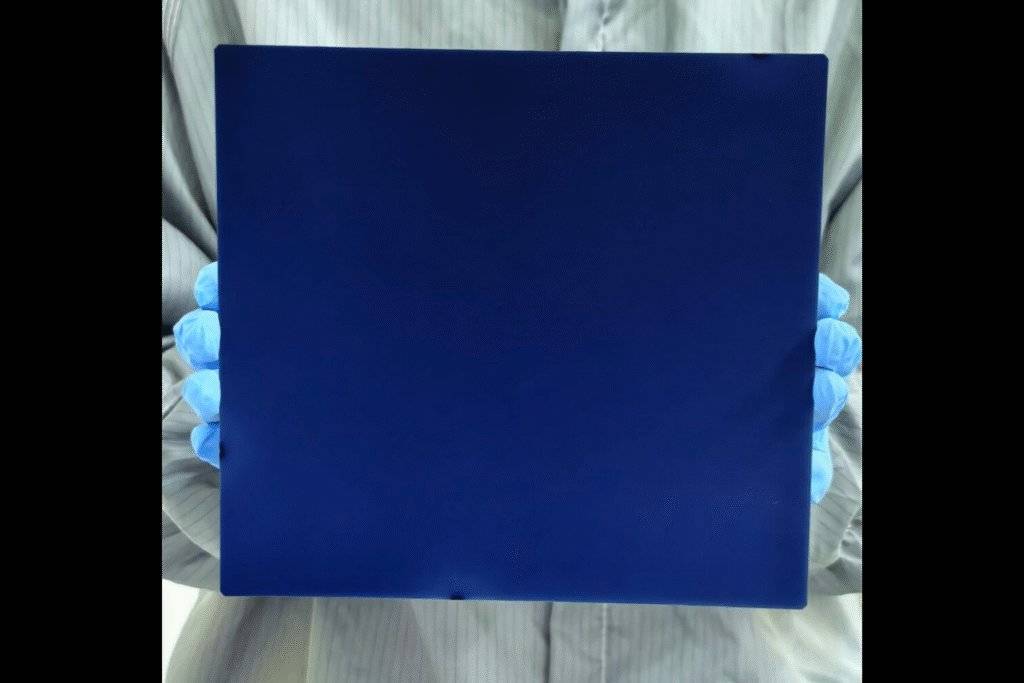
en.Wedoany.com Reported - The French Alternative Energies and Atomic Energy Commission (CEA), through its subsidiary institute Liten (Laboratory for Innovation in New Energy Technologies and Nanomaterials), has developed a new technology to recover indium from discarded heterojunction (HJT) solar cell panels.
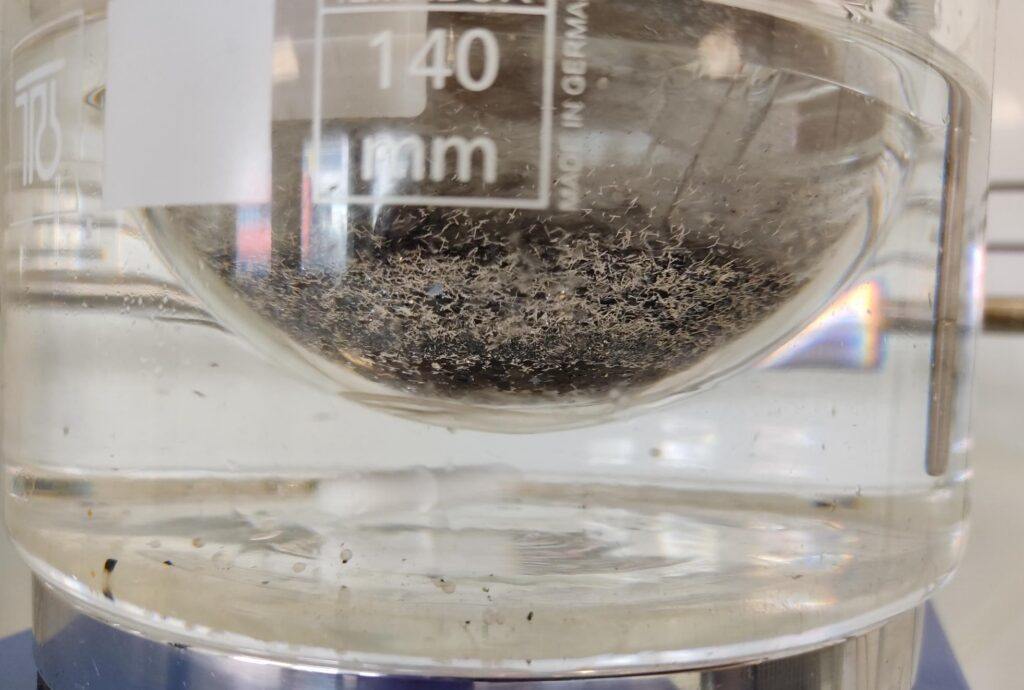
Indium is a key material for the transparent conductive oxide layer in heterojunction solar cells, and its recovery is crucial for sustainable manufacturing and future waste management. Corresponding author Romain Duwald explained that the study recovers indium directly from solar cells through acid leaching under mild conditions. The method uses diluted oxalic acid to leach the indium tin oxide (ITO) layer, which is less hazardous than traditional inorganic acids, and can recover indium at 4N purity in a single step. The process also separates silver from the silicon wafer, paving the way for the recovery of this valuable metal.
Traditional hydrometallurgical recovery methods typically rely on hydrochloric, sulfuric, or nitric acid for acid leaching, often supplemented with oxidizing agents such as hydrogen peroxide, but the efficient separation of indium and tin remains a major challenge. The researchers proposed a one-pot, two-step method based on mild oxalic acid, which can leach indium tin oxide, release silver grid lines, and ultimately recover indium in oxide form for reuse.
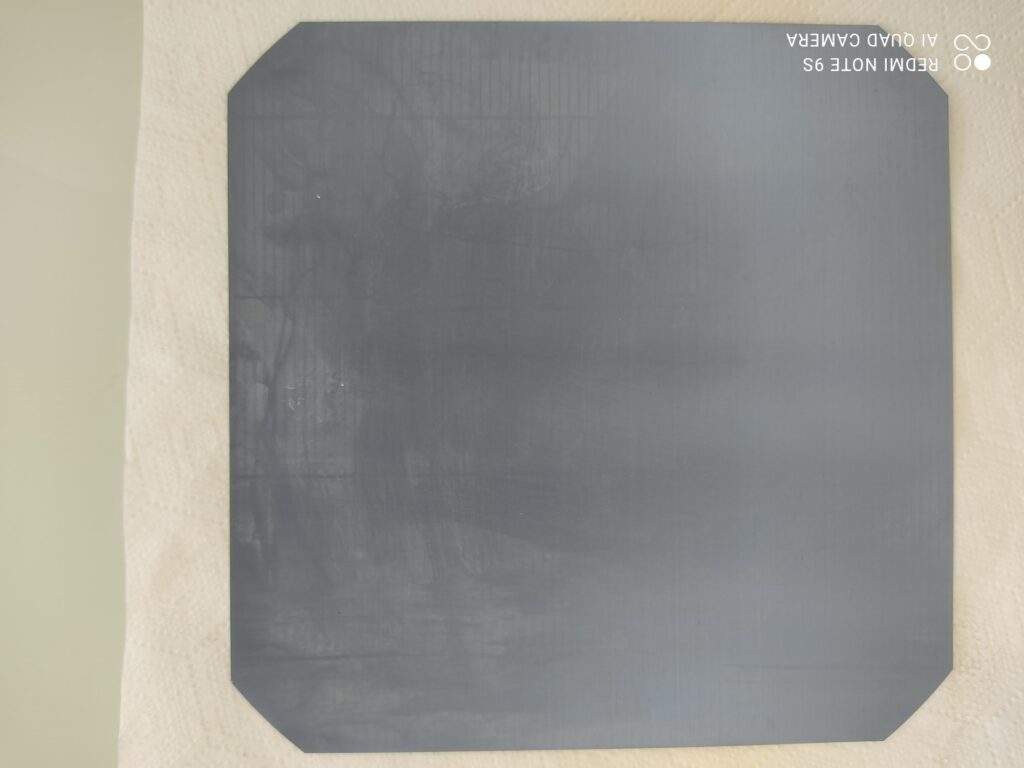
In the experiments, the team used high-purity indium tin oxide powder, oxalic acid, sulfuric acid, and hydrogen peroxide, along with heterojunction solar cells provided by CEA INES. These cells consist of silicon wafers coated with indium tin oxide and silver layers on both sides. The indium tin oxide powder was dispersed in acidic solutions and heated at 40°C to 70°C for up to 48 hours, after which the leachate was collected by cooling and filtration. The solar cells were crushed and treated with oxalic acid under controlled solid-to-liquid ratios to facilitate indium tin oxide leaching. Metal leaching rates were calculated based on the concentrations of indium and tin measured in the solution relative to the initial material composition.
Chemical analysis using inductively coupled plasma optical emission spectrometry was performed to quantify dissolved metals. The solid phase was characterized by powder X-ray diffraction (using copper Kα radiation) to identify crystal structures and reaction products. The resulting patterns were analyzed using reference databases and analytical software. Scanning electron microscopy was used to observe microstructural changes, and energy-dispersive X-ray spectroscopy provided elemental mapping and compositional analysis. These techniques collectively enabled the evaluation of dissolution efficiency, phase evolution, and metal recovery.
The results showed that at room temperature, sulfuric acid led to slow indium dissolution, while hydrogen peroxide significantly improved leaching by enhancing redox reactions that promote oxide decomposition. Oxalic acid also achieved moderate indium leaching, with performance comparable to sulfuric acid under mild reducing conditions. Raising the temperature to 70°C greatly accelerated all systems, achieving nearly complete indium recovery in sulfuric acid-based media, while oxalic acid exhibited high but unstable yields due to precipitation effects. In oxalic acid, indium rapidly formed insoluble indium oxalate, confirmed by X-ray diffraction and thermal analysis, explaining the decline in dissolved indium over time.
Kinetic studies further indicated that higher temperatures significantly improved leaching efficiency, with oxalic acid performing better in the early stages, while sulfuric acid provided more stable final extraction rates. Activation energy calculations suggested the process is chemically controlled rather than diffusion-limited, with the dissolution of both indium and tin governed by interfacial reactions. Oxalic acid also acts simultaneously as a reducing agent and complexing agent, influencing the dissolution behavior of indium and tin depending on conditions. Proof-of-concept experiments on silicon heterojunction solar cells confirmed the effective removal of the indium tin oxide layer, selective release of silver grid lines, and successful precipitation and calcination of high-purity indium oxide.
The researchers stated that after optimizing indium leaching parameters, the optimal conditions were determined to be a 0.2 M oxalic acid solution at 70°C for 4 hours, achieving a 97% indium yield in solution. The dissolution of the indium tin oxide layer caused the silver grid lines to detach from the silicon wafer. Under these mild conditions, indium and tin were selectively leached, and subsequently, indium cations were complexed by oxalate anions, leading to the precipitation of indium oxalate, allowing indium and tin to be separated in a single filtration step.
The team aims to extend this recovery method to other indium oxide (In₂O₃)-based materials. The recovery technology was published in the journal Solar Energy Materials and Solar Cells, under the title "Efficient indium recovery from heterojunction solar cells with direct extraction of silver grid lines."
Related Products

YE3 Series Low Voltage High Power Three-Phase Asynchronous Motor
Shandong Lijiu Electrical Machinery Co., Ltd.
Forest and Grassland Heat Source Infrared Monitor
China Huayun Meteorological Technology Group Co., Ltd.
Quick-Change Single-Seat Control Valve / Quick-Change High-Pressure Single-Seat Control Valve
Beijing Consen Automation Technology Co., Ltd.
Manufacturer Direct Sales Tesla New Energy Electric Vehicle Universal DC 180kW Dual-gun Charging Pile Commercial Fast Charger
Anhui Haidira Electric Technology Co., Ltd.