UK's Lighthouse Green Fuels Completes Front-End Engineering Design for SAF Project
en.Wedoany.com Reported - UK sustainable fuel developer Lighthouse Green Fuels (LGF) has completed the front-end engineering design (FEED) for its sustainable aviation fuel (SAF) facility in Teesside, which was executed by engineering contractor Worley.
Front-end engineering design is a critical step for large industrial projects to transition from the concept phase into detailed engineering implementation. Completing this stage means the project has a solid engineering foundation. The LGF project is expected to become one of the world's largest second-generation SAF facilities, and its FEED has confirmed the feasibility of technology integration, engineering configuration, and delivery strategy.
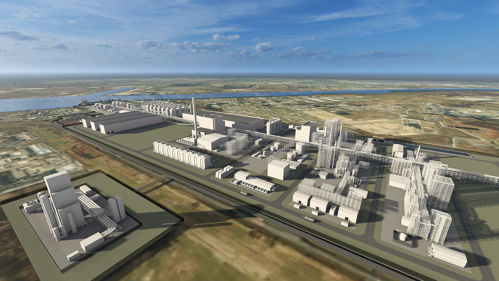
During the FEED phase, engineers develop the selected concept into a mature engineering design that can be built and operated, analyzing, integrating, and costing each major component of the facility. For the LGF project, this includes feedstock handling, gasification, Fischer-Tropsch synthesis fuel production, utilities, storage infrastructure, and integrated design with carbon capture and storage infrastructure, ultimately forming the facility's engineering blueprint.
The completion of FEED enables the project team to verify technology synergies and develop procurement and construction plans, paving the way for a final investment decision (FID). From a broader strategic perspective, the UK currently produces only a small fraction of the jet fuel it consumes, relying heavily on imports. Recent disruptions in global energy and shipping markets have exposed vulnerabilities in critical fuel supply chains. As aviation will continue to rely on liquid fuels for decades to come, with electric and hydrogen technologies unlikely to play a significant role in long-haul aviation in the near term, domestic SAF production has become a key pathway to enhancing fuel resilience.
Located at Seal Sands in Teesside, the LGF project is expected to produce 180 million liters of sustainable aviation fuel and 30 million liters of renewable naphtha annually from sustainably sourced biomass feedstocks, including forestry and agricultural residues. The facility uses a commercially proven gasification Fischer-Tropsch synthesis route and is designed to integrate with Teesside's carbon capture and storage infrastructure, enabling carbon-negative SAF production with lifecycle greenhouse gas emission reductions potentially exceeding 200% compared to conventional jet fuel.
The UK has set aviation decarbonization targets through the SAF mandate, and the completion of FEED confirms that LGF is advancing toward achieving these goals. The project is expected to become the UK's first new-build refinery since the 1960s and one of the world's most advanced second-generation SAF facilities. After securing the Seal Sands site, advancing carbon capture integration, feedstock agreements, and SAF offtake arrangements, the LGF project has now entered a fully engineered phase, laying the foundation for the next stage of development.
Related Products
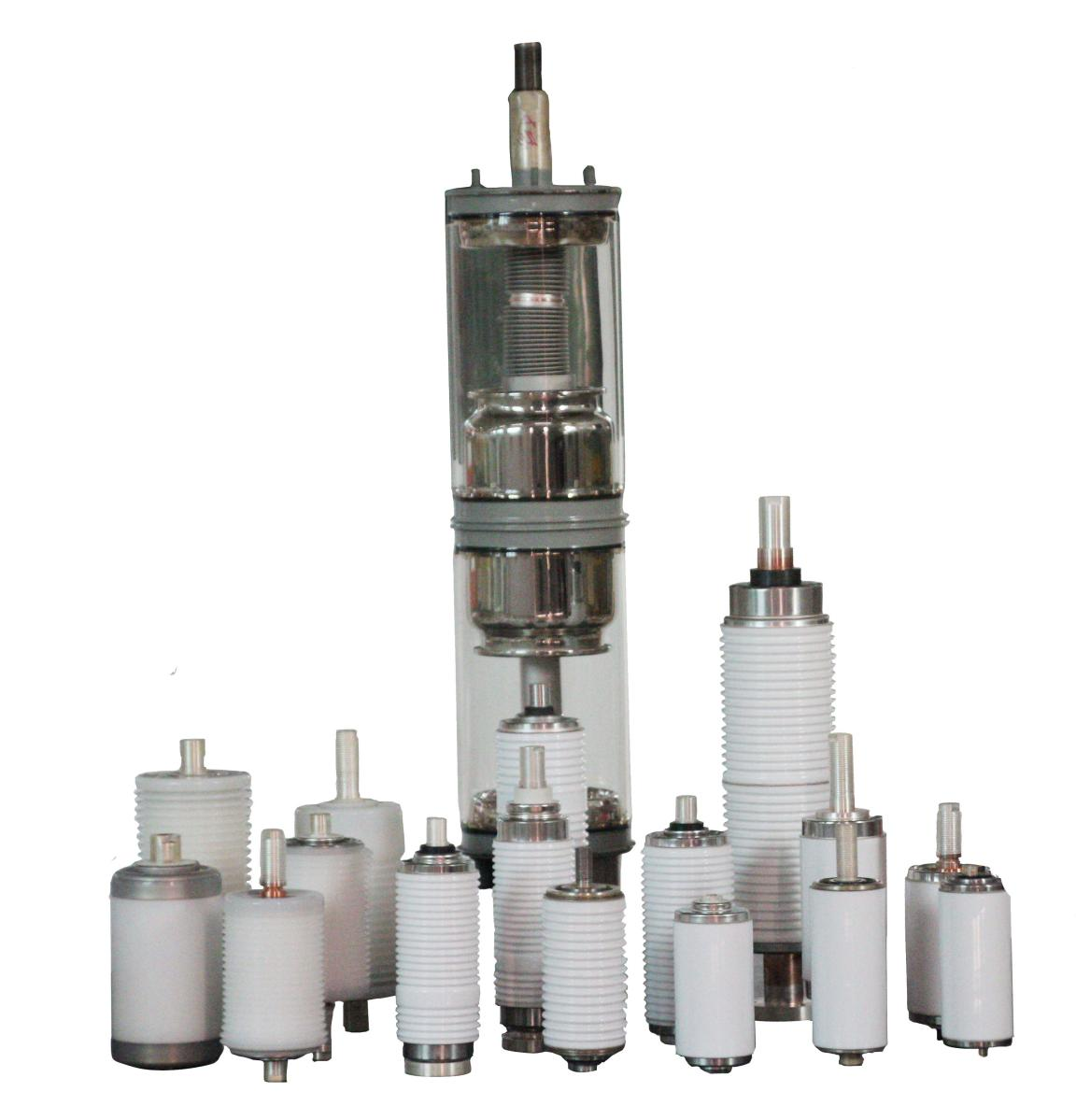

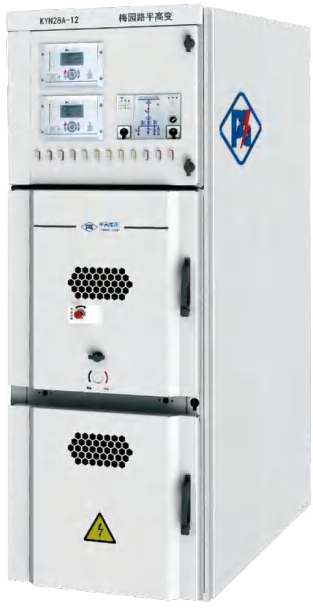
KYN28A-12 Metal Armored Removable Switchgear
Tianjin Ping Gao Intelligent Electric Co., Ltd.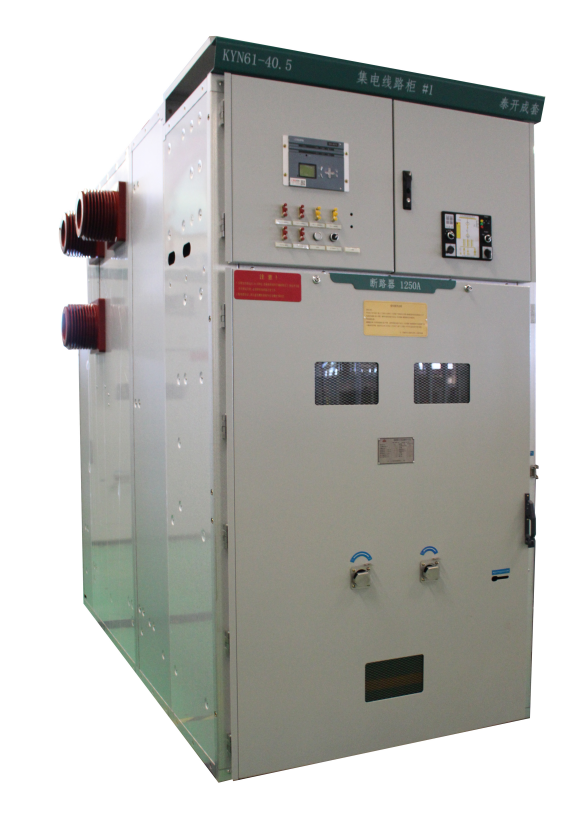
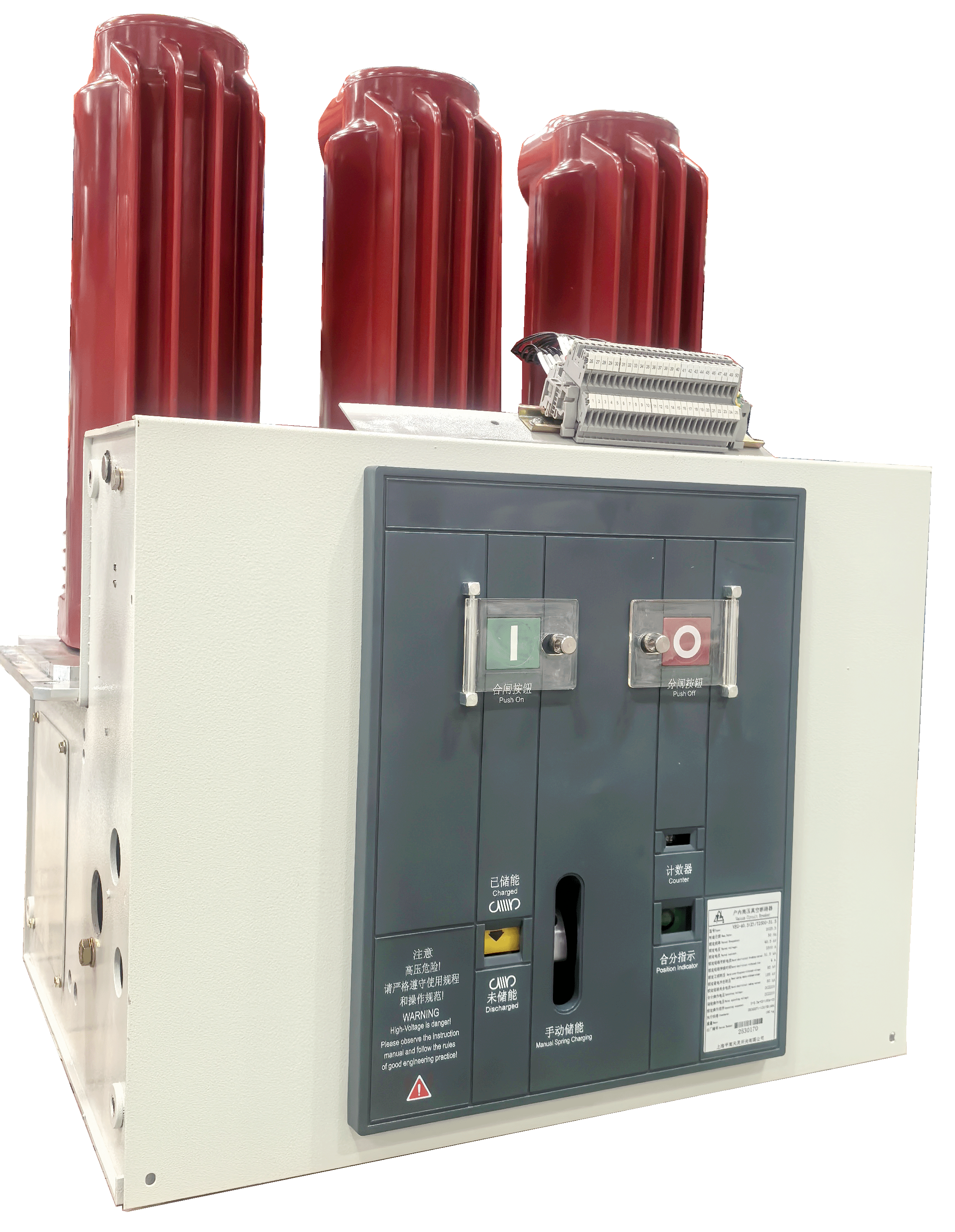
VEG-12/24/40.5 Series Vacuum Circuit Breaker
SHANGHAI PINGGAO TIANLING SWITCHGEAR CO., LTD.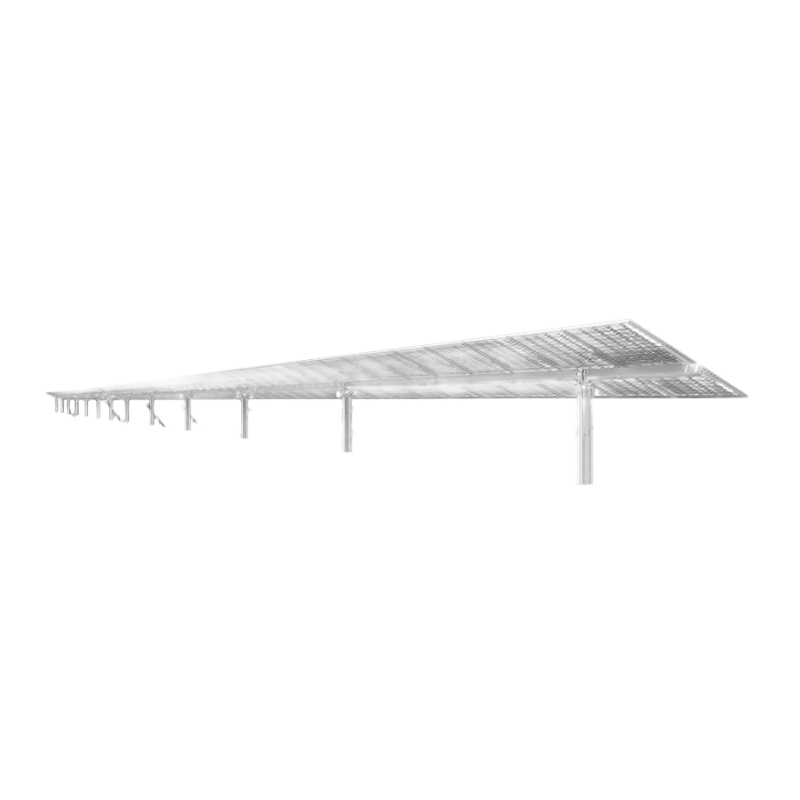
TAI Slew-drive Single-axis Independent 1P Tracking Bracket System
ANTAI TECHNOLOGY CO., LTD.
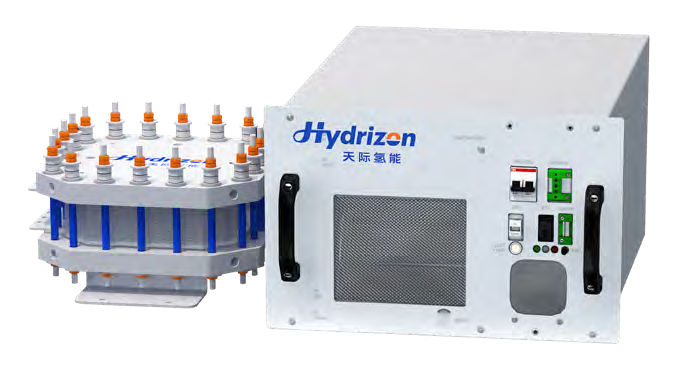
HI-Pro Green Hydrogen High-efficiency Production System-HI-PRO-AEM
Hydrizon Technology (Beijing) Co., Ltd.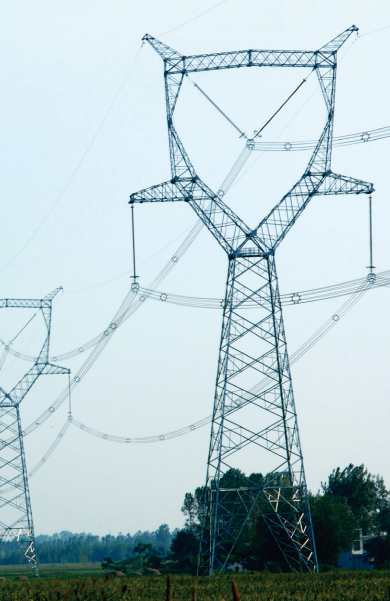
1000kV Jin Southeast-Nanyang-Jingmen UHV AC Transmission and Transformation Pilot Demonstration Project
Anhui Hongyuan Steel Tower Co., Ltd.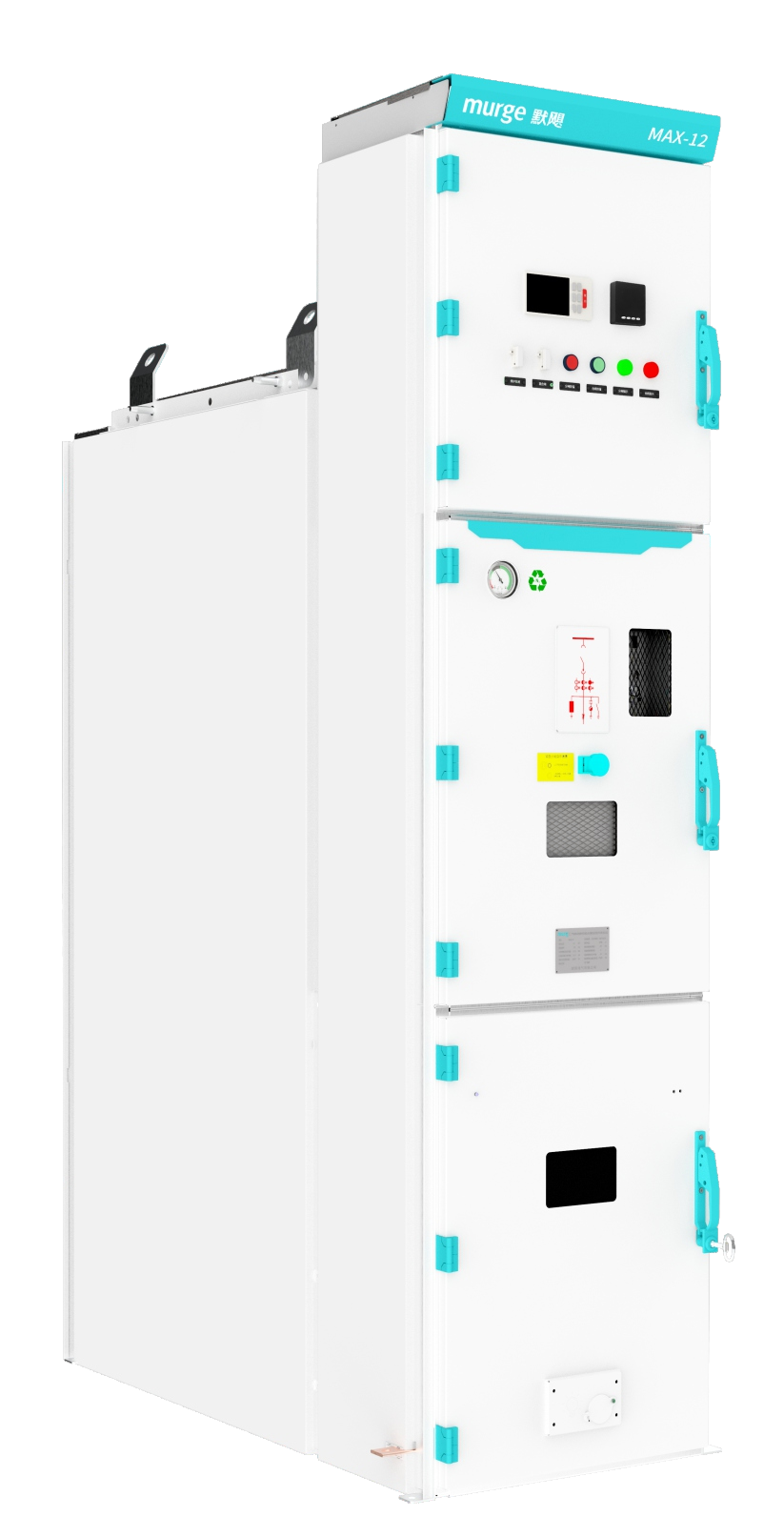
MAX-12 series Environmental Protection/SF6 gas insulated switchgear (C-GIS)
Murge Electric Co.,Ltd.
714CD Series C-Band Weather Radar
Chengdu Zhongdian Jinjiang Information Industry Co., Ltd.
Jiujiang Pinggang 125MW Subcritical Gas Power Generation Project
Capital Engineering & Research Incorporation Limited