Portuguese architecture studio Summary builds house with prefabricated panels made from waste rice husks
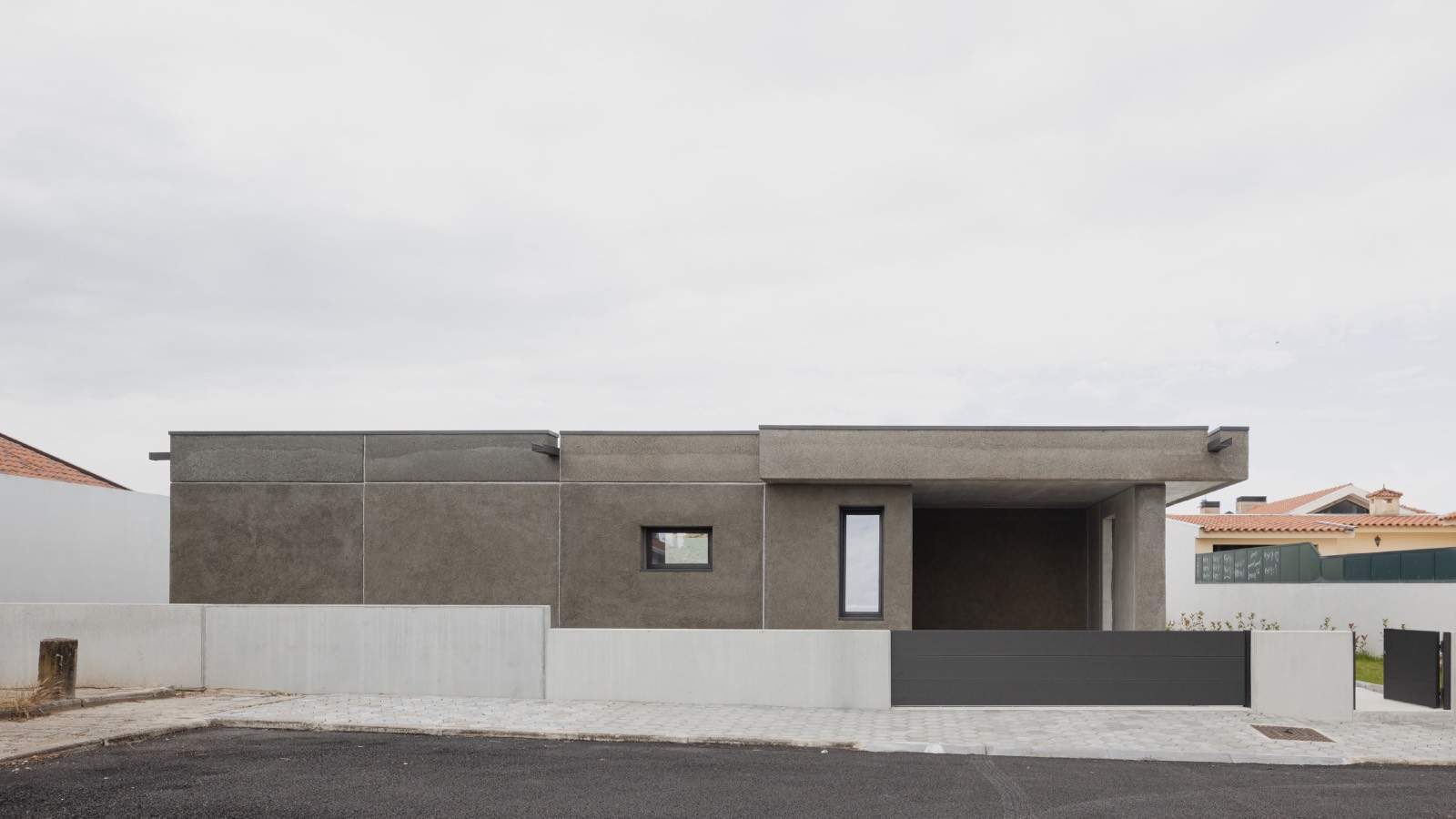
en.Wedoany.com Reported - Portuguese architecture studio Summary has developed a new type of building panel using rice husks and completed the "Rice Husk House" project in Esmoriz, a city 25 kilometers south of Porto. The studio's founder and architect Samuel Gonçalves led this practice of transforming agricultural waste into building materials.
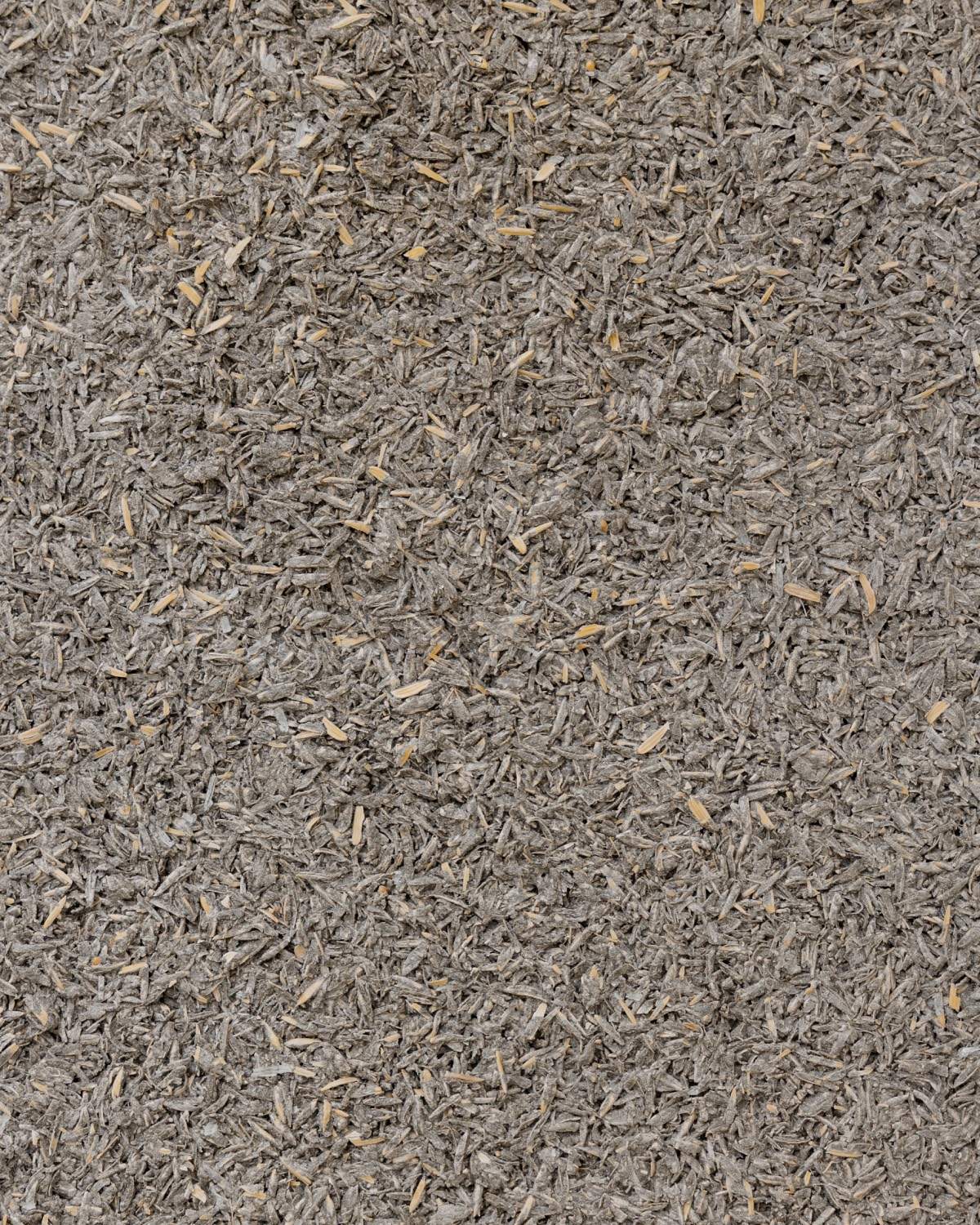
The Mondego River, approximately 258 kilometers long and the longest river entirely within Portugal, generates large amounts of organic waste such as rice husks from rice and other agricultural production along its banks. Traditionally, these husks are either burned or landfilled, both of which are harmful to the environment. Summary sourced rice husks from a local rice producer—which had previously supplied this byproduct for research on composite materials for traffic noise barriers—as raw material for developing building materials.
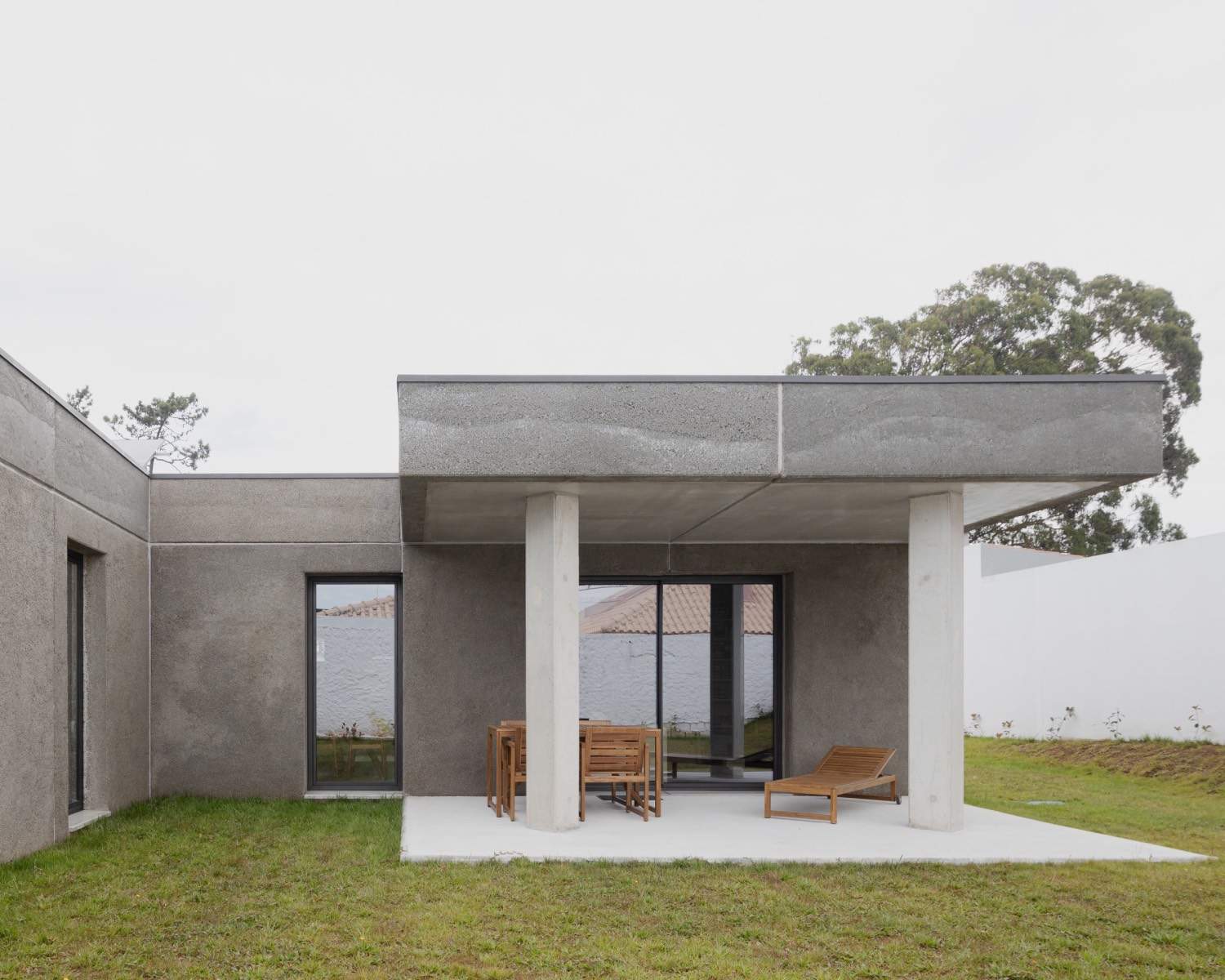
The L-shaped building was constructed using a three-dimensional modular system, with prefabricated panels made of reinforced concrete and an outer layer of cement-based composite material mixed with rice husks. During the factory prefabrication stage, the modules were partially pre-installed with electrical and plumbing systems to reduce on-site construction time. The 23-centimeter-thick rice husk layer used in the modules forms the building's external envelope, achieving a thermal resistance of 1.877 m²K/W, eliminating the need for additional common EPS or XPS foam insulation boards. The house layout also incorporates natural cross-ventilation and optimal sunlight exposure to enhance indoor comfort.
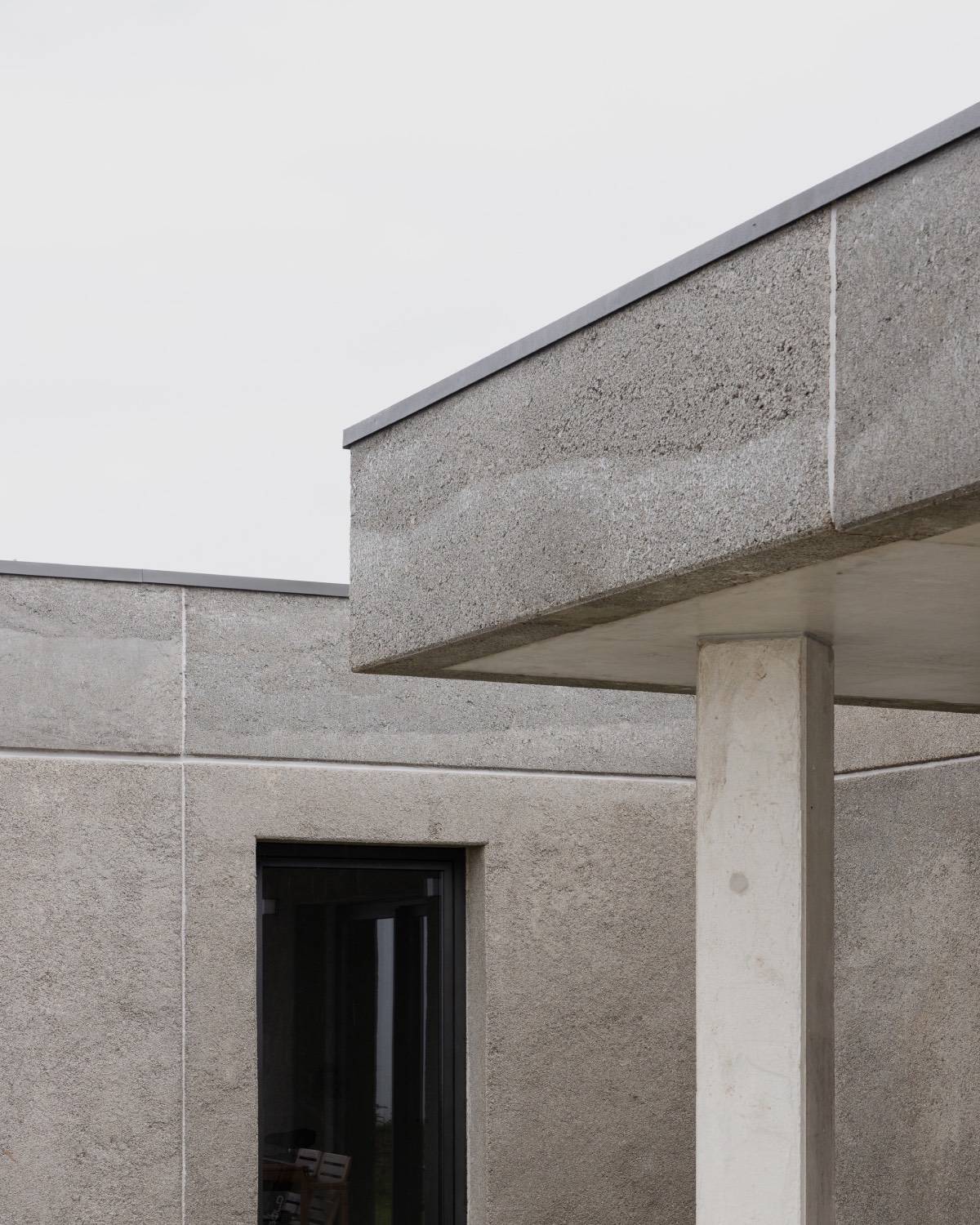
Gonçalves stated that after incorporating rice husks into the composite material, it demonstrated good robustness both as cladding and insulation. Summary typically focuses on social housing projects, and applying bio-based materials to a private residence is considered an experimental endeavor. Gonçalves noted that this house is not just a dwelling but also a prototype validation.
Related Products
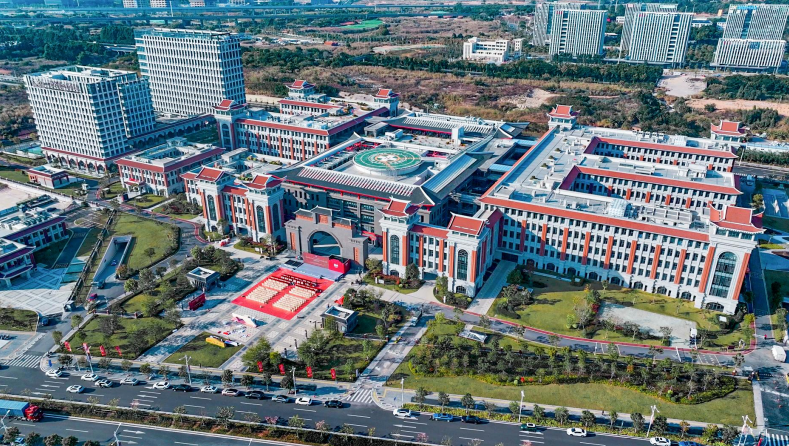

West China Xiamen Hospital of Sichuan University
Wuhan Huakang Century Clean Technology Co., Ltd.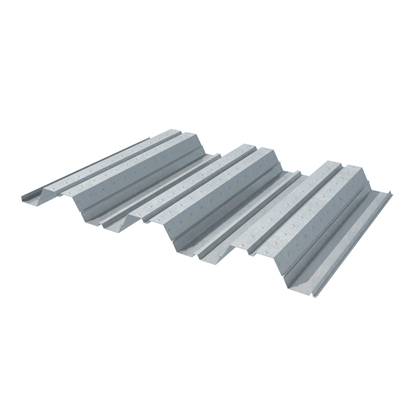
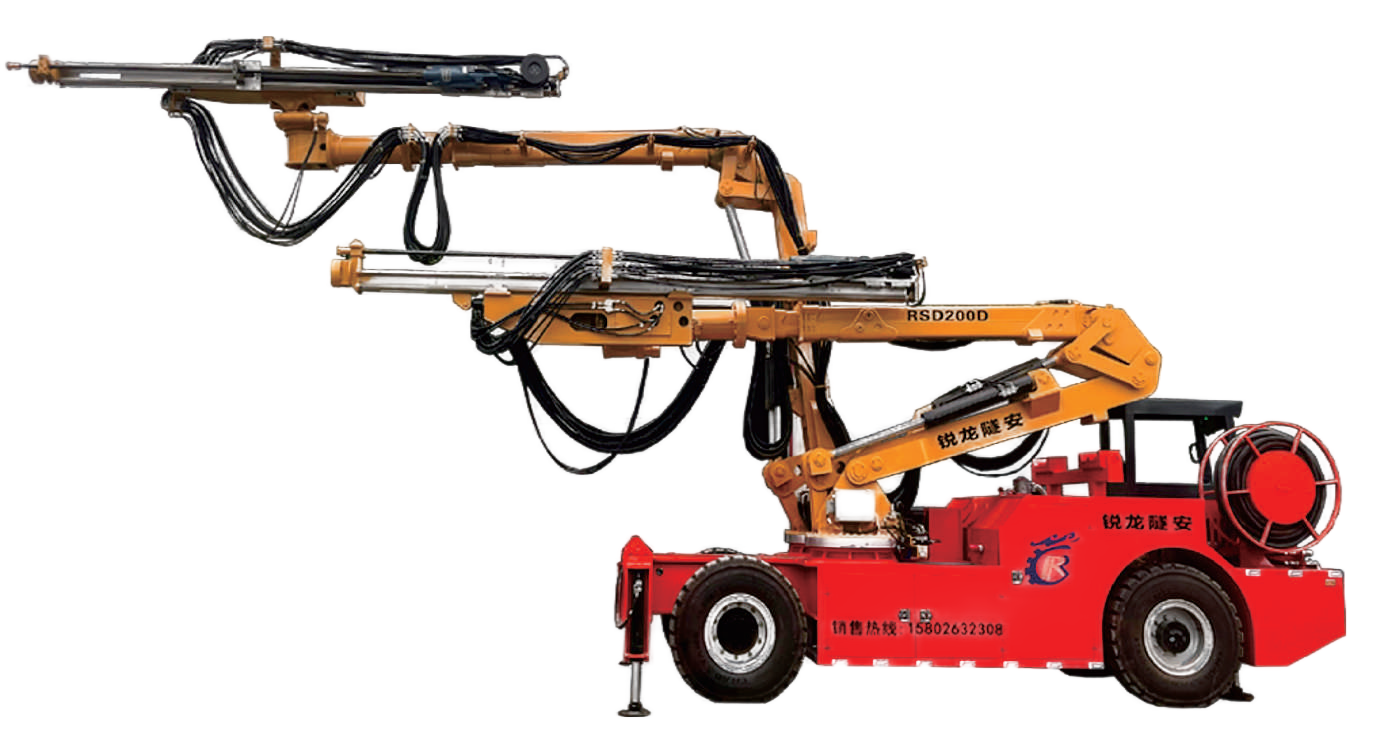
Dual-curved Arm Rock Drilling Trolley RSD200D
Chengdu Ruilong Machinery Manufacturing Co., Ltd.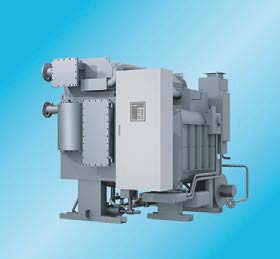
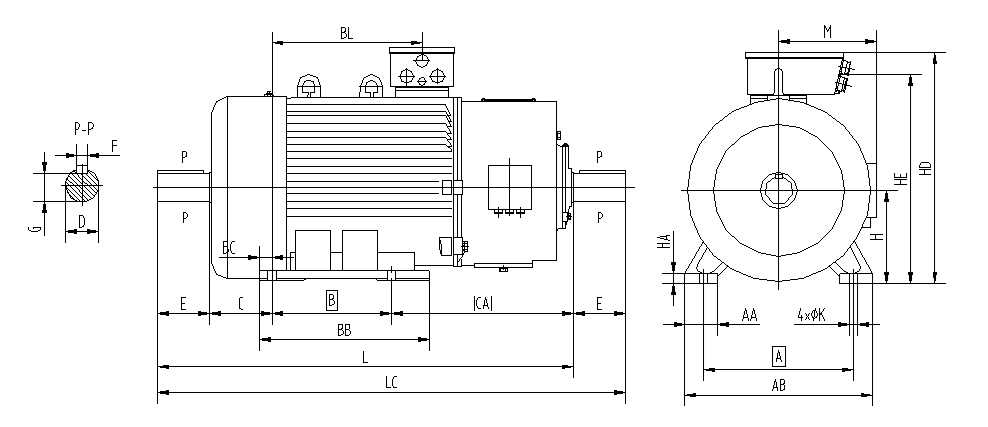
YZR (450-560) Series Wound Rotor Three-Phase Asynchronous Motors for Crane and Metallurgical Applications
Jiamusi Electric Machine Co., Ltd.
Acoustic Mineral Fiber Ceiling Tile 595x595x12mm
Shanxi Pano Trading Co., Ltd