Relativity's Terran R Stage 2 Arrives at Stennis, First Flight in 2026
en.Wedoany.com Reported - Relativity Space's heavy-lift launch vehicle, Terran R, has reached a key milestone with the completion of critical subsystem integration for the rocket's second stage, which is now being shipped to NASA's Stennis Space Center for testing. Meanwhile, structural work on the first stage qualification article has been completed, and it is preparing for load testing, while the flight article is progressing with the integration of propellant tanks and thrust structures.
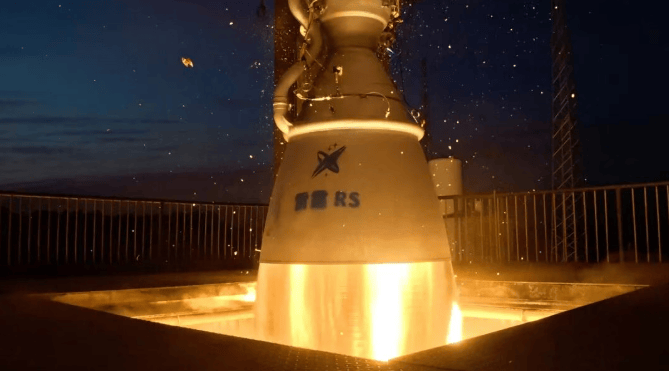
As of June 2026, the first flight-ready Terran R second stage has completed final integration of multiple subsystems. The team installed hardware such as fluid systems, brackets, wiring harnesses, valves, and cable trays. Subsequently, the second stage left the factory and was transported to the Port of Long Beach for shipment to NASA's Stennis Space Center. Prior to this, Relativity had prepared for second-stage testing at Stennis's A2 test stand, including initial activation of the environmental control system and liquid oxygen flushing on the upper deck to verify hardware performance before propellant loading. The second stage's vacuum engine, Aeon V, has completed qualification activities, validating key service life, duration, and ignition capabilities. This engine uses a gas generator cycle and is fueled by liquid methane and liquid oxygen.
The A2 test stand at NASA's Stennis Space Center was built in 1966 and was used to test and certify the second stage of the Saturn V rocket. After the Apollo program ended, the stand was used to test Space Shuttle main engines from 1975 to the early 2000s. Currently, the bridge crane installed for second-stage testing is complete, the aft test adapter has been delivered, and the test stand's deflector is being assembled before delivery.
Alongside second-stage development, all structural work on the Terran R first stage qualification article has been completed, including the installation of stringer connections and reinforcement plates to strengthen the external skin. The downcomer, which transports liquid oxygen from the top of the rocket to the Aeon R thrust structure, has passed acceptance testing and has been installed inside the tank. The qualification article will undergo load testing at Relativity's facility in Long Beach, California, where it will be subjected to loads simulating critical aerodynamic phases of flight, including maximum dynamic pressure.
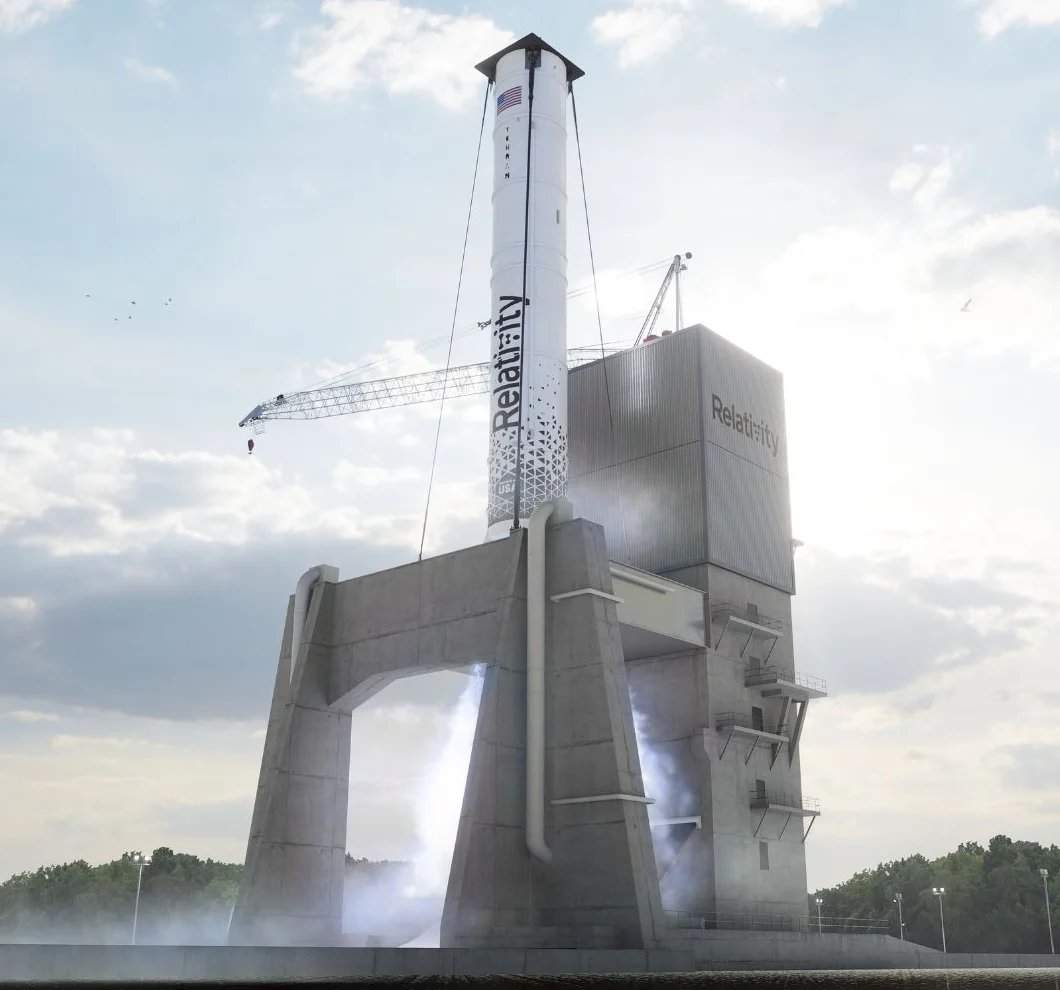
The Terran R first stage is powered by 13 gas generator cycle Aeon R engines using methane and liquid oxygen as propellants. The first batch of flight-ready Aeon R engines is being prepared and will be integrated with the thrust structure after passing acceptance testing. The first flight-ready Terran R first stage is also advancing toward key milestones, with its thrust structure completed and the liquid oxygen and methane supply lines for the first outboard engine integrated. Two interstage sections are undergoing mechanical assembly. In May, Relativity produced a total of 1,455 flight components, most of which will be integrated into the first stage flight article. Engineers have also completed component designs for key first-stage subsystems, including avionics and fluid systems.
Once both stages pass critical testing and integration milestones, they will be transported to Launch Complex 16 at Cape Canaveral Space Force Station in Florida. This launch pad was used for Titan missile development in the 1960s and 1970s and was acquired by Relativity in 2019. After the retirement of the Terran 1 rocket, the company quickly began reconfiguring the pad to support Terran R operations. The launch site is now nearing its final configuration, with the physical outline of LC-16 completed, the 92.96-meter-tall water tower reaching its final height, and lightning protection system installation underway. Additionally, concrete has been poured for the main access road, construction of the launch pad's mid-deck is ongoing, final components for launch pad protection and piping are being installed—including the upper strongback fluid bracket on the transporter erector—and waterproofing for the launch pad support system facilities has been finished. The horizontal integration facility has reached structural completion, and the team is shifting focus to outfitting activities, with a 99.8-metric-ton bridge crane installed in the cleanroom section.
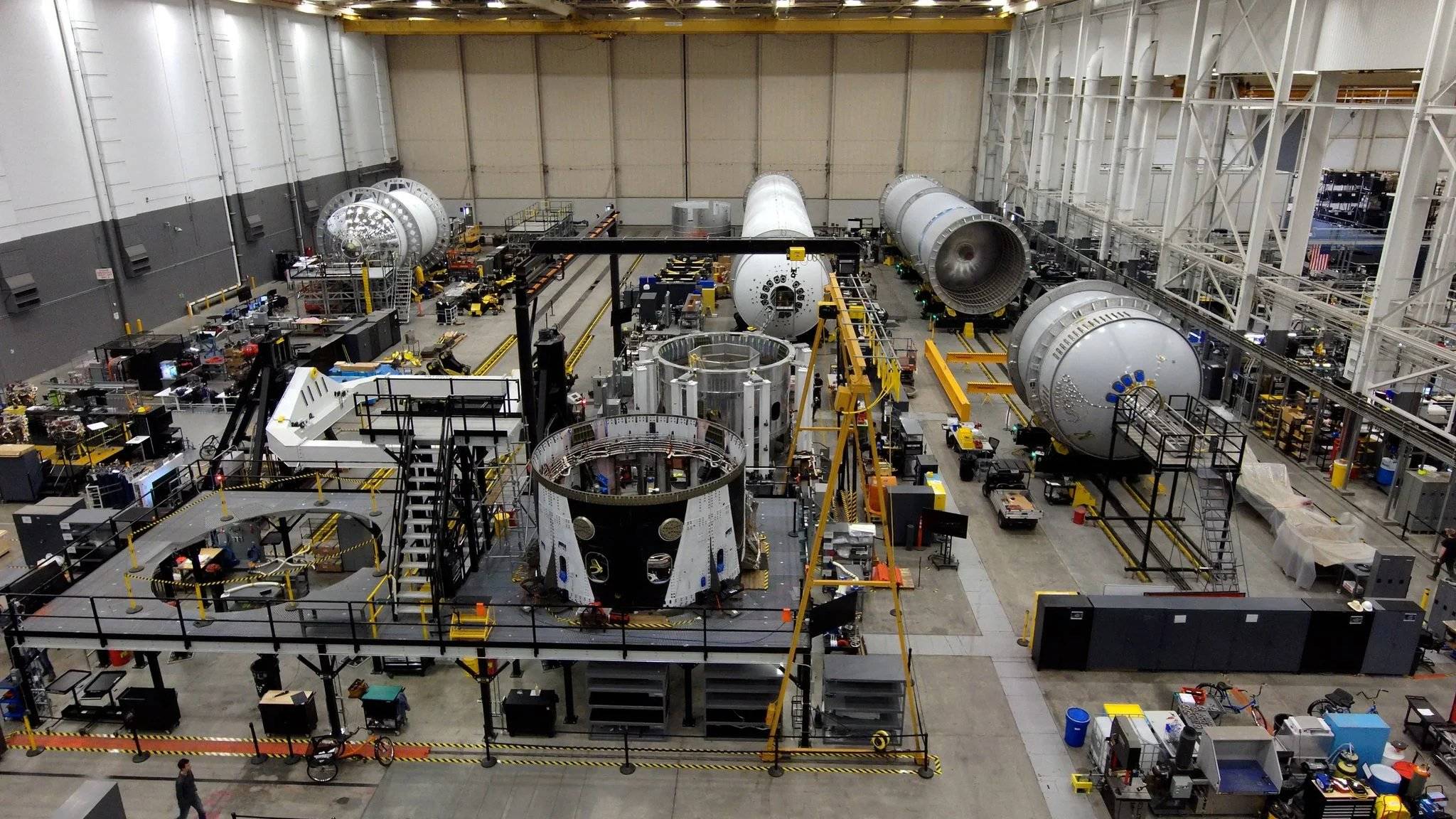
Relativity currently holds a pre-launch contract backlog of approximately $3 billion, including a multi-year, multi-launch agreement with OneWeb and a partnership signed in 2022 with Impulse Space to send commercial payloads to Mars via a trans-Mars injection orbit. With the second stage heading to Stennis for testing, the first stage qualification article preparing for structural load tests, and Launch Complex 16 rapidly approaching its final configuration, Relativity Space is entering the critical final phase of Terran R development. If the current pace is maintained, the company is on track for a first flight by the end of 2026, introducing a new heavy-lift launch vehicle system with a payload capacity significantly higher than SpaceX's Falcon 9.
Related Products

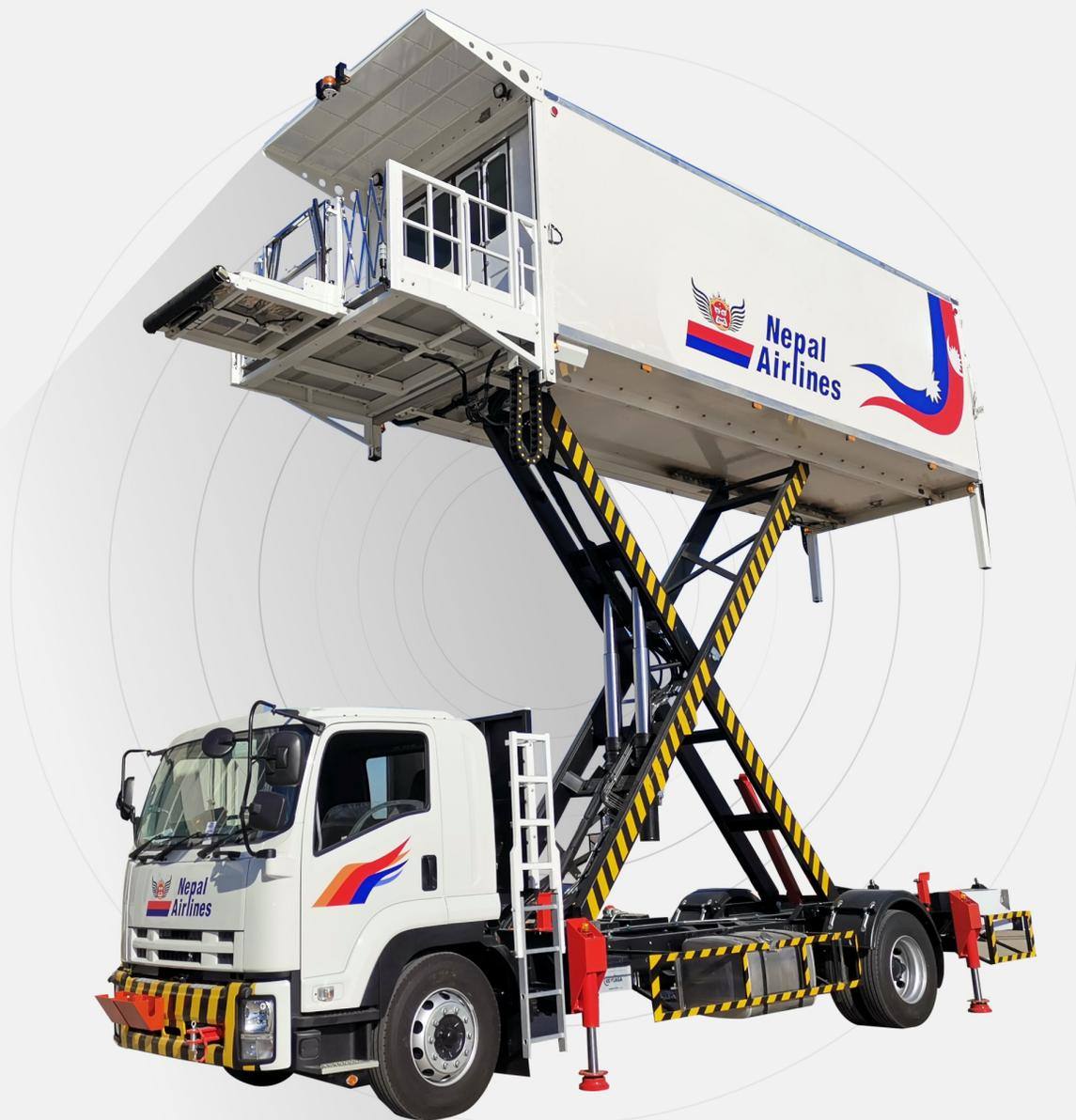
XC-6000e Type Aviation Catering Truck (Fuel Type)
Shenzhen CIMC-TianDa Airport Support Ltd.

Wheel and Track Technology Business
Beijing Research & Design Institute of Rubber Industry Co., Ltd.
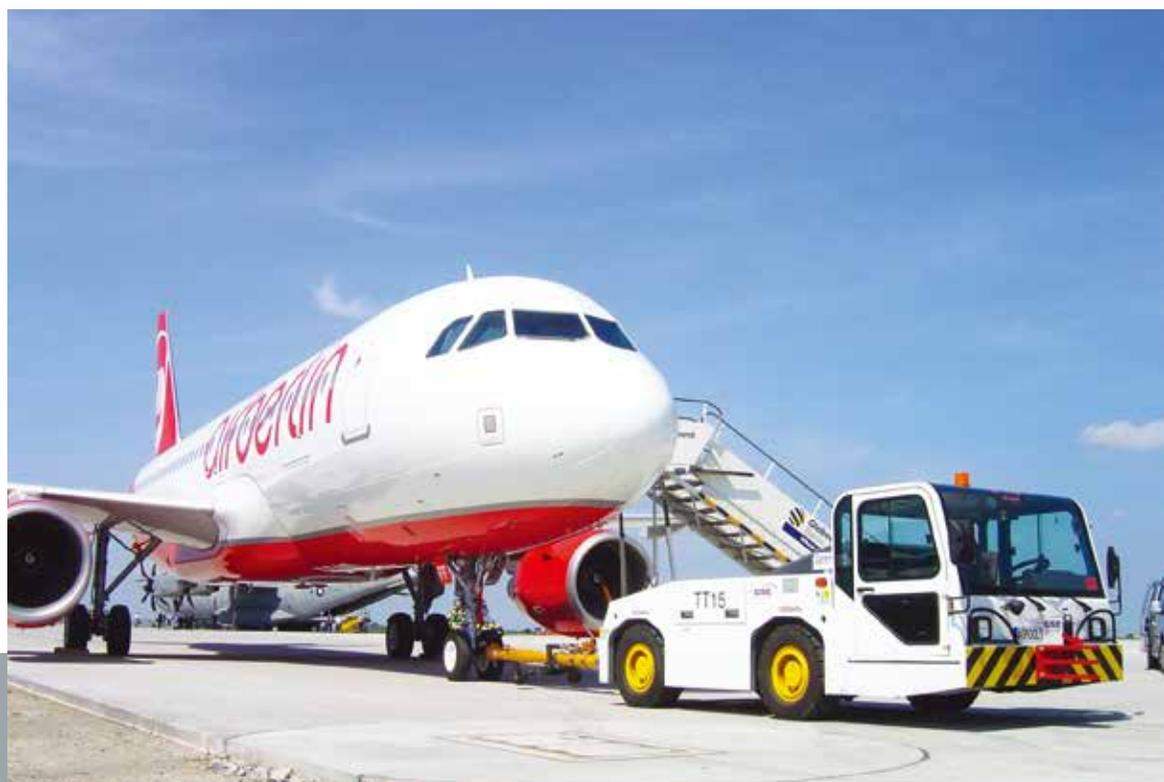
WGQY Series Aircraft Tow Tractor-WGQY15, WGQY27
Weihai Guangtai Airport Equipment Co., Ltd.