New York MTA Launches First R211A Subway Cars on D Line on July 1
en.Wedoany.com Reported - The Metropolitan Transportation Authority (MTA) has introduced the first R211A subway cars on the D line, making it the sixth line to operate the new fleet.
These trains entered service on July 1 and will gradually replace the R68 cars that have been in service on the line since the 1980s. The deployment coincides with the start of summer, as the D line provides access to Coney Island.
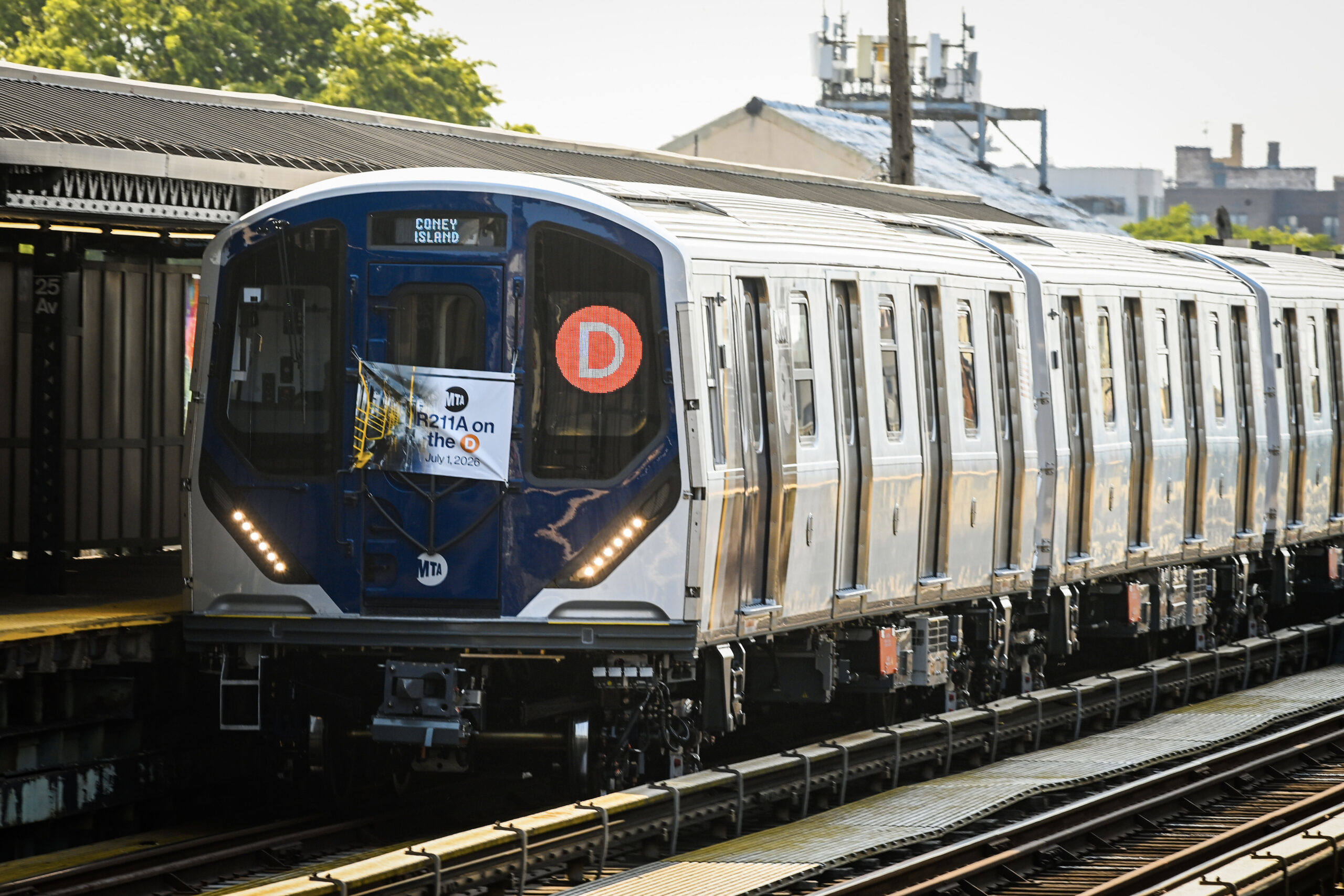
The R211 fleet is part of the MTA's overall plan to modernize the New York subway network. The new cars feature doors that are 58 inches wide, an increase of 8 inches over older models, designed to reduce boarding times and improve station dwell times.
Each car is also equipped with security cameras, additional priority seating, digital passenger information displays, improved lighting, and updated signage.
The mean distance between failures for the R211 fleet is approximately 294,000 miles, compared to about 58,700 miles for the R46 fleet it replaces. This reliability improvement is expected to reduce the frequency of service disruptions and maintenance workload.
MTA Chair and CEO Janno Lieber stated that the new R211 trains are making their debut on the D line, and these new trains will get passengers to their destinations faster and more reliably; passenger feedback indicates they like the new design and extra space of the new cars, while the R211 trains are less prone to failures, operating nearly 300,000 miles between failures, about twice that of the rest of the fleet.
Before their introduction on the D line, the R211 fleet had already been deployed in other parts of the New York subway system. In 2025, the fleet replaced the R44 trains on the Staten Island Railway and has been placed into service on the A, B, C, G, and Rockaway Beach Shuttle lines. The MTA continues to advance the replacement of older R46 and R68 cars throughout the system.
In March, the MTA announced plans to procure a new generation of subway cars through what it called its largest vehicle procurement contract to date. The proposed order includes a base purchase of 1,140 cars to replace the R62 and R62A fleets, with an option to add up to 1,250 additional cars to replace the R142 and R142A fleets.
Passenger survey data shows that riders on lines served by the R211 fleet report higher satisfaction with train cleanliness than the network average.
Related Products
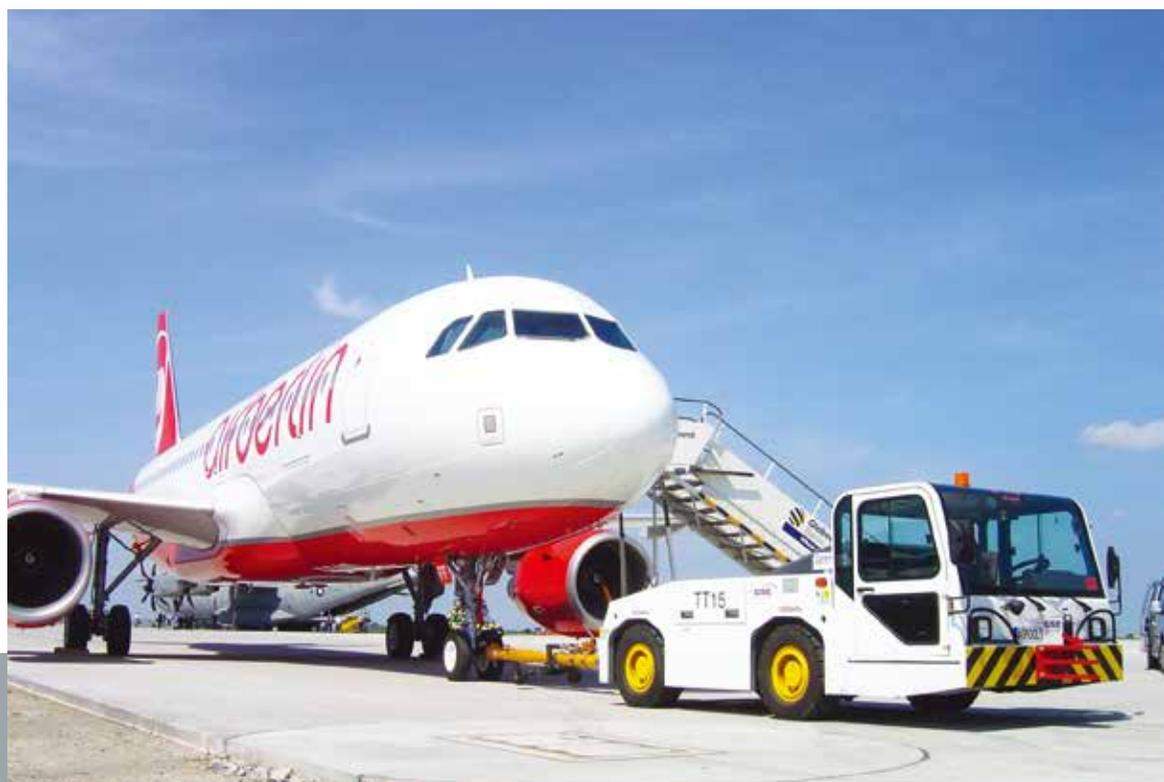

WGQY Series Aircraft Tow Tractor-WGQY15, WGQY27
Weihai Guangtai Airport Equipment Co., Ltd.
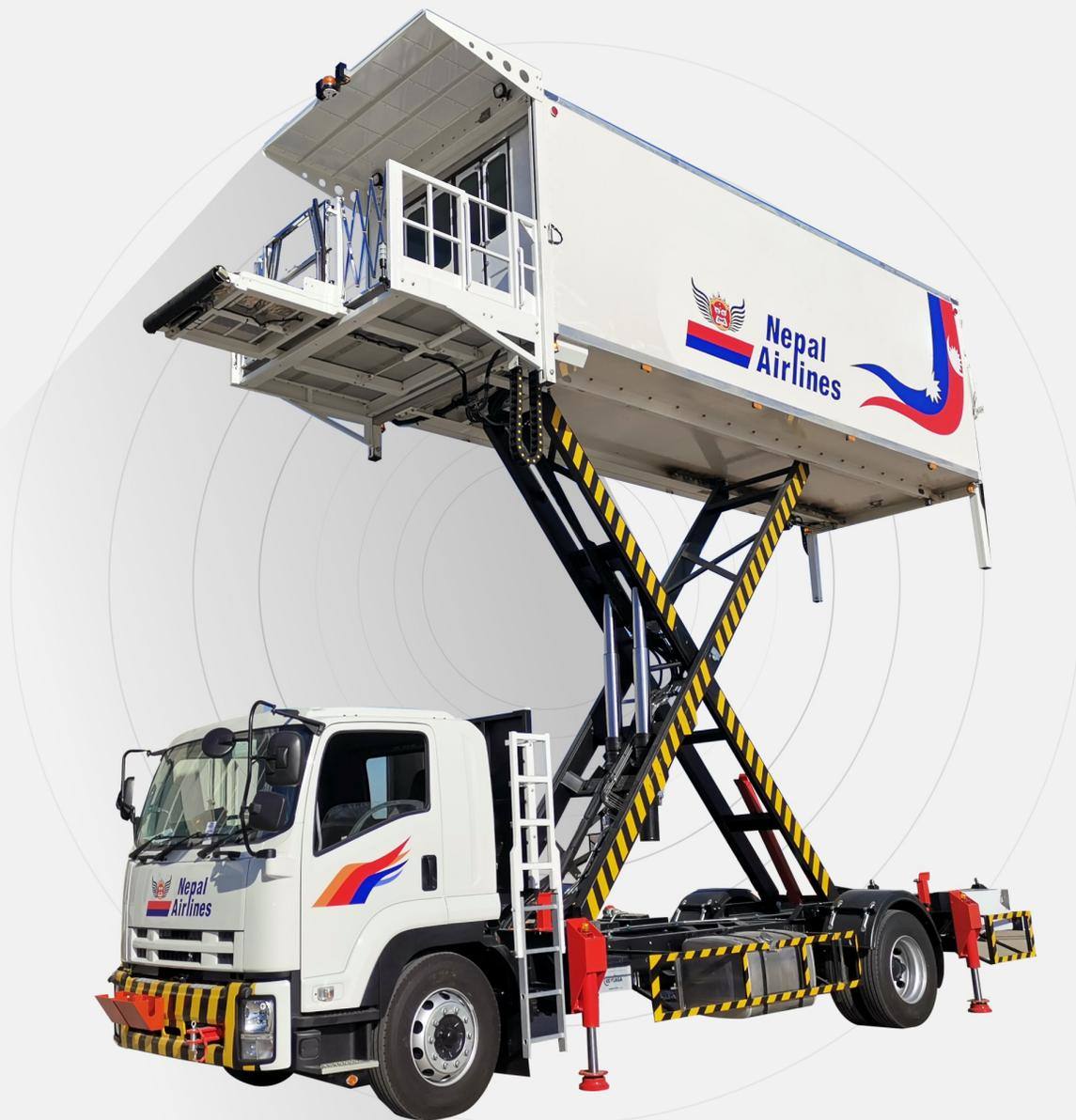
XC-6000e Type Aviation Catering Truck (Fuel Type)
Shenzhen CIMC-TianDa Airport Support Ltd.
China - Alashankou/Khorgos - Europe Full Range Transportation (Mala/Hamburg/Duisburg/Budapest, etc.)
Shenzhen Neptune Logistics Co., Ltd.
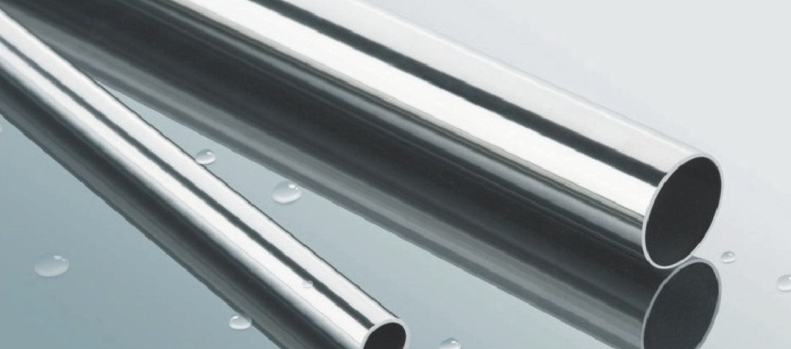
ERW Welded Pipe (Black Pipe and Hot-dip Galvanized Steel Pipe)
Handan Zhengda Steel Pipe Co., Ltd.
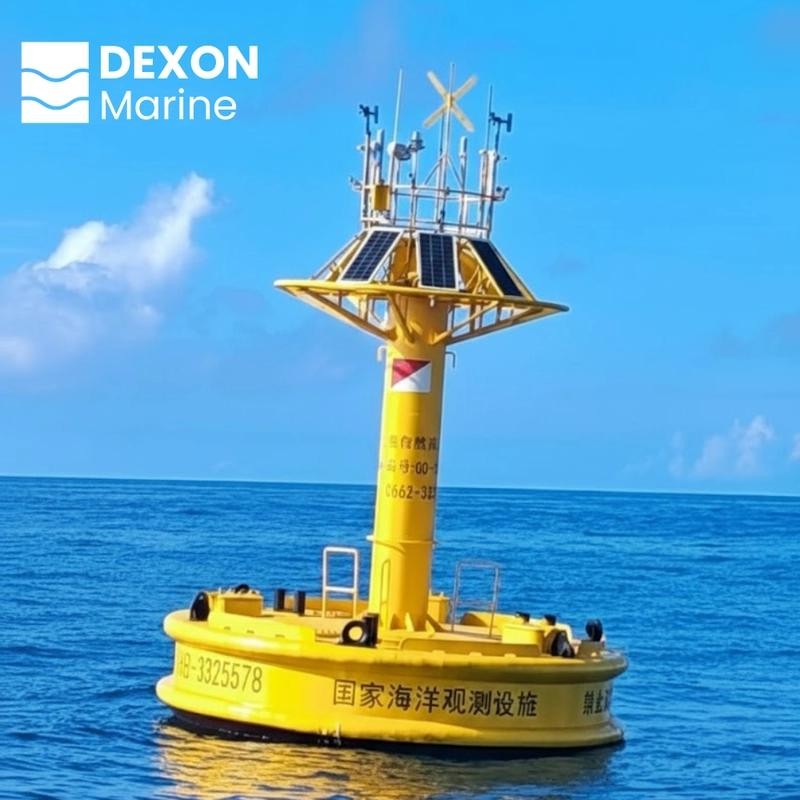
3m intelligent buoy combining navigation safety and real-time marine monitoring integrated navigation and marine monitoring system for real-time maritime data
Chengdu Dixin Technology Co., Ltd.