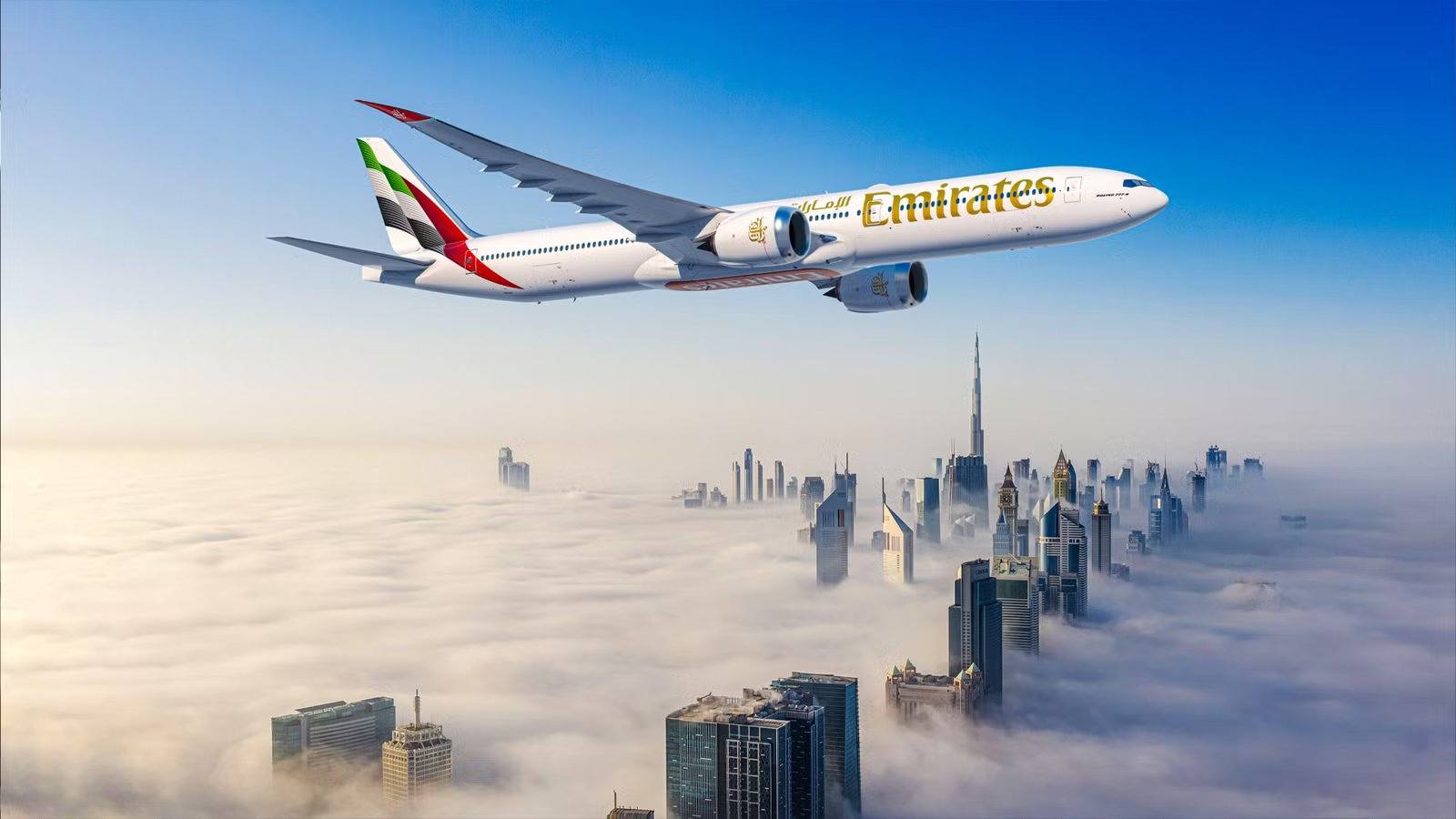
Rolls-Royce Trent Engine Fuel Consumption Reduced by 1.8%, Saving Nearly $10 Million Annually
en.Wedoany.com Reported - Rolls-Royce has announced that the fuel consumption improvement target for its Trent XWB-84 EP engine has been raised from the initially set approximately 1% to 1.8%. For airlines, every 1% reduction in engine thrust-specific fuel consumption (SFC) can save about $500,000 in fuel costs per aircraft annually; with a fleet of 20 aircraft, total annual savings could reach $9 million to $10 million, directly improving operating profits.
This economic benefit has led 90% of profitable airlines to choose the Trent XWB engine. Against the backdrop of rising aviation fuel prices, significant fuel savings are crucial for operators. Rob Watson, President of Civil Aerospace at Rolls-Royce, stated at a press conference ahead of the Farnborough Airshow that the initial target for the XWB-84 EP engine at launch was to achieve up to 1% savings through a series of incremental improvements, with the core approach being to optimize airflow through the engine to enhance efficiency.
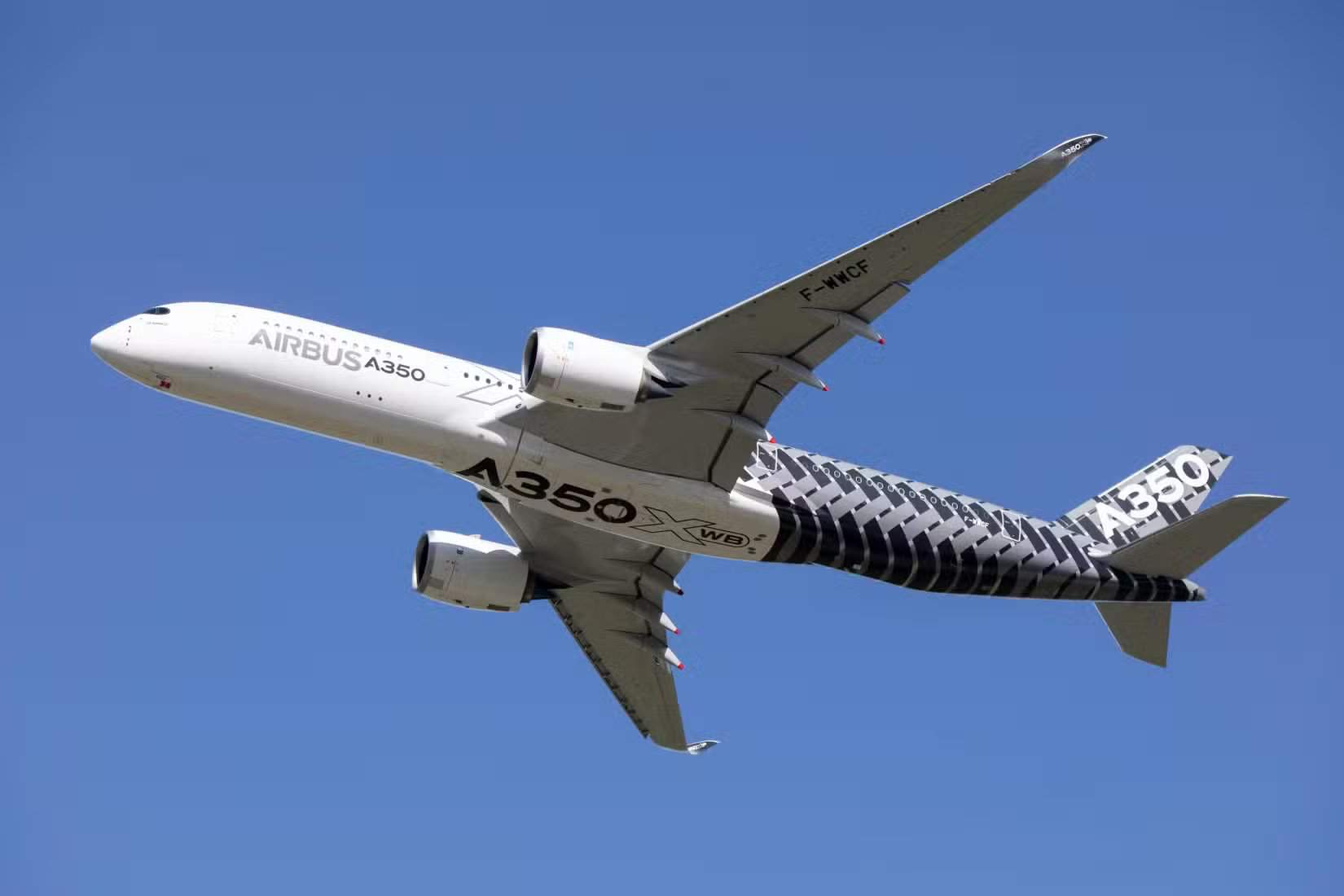
The improved engine has been in commercial service for over a year, with Delta Air Lines as the launch customer. The engine program has now accumulated over 100,000 hours of operation, with SFC improvement effects nearly double the initial target. Watson noted that in the current environment, SFC performance exceeding expectations is highly valuable for aircraft operators. The Trent XWB-84 EP received certification from the European Union Aviation Safety Agency (EASA) in December 2024 and entered service in May last year, as part of Rolls-Royce's $1.33 billion (£1 billion) investment in modernizing the Trent fleet.
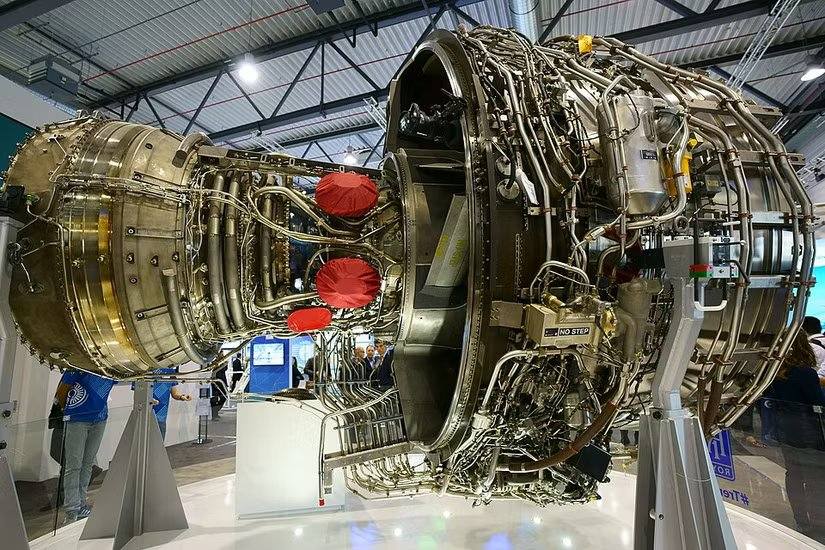
Through the latest improvements, the Trent XWB engine achieves higher fuel efficiency while maintaining industry-leading reliability and reducing environmental impact. Lower fuel consumption helps reduce carbon emissions, lower operating costs, and make the aircraft quieter overall. The engine type is certified to operate with up to 50% sustainable aviation fuel (SAF) blends, with a future goal of 100% usage. To achieve this, engineers have conducted extensive engine redevelopment and completed thousands of hours of rigorous testing both on the ground and in the air. Major airlines such as Delta Air Lines and Singapore Airlines rely on this engine to support their medium- and ultra-long-haul operations.
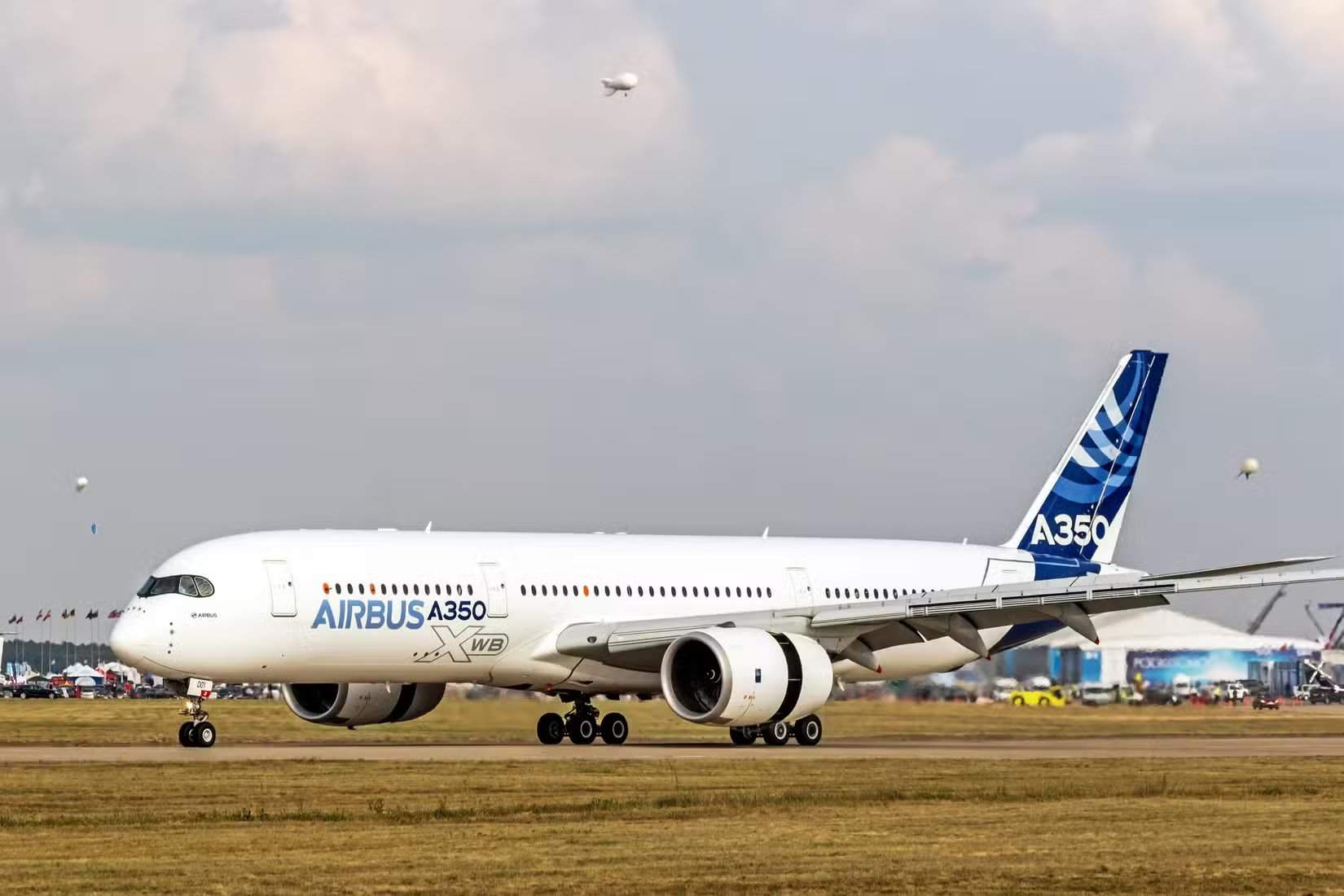
The XWB-84 EP is an evolution of the engine powering the A350-900, which is already one of the most fuel-efficient widebody engines on the market. The A350 leads in long-haul operations in the 300- to 410-seat category. The actual performance of the Trent engine continues to improve airline operational efficiency and sustainability goals.
Related Products

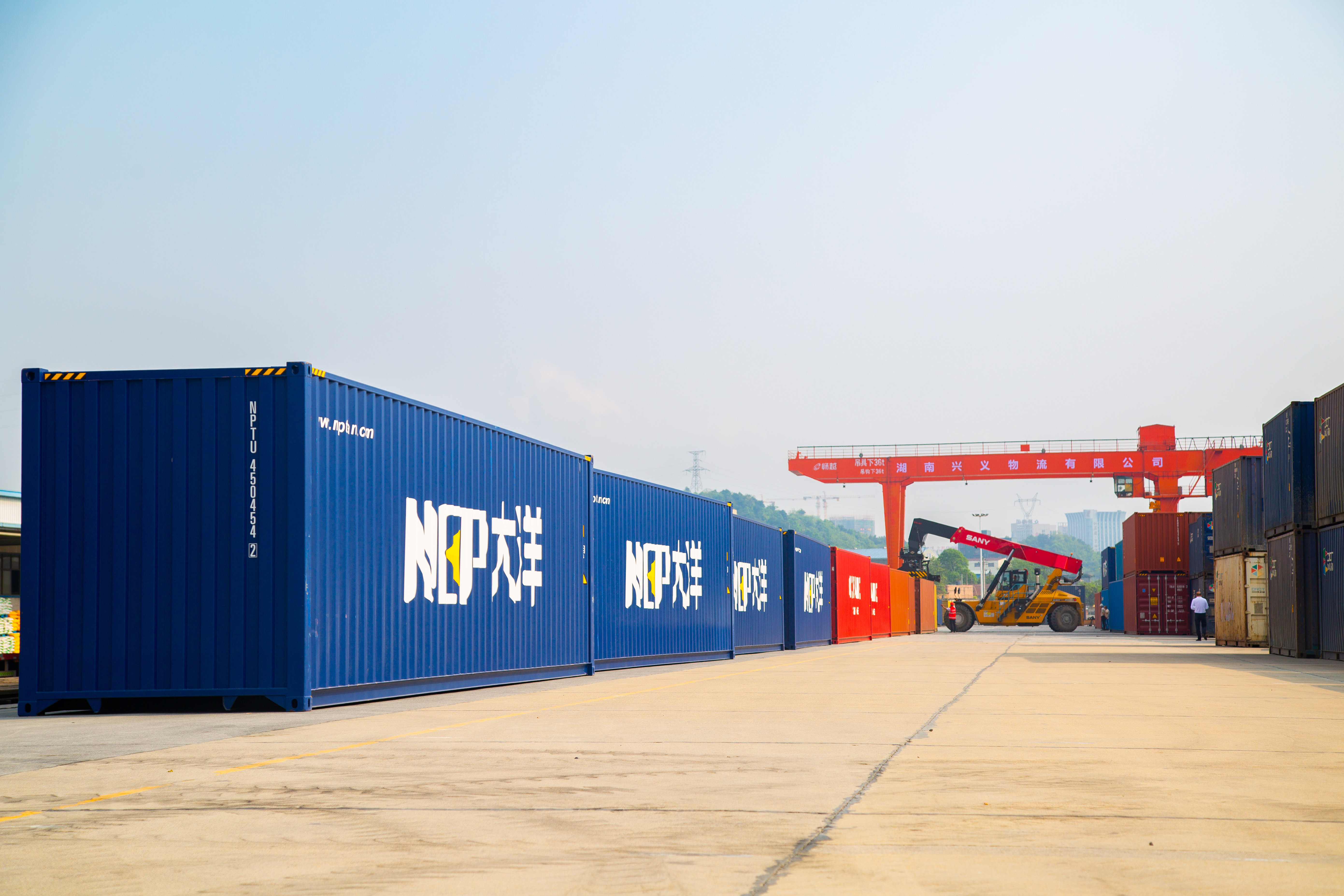
China - Alashankou/Khorgos - Europe Full Range Transportation (Mala/Hamburg/Duisburg/Budapest, etc.)
Shenzhen Neptune Logistics Co., Ltd.
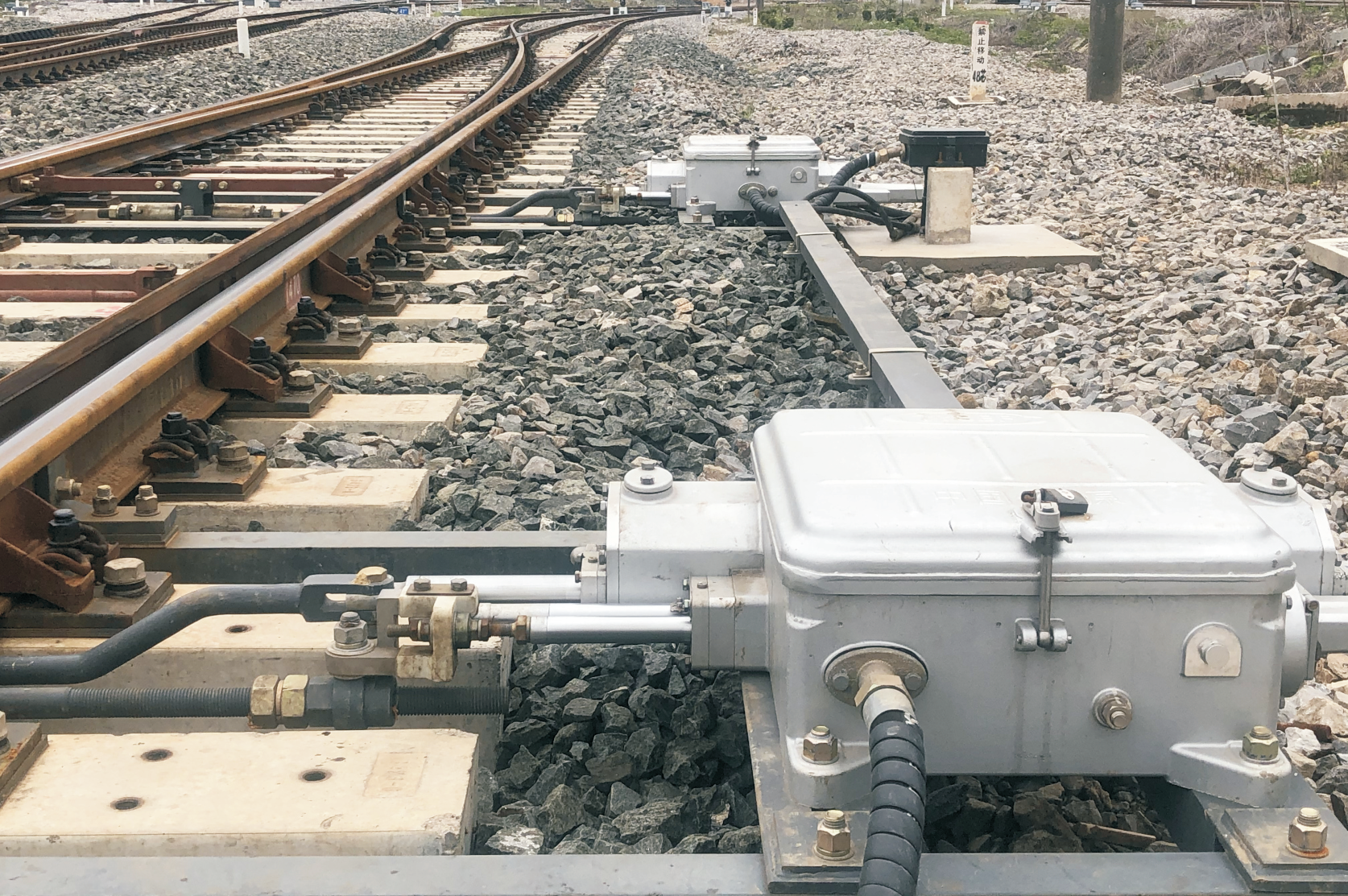
ZY(J)7(M) Sealed Type Electro-Hydraulic Turnout Machine
TAIYUAN CR JINGFENG EQUIPMENT TECHNOLOGY CO., LTD.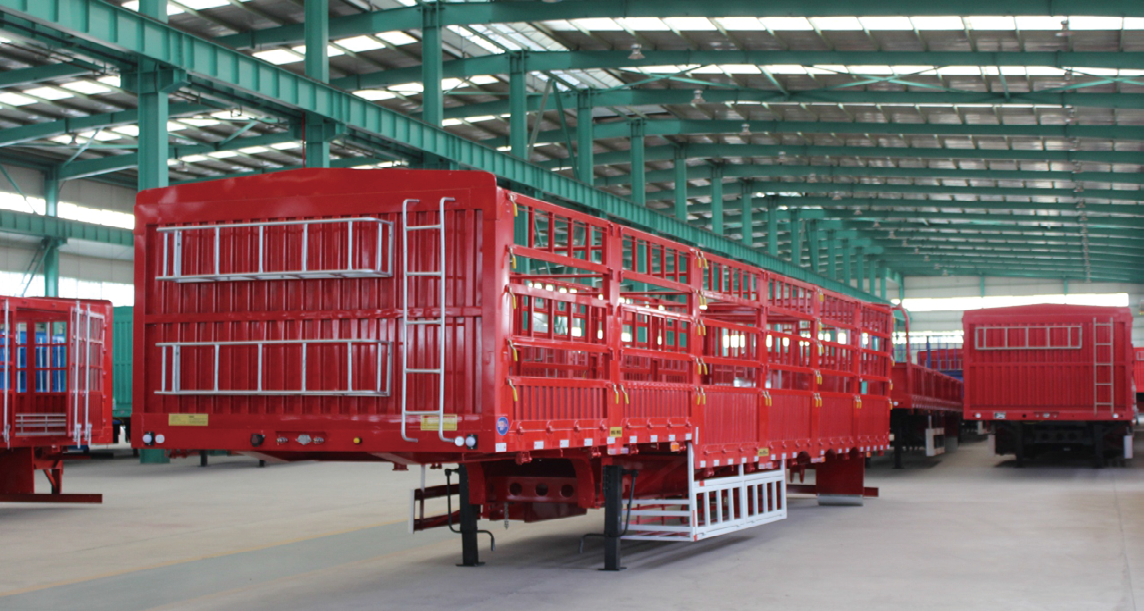
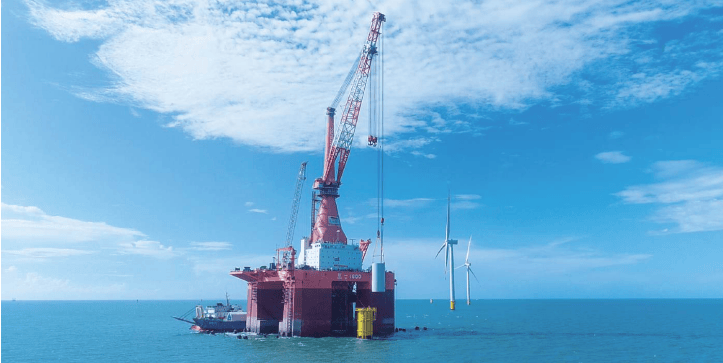
"Shunyi 1600" Deep-submerging Bottom-sitting Multi-functional Wind Power Engineering Vessel
Zhengli Offshore Engineering Co., Ltd.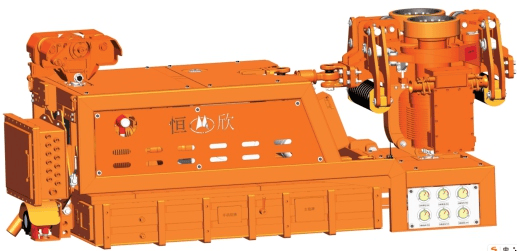
Explosion-proof lithium battery dispatching monorail crane locomotive (permanent magnet frequency conversion integrated machine)
Xiangtan Hengxin Industrial Co., Ltd.