UK's HS2 Abandons Autonomous Train Technology, Saving £1-2.5 Billion
en.Wedoany.com Reported - The UK National Audit Office (NAO) reported this week that the Department for Transport (DfT) has agreed to simplify and modify certain technical specifications for the high-speed rail project HS2, marking the first comprehensive assessment since the railway's latest reset in January 2025. HS2 will abandon some of its most ambitious railway technologies to reduce the difficulty of completing this most challenging infrastructure project in the UK.
In January, the Transport Secretary asked HS2 Ltd to study whether reducing train operating speeds could lower costs, construction risks, and testing time. HS2 Ltd responded by recommending a reduction in the maximum operating speed from the originally planned 360 km/h to 320 km/h. One of the biggest changes is the abandonment of the Automatic Train Operation (ATO) system, which would have allowed trains to run automatically under normal conditions with drivers only supervising. HS2 now plans to forgo ATO in its first phase, instead using proven technologies from other projects to simplify the signaling system, moving away from customized solutions.
HS2 Ltd estimates that the revised technical specifications could save between £1 billion and £2.5 billion in costs and allow the railway to open at least one year earlier than previously expected. However, the NAO warned that these savings remain uncertain and noted that the reduced travel speed would decrease the railway's long-term benefits by approximately £1.3 billion. The report stated that simplifying the technical specifications could also avoid the time and expense required to prove that trains can operate safely at 360 km/h, while also mitigating the risk that testing might ultimately show that higher speeds are not feasible.
As of the end of March, the DfT and HS2 Ltd had spent £46.8 billion on the HS2 project, including the now-cancelled second phase. HS2 expects the reset itself to cost £153 million by the end of spring 2027. The NAO stated that the DfT and HS2 Ltd are taking "reasonable steps" to revise the project's costs and timeline, but warned that the figures published in May remain "highly uncertain." HS2 is currently working to establish a "fully assured and approved revised baseline," verifying the quality of its data and assumptions, including coordination with contractors, and resolving inconsistencies before using them to manage delivery.
The NAO also urged ministers not to rush to meet current deadlines, recommending a review this autumn of whether completing the reset by spring 2027 remains realistically feasible, and if necessary, extending the timeline until the plan is "fully stable and established." The watchdog stated that HS2 should continuously focus on cost, timeline, and commercial management, identifying capability gaps before they become severe, and learn from past railway projects regarding system integration and managing the complexity of the entire railway. It also noted that decisions on future train fleets should align with the broader rail network to ensure sufficient capacity and maximize project benefits.
Related Products






ERW Welded Pipe (Black Pipe and Hot-dip Galvanized Steel Pipe)
Handan Zhengda Steel Pipe Co., Ltd.
Wheel and Track Technology Business
Beijing Research & Design Institute of Rubber Industry Co., Ltd.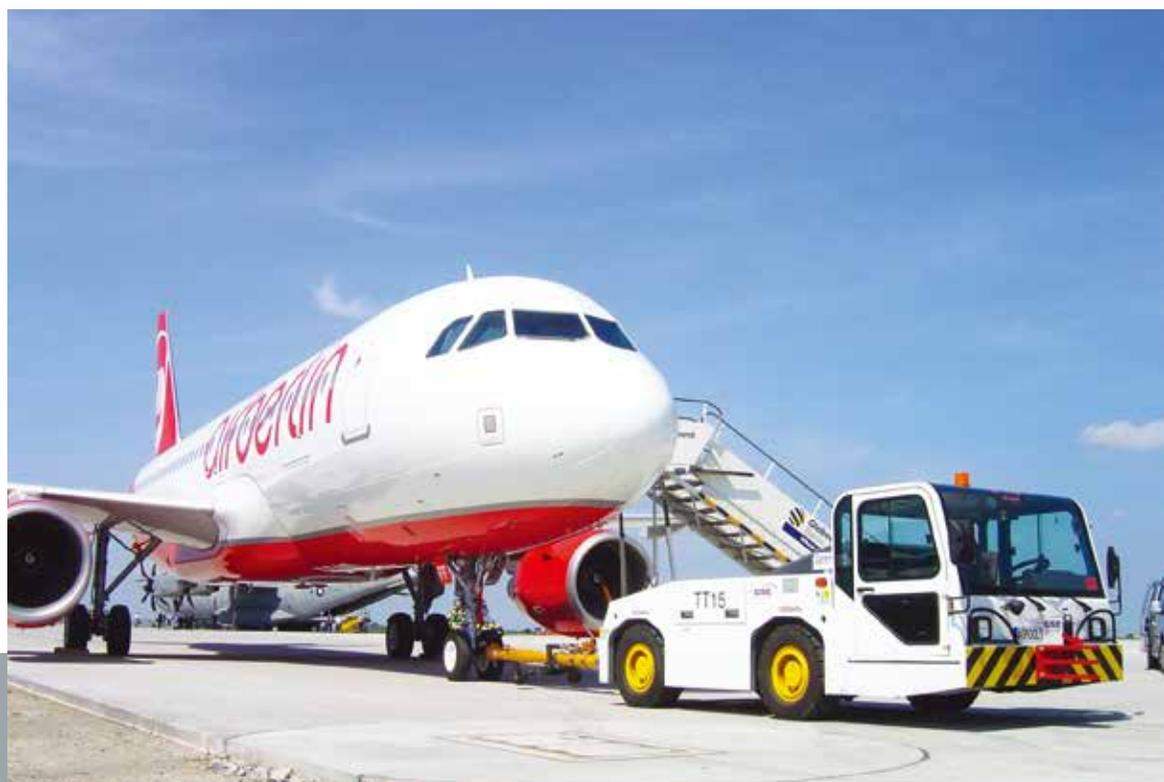
WGQY Series Aircraft Tow Tractor-WGQY15, WGQY27
Weihai Guangtai Airport Equipment Co., Ltd.

3m intelligent buoy combining navigation safety and real-time marine monitoring integrated navigation and marine monitoring system for real-time maritime data
Chengdu Dixin Technology Co., Ltd.