Brazil's Abimaq Launches Actions to Counter US 25% Machinery Tariffs
en.Wedoany.com Reported - Abimaq (Brazilian Machinery and Equipment Industry Association), representing Brazil's machinery and equipment industry, has initiated a series of actions in response to a US government proposal to impose a 25% tariff on Brazilian products, including machinery and equipment. The proposal appears in a preliminary report released by the Office of the United States Trade Representative (USTR), which has opened a public comment period before the final tariff decision, expected in July.
The association stated that the industry had anticipated the return of tariffs, having previously considered this possibility and continuously monitored the process since the initiation of the US trade investigation, which includes comment and public hearing stages before the final decision. As a countermeasure, Abimaq has met with federal government members to discuss responses under this scenario, emphasizing the need for coordination at both diplomatic and technical levels.
Abimaq is also preparing technical input for the US public comment period. Its arguments center on the impact on the supply chains of both countries. Currently, over 80% of Brazil's machinery exports to the US occur within the same corporate group, meaning tariffs would affect investments by conglomerates operating in both countries. Additionally, machinery components, Brazil's second-largest export item to the US, are used in equipment manufacturing within the US, so imposing tariffs would raise costs for US industry itself.
For Brazil, there is a risk of supplier displacement. If tariffs are implemented, other exporting countries could take over the market Brazil currently serves, forcing domestic industry to find new buyers to meet demand. The sector has faced similar situations before, when tariffs on Brazilian machinery reached as high as 50%. Although judicial rulings suspending those tariffs brought relief, the possibility of new measures keeps the industry on constant alert. As a precaution, Abimaq has advised its member companies to evaluate early shipments to the US to mitigate risks of potential short-term changes.
Related Products
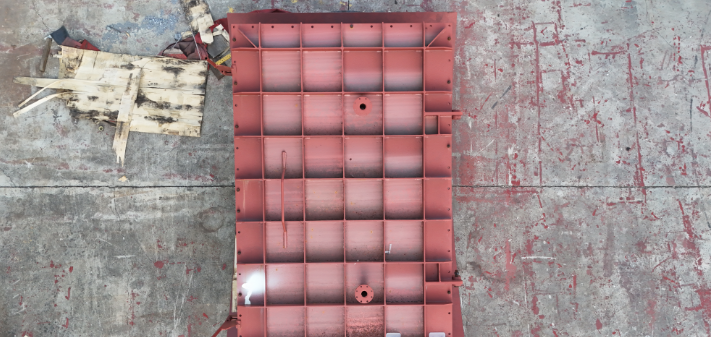


CAP1400 main feedwater flow nozzle flowmeter.
Jiangsu Hongda Instrument Technology Co., LTD.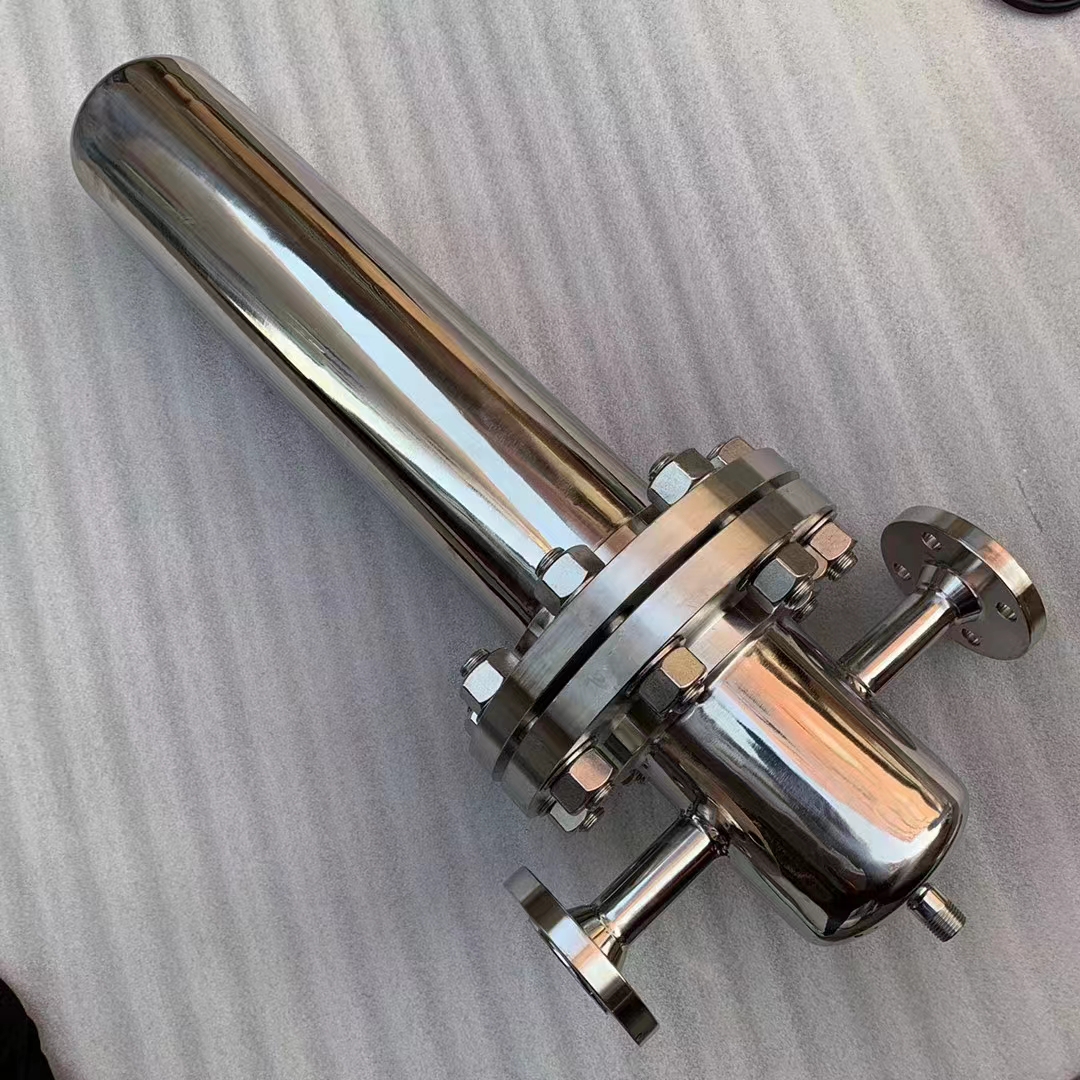
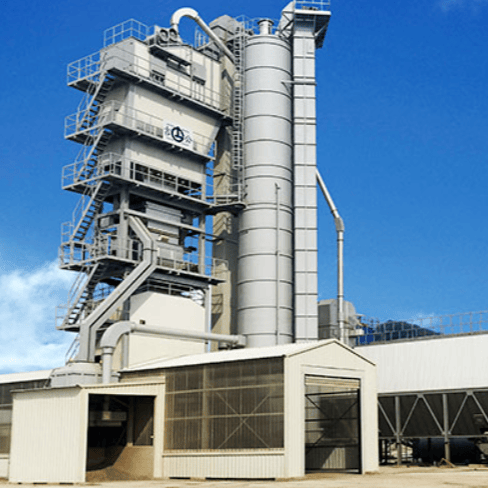
LBH4000 Batch Environmental Protection Asphalt Mixing Plant | Asphalt Batching Plant | Asphalt Mixing Plant
Jilin Province Road Construction Machinery Co., Ltd.
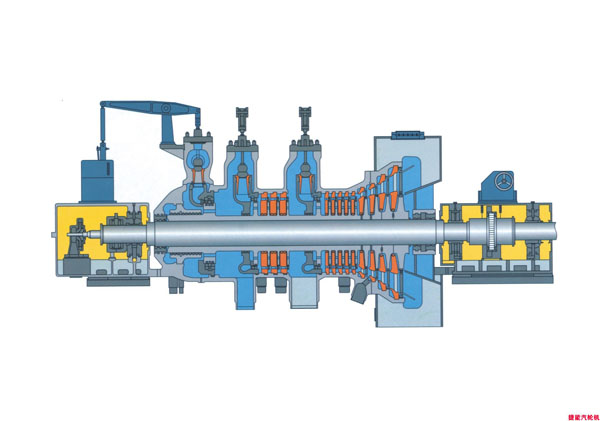
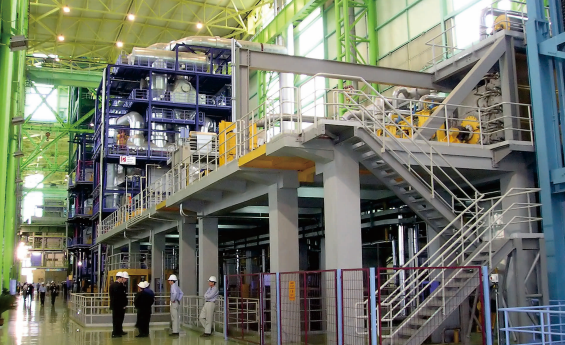
Strip Coating and Plating Production Line Equipment
MCC-SFRE HEAVY INDUSTRY EQUIPMENT CO., LTD.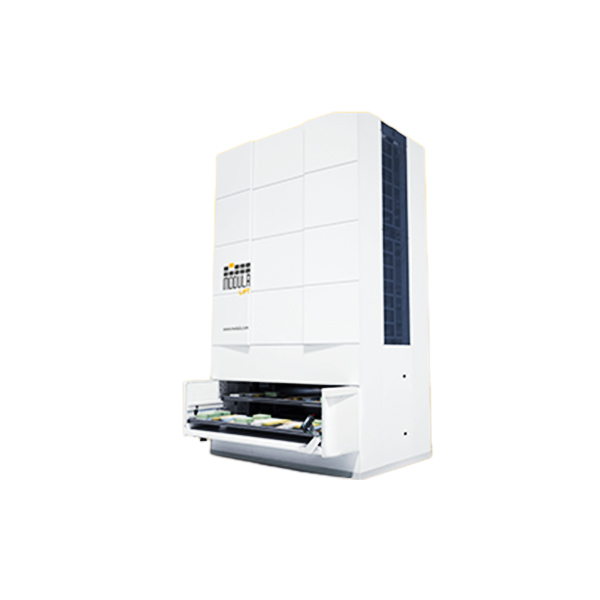
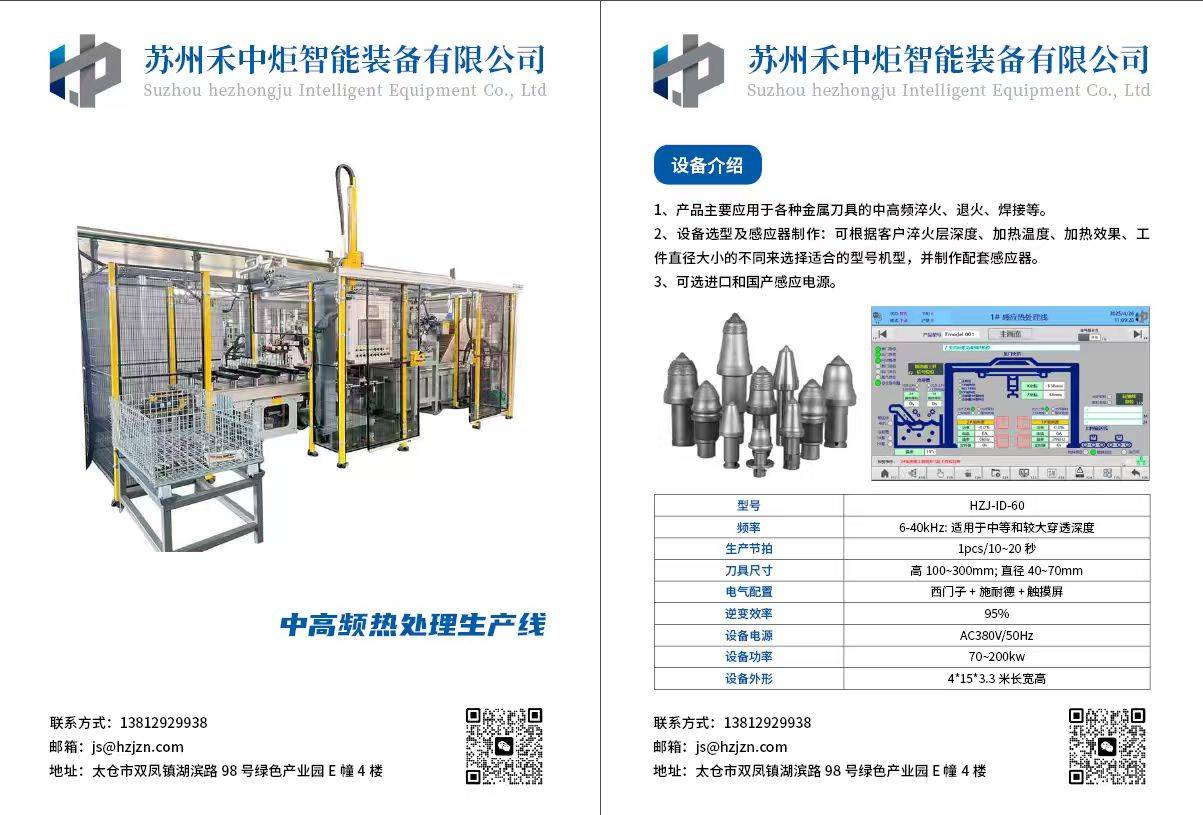
Excavator Bucket Teeth Heat Treatment Production Line
Suzhou Hezhongju Intelligent Equipment Co., Ltd.
Standard Nozzle Flowmeter
Jinggong Automatic Control Instrument Complete Technology Development Company
Pneumatic high-pressure wear-resistant ball valve
Zhejiang Deca Control Valve Meter Co., Ltd.