By 2028, 36% of Italian companies will use robots, with the market size reaching €3.5 billion
en.Wedoany.com Reported - According to recent industry research data, the Italian robotics market is continuously expanding. A report from the Innovation Robotics Observatory at the Polytechnic University of Milan indicates that 28% of Italian companies have already adopted robotic solutions, with this figure expected to rise to 36% by 2028. Considering capital expenditure alone, the current market size is €2.2 billion; when including operational costs, the total reaches €3.5 billion. The average annual robotics-related expenditure per company is €456,000, with a significant gap between large enterprises (€700,000) and small businesses (€160,000).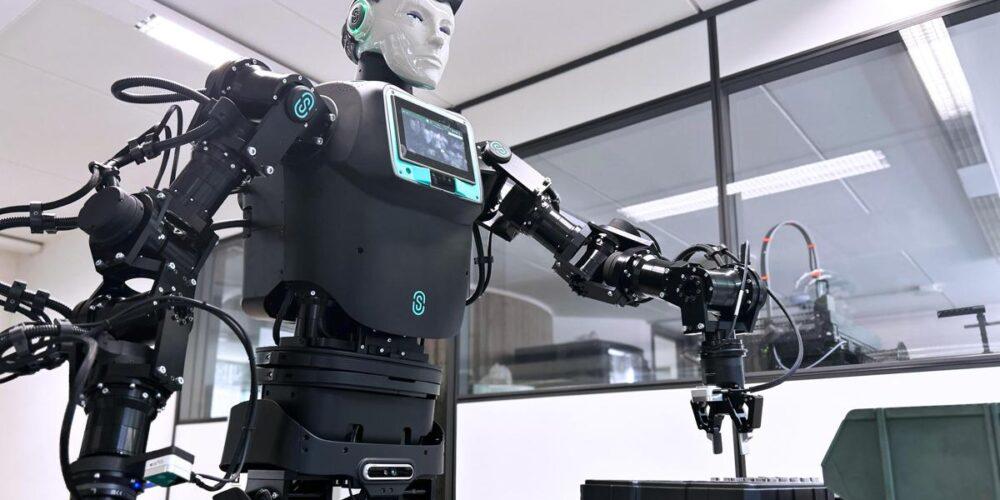
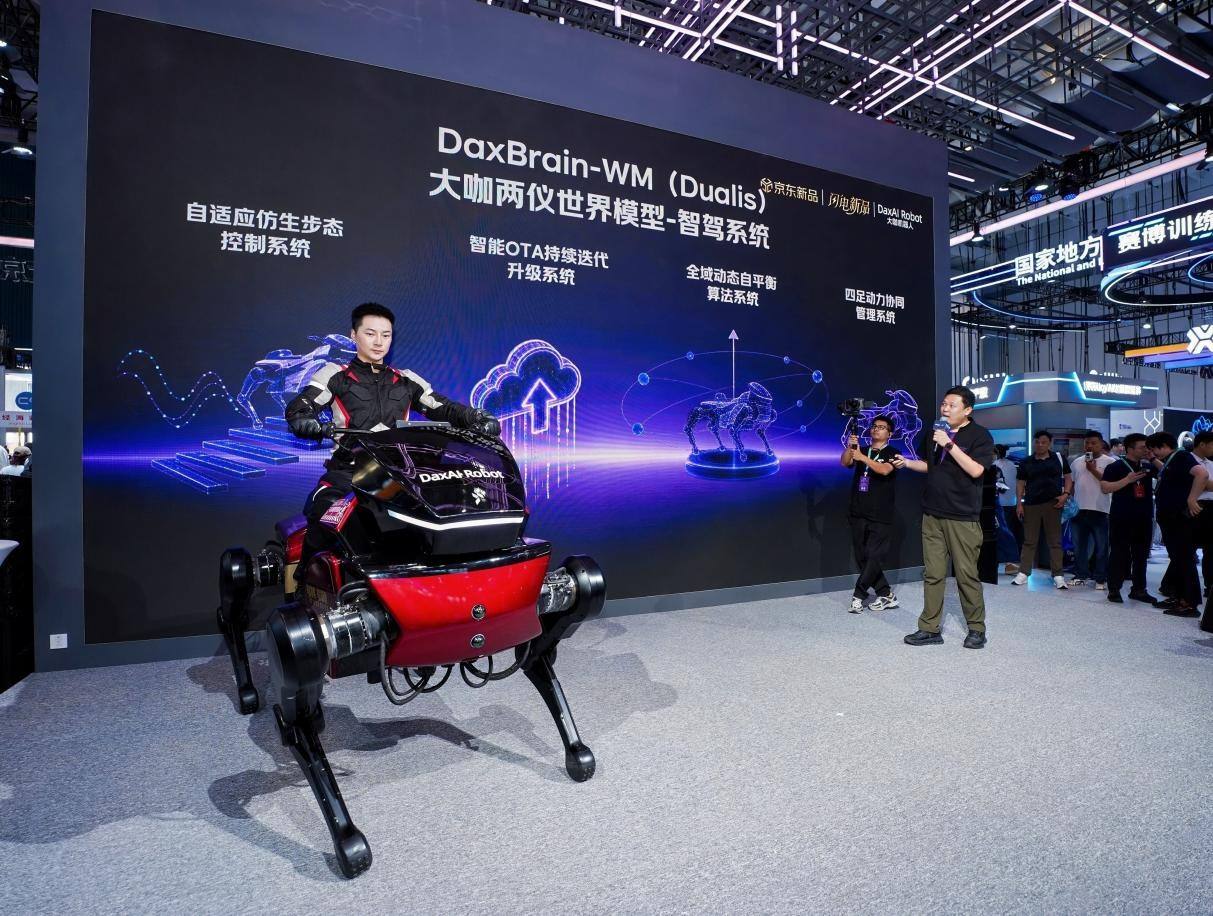
In terms of installed equipment types, traditional industrial robotic arms still dominate, accounting for 82%. However, investment prospects over the next three years show a clear shift toward emerging robot types: collaborative robots are expected to increase from 25% to 34%, autonomous mobile robots from 24% to 30%, and humanoid robots, currently at just 3%, are projected to reach 11% by 2028.
In application cases, California-based humanoid robot company Figure AI recently conducted a 200-hour live stream, showcasing its Figure 03 robot's ability to sort packages. During the marathon task, the robot sorted 249,560 packages and engaged in a ten-hour sorting competition against a human intern. The result showed a narrow human victory: the human sorted 12,924 packages, while the robot sorted 12,732; the human operator averaged 2.79 seconds per package, compared to the robot's 2.83 seconds.
The report notes that humanoid robots remain a niche in Italy's industrial sector. Among companies that have invested in robots, only 3% are experimenting with humanoid robots, but 35% do not rule out investing in them in the coming years. Key drivers of this interest include assigning the most dangerous, repetitive, or high-wear tasks to robots (cited by 70% of respondents) and addressing labor shortages in production departments. Sixty percent of Italian companies view robotics technology as a concrete means to counter population decline and future workforce reductions, while 41% of companies that see robots as a solution to labor shortages currently operate in processes with zero or low automation potential.
Regarding the global startup landscape, since 2020, 493 related companies have been established across 39 countries, raising a cumulative $7.39 billion. Italy has only 10 companies, accounting for 2% of the global total, with funding slightly exceeding $120 million. Among companies that have not invested in robots, 51% cite an uncertain regulatory environment, lacking a unified legal definition for robots and specific technical standards for humanoid robots, as the main obstacle.
Employment data shows that the relationship between robots and work is not simply one of replacement. While some activities will be automated, demand is growing for professionals skilled in designing, developing, implementing, and maintaining robotic systems. Companies that have invested prioritize benefits in productivity (75% of respondents) and process quality (65%), with increasing attention also given to data analysis and operational flexibility.
Related Products


Strip Coating and Plating Production Line Equipment
MCC-SFRE HEAVY INDUSTRY EQUIPMENT CO., LTD.



Industrial and Commercial Point-Type Gas Detector
Jinan Benan Technology Development Co., Ltd.
Pneumatic high-pressure wear-resistant ball valve
Zhejiang Deca Control Valve Meter Co., Ltd.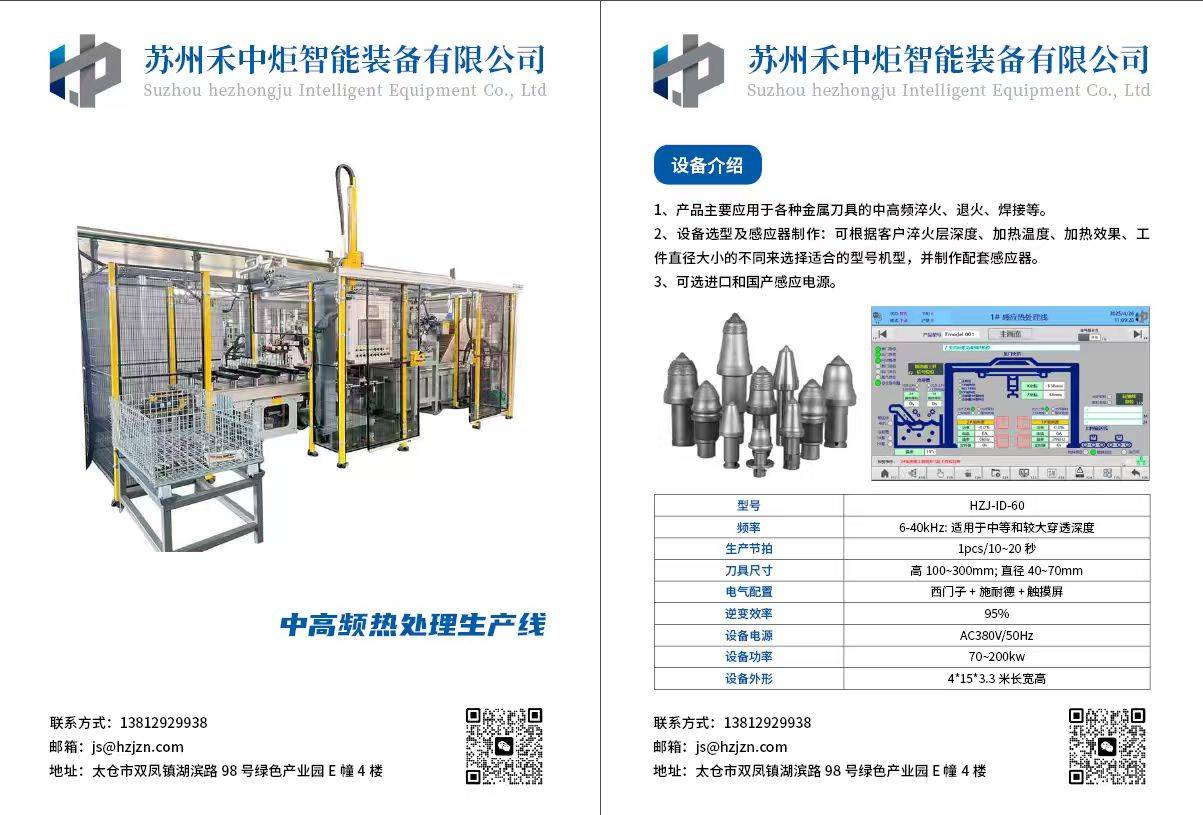
Excavator Bucket Teeth Heat Treatment Production Line
Suzhou Hezhongju Intelligent Equipment Co., Ltd.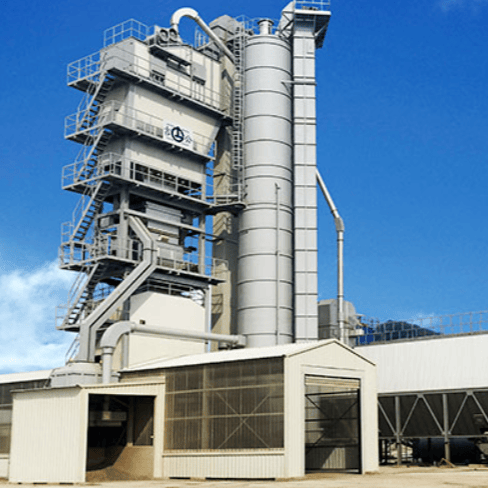
LBH4000 Batch Environmental Protection Asphalt Mixing Plant | Asphalt Batching Plant | Asphalt Mixing Plant
Jilin Province Road Construction Machinery Co., Ltd.