Australia's Abberfield Water Filling Station Helps Tackle 2026 Drought
en.Wedoany.com Reported - Predictive tools show that data such as the NSW Combined Drought Indicator indicate that drought conditions will expand in 2026, providing a critical window for communities to act early and plan ahead.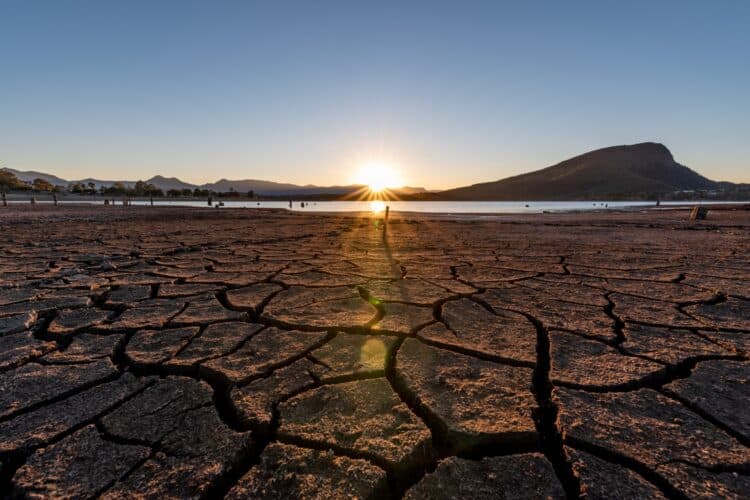
Australia is known for its extreme climate, with floods and droughts alternating. In August 2025, New South Wales and Queensland had just experienced heavy rainfall, but both regions are already drying out again. Across the country, regions experience a return of drought every 7 to 10 years. The Tinderbox Drought in southeastern Australia from 2017 to 2019 remains a stark example of how severe drought periods can become and that preparations cannot be delayed too long. Even between major events, localized drought conditions continue to impact communities, reinforcing the need for stable and reliable water access.
Remote areas of Australia are evolving. More people are choosing to live, work, and travel in rural regions, bringing new vitality to local economies while also increasing demand for critical infrastructure. The surge in domestic tourism means more people rely on accessible water sources as they travel through these communities.
As demand grows, so does the importance of systems that can keep pace to ensure continued water access for residents, agriculture, and tourists. Preparation remains the most effective tool against drought, and water security is at its core. Communities that invest in practical, scalable solutions are better able to support households, agriculture, and local industries when conditions become tight. This includes not only securing supply but also ensuring water is accessible where and when it is needed. Government funding plays a significant role, but equally important are on-the-ground systems that provide reliable daily access and flexibility during periods of stress.
The risks of inadequate preparation are well known. Water shortages can disrupt local economies, strain households, and force farmers and businesses to make difficult decisions. However, the focus is increasingly shifting to the value of acting early. Investing in water infrastructure reduces long-term economic pressure, supports community stability, and helps remote areas remain productive during drought periods.
Water security is often defined from a supply perspective—dams, pumps, and treatment plants. But supply is only part of the story. Distribution—especially for areas not connected to town water networks—is equally critical and often overlooked.
Without reliable access points, even a well-managed supply system may fall short. Ensuring water is efficiently delivered to end users is a key part of building resilience. This highlights the practical role of water distribution.
Australian company Abberfield manufactures water filling stations designed to make water access easier for remote and rural communities. From large tanker fills to smaller needs like 1000-liter water bladders and caravans, these systems are designed to serve a range of users, from farmers to passing travelers. Installed at locations such as information centers and service points, they extend water access beyond traditional networks and support the growing needs of remote areas. Through an online portal, operators can adjust pricing, manage usage, and set limits as conditions change, helping to balance supply and demand. Features such as tiered pricing, volume limits, and controlled free access options ensure water remains available even during more challenging periods.
This flexibility is further extended through an account-based system. Drought cards allow municipalities and operators to offer discounted or free water to eligible users, with pricing and limits easily adjusted as conditions change.
Companies like Abberfield are increasingly part of a shift toward practical, localized water solutions. This Australian-owned company designs and manufactures water filling stations adapted to remote conditions, working with municipalities and operators to improve access, control, and reliability. As climate variability continues, such infrastructure will play an increasingly important role in helping communities not just react to drought, but be prepared for it at all times.
Related Products


Acoustic Mineral Fiber Ceiling Tile 595x595x12mm
Shanxi Pano Trading Co., Ltd

Ultra-Pure Ferrite Stainless Steel Products
Gansu JISCO Group Hongxing Iron and Steel Co., Ltd.
West China Xiamen Hospital of Sichuan University
Wuhan Huakang Century Clean Technology Co., Ltd.
Industrial and Commercial Point-Type Gas Detector
Jinan Benan Technology Development Co., Ltd.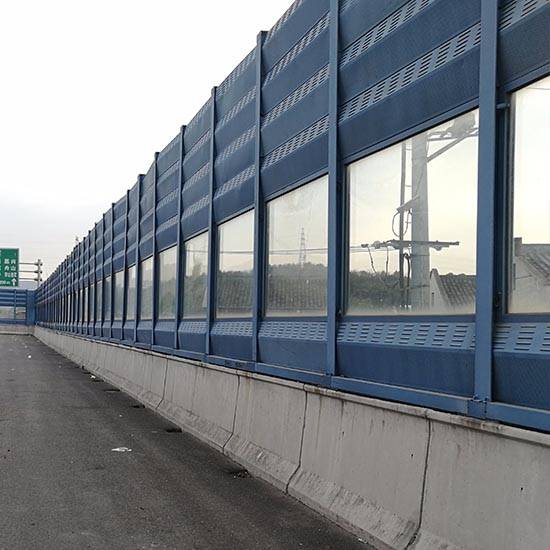
Metal sound barriers that can reduce the transmission of road noise
Hebei Jinbiao Construction Materials Tech Corp., Ltd.

Pure Polyurethane Wall Panel BD-AEF-PIR-01
Baodu International Engineering Technology Co., Ltd.
ERW Welded Pipe (Black Pipe and Hot-dip Galvanized Steel Pipe)
Handan Zhengda Steel Pipe Co., Ltd.
Bidirectional Metal Hard Sealed Seawater Butterfly Valve
Henan Quanshun Flow Control Science & Technology Co., Ltd.