en.Wedoany.com Reported - The sustained price increase of DDR5 memory is forcing Intel to restart production of older processors that support DDR4 memory.
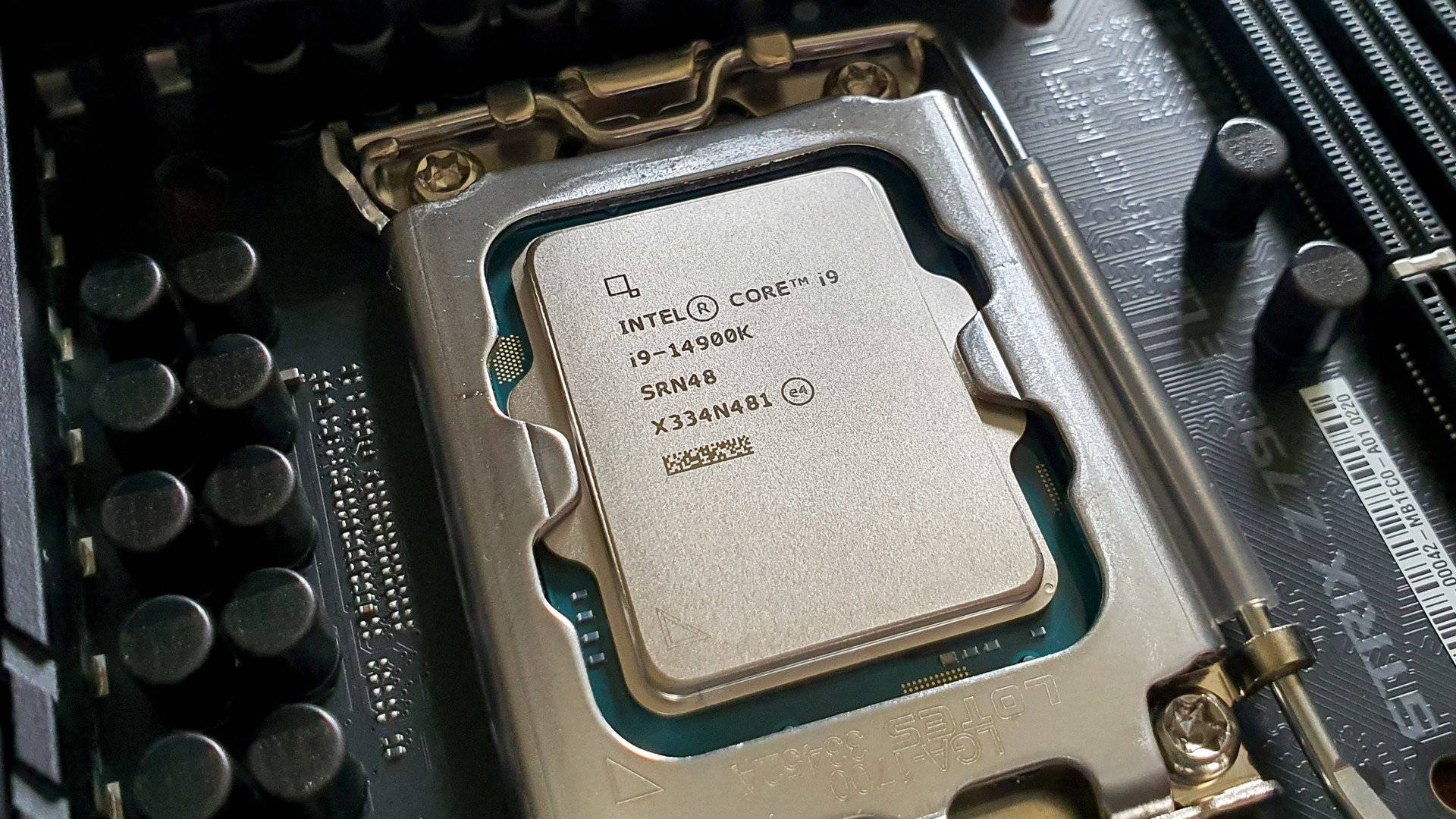
By convention, Intel phases out previous-generation processors after the launch of a new generation. For example, Arrow Lake was expected to replace the 13th-gen Raptor Lake series, while the upcoming Nova Lake would end the lifecycle of the 14th-gen Raptor Lake Refresh. However, the sharp fluctuation in DDR5 memory prices has disrupted this rhythm. In March this year, Intel launched a "Refresh" version of the Arrow Lake processor, including two specific models: Core Ultra 250K Plus and 270K Plus. The market initially expected these two chips to mark the end of the LGA-1851 socket, which would later be replaced by the LGA-1954 used by Nova Lake, with future platforms supporting only DDR5 memory. Yet, the dramatic changes in the memory market have forced Intel to adjust its strategy: although DDR4 memory prices have also risen, their cost-effectiveness remains superior to DDR5.
This development has been confirmed by sources from the Chinese market. It is reported that Intel has resumed production of 13th-gen and 14th-gen Core chips, which are based on the Raptor Lake and Raptor Lake Refresh architectures. This production restart is primarily targeting the Chinese market, especially the OEM (Original Equipment Manufacturer) and DIY (Do-It-Yourself) segments. The key advantage of these older processors is their ability to support either DDR4 or DDR5 memory depending on the motherboard used, offering users flexible choices. Although China is catching up in DDR5 production capacity, it currently cannot fully meet market demand or reverse the price upward trend. Information from ChannelGate also indicates a significant increase in inventory for 10th-gen, 12th-gen, 13th-gen, and 14th-gen Intel processors.
It should be noted that this production restart is unrelated to Intel's previously mentioned "Raptor Lake Next" chips, which are new products based on the third-generation Raptor Lake architecture and are scheduled for launch early next year. Intel's current move is more about restarting supply of mature products to address market pressure caused by DDR5 price hikes.