South Korea's LG U+ Launches Ixi-O Roaming Calls, Aiming to Cover 100 Countries by Second Half of the Year
en.Wedoany.com Reported - LG U+ announced on the 5th that it has launched a free overseas call service called "Ixi-O (ixi-O) Roaming Calls," starting with Japan, and plans to expand the service coverage to approximately 100 countries within the second half of this year.
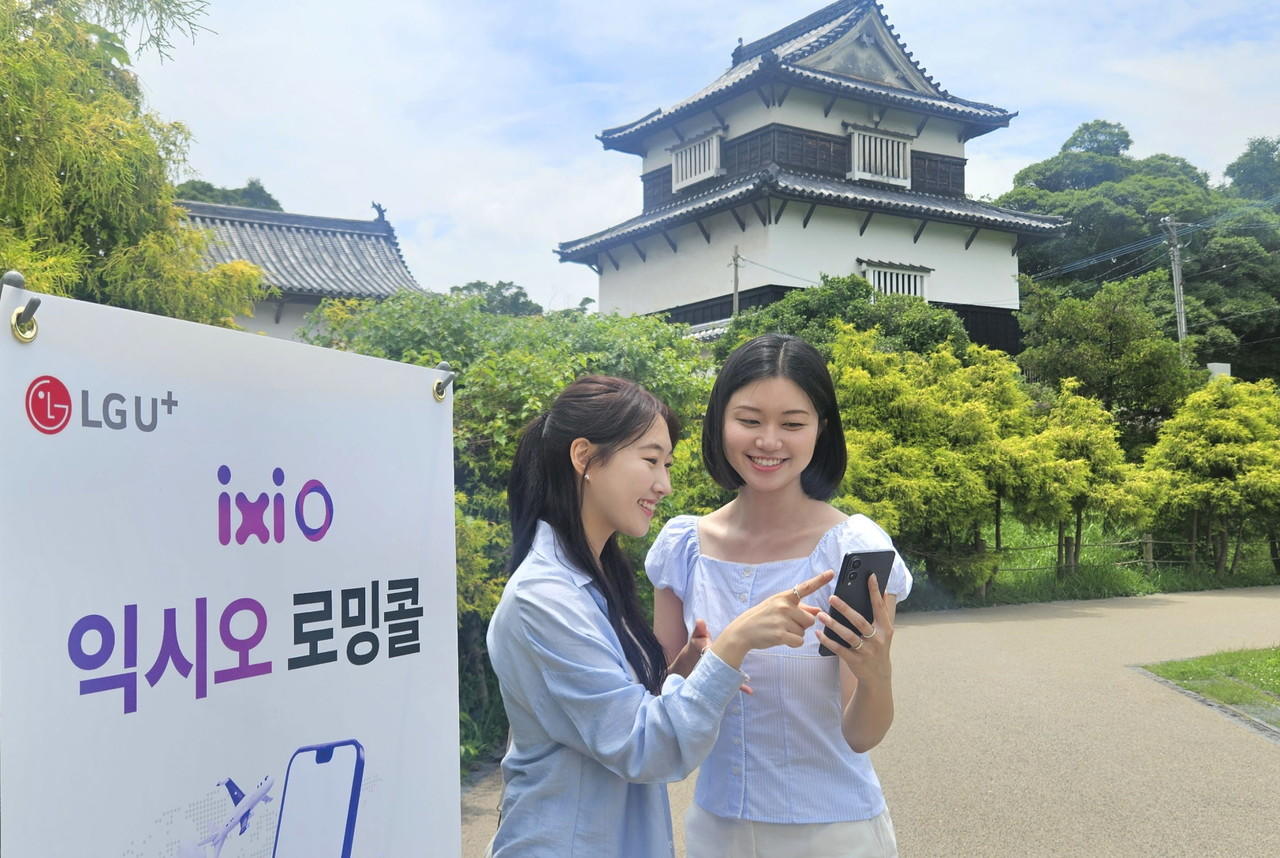
This service is provided to users of the AI calling application "Ixi-O (ixi-O)." When users subscribe to a U+ roaming plan or use a Wi-Fi environment for voice calls, they are not charged international call fees. Ixi-O Roaming Calls require no additional setup; users simply switch between domestic or overseas mode within the Ixi-O app to use the service. For general users who have not separately subscribed to a roaming plan, they can also make and receive calls for free via Ixi-O Roaming Calls when connected to Wi-Fi abroad.
Earlier this year, LG U+ conducted a qualitative survey and customer experience (NPS) analysis among customers who had used roaming services in the past year. The results showed that abroad, users tend to avoid voice calls due to cost burdens and usage uncertainties, opting instead for instant messaging applications. In the survey, users repeatedly reported, "I rarely use regular calls because I'm worried about high costs" and "I wish I could make calls directly without additional setup, just like at home." Based on this, LG U+ stated that the launch of this service aims to alleviate the burden of call costs incurred during overseas travel or business trips and to provide a calling environment similar to that at home.
To launch this service, LG U+ collaborated with overseas telecommunications companies to conduct quality checks, verifying the stability of call quality and the smooth operation of Ixi-O's main features in a roaming environment beforehand, with a focus on providing a user experience comparable to domestic levels. Ixi-O Roaming Calls will start with Japan and expand to approximately 100 countries worldwide within the second half of this year. LG U+ will consider differences in call quality due to the network environments of various countries, focusing on regions with high demand from Korean users, such as Southeast Asia, China, and Europe, to check service stability and expand coverage in phases.
Related Products


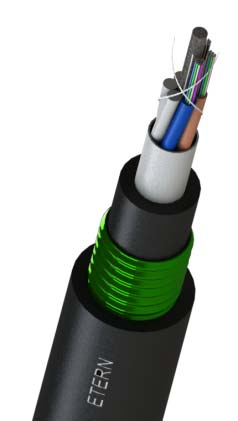
GYTA Type Non-Self-Supporting Aerial/Duct Optical Cable
TONGDING INTERCONNECTION INFORMATION CO., LTD.




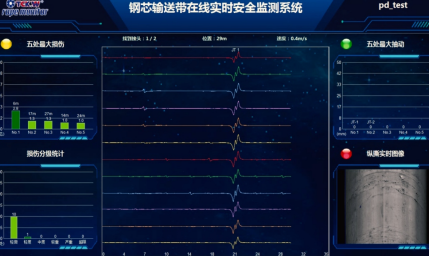
Conveyor Belt Intelligent Monitoring System
LUO YANG WIRE ROPE INSPECTION TECHNOLOGY CO., LTD.

Mine Explosion-proof and Intrinsically Safe Industrial Ethernet Ring Network (10 Gigabit/Gigabit)
Chongqing Mas Sci&Tech Co., Ltd.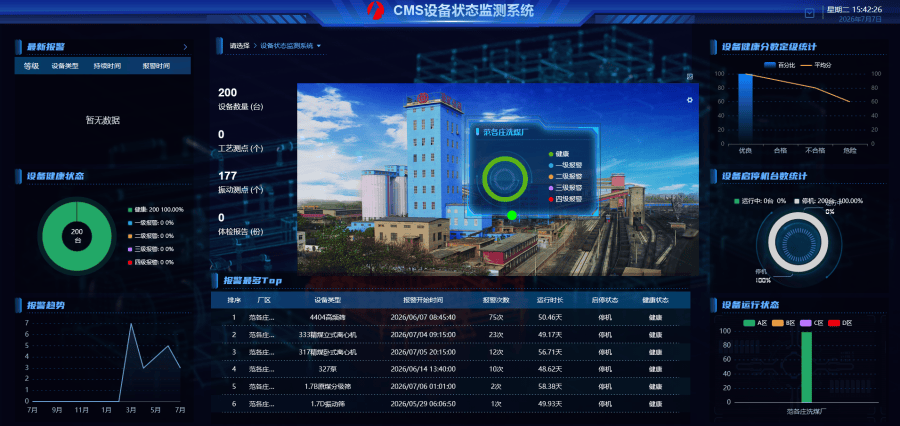

Hot Selling 10 Inch Intel N5100 I5 I7 FHD 8 +128GB 16+256GB Win10 Pro Win11 Pro 4G 5G Rugged Tablet PC Pad with NFC Barcode
Highton Electronics Co., Ltd.