ExxonMobil Abandons 850,000 Acres of Carbon Sequestration Leases in the Gulf of Mexico
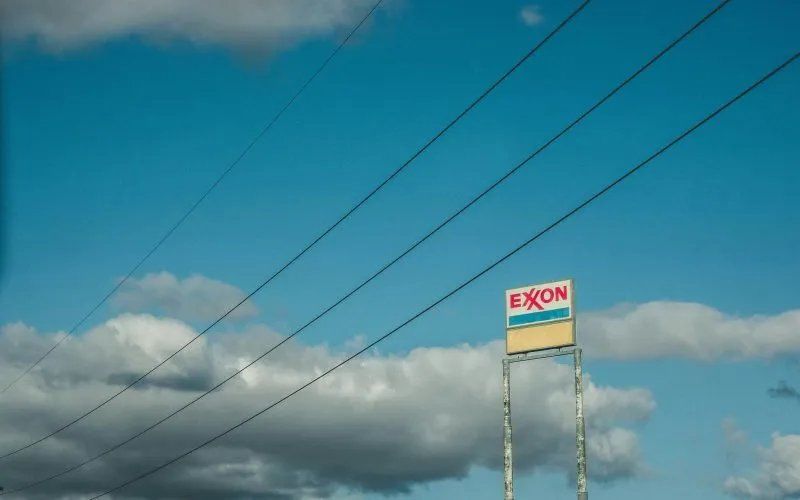
en.Wedoany.com Reported - ExxonMobil has notified the U.S. Department of the Interior that it will not renew 163 federal shallow-water leases in the Gulf of Mexico, covering approximately 850,000 acres.

The oil giant acquired these areas for less than $25 million in lease sales in 2021 and 2023. Although these areas are typically considered marginal for conventional oil and gas extraction, they were once regarded as having high potential for large-scale subsea carbon dioxide storage.
Federal authorities had formally accepted multiple lease abandonments by mid-June, marking a significant retreat by the company from the federal outer continental shelf.
For years, ExxonMobil has continuously lobbied the Bureau of Ocean Energy Management (BOEM) and the Department of the Interior to establish a legal framework allowing the conversion of traditional oil and gas leases into dedicated carbon sequestration blocks.
The Department of the Interior's delay in establishing an offshore framework has stifled commercial certainty. Earlier this month, the department removed the highly anticipated offshore carbon dioxide storage rulemaking from its near-term agenda, pushing the regulatory framework more than three years past the original statutory deadline set by Congress.
Analysts point out that without a clear federal regulatory roadmap, the economic burden of holding these leases has become untenable. Jack Andreasen Cavanaugh, an energy policy researcher at Columbia University, stated that without clarity on when regulatory certainty can be achieved, lease renewals lack meaning.
This large-scale abandonment should not be misinterpreted as ExxonMobil losing interest in the carbon management industry. The company's core focus is on onshore carbon capture-as-a-service operations, relying on agreements with large emitters along the Gulf Coast industrial corridor, with expansion reportedly exceeding internal forecasts. This move reflects a pragmatic response to bureaucratic gridlock: the company is shifting capital from stalled federal waters to onshore and state waters projects where permitting is advancing and revenue is closer to realization.
Related Products


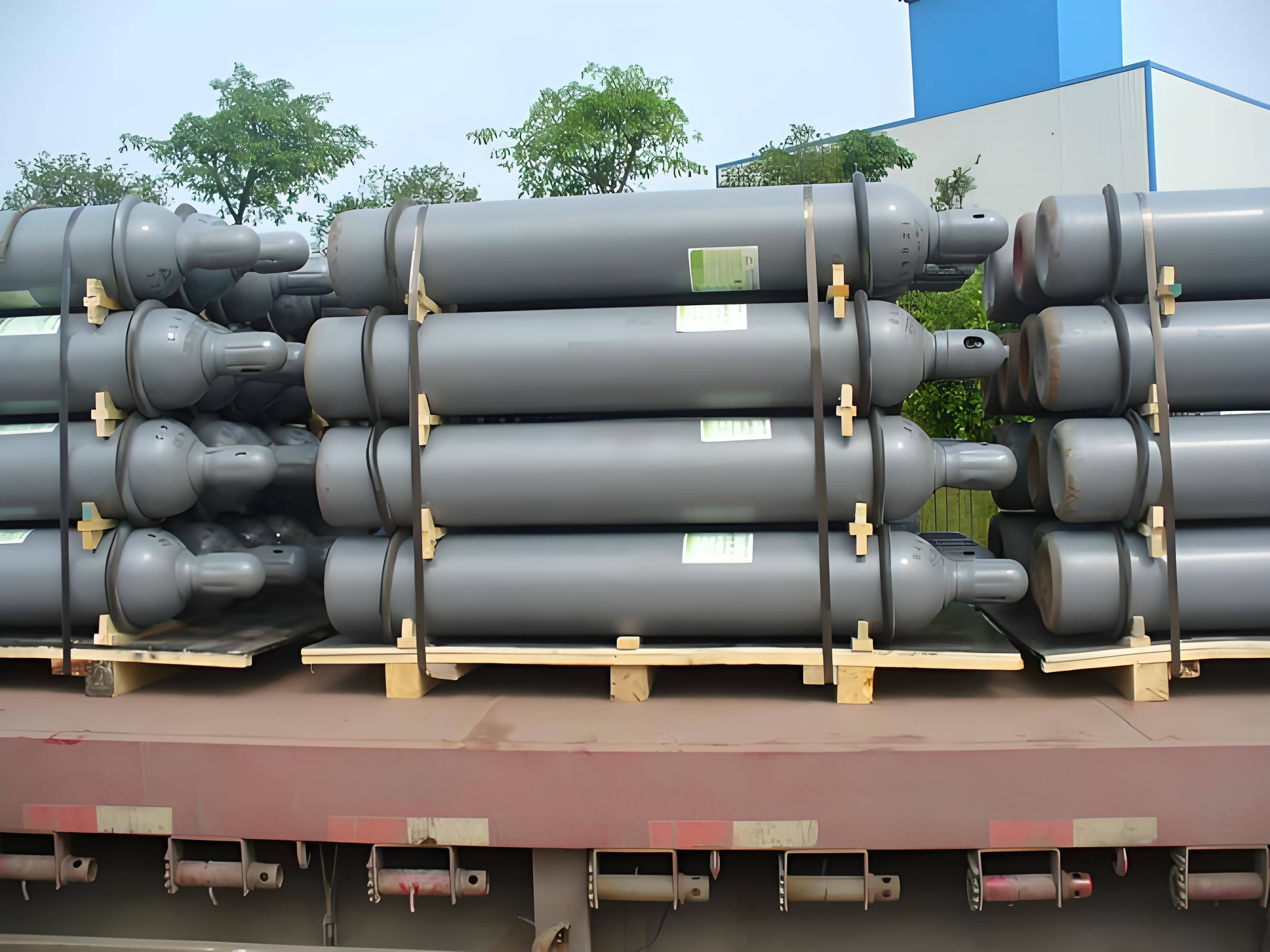
Global Sulfur Hexafluoride Gas Supply and Cylinder Export
Foshan Yuexin Industrial Gas Co., Ltd.
Prefabricated Houses and Electrical Energy Boxes
Chengdu Ruilong Machinery Manufacturing Co., Ltd.
Bidirectional Metal Hard Sealed Seawater Butterfly Valve
Henan Quanshun Flow Control Science & Technology Co., Ltd.
KYN28-12/24 Indoor High-Voltage Metal-Clad Removable Switchgear
Shenzhen Zhaoyang Hui Technology Co., Ltd.