China's Meituan Open-Sources AI Model LongCat-2.0, Chip Manufacturers Achieve Synchronized Adaptation
en.Wedoany.com Reported - On July 6, China's Meituan officially open-sourced all model weights, inference engine, and core technical documentation for LongCat-2.0. On the same day, domestic chip manufacturers including China's Huawei Ascend, China's Moore Threads, and China's Muxi Co., Ltd. completed inference adaptation synchronously, promoting the deployment and verification of trillion-parameter large models on domestic computing platforms.
The core highlight of LongCat-2.0 is integrating "domestic large models" and "domestic computing power" into the same training and inference pipeline. Previously released information from China's Meituan shows that the model has a total parameter scale of 1.6T, with an average of approximately 48B activated parameters, natively supports a super-long context of 1 million tokens, and is designed for real-world Agentic Coding tasks. The entire training and inference process relies on a domestic computing cluster of 50,000 cards, with systematic optimizations for code understanding, code generation, task execution, and long document processing. Unlike merely open-sourcing model weights, this release also includes the inference engine and core technical documentation, meaning developers and chip manufacturers can not only call the model but also continue engineering optimizations for deployment efficiency, memory usage, communication scheduling, and inference throughput.
The synchronized adaptation by domestic chip manufacturers is the more noteworthy aspect of this open-source release. China's Moore Threads has completed adaptation for LongCat-2.0 based on its AI training-inference integrated GPU computing card MTT S5000 and MUSA software stack, covering model loading, inference engine startup, key operator optimization, deployment verification, and accuracy validation. After platforms from China's Huawei Ascend and China's Muxi Co., Ltd. complete adaptation, LongCat-2.0 will no longer be just a demonstration of model capabilities but will enter the actual deployment phase within the domestic AI chip ecosystem.
Over the past three years, China's Meituan LongCat team has continuously addressed issues such as operator adaptation, communication optimization, and distributed stability. These efforts determine whether a trillion-parameter model can run stably on domestic computing clusters. Large model training is not just about having "enough cards"; it also involves cluster interconnection, communication efficiency, fault recovery, accuracy maintenance, memory management, inference engine adaptation, and software stack coordination. If LongCat-2.0 can run successfully on more domestic chip platforms, it will help activate existing domestic computing resources and shift the synergy of "domestic chips + domestic models" from individual project validation to a larger-scale developer ecosystem. The real test going forward lies in whether enterprises can use these domestic chips to deploy LongCat-2.0 for code generation, Agent tasks, enterprise automation, and long-text processing, rather than just completing lab-level adaptation.
For the AI industry chain, this open-source release will transmit opportunities to multiple segments. Chip manufacturers need to continue optimizing operator libraries, compilers, communication frameworks, and inference backends; server manufacturers need to perform full-machine adaptation, cooling, power supply, and cluster management around domestic AI cards; cloud service providers and enterprise users will focus on model deployment costs, inference speed, context processing capabilities, and actual task success rates. The open-sourcing of LongCat-2.0 itself will not directly solve all problems in the domestic computing ecosystem, but it provides a trillion-parameter model-level public test object, allowing model teams, chip manufacturers, framework developers, and enterprise users to adapt, optimize, and verify around the same model.
Related Products


Multi-function Marine Monitoring Low-altitude Detection Radar Sea-air Boundary Ocean Dynamic Environment Measurement
Chengdu Dixin Technology Co., Ltd.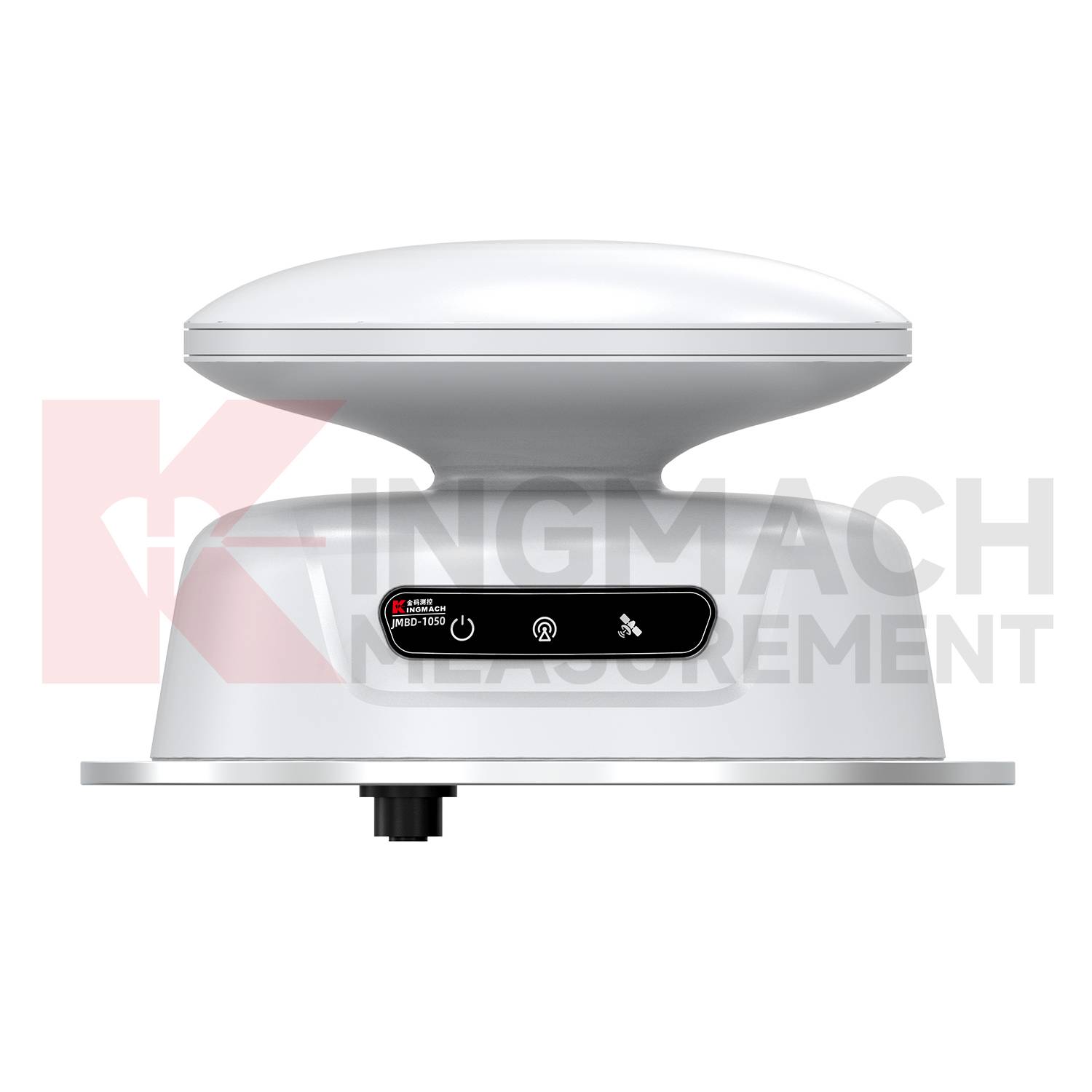
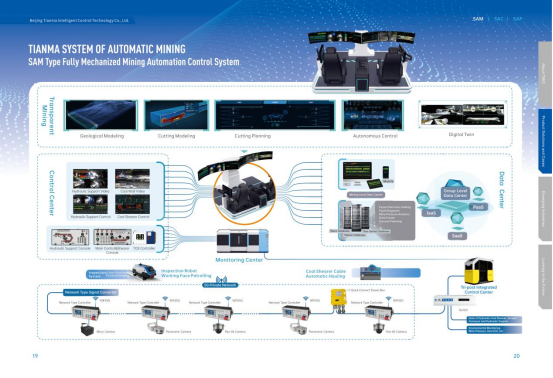
Comprehensive Mining Automation Control System
Beijing Tianma Intelligent Control Technology Co., Ltd.
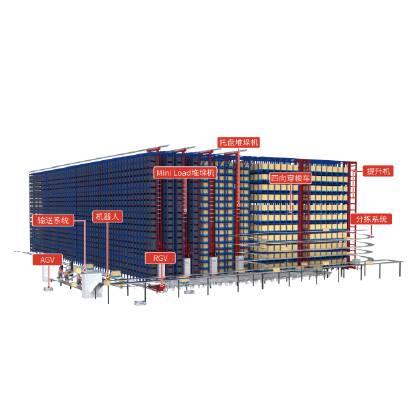


Automatic Aiming Laser Remote Obstacle Removal Robot
Pinggao Group Weihai High-Voltage Apparatus Co., Ltd.
GYTA Type Non-Self-Supporting Aerial/Duct Optical Cable
TONGDING INTERCONNECTION INFORMATION CO., LTD.
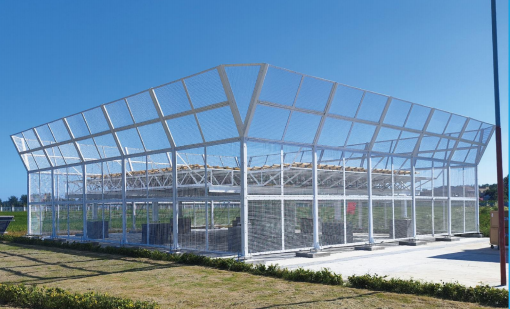
TWP16 P-Band Tropospheric Wind Profile Radar
China Huayun Meteorological Technology Group Co., Ltd.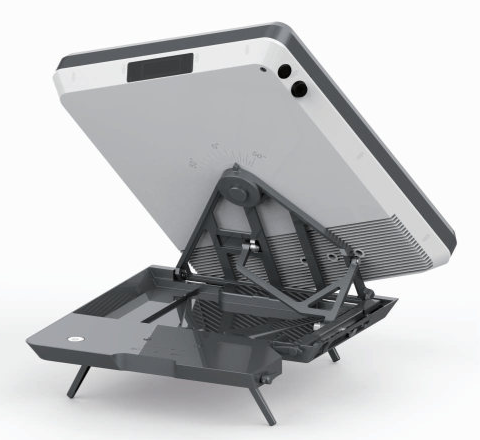
Flat Portable Satellite Terminal 0.35m Aperture Manual Portable Terminal
China Starwin Science & Technology Co., Ltd.