Samsung Electronics' Q2 profit may reach 86 trillion won, setting another record
en.Wedoany.com Reported - Samsung Electronics' operating profit for the second quarter of 2026 is expected to reach 86 trillion won, approximately $56.35 billion. According to the SmartEstimate model of the London Stock Exchange Group (LSEG), which aggregates forecasts from 30 institutional analysts, this figure represents an approximately 18-fold increase compared to 4.7 trillion won in the same period last year. Samsung Electronics will release its preliminary second-quarter earnings report on July 7.
This remains a market forecast, not the final financial data disclosed by Samsung Electronics. If the forecast materializes, Samsung Electronics will set a new record for corporate operating profit for the third consecutive quarter. In the previous memory cycle, Samsung Electronics' profitability mainly relied on AI-related products such as high-bandwidth memory; the change this time lies in the simultaneous strengthening of demand for DRAM, NAND flash, and server storage, with memory products no longer seeing a single category rise but entering a broader price upcycle.
The global memory chip market remains in a state of tight supply. The expansion of AI inference infrastructure is reshaping the demand structure for server memory and storage. Agent-based intelligence, multi-step task execution, and long-context applications will require servers to have larger memory capacity, higher data throughput, and more flash storage space. The capacity deployment pace of memory manufacturers such as Samsung Electronics, SK Hynix, and Micron Technology is unlikely to fully match the procurement rhythm of cloud service providers, AI infrastructure, and terminal equipment manufacturers in the short term. Multiple institutional analysts believe the supply-demand tightness may extend into 2027.
Price increases have directly raised profit expectations. According to price monitoring by Citigroup Research, the average selling price of DRAM chips rose 44% quarter-over-quarter in the second quarter, while the average selling price of NAND flash rose 53% quarter-over-quarter. As a key memory supplier to companies such as Nvidia, Google, and Apple, Samsung Electronics is securing more orders amid the simultaneous growth in demand for AI servers, consumer electronics, data centers, and terminal equipment. Compared to relying solely on high-bandwidth memory, this round of profit expectations also includes price contributions from traditional DRAM and NAND flash, which is a key reason the market has pushed the second-quarter operating profit forecast to a record high.
Risks remain concentrated on two variables: whether AI infrastructure investment can maintain its intensity, and whether memory price increases will affect the procurement pace of downstream customers. If cloud computing companies slow capital expenditure or terminal equipment manufacturers adjust inventory due to cost pressures, the pace of memory price increases may slow. Samsung Electronics' preliminary earnings report on July 7 will serve as a key milestone to test the strength of this memory super cycle.
Related Products


Automatic Aiming Laser Remote Obstacle Removal Robot
Pinggao Group Weihai High-Voltage Apparatus Co., Ltd.
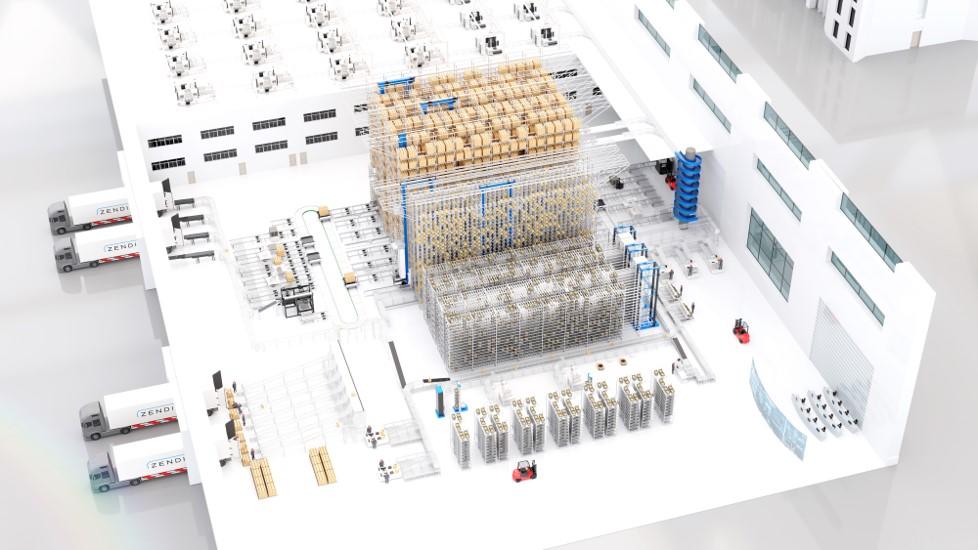
One-Stop Steward Service for the Entire Logistics System Integration Chain
Zhongding Intelligent (Wuxi) Technology Co., Ltd.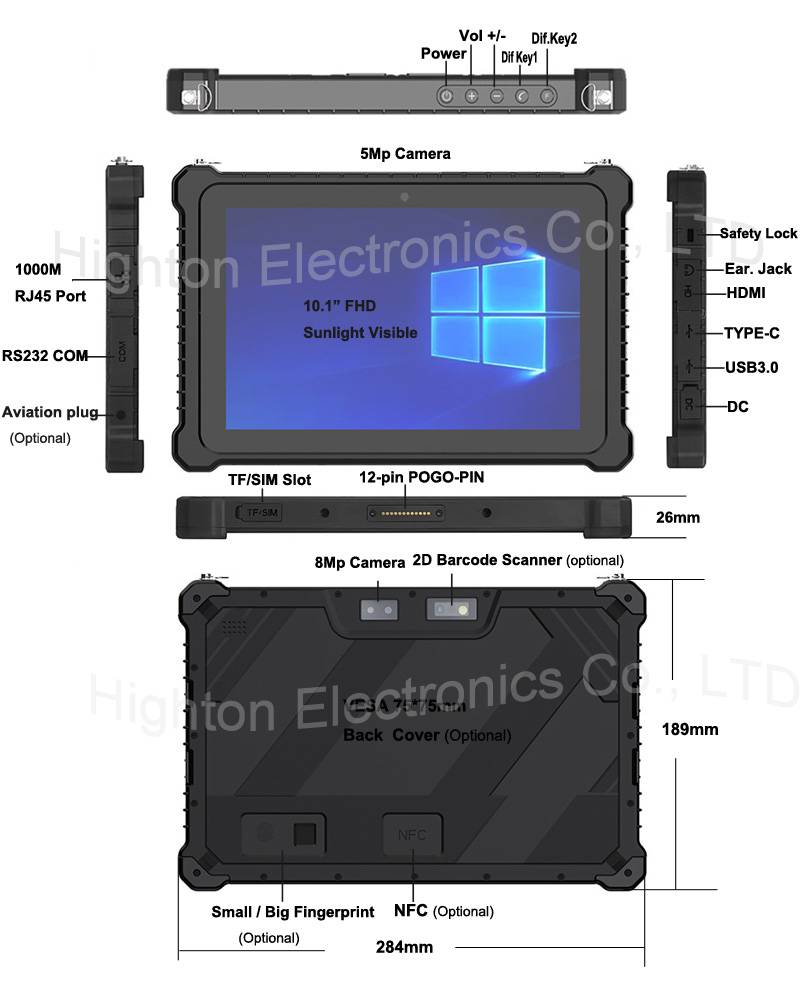
Hot Selling 10 Inch Intel N5100 I5 I7 FHD 8 +128GB 16+256GB Win10 Pro Win11 Pro 4G 5G Rugged Tablet PC Pad with NFC Barcode
Highton Electronics Co., Ltd.


Multi-function Marine Monitoring Low-altitude Detection Radar Sea-air Boundary Ocean Dynamic Environment Measurement
Chengdu Dixin Technology Co., Ltd.
Flat Portable Satellite Terminal 0.35m Aperture Manual Portable Terminal
China Starwin Science & Technology Co., Ltd.
Conveyor Belt Intelligent Monitoring System
LUO YANG WIRE ROPE INSPECTION TECHNOLOGY CO., LTD.