UAE's June Oil Exports Hit Record 3.8 Million Barrels Per Day, Gulf Total Exceeds 10 Million Barrels
en.Wedoany.com Reported - Gulf oil exports surged in June compared to May, increasing by over 3 million barrels per day, with total daily exports surpassing 10 million barrels. The U.S. military assisted in securing the oil transport route through the Strait of Hormuz, but regional exports remain 40% below pre-conflict levels.
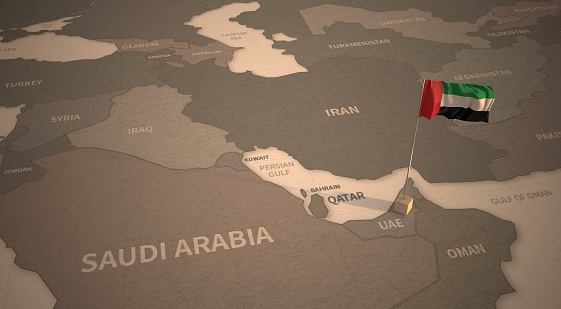
The United Arab Emirates (UAE) was the main driver of this export recovery, allowing millions of barrels of crude oil previously stranded in the Gulf region to enter the international market, thereby pushing oil-producing countries to increase output and lower oil prices to pre-conflict levels.
Data from cargo analytics firm Kpler showed that combined exports of crude oil and condensate from Saudi Arabia, the UAE, Kuwait, Iraq, and Iran surged by over 3.5 million barrels per day from May levels to 10.07 million barrels per day. Another cargo analytics firm, Vortexa, estimated June flows at 10.2 million barrels per day, up from 7 million barrels per day in May, but still well below the 16.5 million barrels per day a year earlier.
Johannes Rauball, an analyst at Kpler, said that since the agreement between the U.S. and Iran on June 17 to halt the conflict and restore shipping through the Strait of Hormuz, the clearance of crude oil backlog stranded in the Gulf has accelerated, with approximately 23 million barrels of crude still awaiting passage through the waterway. He added that floating storage in the Strait peaked at 96 million barrels at the end of April.
According to data from Kpler, Vortexa, and LSEG, the UAE's June exports reached a record 3.7 million to 3.8 million barrels per day, an increase of over 1 million barrels per day from May. Shipbroker BRS reported that 98 tankers transited the Strait of Hormuz during the week of June 22-28, averaging about 14 per day, the highest level since the conflict began. These traffic flows included 47 laden tankers departing and 41 ballast vessels entering the Gulf, indicating that shipowners are increasingly willing to send vessels to the region.
Kpler data also showed that Saudi Arabia's June crude exports increased by 768,000 barrels per day to 4.52 million barrels per day. Last week's exports averaged about 6.3 million barrels per day, close to January levels, as Riyadh increased loadings from the Ras Tanura port. During the conflict, Saudi Arabia and the UAE diverted some exports through pipelines bypassing the Strait of Hormuz, while Iraq and Kuwait largely lacked this option. Abu Dhabi National Oil Company (ADNOC) also used shuttle tanker services to maintain exports.
Vortexa data indicated that exports from both Iraq and Kuwait recovered to about 800,000 barrels per day. A source told Reuters that Kuwait significantly increased production in June to 1.65 million barrels per day. Vortexa stated that as the U.S. eased the blockade, Iran's June exports rose by over 70% to 640,000 barrels per day.
Related Products


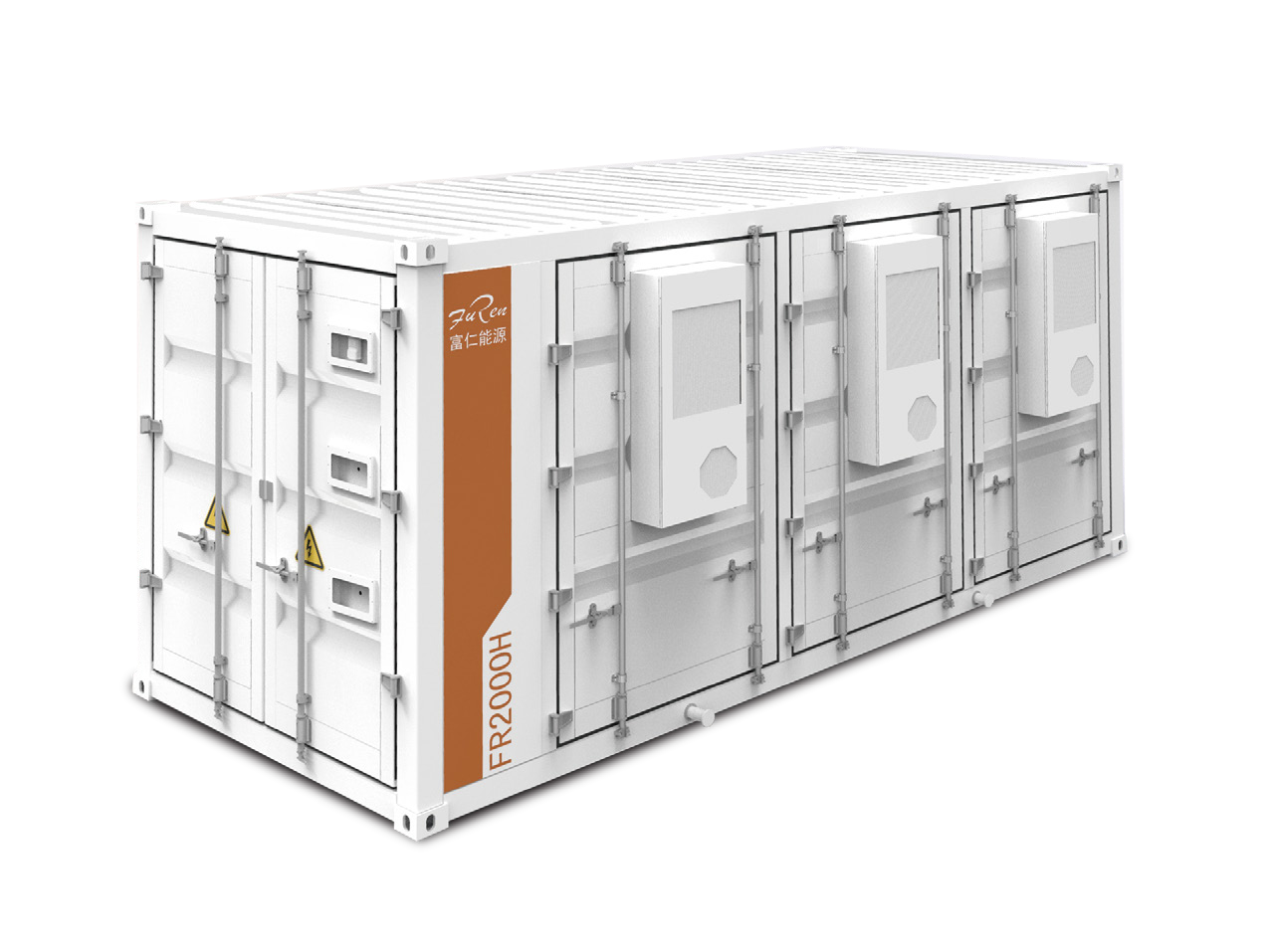
FR2000H 2.15MWh (Air-cooled) 20-foot Containerized Energy Storage System
Jiangyin Furen High-tech Co., Ltd.
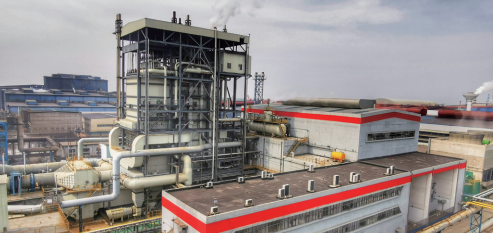
Jiujiang Pinggang 125MW Subcritical Gas Power Generation Project
Capital Engineering & Research Incorporation Limited
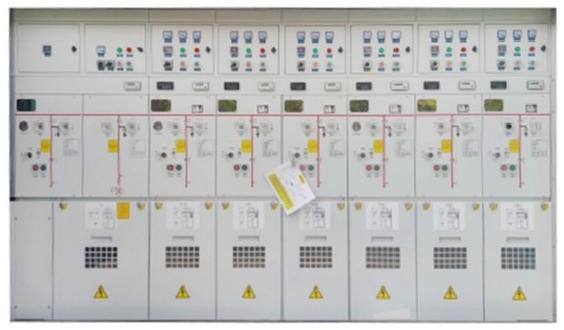
NISELA Series Environmentally Friendly Gas-Insulated Ring Main Unit
XJ DELISHIER ELECTRIC CO., LTD.
Standard Nozzle Flowmeter
Jinggong Automatic Control Instrument Complete Technology Development Company

6kV-35kV Medium and High Voltage Direct-Connected Energy Storage System
Hainan Jinpan Smart Technology Co., Ltd.