Indonesia Aims to Build 5,000 Suspension Bridges by End of 2026
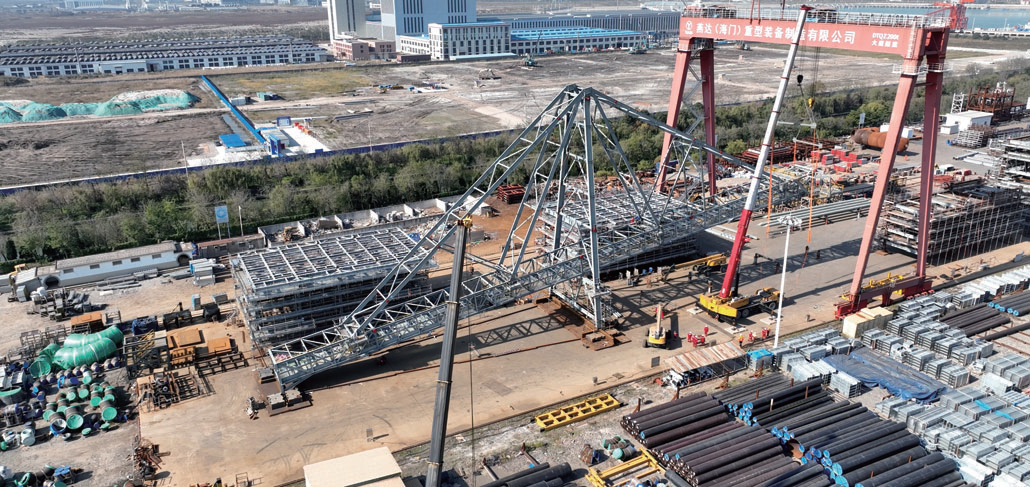
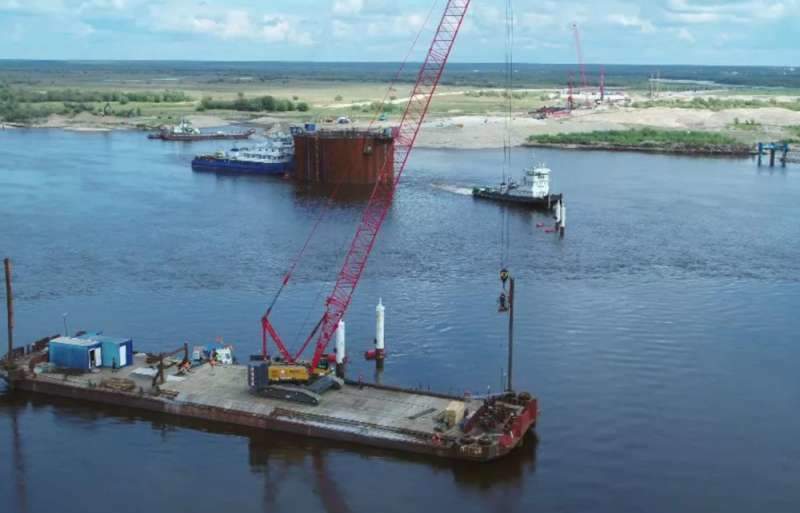
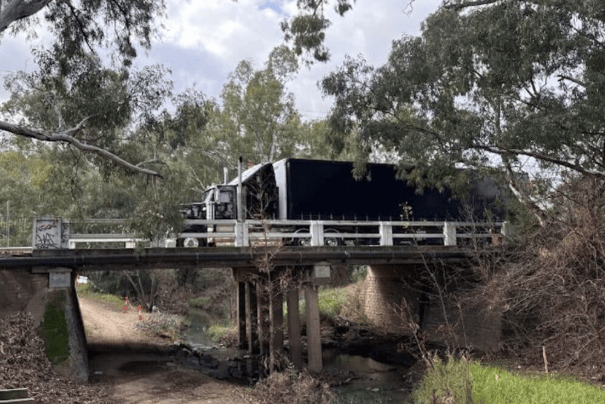
en.Wedoany.com Reported - The Indonesian government is advancing a large-scale suspension bridge construction plan, with the goal of building 5,000 suspension bridges nationwide by the end of 2026. The initiative aims to strengthen transportation links in remote areas and improve travel conditions for local residents.
According to a statement released by the Indonesian Presidential Secretariat on June 25, 2026, Cabinet Secretary Teddy Indra Wijaya said on social media that the government aims to complete the construction of 2,500 suspension bridges by August 2026, then accelerate the pace to reach the total target of 5,000 bridges by the end of the year. These suspension bridges are being built through collaboration between the government, the Indonesian Army (TNI AD), and local communities. Wijaya noted that the new bridges are intended to connect areas that have been separated by rivers and complex terrain for years. Through this project, Indonesian President Prabowo Subianto hopes to achieve faster, safer, and more equitable transportation links, benefiting the country's most remote regions.
Wijaya stated that the construction of suspension bridges is expected to facilitate community mobility and improve residents' access to education, healthcare services, and other public facilities. He particularly emphasized that for children in remote areas who need to travel to school daily, these bridges are not only infrastructure connecting two banks but also a link to the future. The Indonesian government has prioritized infrastructure development to enhance connectivity and equity in remote areas.
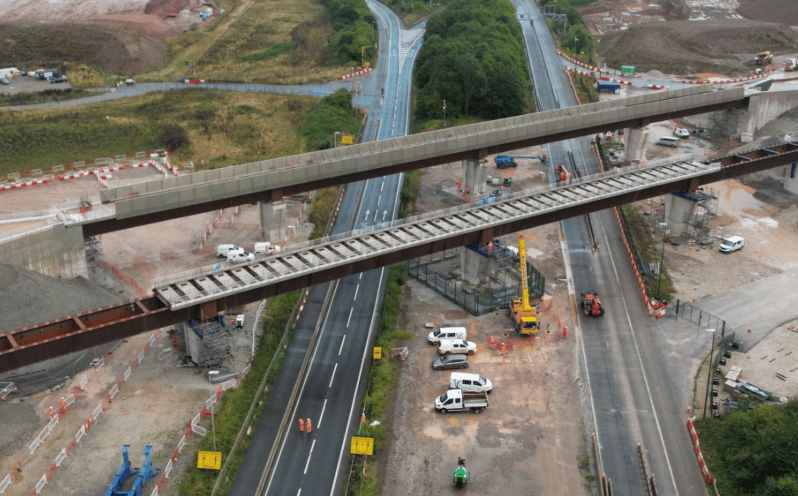
Additionally, according to a report by Global Highways, during the same period, the Indonesian government also awarded a road contract worth $117.6 million to state-owned construction company Waskita Karya (WSKT). The contract involves the construction of an 8-kilometer section of the Yogyakarta-Bawen toll road in Magelang Regency, Central Java, including the construction of service roads, interchanges, pedestrian bridges, and underpasses. Once this new toll road is completed, the driving time from Yogyakarta to Semarang will be reduced to 25% of the current four-hour journey. Large-scale toll road construction projects managed by the Indonesian government are connecting major urban clusters, which is expected to improve traffic safety, shorten travel times, and promote economic development.
Related Products


Ceiling light | led Ceiling Light | LED Indoor light | LED Ceiling lighting
Queendom Group Technology Co., Ltd.



Acoustic Mineral Fiber Ceiling Tile 595x595x12mm
Shanxi Pano Trading Co., Ltd
ERW Welded Pipe (Black Pipe and Hot-dip Galvanized Steel Pipe)
Handan Zhengda Steel Pipe Co., Ltd.