Brazil's $2.2 Billion Cross-Sea Bridge Breaks Ground, Built by Chinese Consortium
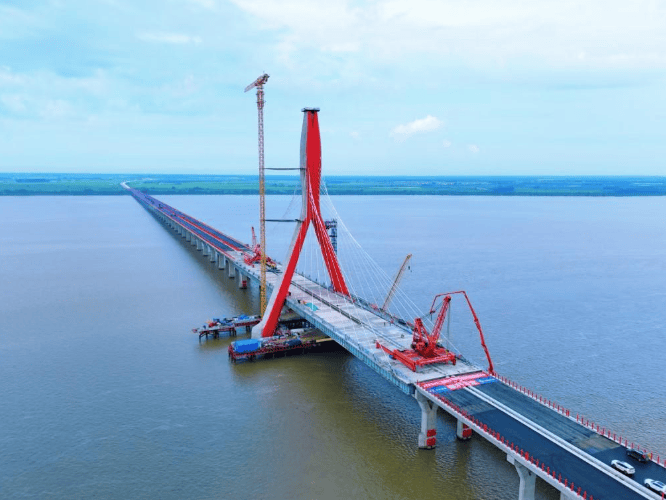
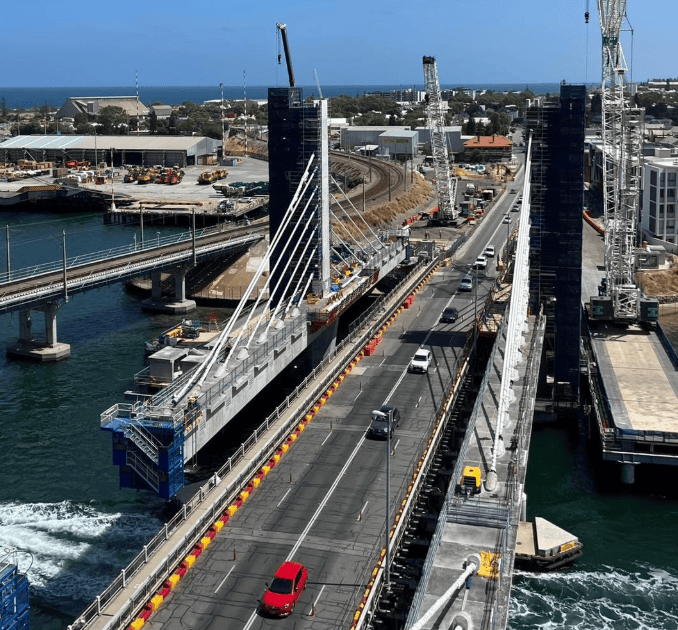
en.Wedoany.com Reported - Construction has begun on a cross-sea bridge connecting Brazil's Itaparica Island to the mainland. The bridge, spanning 12.4 kilometers, involves a total investment of over $2.2 billion. Once completed, the new bridge will replace the aging ferry service, providing a faster and more reliable connection to the island and helping to boost local tourism. Spanning the Bay of All Saints, the project is expected to significantly reduce travel time and have a notable driving effect on the regional economy.
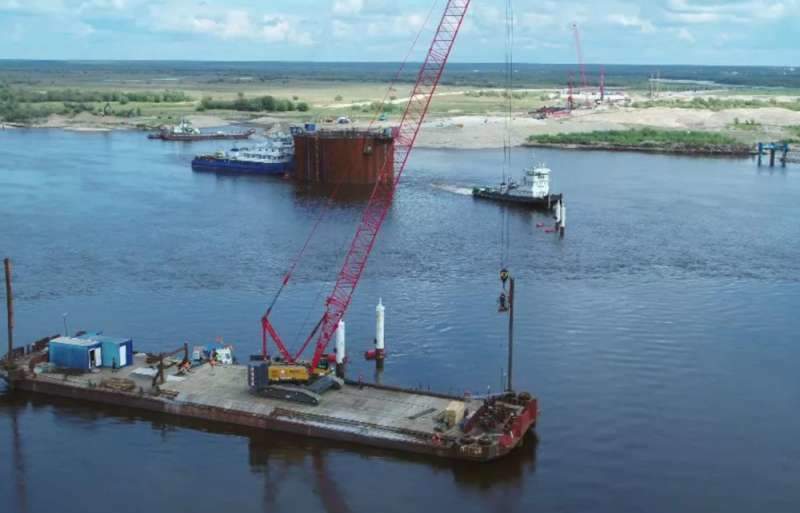
The project is being implemented under a Public-Private Partnership (PPP) model, with the concessionaire covering approximately half of the funding. Of the remaining funds, the state of Bahia and the Brazilian federal government will each contribute about 25%. A Chinese consortium composed of China Communications Construction Company (CCCC) and China Civil Engineering Construction Corporation (CCECC) is responsible for the design, construction, operation, and maintenance of the bridge. This project is also included in the Chinese government's "Belt and Road" infrastructure development initiative.
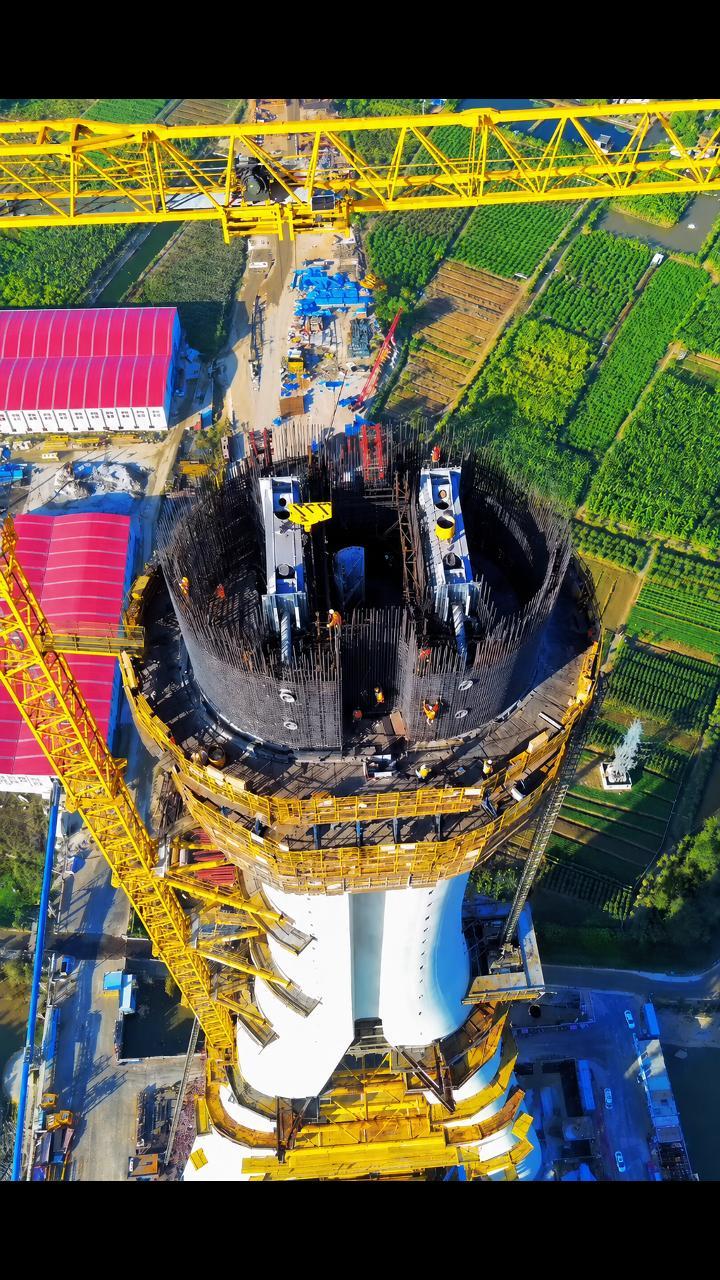
The bridge features a cable-stayed structural design and, upon completion, will become the longest cross-sea bridge in Latin America and the second-longest bridge in Brazil. A consortium formed by Maia Melo and SYSTRA Brazil is responsible for project management, overseeing and reviewing the detailed design jointly developed by Concremat and Sener for the Chinese concession consortium. The design is innovative, with the main bridge structure including a 12-kilometer cable-stayed section, whose pile foundation construction may reach unprecedented depths.
The 35-year concession package includes a 5-year construction period and a 30-year operation and maintenance period. In addition to the main bridge structure, the project also includes the construction of connecting roads on Itaparica Island and a tunnel section in Salvador. The new bridge will provide a shorter and faster connection between Salvador and national highways BR-101, BR-116, and BR-242, potentially reducing driving distances by approximately 100 kilometers. The route is expected to handle 28,000 vehicles per day.
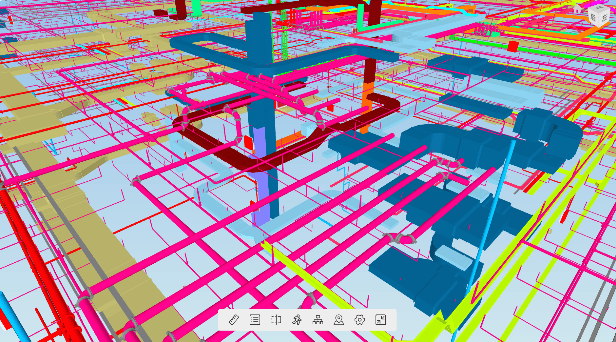
The bridge design won second place in the Bridges and Tunnels category of the 2025 Bentley Systems annual awards. The project cost has risen significantly since its initial conception, causing shock among some critics. Some local groups have expressed concerns about the potential environmental risks of the construction project.
Related Products
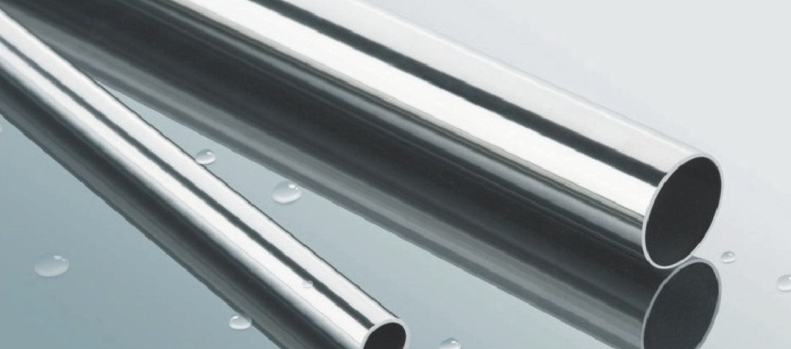

ERW Welded Pipe (Black Pipe and Hot-dip Galvanized Steel Pipe)
Handan Zhengda Steel Pipe Co., Ltd.
Industrial and Commercial Point-Type Gas Detector
Jinan Benan Technology Development Co., Ltd.
Ultra-Pure Ferrite Stainless Steel Products
Gansu JISCO Group Hongxing Iron and Steel Co., Ltd.
RISITA explosion-proof air conditioning
Guangdong RISITA Air Conditioning Equipment Co.,Ltd.

YHTank8400N Solvent-Free Liquid Epoxy Coating
JIANGSU YUNHU NEW MATERIAL TECHNOLOGY CO., LTD.