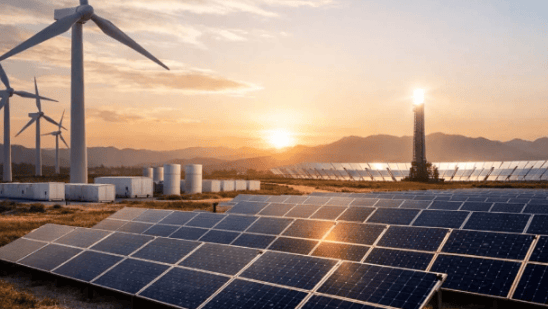
Australian Researchers Build 2D/3D Tin Halide Perovskite Solar Cell With 16.65% Efficiency
Wedoany.com Report-Apr. 26, Researchers at the University of Queensland in Australia have developed a tin halide perovskite (THP) solar cell featuring a 2D/3D heterojunction architecture. This innovation aims to enhance the efficiency and sustainability of solar energy technology.
Lead researcher Peng Chen highlighted the potential of this advancement: “There is great commercial potential in THP solar cells because perovskite devices are more sustainable to produce than silicon-based solar cells.” He added: “The benefit of THP is that we’re dealing with more eco-friendly tin and not the toxic lead that is widely used in most of the perovskite solar cells, meaning they can be safely installed around the home.”
The new cell incorporates a 2D perovskite layer at the interface between the perovskite and the hole transport layer. This design improves charge-carrier transport and extraction while reducing ion migration. The 2D/3D structure also enhances stability compared to traditional 3D perovskite cells, thanks to protective organic ligands that lower exciton binding energies.
To achieve this, the team employed a specialized chemistry engineering approach to control the nucleation kinetics of mixed-dimensional perovskites, creating a uniform 2D/3D bulk heterostructure. They also integrated caesium ions to refine the THP film’s microstructure and minimize defects.
Chen explained: “This is what allowed us to reach a record level of efficiency while still having a product that would pass stringent environmental checks.” He noted: “I think we have a formula now that will only keep improving.”
The cell’s construction includes a substrate of indium tin oxide (ITO) and glass, a PEDOT:PSS hole transport layer, the perovskite absorber, a bathocuproine (BCP) buffer layer, and a silver (Ag) metal contact. Under standard illumination testing, the device achieved a power conversion efficiency of 17.13%, with a certified efficiency of 16.65%. It also demonstrated stable performance for over 1,500 hours under continuous one-sun illumination in a nitrogen environment without encapsulation.
Related Products

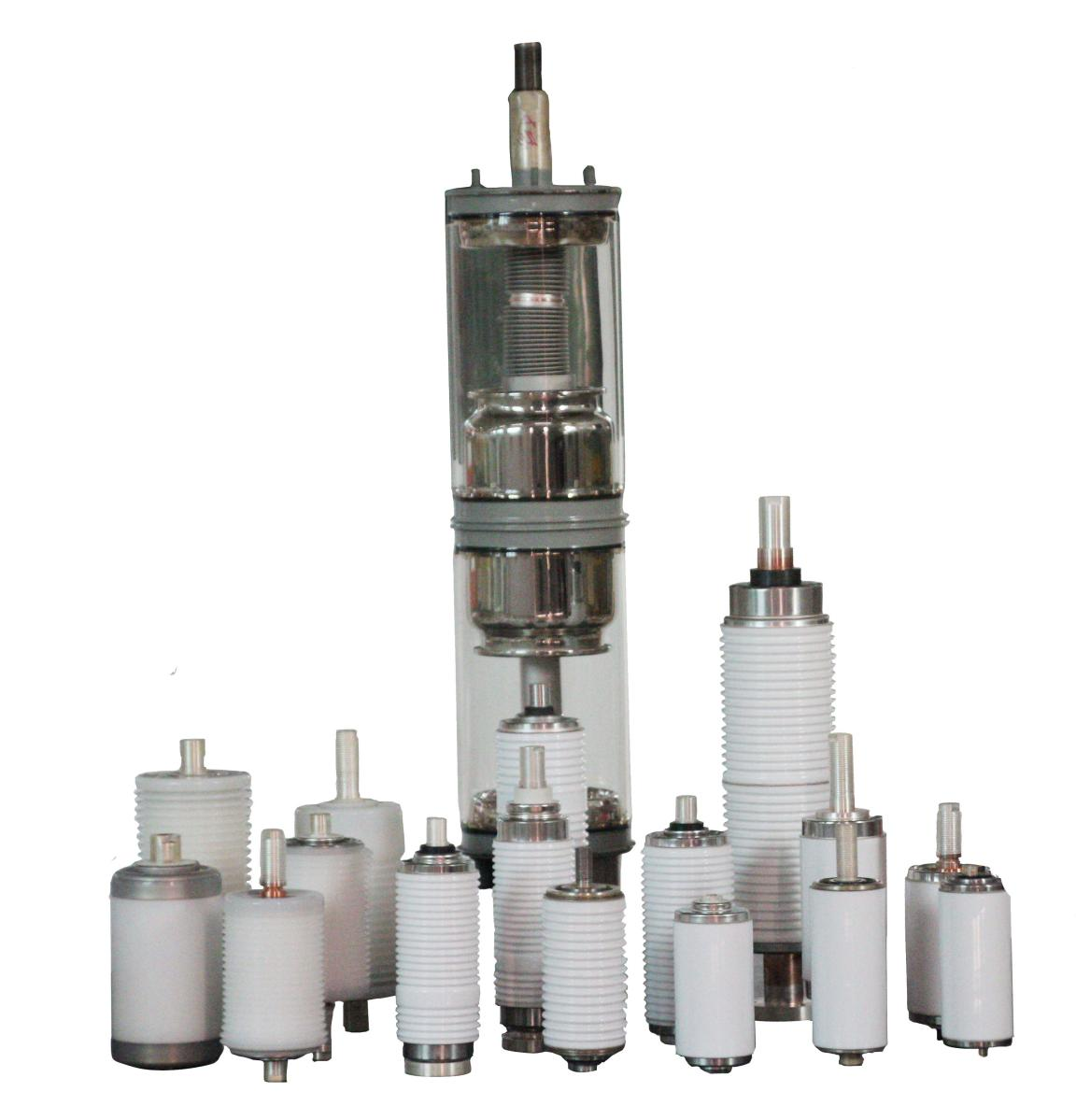
NISELA Series Environmentally Friendly Gas-Insulated Ring Main Unit
XJ DELISHIER ELECTRIC CO., LTD.
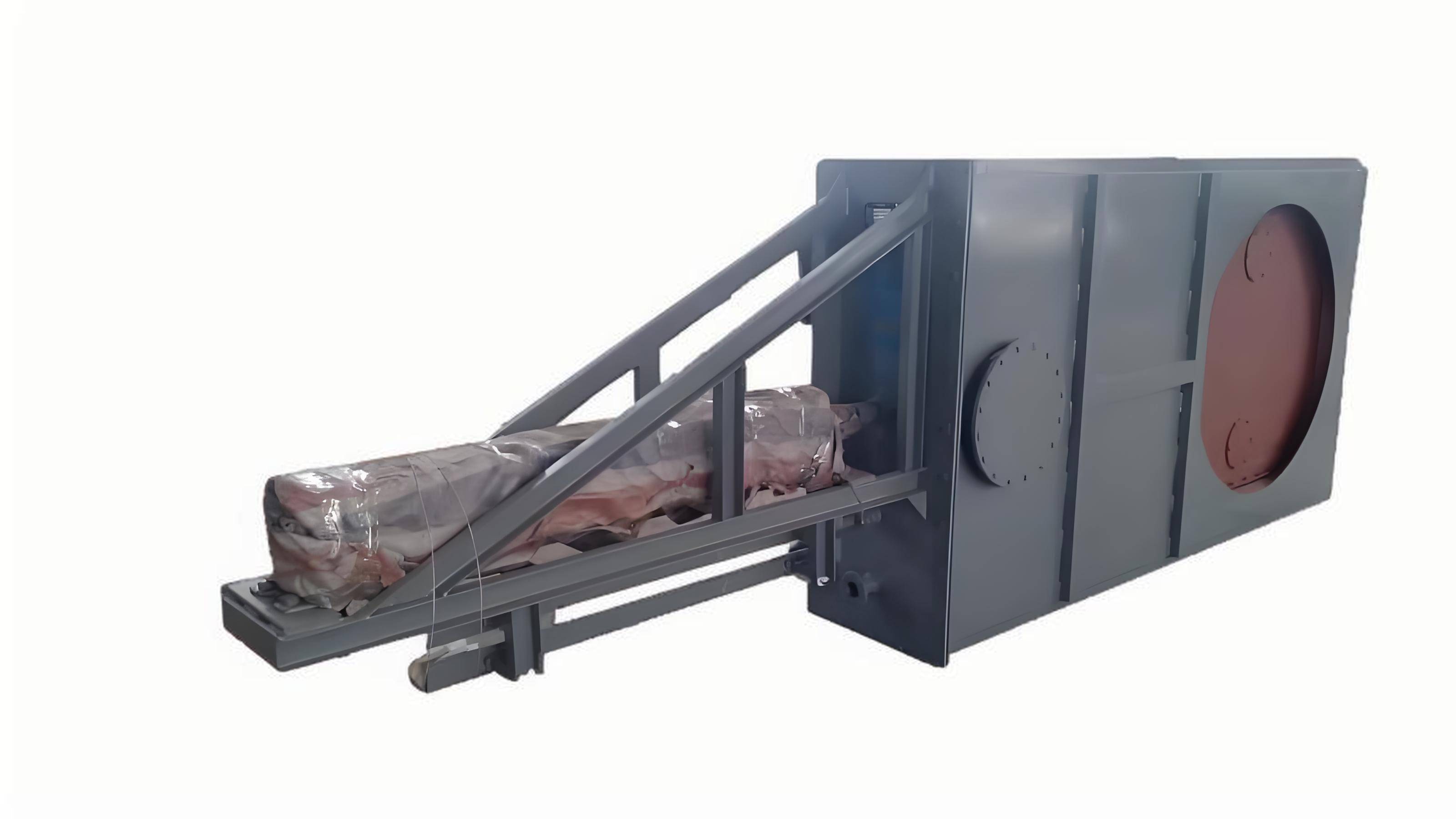
Double-slide Triple-sealed Hot Air Isolation Door
Xi'an Yingchuan Electric Power Equipment Co., Ltd.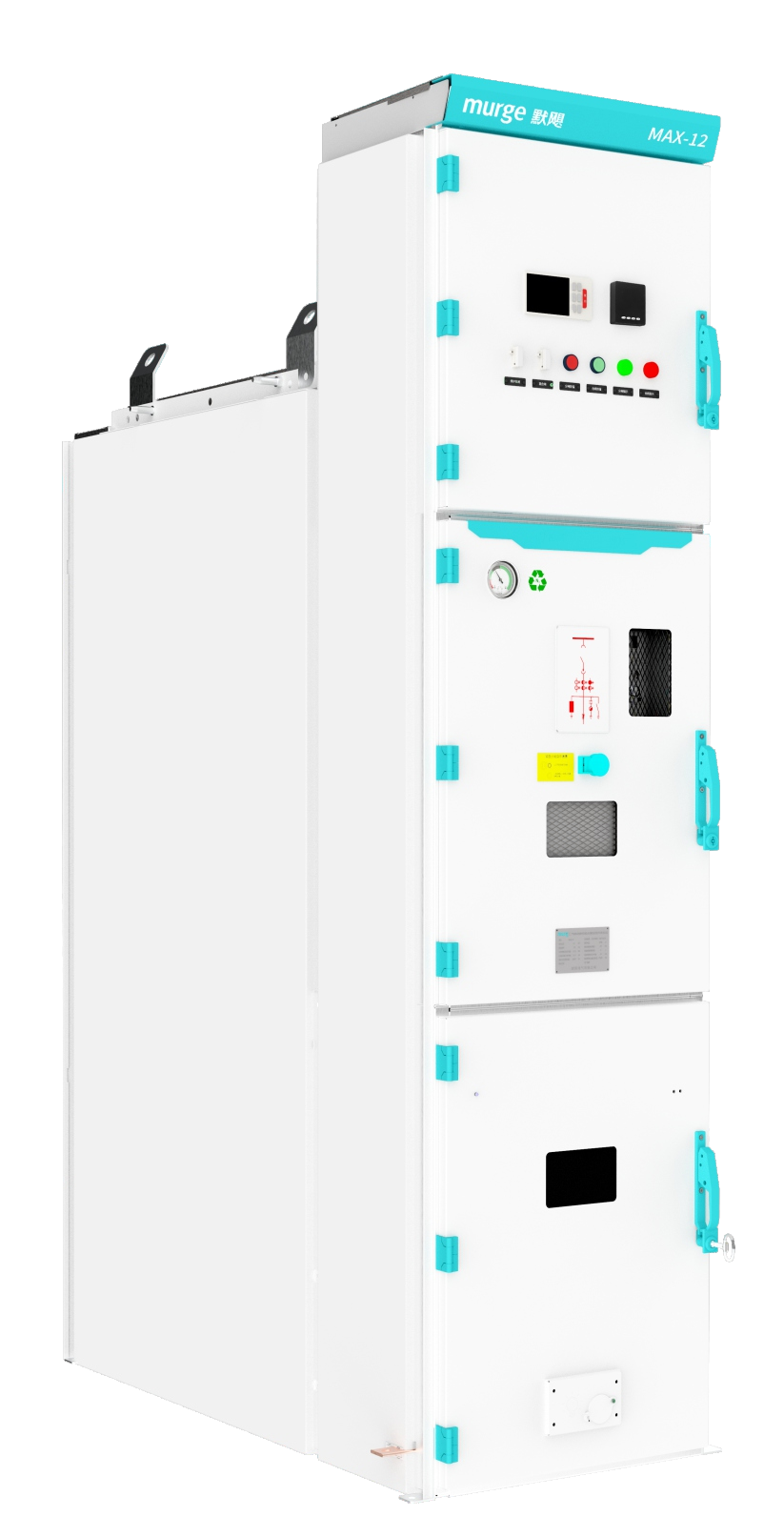
MAX-12 series Environmental Protection/SF6 gas insulated switchgear (C-GIS)
Murge Electric Co.,Ltd.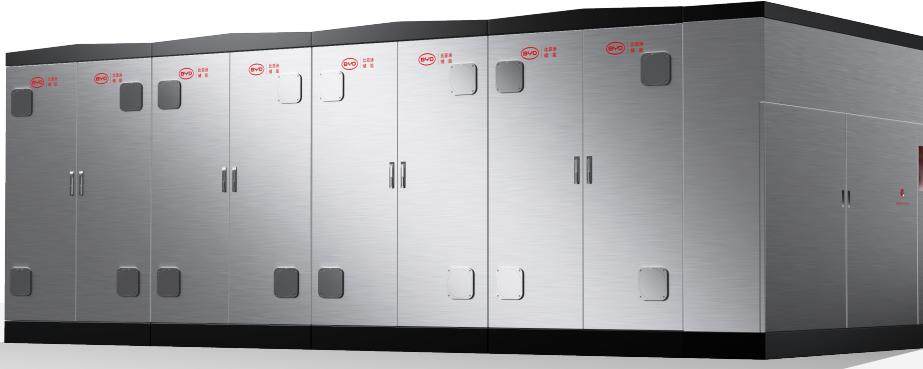
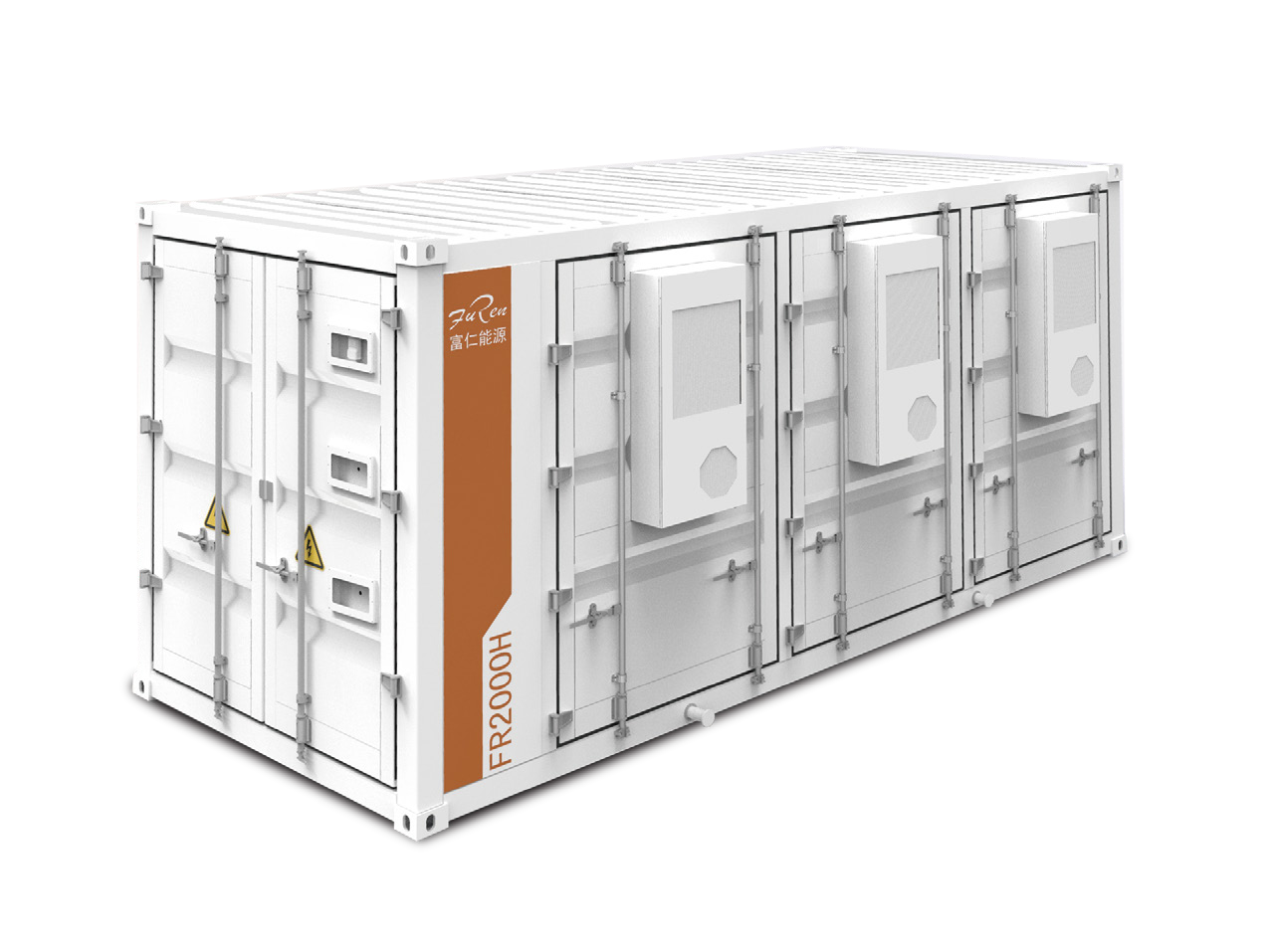
FR2000H 2.15MWh (Air-cooled) 20-foot Containerized Energy Storage System
Jiangyin Furen High-tech Co., Ltd.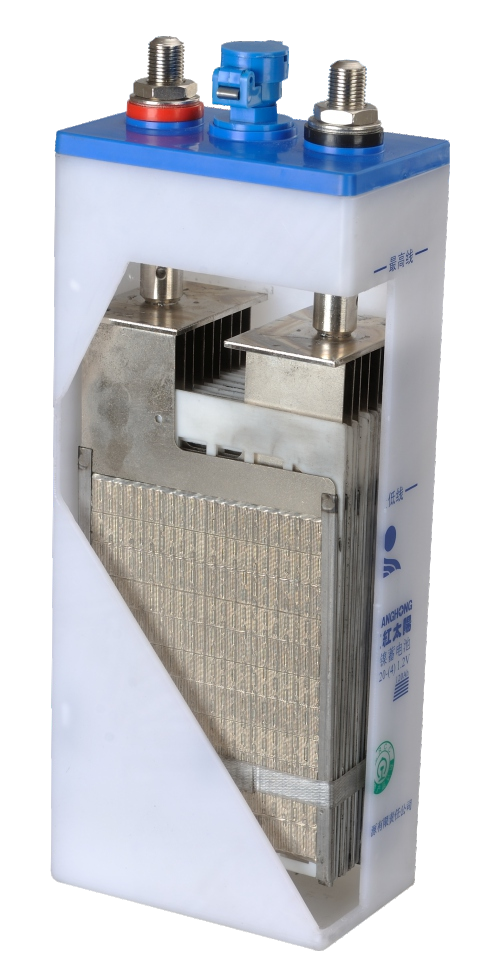
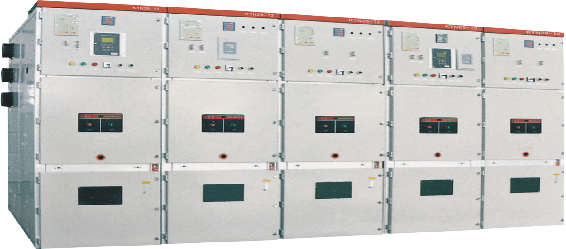
KYN28-12/24 Indoor High-Voltage Metal-Clad Removable Switchgear
Shenzhen Zhaoyang Hui Technology Co., Ltd.