US Welder Tests Three AI Models for Cast Iron Pot Repair Advice
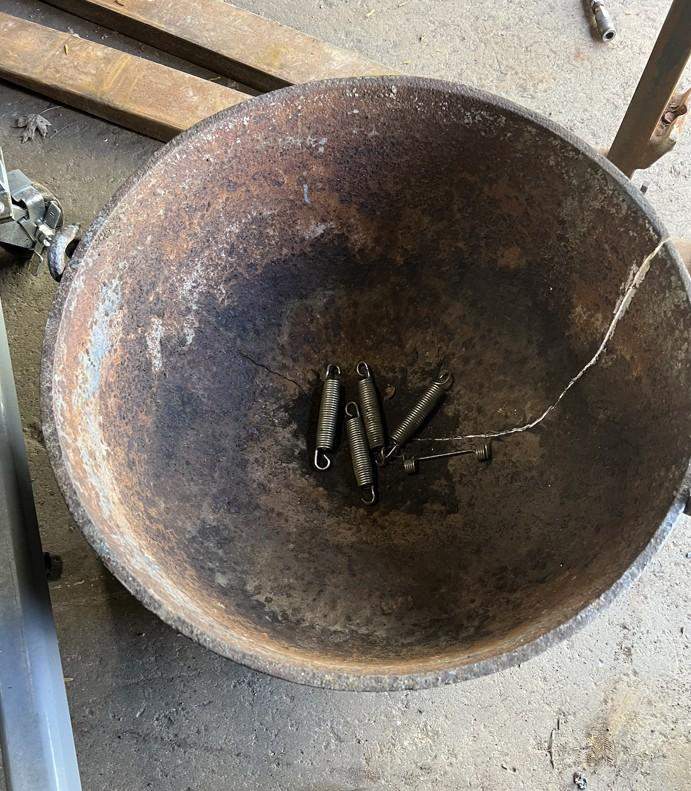
en.Wedoany.com Reported - Jo Mackiewicz, a welder at Howe's Welding and Metal Fabrication in Ames, Iowa, recently tested the responses of three large language models (LLMs)—Copilot, Gemini (Gemini 2.5 Flash), and Mistral—to the question "How to repair a cracked cast iron pot." The test was based on two uploaded images of the pot and a brief prompt, aiming to evaluate the practical value of LLMs in a small repair shop scenario.
The three LLMs differed in their repair advice across multiple dimensions. Gemini emphasized the difficulty from the start, stating that "repairing a crack in a cast iron pot is a serious job" and questioning whether the user could complete it independently. Mistral tended to praise the repair project as "beneficial," even commending the basic step of "identifying the damage," showing a strong tendency toward flattery. Copilot maintained a relatively neutral stance, directly pointing out that the repair outcome depends on whether the pot is used for cooking, i.e., whether it needs to withstand thermal cycling.

In analyzing the image content, Copilot judged the crack to be "deep enough" but did not mention its length. Gemini only identified it as a large cast iron pot. Mistral made a clear error, claiming that the user "has already begun cleaning and identifying the damage," while in reality, the pot in the image had not been cleaned and still contained other items. This indicates deficiencies in the LLMs' ability to perceive and describe image details.
Regarding repair specifics, Copilot listed "key steps" for brazing, including slow and even heating, using Ni-99 or Ni-55 nickel welding rods, and short weld beads with hammering, and specifically recommended the metal stitching technique. Gemini recommended a preheat temperature of 500 to 1200 degrees Fahrenheit and quantified the cooling time (24 hours or longer). Mistral suggested a preheat temperature range as high as 1200 to 1400 degrees Fahrenheit, close to the critical point for cast iron cracking, deviating from recommendations by professional organizations such as Lincoln Electric.
On safety considerations, Gemini proactively raised two issues: the repaired structural integrity may be insufficient, and failure when filled with hot liquid could cause severe burns; some welding rods contain heavy metals or flux that are not food-safe. Copilot and Mistral did not mention food safety topics, and Mistral even suggested that the user restore the non-stick surface by baking, without considering the practical issue of whether the pot size matches the oven.
The author believes that such general advice from LLMs may be of reference value for novice technicians lacking workshop experience, helping them think through project processes and anticipate execution issues. At the same time, the test reflects that LLMs still require more targeted training to accurately analyze industrial repair scenarios. The next test direction will involve more complex repair procedures, such as repairing a cracked aluminum spray boom with stuck pins and immobile hinges, and exploring differences in LLM responses when the user claims to have decades of experience.
Related Products


Standard Nozzle Flowmeter
Jinggong Automatic Control Instrument Complete Technology Development Company
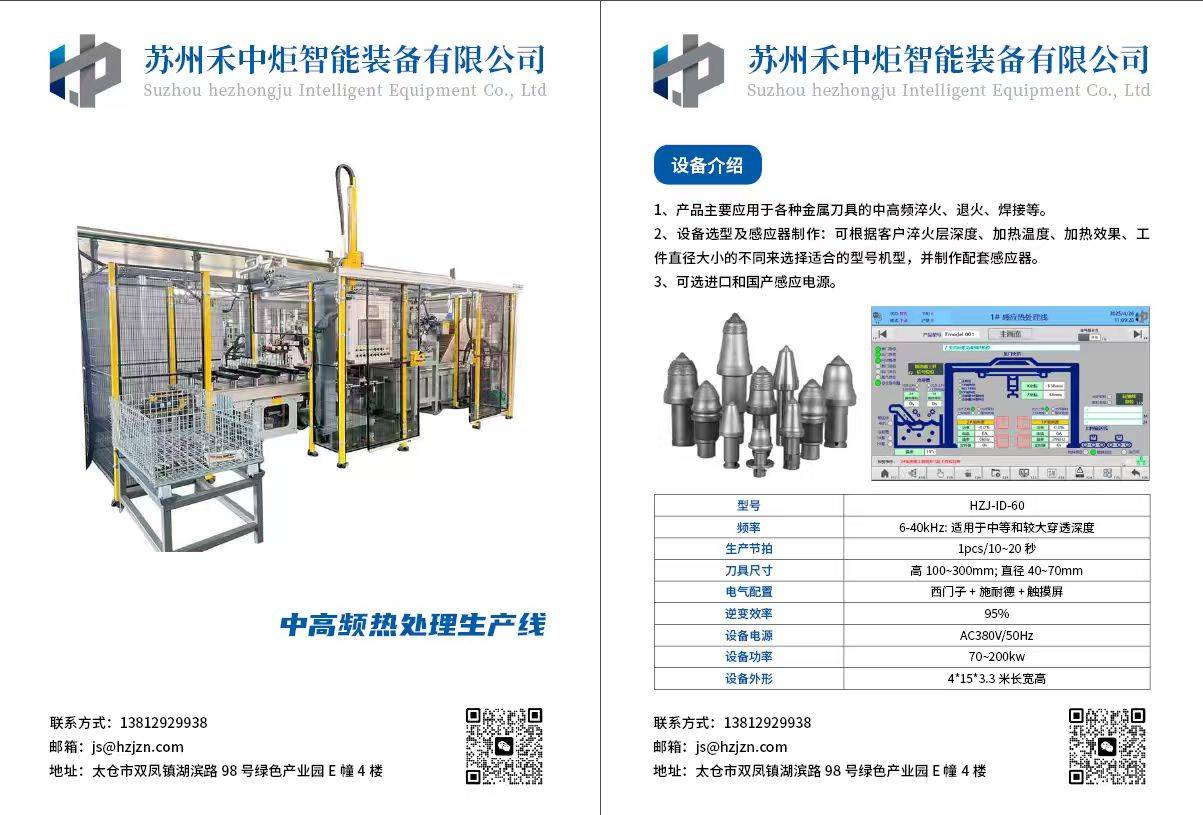
Excavator Bucket Teeth Heat Treatment Production Line
Suzhou Hezhongju Intelligent Equipment Co., Ltd.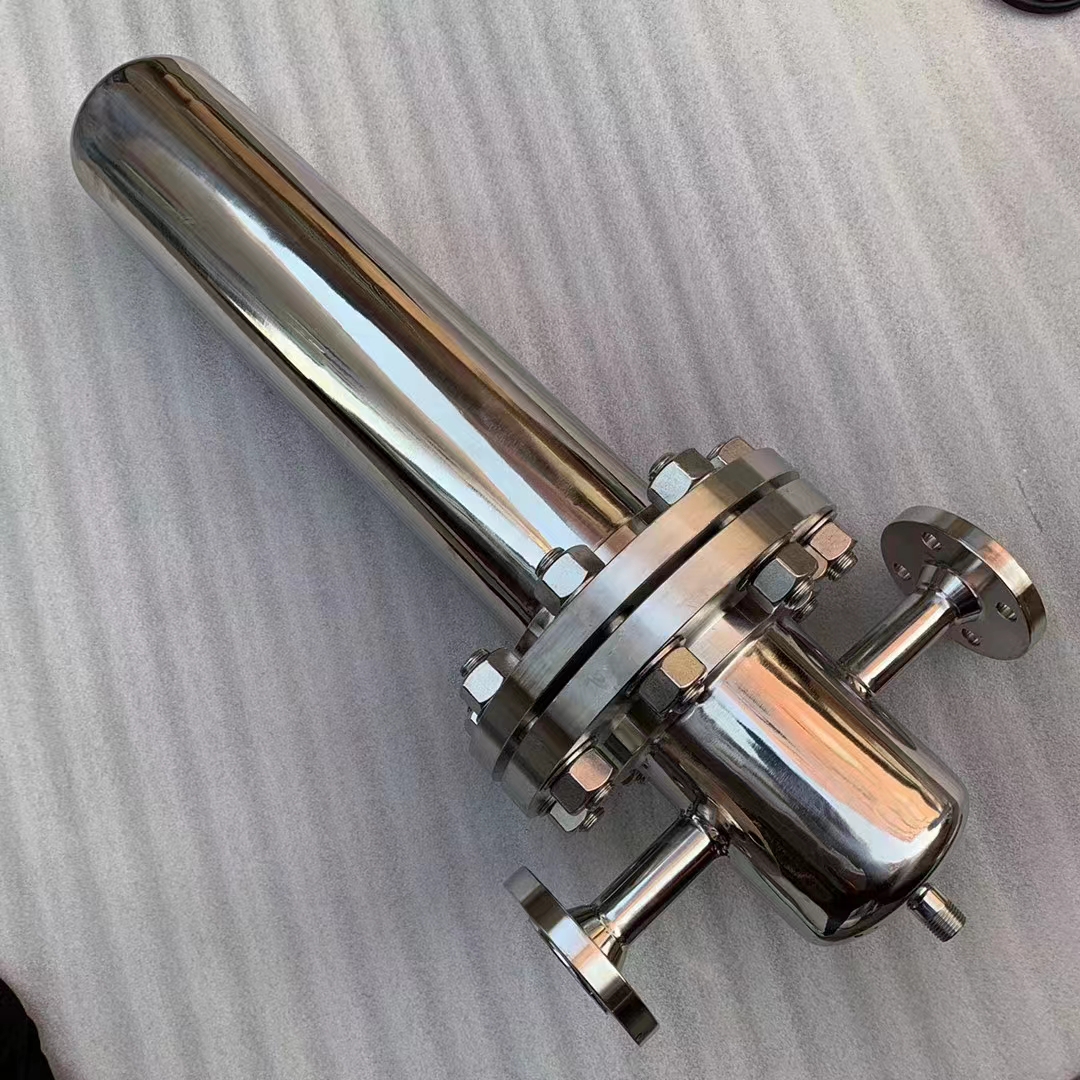
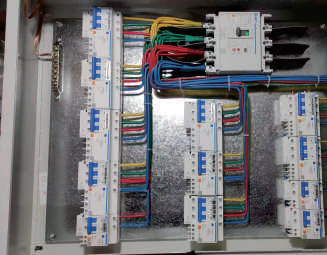

Pneumatic high-pressure wear-resistant ball valve
Zhejiang Deca Control Valve Meter Co., Ltd.

Industrial and Commercial Point-Type Gas Detector
Jinan Benan Technology Development Co., Ltd.
CAP1400 main feedwater flow nozzle flowmeter.
Jiangsu Hongda Instrument Technology Co., LTD.