In 2026, Hikrobot's cumulative shipments of mobile robots exceeded 200,000 units
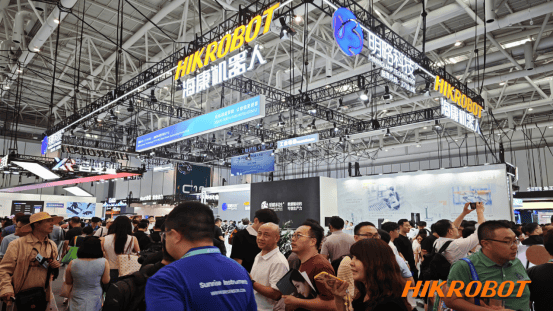
en.Wedoany.com Reported - On July 6, 2026, Hikrobot announced that its cumulative shipments of all categories of mobile robots had exceeded 200,000 units, with the 200,000th unit being a fork-type robot that had just come off the production line.
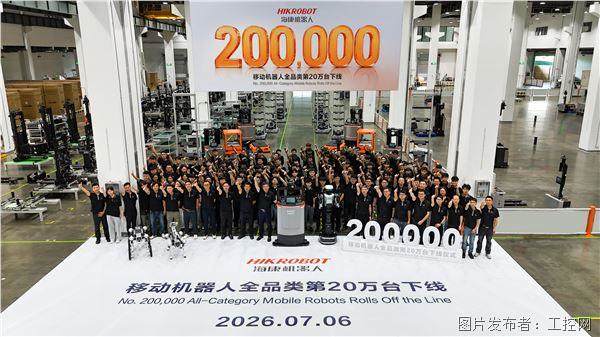
Since reaching the 100,000th unit in May 2024, Hikrobot has achieved the milestone of the second 100,000 units in just two years. According to the latest statistics from the Mobile Robot Industry Alliance, the company's market share in mobile robots ranked first globally in 2025. Against the backdrop of intelligent transformation in manufacturing, China's mobile robot industry is accelerating from demonstration applications to large-scale adoption, and the speed of Hikrobot's 200,000-unit milestone reflects this trend.
The scaling of the mobile robot industry is not just about capacity expansion; it is also the result of long-term accumulation by leading companies in technology, products, scenarios, and industry standards. Hikrobot's development trajectory provides a reference: from the gradual improvement of product lines such as early AGVs, fork-type robots, and omnidirectional fork-type robots, to obtaining the world's first SIL3 certification for safety controllers, the first full-directive CE certification in China for omnidirectional fork-type robots, and the release of the fourth-generation architecture platform "Intelligent Base," these milestones have formed a capability upgrade path, enabling mobile robots to evolve from "being able to move" to operating safely, stably, and schedulably in complex industrial environments.
This accumulation goes beyond hardware. The core software architecture has undergone four iterations, evolving from early warehousing scheduling control to an intelligent platform supporting hybrid scheduling and low-code secondary development; core components such as electronic control, algorithms, and perception devices have achieved full-stack in-house development. Software and hardware interfaces have been standardized and opened to the outside, allowing upstream and downstream players in the industry to conduct secondary development and scenario adaptation on the same platform. At the standards level, Hikrobot has participated in the formulation and revision of over 37 standards for mobile robots at various levels; in June 2026, the national standard "General Technical Specifications for Logistics Robot Information Systems," led by Hikrobot, won the Zhejiang Provincial Standard Innovation Major Contribution Award. As the first systematic general standard in the global logistics robot information field, it standardizes large-scale cluster scheduling and planning technologies, reducing the redundant construction costs of large-scale mobile robot deployments.
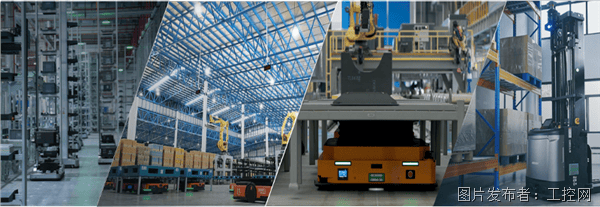
As of April 2026, Hikrobot has served over 20,000 customers, implemented more than 1,000 segmented application scenarios, covering industries such as automotive and auto parts, 3C electronics, photovoltaics, lithium batteries, commercial distribution, food and pharmaceuticals, tobacco, and footwear and apparel. In the automotive industry, Hikrobot has deployed over 2,000 mobile robots across multiple production bases of FAW Toyota, achieving the first deployment of over 1,000 units in a single factory in the automotive industry; at Changan's digital smart factory, 687 mobile robots were deployed in one go, improving manufacturing efficiency by 20% and reducing line costs by 20%. In the new energy sector, Hikrobot has implemented over 500 projects in the lithium battery industry, with shipments exceeding 10,000 units. In the distribution and pharmaceutical fields, benchmark projects such as Watsons, Winit, YCH Group Singapore, and Sinopharm Consistent are expanding the efficiency boundaries of warehousing and logistics.
Facing the highly fragmented demands of the mobile robot industry, ecosystem capabilities have become key to large-scale deployment. Since launching its ecosystem strategy in 2020, Hikrobot has gathered over 500 ecosystem partners around its three major business lines—machine vision, mobile robots, and articulated robots—and has trained over 200,000 engineers, building a multi-layered ecosystem covering hardware, software, services, and talent. In the mobile robot field, Hikrobot, together with its partners, has completed the delivery of numerous fragmented scenarios. Tool-based products such as EasyAMR for small factories and the 3D logistics simulation software PlantMirror have reduced the trial-and-error costs of flexible automation transformation for small and medium-sized enterprises.
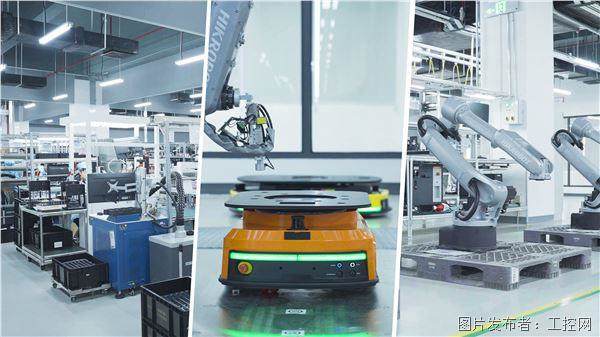
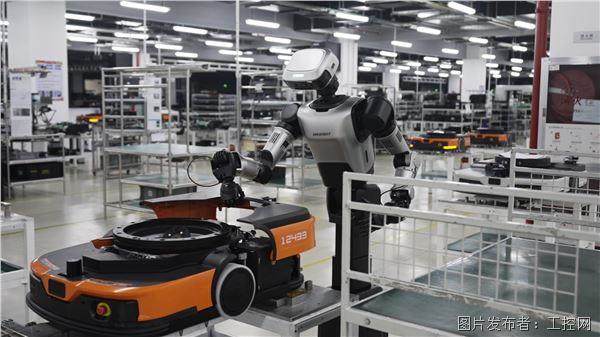
At Hikrobot's Tonglu Science and Technology Park, covering over 200 mu (approximately 13.3 hectares), mobile robots, machine vision systems, and articulated robots have achieved deep "eye, foot, and hand" multi-device collaboration on the production line: mobile robots handle automated material turnover and workstation delivery across the entire factory, articulated robots paired with machine vision perform precision tasks such as fastening and calibration, and AI vision algorithms provide real-time error correction and alignment; wheeled humanoid robots, quadruped robots, and other embodied series products are being tested in tasks such as loading/unloading, picking, and transfer, supporting an annual production capacity of 75,000 mobile robots, 5 million sets of machine vision products, and 20,000 sets of articulated robots.
The 200,000-unit milestone is a node for Hikrobot and a footnote in the industry's progress. Behind this acceleration lies the path of technological democratization, as mobile robots move from benchmark factories to broader industrial scenarios. As deployment barriers continue to lower and intelligent technology begins to penetrate every link of manufacturing, the application boundaries of mobile robots will expand even further.
Related Products
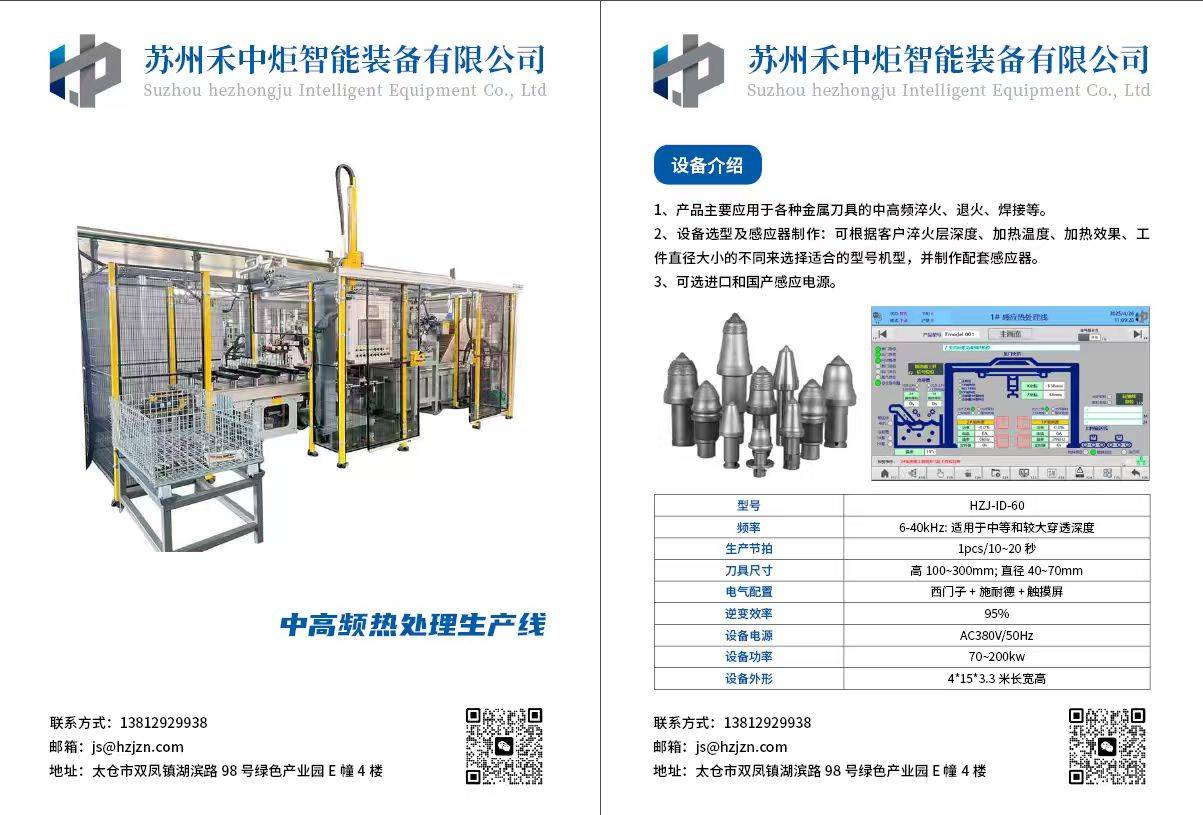

Excavator Bucket Teeth Heat Treatment Production Line
Suzhou Hezhongju Intelligent Equipment Co., Ltd.

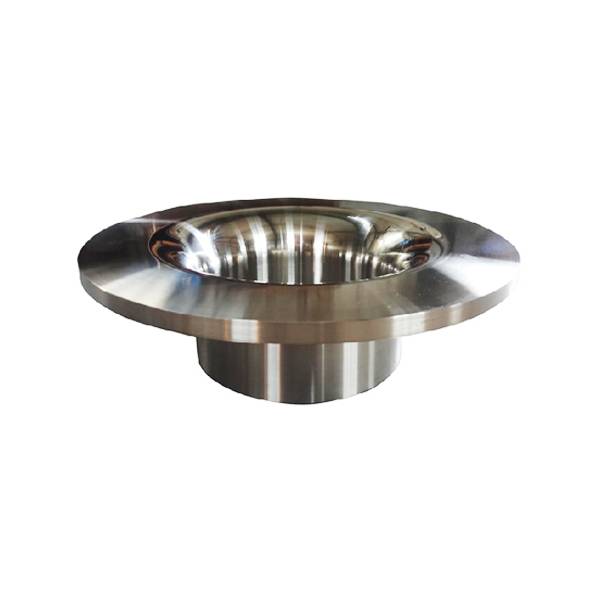
Standard Nozzle Flowmeter
Jinggong Automatic Control Instrument Complete Technology Development Company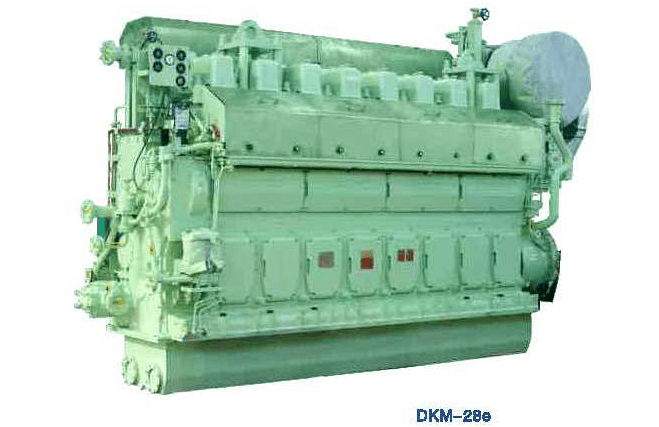


Pneumatic high-pressure wear-resistant ball valve
Zhejiang Deca Control Valve Meter Co., Ltd.