Synopsys to Halt Updates for Some Wafer Manufacturing Analysis Software, Focusing on AI Chip Design Business
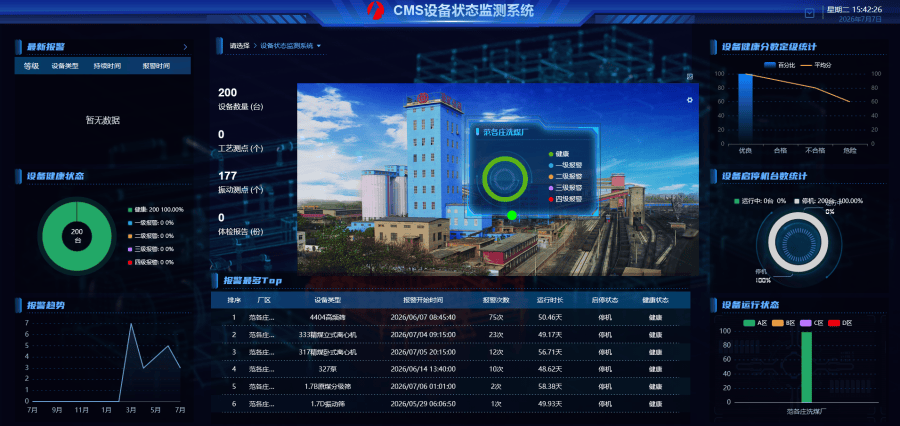
en.Wedoany.com Reported - On July 7, U.S. EDA software company Synopsys plans to stop providing new versions of some wafer manufacturing process control software, redirecting related engineering resources to the higher-margin AI chip design business. Affected products include manufacturing analysis software such as Equipment Engineering System (EES) and Fault Detection and Classification (FDC), which are primarily used for production equipment monitoring, anomaly identification, and manufacturing process analysis in semiconductor wafer fabs.
From April to May this year, Synopsys notified over 10 semiconductor manufacturers, including clients such as South Korea's Samsung Electronics, South Korea's SK Hynix, Japan's Kioxia, and the U.S.'s Qorvo. After the affected products enter end-of-life arrangements, Synopsys will no longer provide new version updates but will continue to fulfill maintenance and support obligations under existing contracts. The company plans to complete maintenance arrangement discussions with each client around July.
EES and FDC serve the functions of manufacturing process monitoring and anomaly warning in wafer fabs. Semiconductor manufacturing involves a large number of equipment, process parameters, and batch data. Any equipment state deviation, process fluctuation, or abnormal signal can impact yield, cost, and delivery schedules. The FDC system is used to detect and classify anomalies, while EES is related to equipment engineering and manufacturing data management. These software tools do not directly handle chip design but are crucial for the stability and defect control of wafer fab production processes.
This business adjustment reflects EDA software companies reallocating resources. Synopsys's core strengths have long been concentrated in chip design, verification, simulation, IP, and the EDA tool chain. With the growth in demand for AI chip design, advanced process nodes, high-performance computing chips, data center AI accelerators, and complex SoC designs place higher demands on EDA tools. Compared to traditional manufacturing analysis software, the market space, client budgets, and profit margins for AI chip design tools are more attractive.
Changes in manufacturing software will also prompt wafer fabs to accelerate preparations for alternative solutions. Samsung Electronics has confirmed that the related products will enter end-of-life arrangements and stated that it is discussing product discontinuation with Synopsys, while having already established compatible alternative solutions, ensuring production will not be negatively impacted. In recent years, some semiconductor manufacturers have also been developing their own manufacturing software, partly because wafer fab process data is highly sensitive, and external software suppliers often need access to clients' core manufacturing data to continuously optimize systems.
Synopsys acquired EES and related businesses as early as 2021 through the acquisition of some semiconductor manufacturing solutions from South Korea's BISTel. As clients' self-development capabilities strengthen, access to manufacturing data becomes more restricted, and the company's internal resources shift toward AI design tools, the commercial value of continuing to iterate some older manufacturing analysis products has declined. Halting new version updates does not mean immediately discontinuing use by existing clients, but rather transitioning the products from a continuous development state to a maintenance and support phase.
The semiconductor software market is seeing a clearer division of labor. Design-side tools continue to heat up around AI chips, advanced packaging, multi-physics simulation, hardware verification, and automated design; manufacturing-side software increasingly relies on wafer fabs' own data systems, equipment interfaces, and internal process experience. After Synopsys adjusts some manufacturing analysis software, clients need to complete replacement, migration, or internal system integration within the existing maintenance period. Functions related to EES and FDC will gradually shift from externally supplied software to in-house development by manufacturers or other systems.
By choosing to halt updates for some wafer manufacturing analysis software, Synopsys is further pulling its business focus back to AI chip design and high-value EDA products. For wafer fabs, the impact is not limited to individual software versions but involves a complete set of production management integration processes, including equipment monitoring, anomaly detection, data migration, maintenance support, and alternative system implementation.
Related Products


Multi-function Marine Monitoring Low-altitude Detection Radar Sea-air Boundary Ocean Dynamic Environment Measurement
Chengdu Dixin Technology Co., Ltd.
20 Inch 1600*900 Full HD 60Hz TFT LED Monitor with VGA and DP Interfaces for Desktop Computers-Business Use
Guangzhou Zanying Optoelectronics Technology Co., Ltd.


TWP16 P-Band Tropospheric Wind Profile Radar
China Huayun Meteorological Technology Group Co., Ltd.