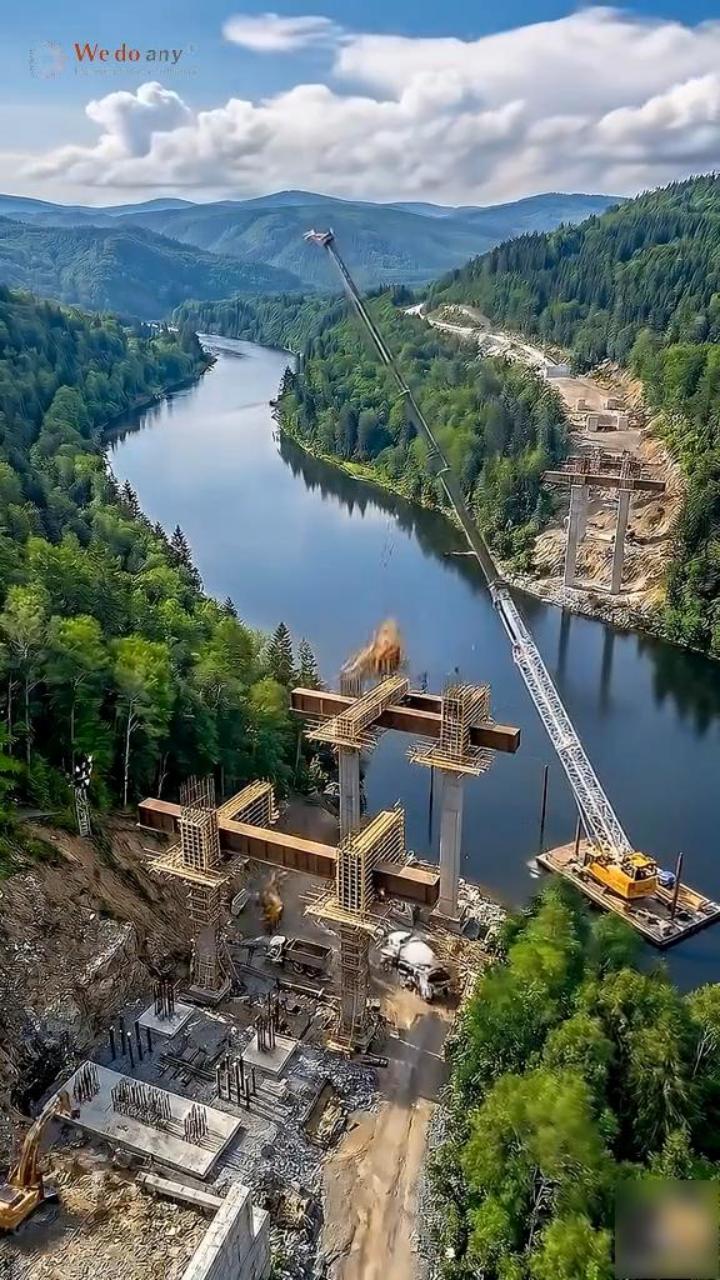
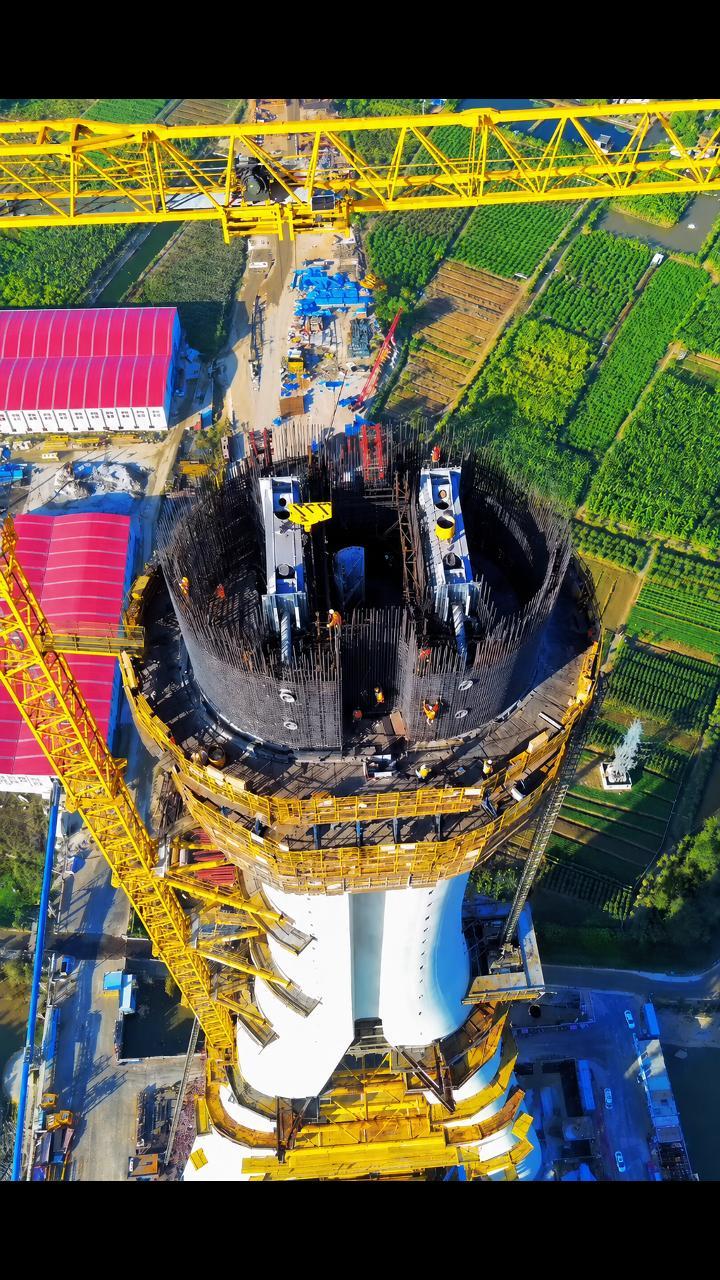
Peru's New Government Faces $110 Billion Infrastructure Gap
en.Wedoany.com Reported - Peru's new government, set to take office on July 28, faces the core challenge of setting priorities to revitalize public investment and enhance the execution capacity of major infrastructure projects. Public administration and infrastructure expert Karla Gaviño, in an interview with BNamericas, noted that the country's infrastructure gap is estimated at up to $110 billion, primarily concentrated in the areas of drinking water, transportation, education, healthcare, and roads. Meanwhile, approximately 2,241 projects are stalled, involving registered engineering works valued at 73 billion soles, equivalent to around $18.25 billion.
Gaviño stated that stalled projects are a widespread phenomenon, covering various types of works across all three levels of government. At the municipal level, a large number of drinking water projects and district and provincial road projects are at a standstill; the situation is similar at the regional government level; at the national level, even major projects implemented through intergovernmental contracts have come to a halt. The root causes lie in multiple structural factors: cumbersome permitting procedures, politicization of project priorities, deficiencies in pre-feasibility studies and technical documents, frequent additional works and revisions during execution, difficulties in legalizing land property rights, and obstacles related to environmental assessments and cultural heritage management. Gaviño described completing a project as akin to piecing together a real puzzle.
Corruption is another decisive factor. The Office of the Comptroller General estimates that annual losses due to corruption or misconduct amount to approximately 24 billion soles, primarily in the public works sector. During transitions between different levels of government, outgoing officials often initiate low-impact or populist projects that can quickly spend funds but create no social value.
Regarding the National Infrastructure Plan, Gaviño explained that it was launched in 2019, updated in 2022, and a third version was released in March 2026, comprising 72 projects with an estimated portfolio of 146 billion soles, focusing on transportation, hydrocarbons, water, and sanitation. However, it remains unclear whether the new government will adopt or update the plan. Additionally, the National Infrastructure Authority (ANIN) is responsible for managing major projects related to natural disaster prevention and mitigation. The authority took over a batch of disaster prevention projects but stated that even with a budget, works would not be completed until 2030, raising external doubts about its management capacity. ProInversión, the agency traditionally driving large public-private partnership projects, has been given a broader role due to recent legal amendments. The new government must decide whether Peru needs to retain both ANIN and ProInversión and clarify their respective functions.
Gaviño believes that if the new government can form a highly technical cabinet, it will help attract more private investment. The new government needs to address health crises caused by the El Niño phenomenon, issues affecting agricultural exports and fisheries, and provide legal certainty in regulations, processes, and contracts to improve public administration and attract investors to projects promoted by ProInversión.
Related Products
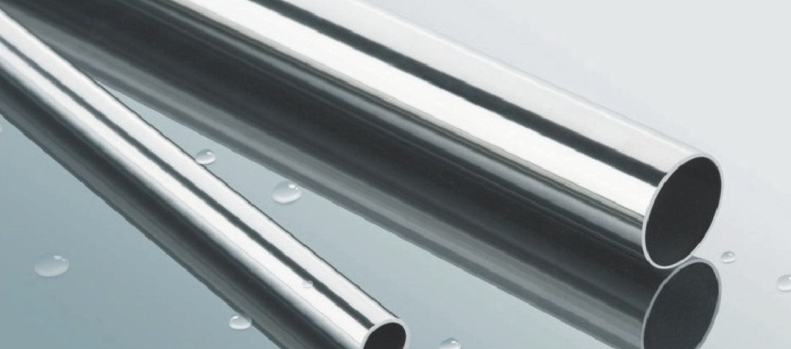

ERW Welded Pipe (Black Pipe and Hot-dip Galvanized Steel Pipe)
Handan Zhengda Steel Pipe Co., Ltd.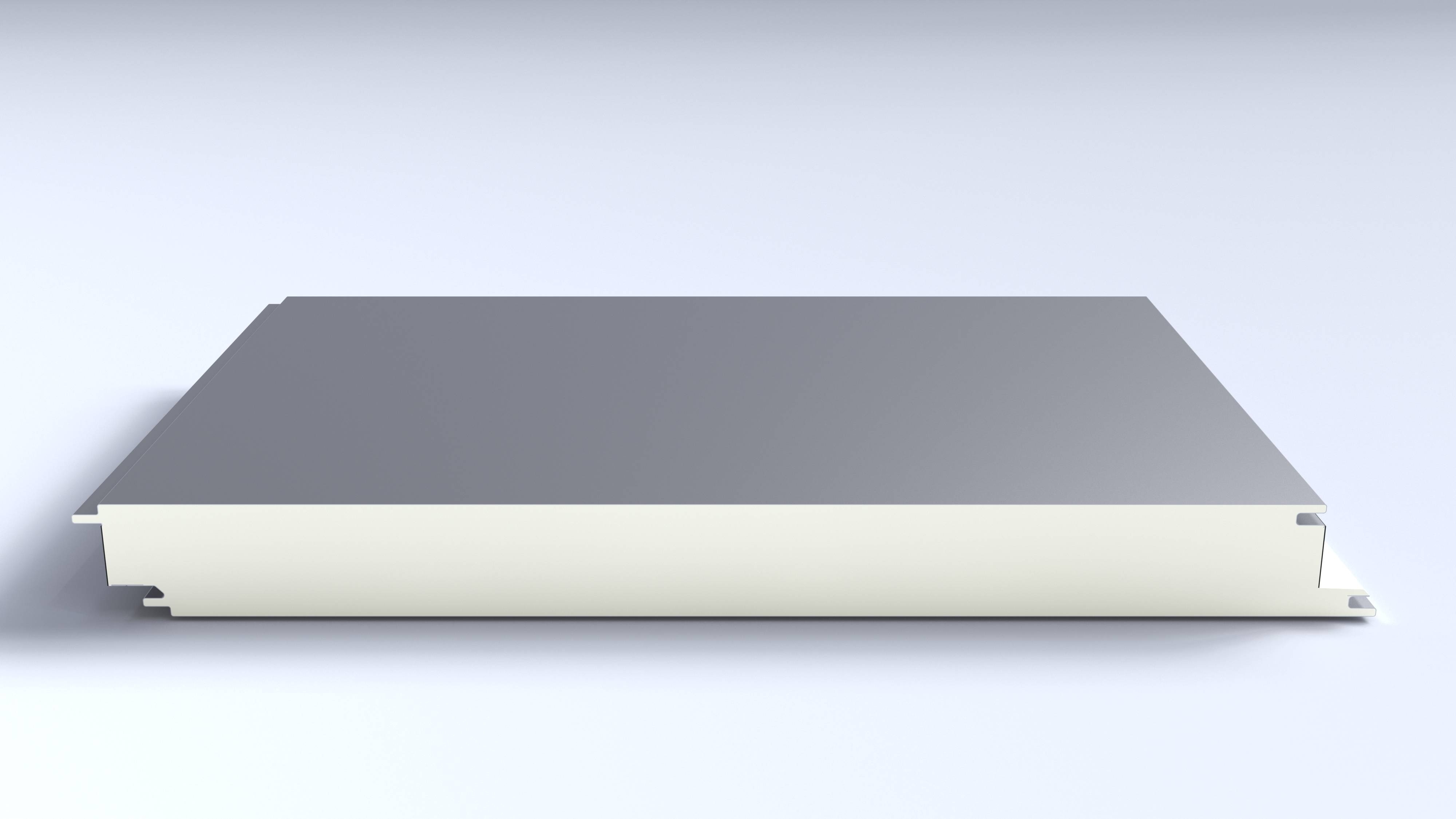
Pure Polyurethane Wall Panel BD-AEF-PIR-01
Baodu International Engineering Technology Co., Ltd.
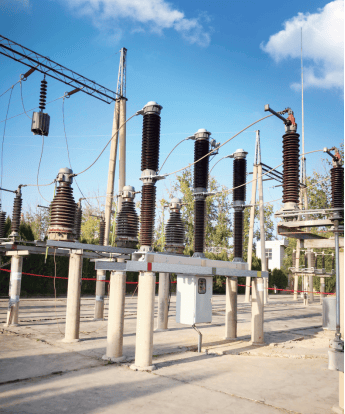
145kV Porcelain Column Type Sulfur Hexafluoride Circuit Breaker
TBEA ZONFA Shanghai High Voltage Switchgear Co., Ltd.

Acoustic Mineral Fiber Ceiling Tile 595x595x12mm
Shanxi Pano Trading Co., Ltd
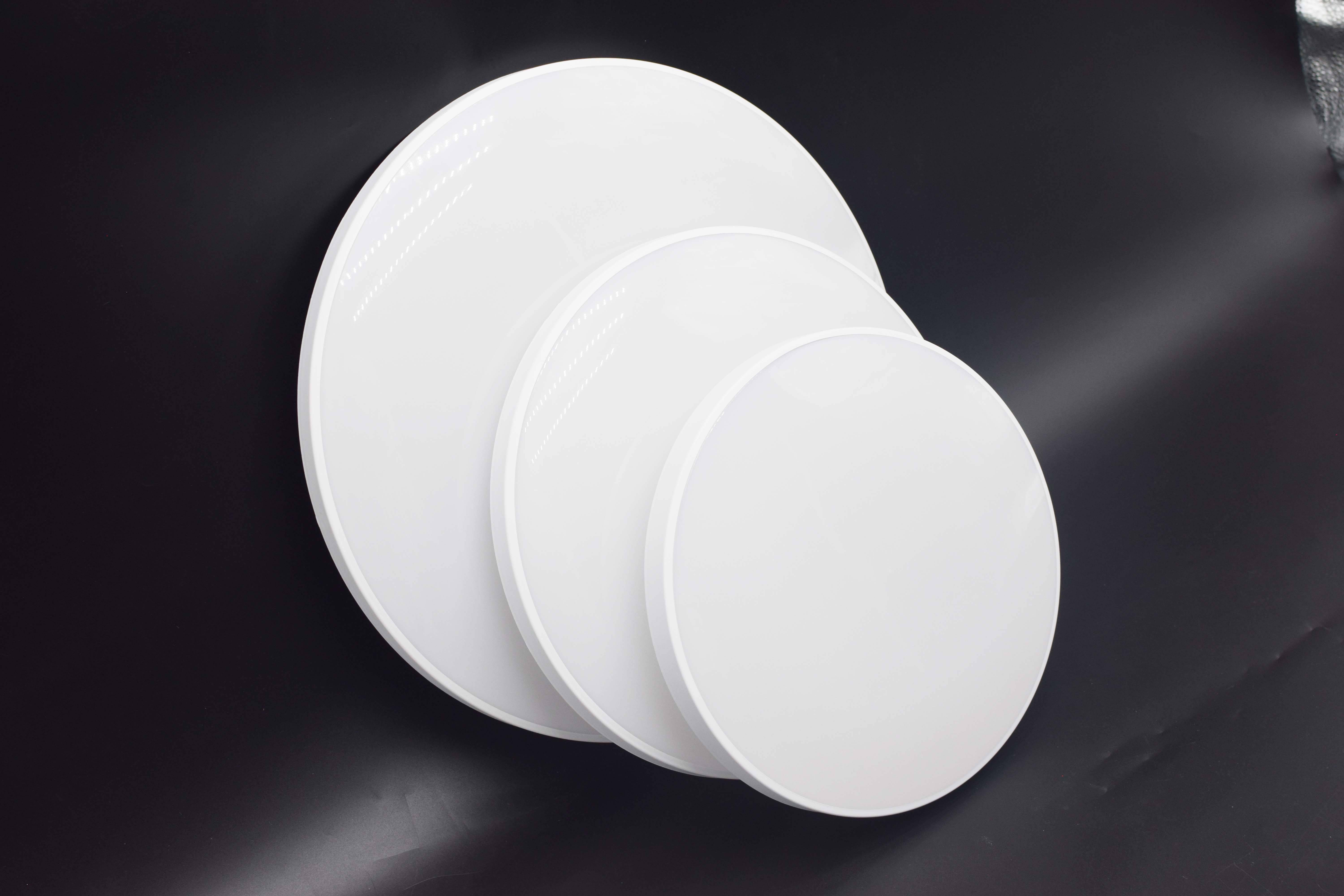
Ceiling light | led Ceiling Light | LED Indoor light | LED Ceiling lighting
Queendom Group Technology Co., Ltd.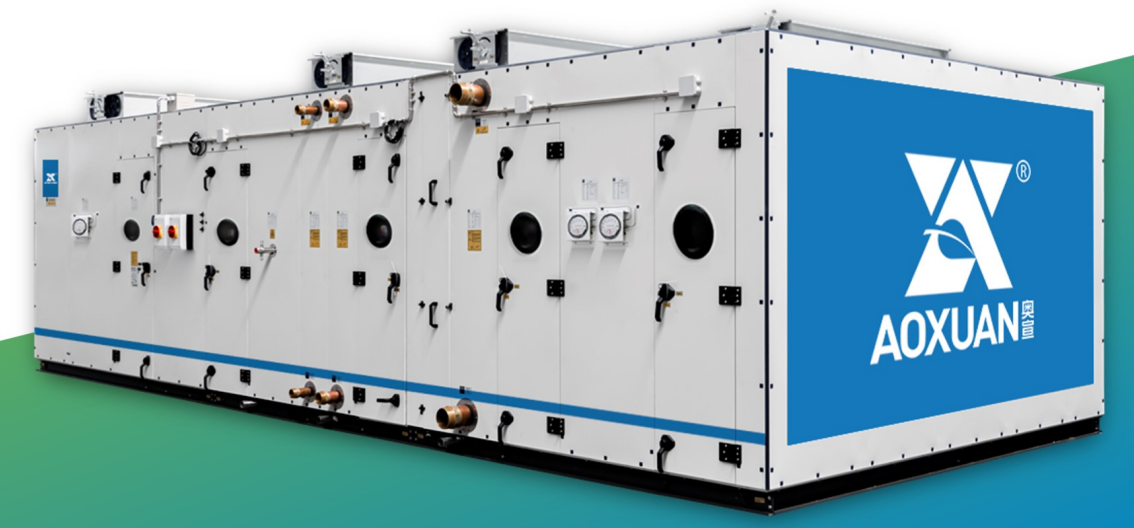
Aoxuan Intelligent Precision Air Conditioning Unit
SHANGHAI AOXUAN PURIFICATION TECHNOLOGY CO., LTD.