Brazil's Sicoob Expects to Disburse R$70 Billion in Rural Credit for 2026/2027
en.Wedoany.com Reported - Sicoob expects to disburse R$70 billion in rural credit during the 2026/2027 Agricultural Harvest Plan cycle, with Minas Gerais state receiving R$20.4 billion, accounting for approximately 30% of the national total. The cooperative led its operations in the state during the previous harvest season.
Sicoob plans to expand credit access for producers of different scales, focusing on family farming and medium-sized producers. This forecast aligns with data from the 2025/2026 harvest season, when the institution's rural credit disbursement grew 6.88% compared to the previous cycle, completing over 194,700 transactions in Brazil. In the new harvest season, Sicoob will provide R$11.5 billion through the National Program for Strengthening Family Farming (Pronaf), a 39% increase over the previous cycle; R$15.8 billion through the National Program to Support Medium-Sized Rural Producers (Pronamp), a 48% increase; and R$42.7 billion for other producers. In terms of fund allocation, agriculture will concentrate R$27.8 billion, representing 40% of the total forecast; livestock will receive R$19.5 billion, accounting for 28%; and another R$22.7 billion will be allocated to non-specific operations, representing 32% of the forecast.
Marcelo Carneiro, Sicoob's Director of Commercial and Business Development, stated that the expectation is to maintain growth in the rural credit portfolio and expand the institution's presence in municipalities with limited financing supply. He noted that rural producers have strong demand for credit, and Sicoob is ready to grow with them, expanding credit access in areas less covered by the traditional banking system.
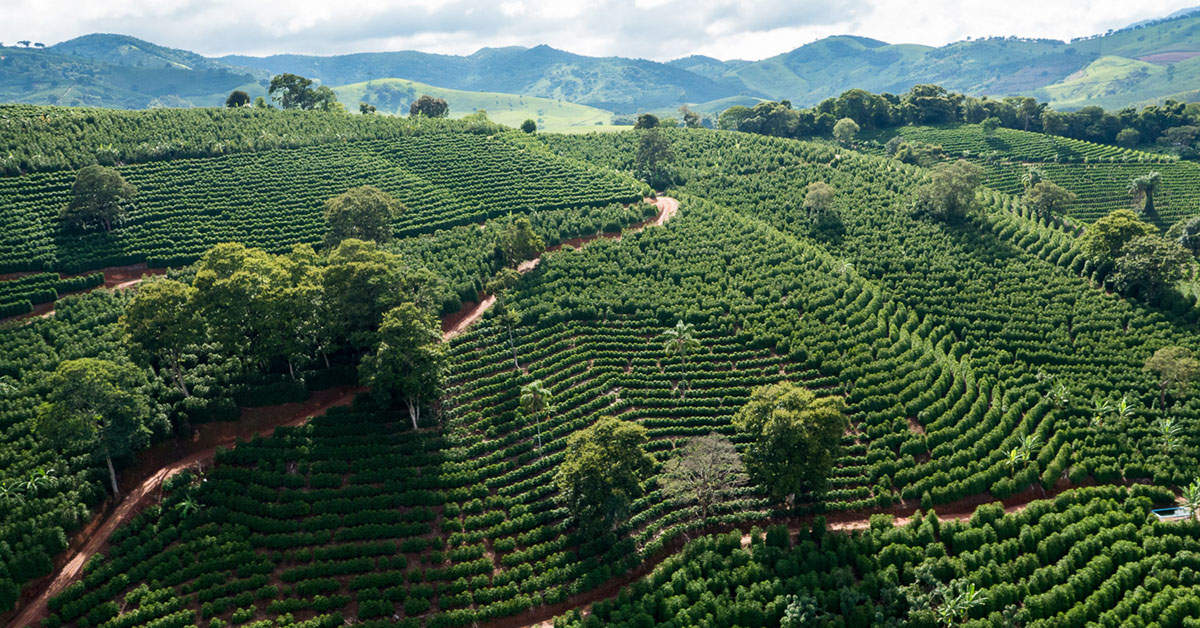
Minas Gerais state became the largest recipient of Sicoob's rural credit in the 2025/2026 harvest season. According to the institution's data, R$15.96 billion was financed through 60,400 contracts, equivalent to 29% of the institution's national rural credit total and 34% of its transaction volume. For the 2026/2027 Agricultural Harvest Plan, the state is expected to disburse R$20.4 billion, maintaining a share close to 30% of the national total. The state also expanded its rural credit market share from 22.06% to 23.30%, maintaining the second position among financial institutions in this sector. In the previous harvest season, 42.7% of the funds disbursed in the state were used for production costs, covering input purchases, crop management, and livestock maintenance. The economic activities receiving the most funds included coffee cultivation, cattle ranching, and soybean production. The institution noted that the extensive coverage of the cooperative network in the state is one of the performance factors, with cooperatives in Minas Gerais accounting for 93% of the state's disbursements.
Data from the 2025/2026 harvest season shows that 63% of Sicoob's transactions served small and medium-sized rural producers, with an average transaction amount of R$155,300. Nationally, approximately 40% of transactions went to agriculture, primarily targeting soybean, coffee, sugarcane, and corn crops; livestock accounted for 28% of contracts, with cattle ranching standing out; and non-specific operations represented 32%. According to the institution, rural credit disbursement has grown 162% over the past five harvest seasons, driven by factors including the expansion of the cooperative network, entry into new municipalities, and an increase in the number of producers served. Currently, Sicoob has over 3,390 active rural credit service points, with more than 600,000 cooperative members in the agricultural sector.
Related Products
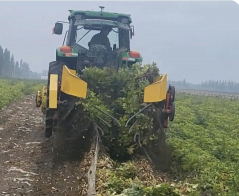

4HS-8 High-efficiency Peanut Inverted-laying Harvester
Hebei Yongfa Hongtian Agricultural Machinery Manufacturing Co., Ltd.



Industrial and Commercial Point-Type Gas Detector
Jinan Benan Technology Development Co., Ltd.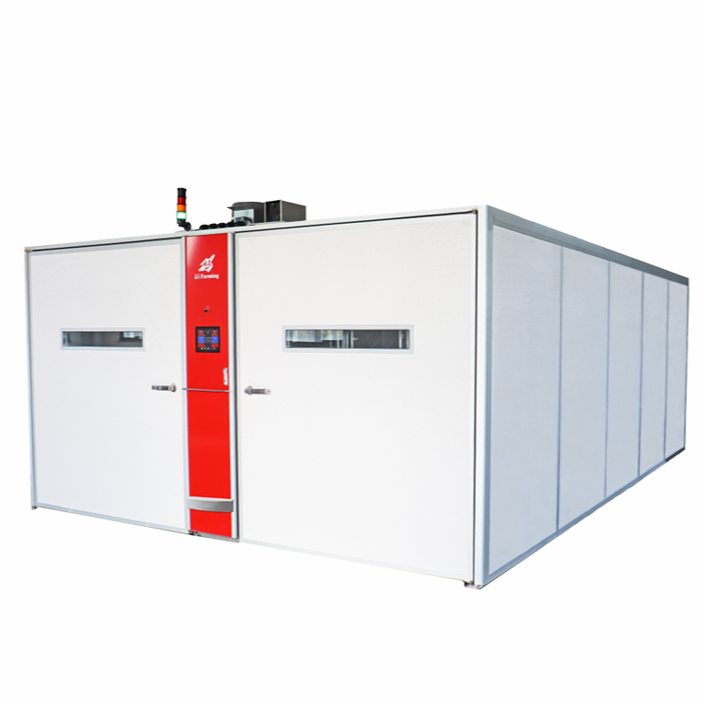
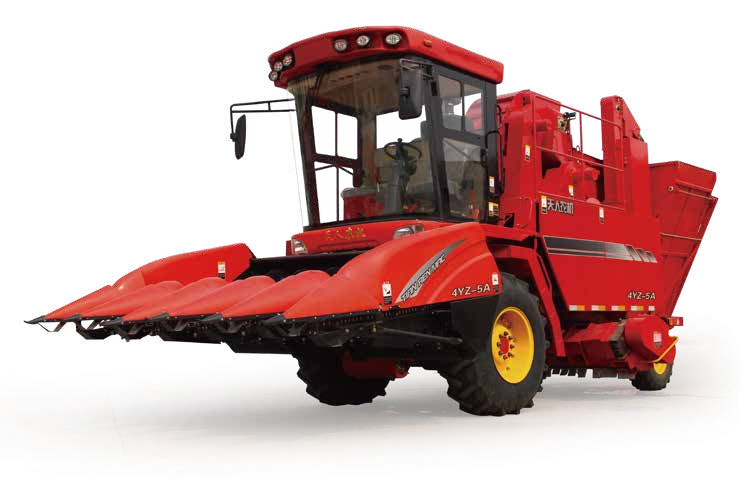

714CD Series C-Band Weather Radar
Chengdu Zhongdian Jinjiang Information Industry Co., Ltd.