Chinese Academy of Agricultural Sciences Hosts Agricultural Science Forum Focusing on Farmland Conservation and Food Security
en.Wedoany.com Reported - The Chinese Academy of Agricultural Sciences (CAAS) held the 5th Agricultural Science Forum of 2026 on July 2, focusing on farmland quality improvement and soil carbon cycling research. Xu Minggang, head of the Expert Group on Farmland Quality Construction of the Ministry of Agriculture and Rural Affairs and an academician of the Chinese Academy of Engineering, Chen Ji, a researcher at the Institute of Earth Environment of the Chinese Academy of Sciences, and Liang Yuting, a researcher at the Institute of Soil Science of the Chinese Academy of Sciences, were invited to deliver reports. Yang Zhenhai, Secretary of the Party Leadership Group of CAAS, attended the meeting, and Vice President Ye Yujiang presided over the session.
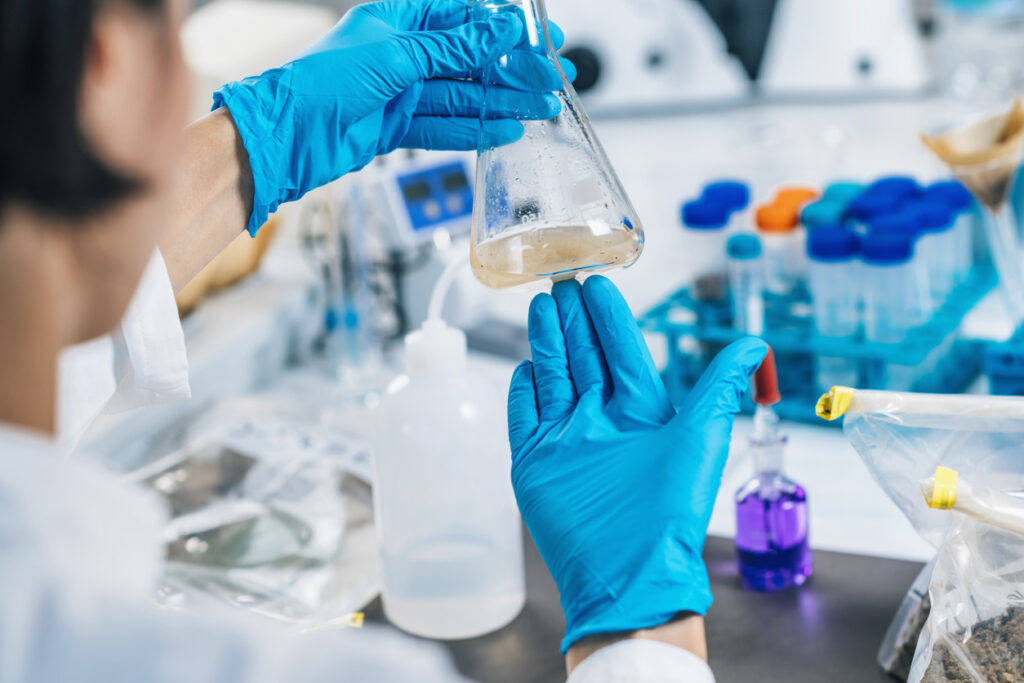
Xu Minggang, under the title "Characteristics and Enhancement of China's Farmland Fertility: Key Technologies and Food Security," outlined the current status of farmland fertility degradation in China, systematically explained principles and technologies such as soil organic matter improvement and acidification prevention and control, shared innovative results from long-term positioning experiments, and looked ahead to the direction of China's farmland science and technology innovation during the "15th Five-Year Plan" period. Chen Ji, focusing on the theme "Sources and Mechanisms of Uncertainty in Soil Carbon Cycling," analyzed current research progress on quantifying the upper limit of soil carbon storage and the response of carbon pools to warming disturbances, and proposed key scientific issues requiring breakthroughs and future research directions in soil carbon cycling studies. Liang Yuting, under the title "Construction of Synthetic Bacterial Communities in Red Soil under Acid-Aluminum Stress and Cell Wall Regulation Mechanisms," explained the identification and construction technology of aluminum-tolerant functional bacterial communities, elucidated the dual aluminum-tolerance regulation mechanisms in the rhizosphere and cell wall, and envisioned the application prospects of microbiome empowerment for improving the quality and efficiency of farmland resources. The reporting experts engaged in interactive exchanges with on-site researchers.
The meeting concluded that improving farmland quality is a crucial lever for ensuring food security and implementing the "dual carbon" strategy. It should focus on the frontiers of farmland conservation, coordinate scientific research with a systematic approach, uphold a rigorous academic attitude of deep cultivation and meticulous study, and promote the deep integration of basic soil theories with farmland fertility cultivation, farmland carbon sequestration and emission reduction, and acidic soil improvement practices, thereby consolidating the foundation for sustainable utilization of farmland resources and food security. The forum closely aligned with major national needs, built a high-level academic exchange platform, gathered top experts to share cutting-edge achievements and pool innovative forces, providing solid academic support for strengthening the theoretical foundation of soil science and promoting low-carbon green development in agriculture. Nearly 300 representatives from relevant research teams and graduate students of CAAS-affiliated units attended the meeting.
Related Products




4HS-8 High-efficiency Peanut Inverted-laying Harvester
Hebei Yongfa Hongtian Agricultural Machinery Manufacturing Co., Ltd.
714CD Series C-Band Weather Radar
Chengdu Zhongdian Jinjiang Information Industry Co., Ltd.
Industrial and Commercial Point-Type Gas Detector
Jinan Benan Technology Development Co., Ltd.