Soil Restoration Technology from the Peruvian Amazon Research Institute Recognized by FAO
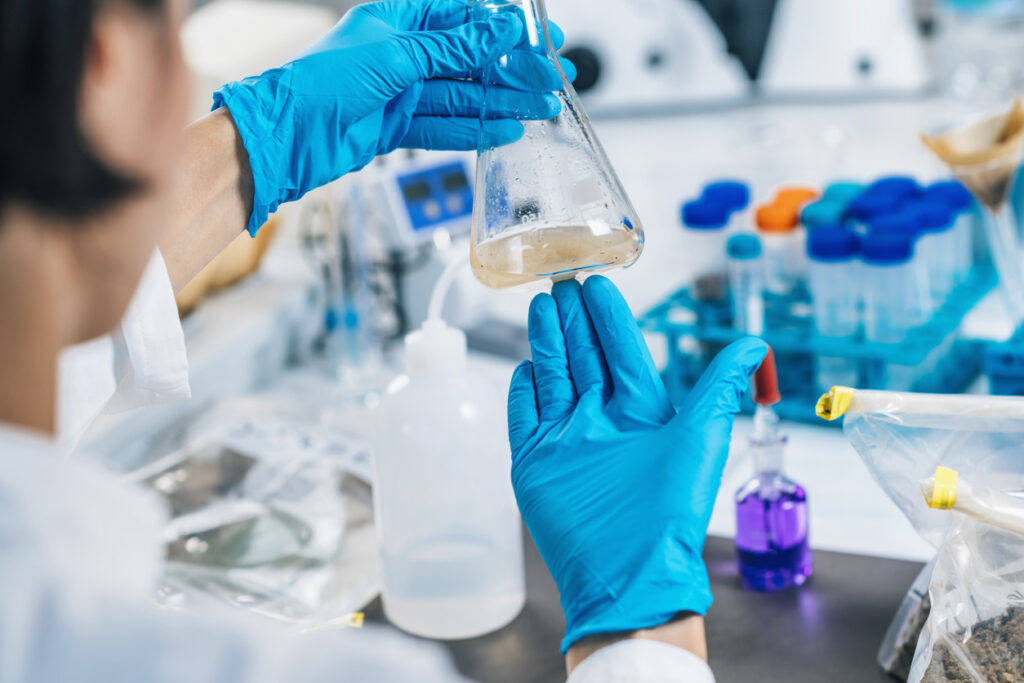
en.Wedoany.com Reported - The Food and Agriculture Organization of the United Nations (FAO) has included a soil restoration technology developed by the Madre de Dios branch of the Peruvian Amazon Research Institute (IIAP) in its global repository of good practices for sustainable agriculture and natural resource management. This technology aims to rehabilitate land degraded by illegal alluvial gold mining.
After evaluation by FAO, the project titled "Health Restoration of Degraded Soils from Alluvial Gold Mining in the Peruvian Amazon: A Focus on Food Security and Economic Recovery" was selected, recognizing its contributions to ecological restoration and sustainable development.
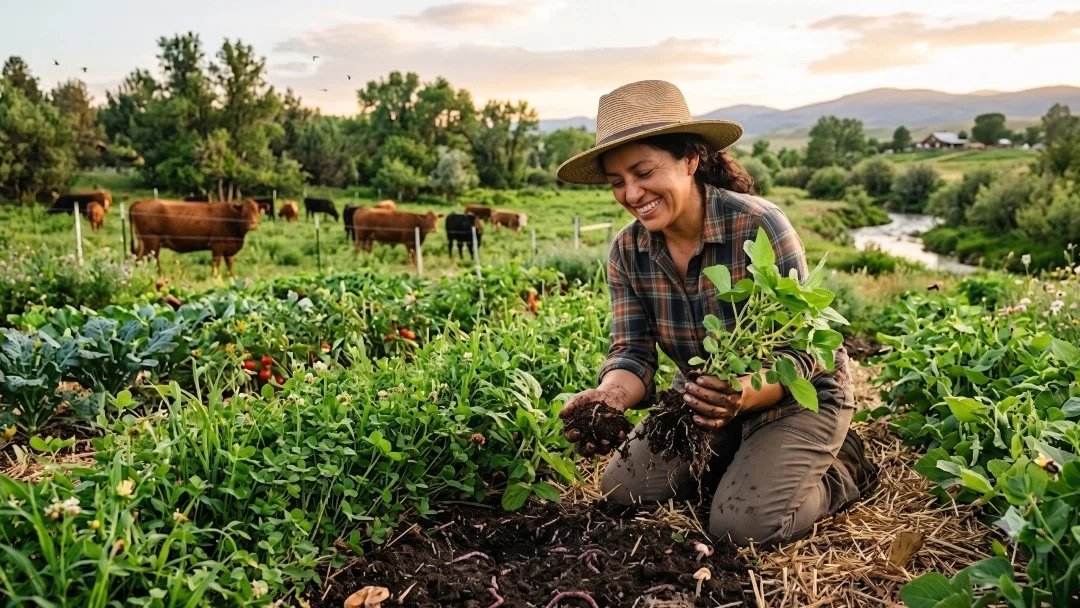
Illegal alluvial gold mining has led to forest degradation in the Amazon, accelerated soil erosion, reduced fertility, and contaminated water bodies. In response, IIAP developed a technology centered on establishing agroforestry systems and sowing leguminous cover crops on degraded land. Leguminous plants fix nitrogen and provide organic matter to the soil, while vegetation cover reduces soil temperature and evapotranspiration, creating a favorable microclimate for biodiversity recovery. The institute validated this method in collaboration with affected communities.
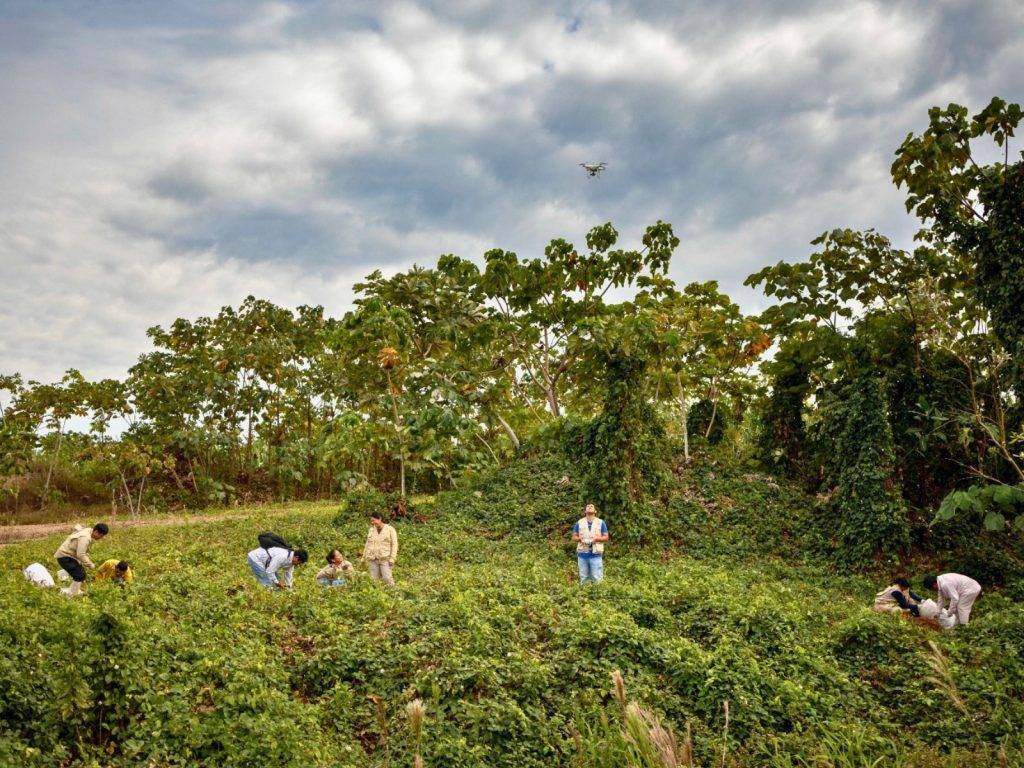
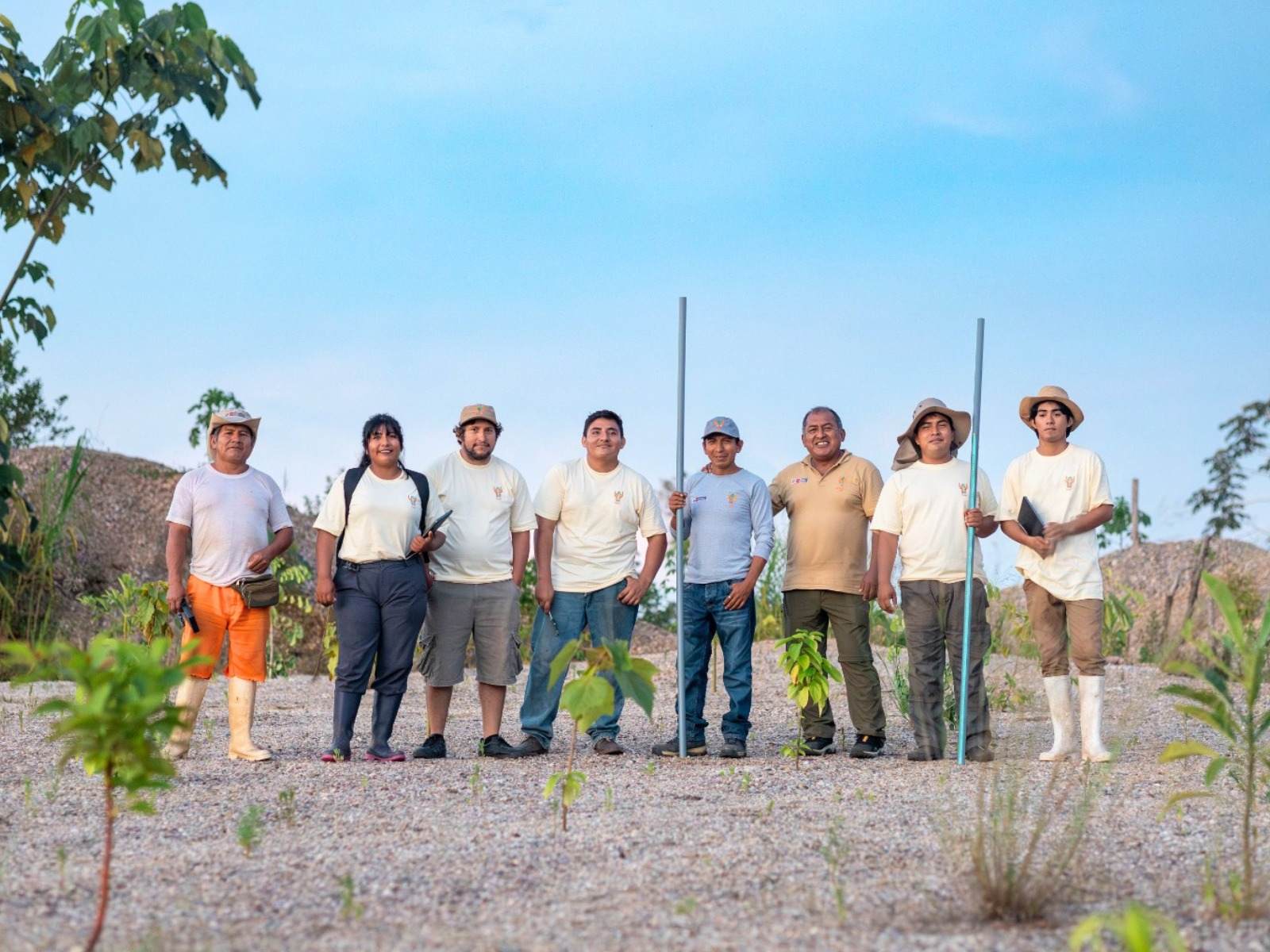
The project brought together the Federation of Indigenous Communities of the Madre de Dios River and its tributaries, as well as over 250 families from the communities of San Jacinto, San José de Carené, and Horacio Zevallos in the Madre de Dios region, and the Camanti community in the Cusco region. This collaboration enabled the technology to be adapted to local conditions and strengthened its application.
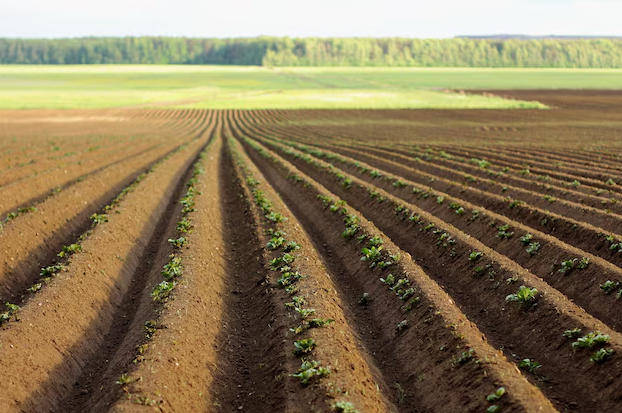
Results showed a 1200% increase in soil organic matter content and the establishment of agroforestry systems on 25 hectares of farmland. The project also facilitated knowledge exchange between researchers and farmers; training and educational materials supported soil restoration and helped improve the economic conditions of participating families.
Engineer Ronald Corvera Gomringer, Master's degree holder and Director of the IIAP Madre de Dios branch, stated that FAO's global recognition reinforces the research team's commitment, demonstrating that the technology developed in the Madre de Dios region can be effectively scaled up to reverse the damage caused by alluvial gold mining and restore soil vitality. The institution's mission is to continue research with communities, transforming degraded areas into productive ecosystems that ensure food security and sustainable development in the Amazon.
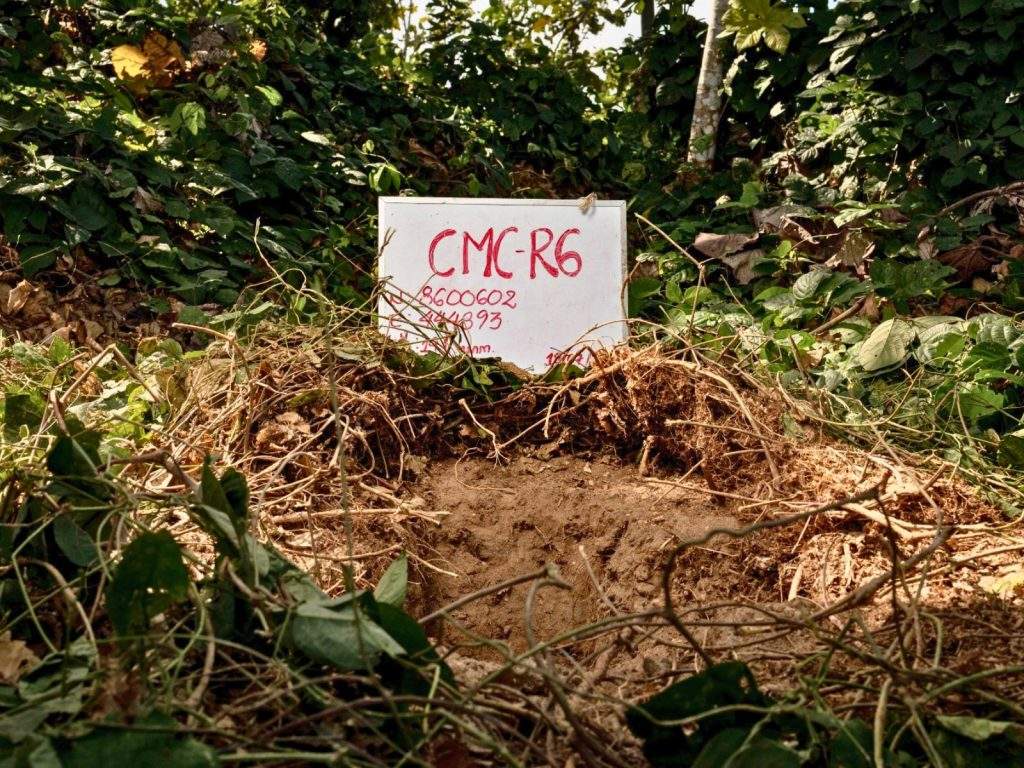
The research team that developed this technology consists of Gabriel Velásquez, Adenka Muñoz, Pedro Nascimento, Edgar Cusi, Edwin Becerra, María Fernanda Moya, José Flores Bustos, Dennis Del Castillo, and Ronald Corvera Gomringer, based on years of scientific research findings.
The FAO publication includes this technology developed in Madre de Dios, along with experiences from various countries aimed at strengthening sustainable agrifood systems. The document is available for free download at: https://doi.org/10.4060/cd9032es.
Related Products


4HS-8 High-efficiency Peanut Inverted-laying Harvester
Hebei Yongfa Hongtian Agricultural Machinery Manufacturing Co., Ltd.
714CD Series C-Band Weather Radar
Chengdu Zhongdian Jinjiang Information Industry Co., Ltd.
Industrial and Commercial Point-Type Gas Detector
Jinan Benan Technology Development Co., Ltd.