Nigerian President Tinubu Approves Reconstruction of 135km Lagos-Ibadan Expressway
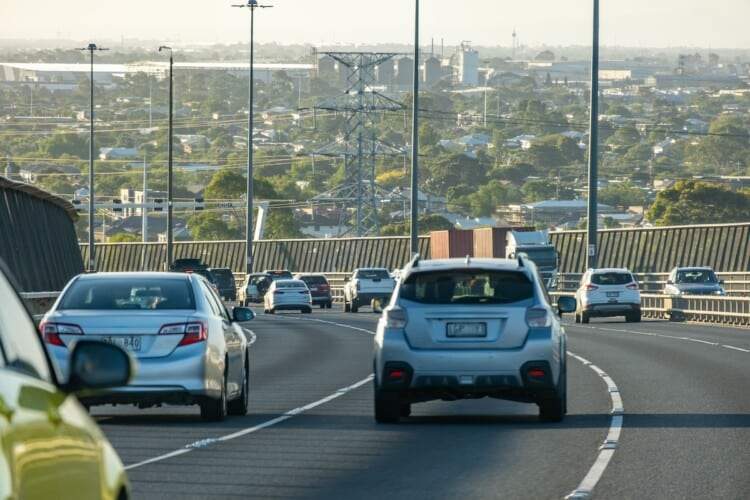
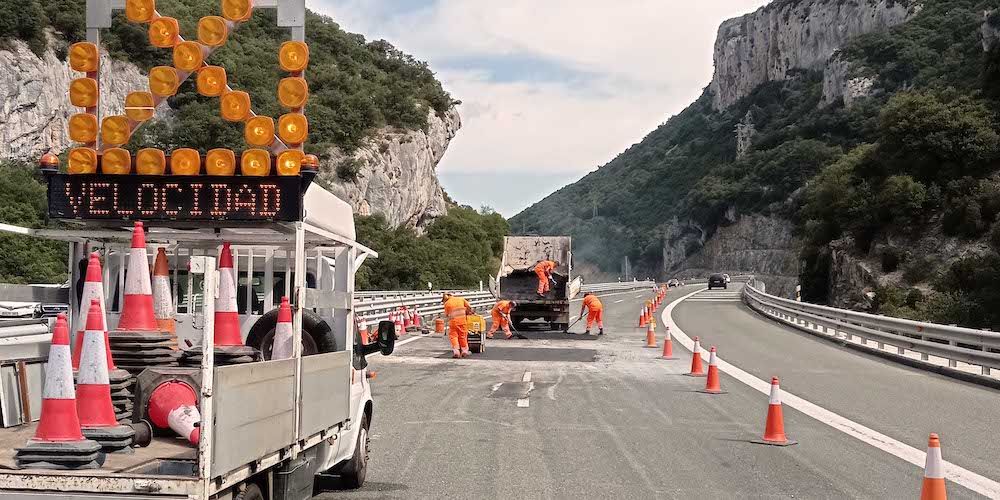
en.Wedoany.com Reported - Nigerian President Bola Tinubu has approved the reconstruction of the Lagos-Ibadan Expressway using reinforced concrete pavement technology, with the federal government stating that this move aims to extend the road's lifespan and reduce long-term maintenance costs.
Minister of Works David Umahi announced the approval during a media briefing in Abuja. He explained that the decision aligns with the ministry's policy of promoting reinforced concrete pavement on major federal highways due to its superior durability. Umahi noted that although the 135-kilometer dual carriageway was completed less than five years ago, signs of pavement deterioration have already emerged. He revealed that the President approved the reconstruction plan the previous day, which is also a key reason for the ministry's push for reinforced concrete pavement. Umahi stated that previous repairs on the road failed to address recurring pavement defects. He emphasized that after reconstruction with reinforced concrete pavement, the road's lifespan could be extended to 50 to 100 years without requiring maintenance.
Umahi also announced that President Tinubu approved a 400-kilometer extension of the Fourth Legacy Highway, increasing the total length of the planned corridor from approximately 700 kilometers to about 1,100 kilometers. The new section will pass through Taraba State, aiming to strengthen transportation links between Nigeria's North-Central and North-East regions. Additionally, the President approved the completion of the Ibi Bridge project in Taraba State. The project, which began bidding in 2018, was suspended after about 40% completion. Tinubu also approved the construction of a new 5.76-kilometer Lau Bridge over the Benue River in Taraba State, which has been cleared to enter the design, procurement, and bidding phase.
Umahi further stated that the President approved the dualization of a 400-kilometer section of the Lokoja-Benin corridor. He noted that these approved projects are expected to improve connectivity, boost trade, and strengthen national transportation infrastructure.
Related Products


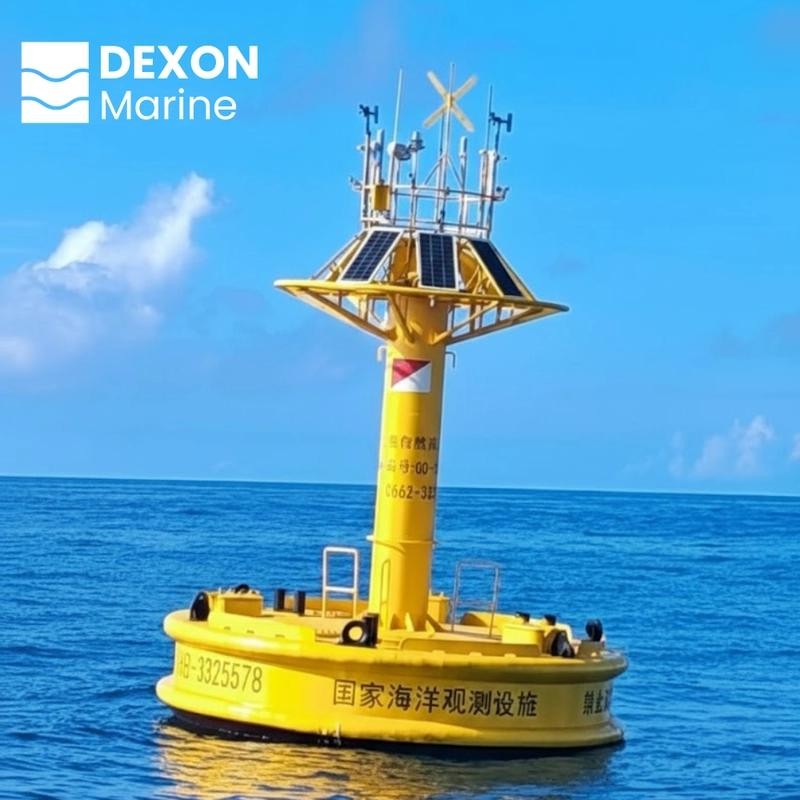
3m intelligent buoy combining navigation safety and real-time marine monitoring integrated navigation and marine monitoring system for real-time maritime data
Chengdu Dixin Technology Co., Ltd.
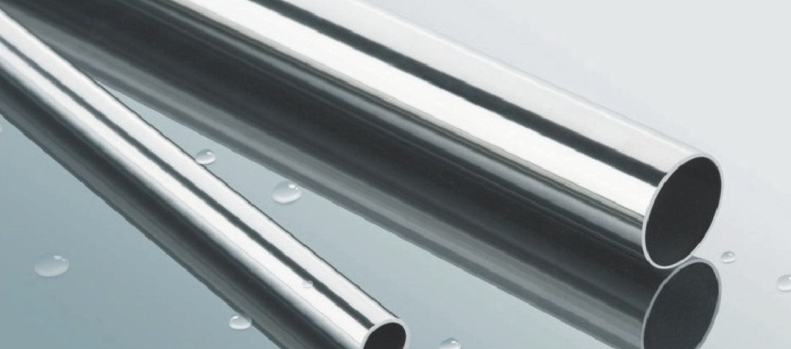
ERW Welded Pipe (Black Pipe and Hot-dip Galvanized Steel Pipe)
Handan Zhengda Steel Pipe Co., Ltd.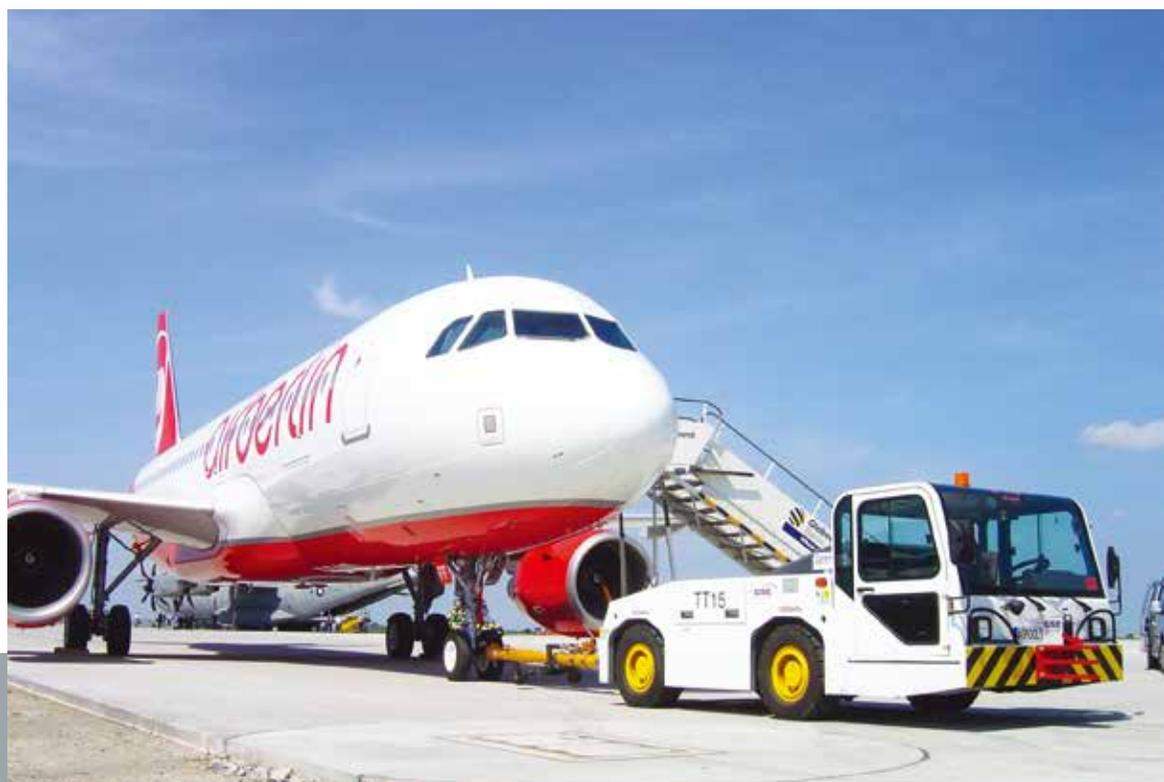
WGQY Series Aircraft Tow Tractor-WGQY15, WGQY27
Weihai Guangtai Airport Equipment Co., Ltd.

Industrial and Commercial Point-Type Gas Detector
Jinan Benan Technology Development Co., Ltd.