Hitachi Rail Wins Contract to Upgrade Signals on Toronto's Subway Line 2, Boosting Capacity by 40%
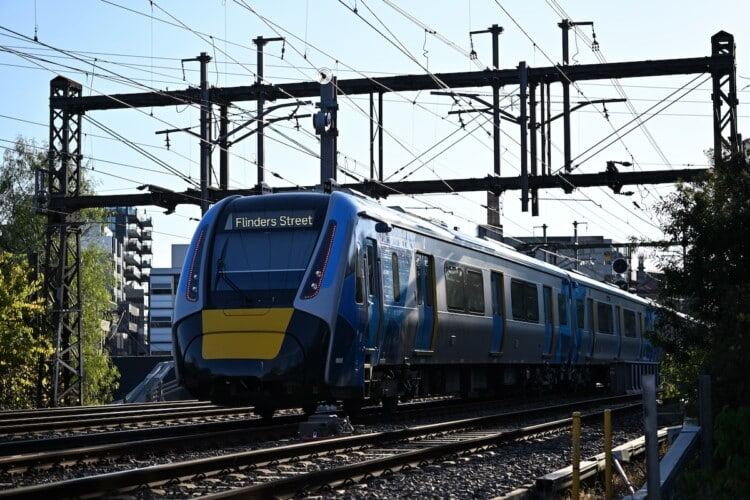
en.Wedoany.com Reported - Hitachi Rail has secured a contract to upgrade the signaling system on the Toronto Transit Commission (TTC) Line 2, replacing aging infrastructure in use since the 1960s with Communications-Based Train Control (CBTC) technology.
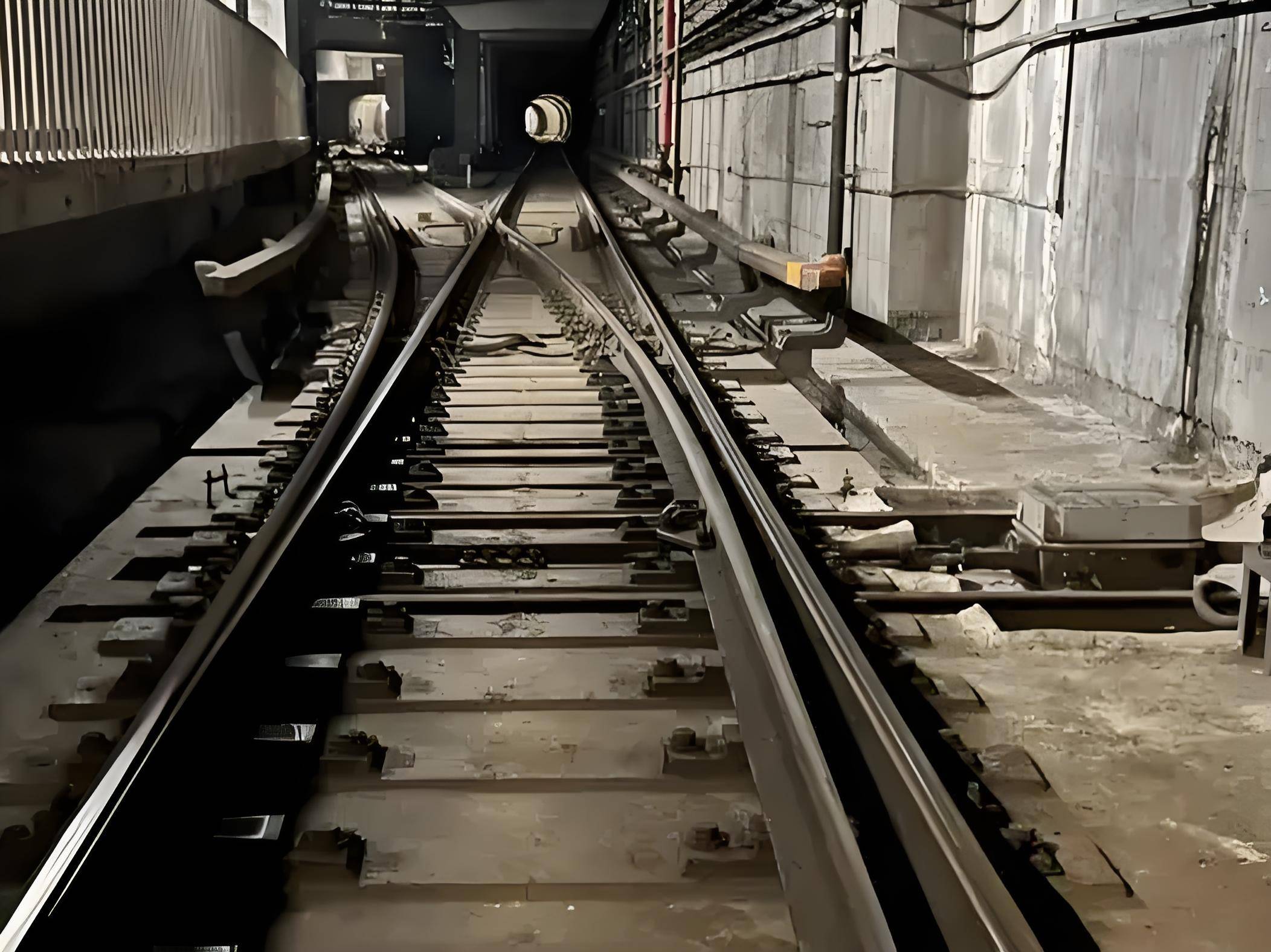
The project will deploy Hitachi Rail's SelTrac™ CBTC system along the 26-kilometer Bloor-Danforth line. Through Automatic Train Control (ATC), the system allows trains to operate at closer intervals while maintaining safe distances.

Once the upgrade is complete, Line 2 will be able to carry up to 33,000 passengers per hour during peak periods, compared to the current capacity of 23,400 passengers per hour, representing a capacity increase of up to 40%.
The signaling upgrade aims to enhance operational reliability on one of Toronto's busiest subway corridors, which serves over 500,000 passengers daily. The upgrade will also increase operational flexibility to meet growing passenger demand.
The same signaling technology will also be installed on the 7.8-kilometer Scarborough Subway Extension, currently under construction. This extension will add three new stations—Sheppard, McCowan, and Scarborough—and is expected to bring approximately 38,000 additional residents within walking distance of the subway network.
TTC CEO Mandeep S. Lali stated that the agency is modernizing the TTC by investing in systems that enhance capacity, improve reliability, increase safety, and support urban growth. He noted that ATC represents the next evolution in signaling, enabling the TTC to better manage trains in real time and provide more frequent service to passengers.
The project will be delivered by Hitachi Rail's Canadian headquarters in Toronto, which houses the company's global urban signaling capability center. Over 1,100 employees work there, designing, testing, and developing signaling systems for subway networks in Canada and internationally.
Hitachi Rail originally developed its SelTrac CBTC technology in Toronto in the 1970s. Since then, the system has been deployed on over 100 transit lines across more than 40 countries and has now evolved to its ninth generation.
The company is also currently investing CAD 100 million in Toronto to develop next-generation signaling technology, including systems that integrate artificial intelligence and 5G communications.
Arnaud Besse, Managing Director and Chief Operating Officer of Hitachi Rail Canada, stated that the world-leading technology designed in Toronto will improve the passenger experience, enhance reliability, and boost Line 2's capacity by up to 40%. He noted that 50 years ago, Hitachi Rail developed this technology in Toronto and exported it to the world's most complex transit systems, and now it has returned to where it began.
Hitachi Rail currently provides signaling technology for several Canadian transit projects, including the Ontario Line, the Hazel McCallion Line, Vancouver SkyTrain, Ottawa's O-Train, the Montreal Metro network, and Toronto's Finch West LRT.
Related Products



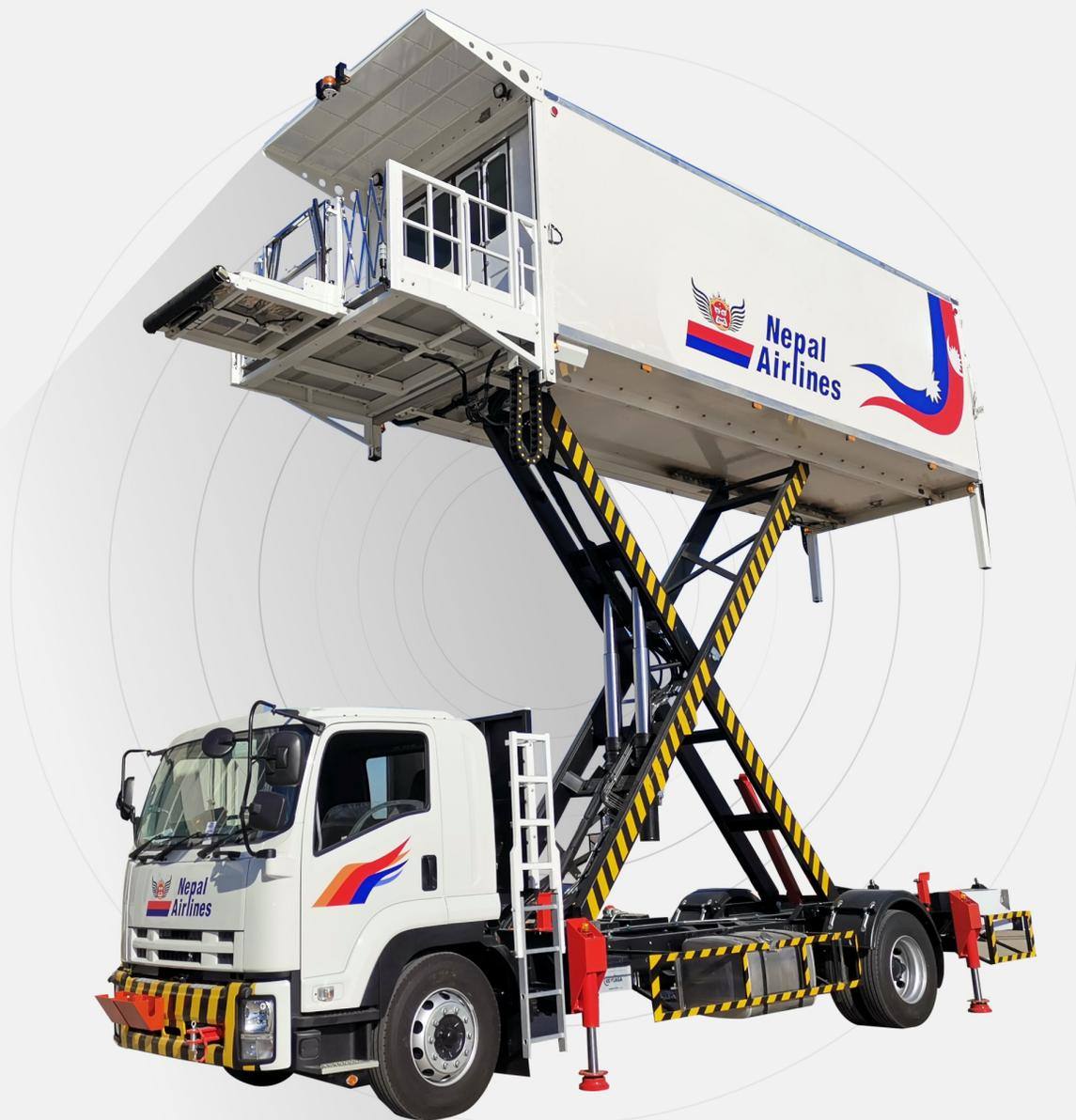
XC-6000e Type Aviation Catering Truck (Fuel Type)
Shenzhen CIMC-TianDa Airport Support Ltd.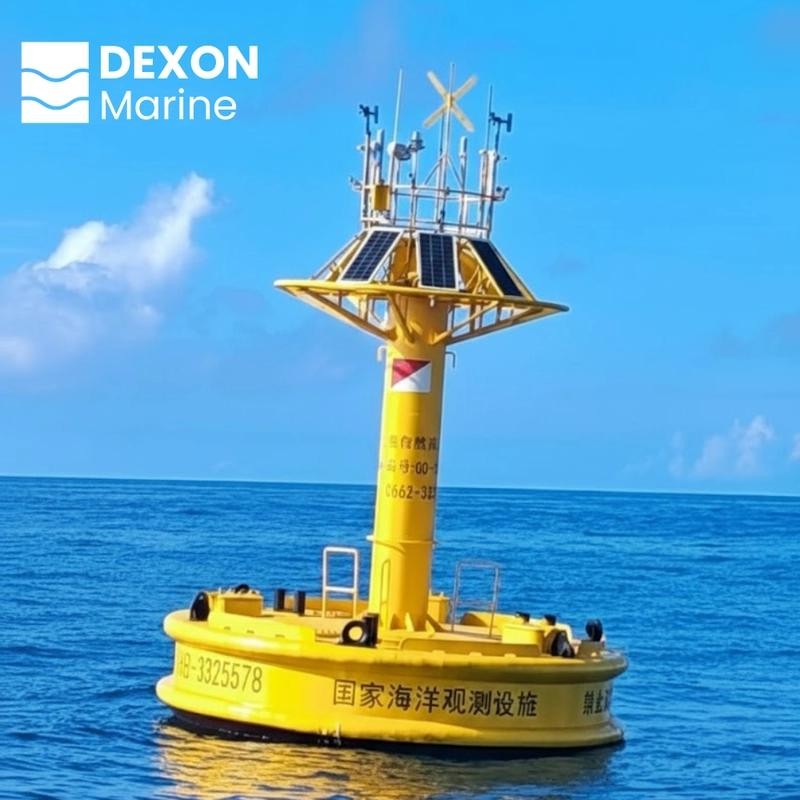
3m intelligent buoy combining navigation safety and real-time marine monitoring integrated navigation and marine monitoring system for real-time maritime data
Chengdu Dixin Technology Co., Ltd.