Maersk July 2026 Report: Structural Volatility in Latin American Supply Chains, On-Time Rate at 62.4%
en.Wedoany.com Reported - A July 2026 Latin America market update report released by Maersk indicates that global supply chains are facing persistent disruptions driven by geopolitical factors, trade policy changes, and climate events, with resilience becoming a core element in navigating an uncertain logistics environment.
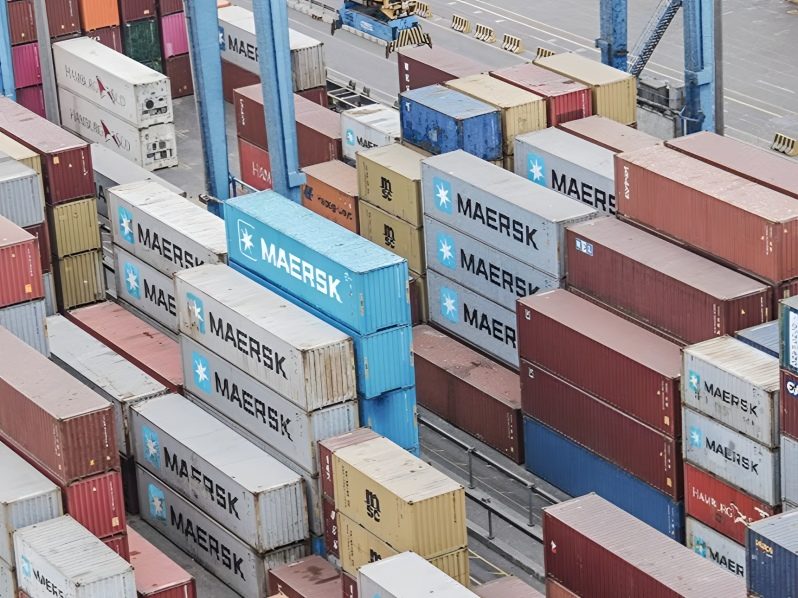
The report argues that disruptions once viewed as isolated incidents now constitute a state of structural volatility, requiring supply chains to adapt, absorb shocks, and maintain operational continuity amid increasingly frequent disruptions.
Among the factors affecting international trade, the report highlights the vulnerability of strategic maritime chokepoints. Citing data from the U.S. Energy Information Administration (EIA), approximately 20% of the global oil supply is transported through the Strait of Hormuz, underscoring the importance of monitoring major trade routes and their potential impact on energy markets.
The reliability of maritime services remains constrained by this situation. According to Sea-Intelligence data, the on-time performance rate for vessel schedules in April 2026 was 62.4%, with an average delay exceeding five days. Maersk states that these conditions reflect that variability remains a relevant factor in logistics planning, increasing the need for greater visibility and adaptability.
The report identifies climate as another source of uncertainty for the region, particularly due to Latin America's heavy reliance on agricultural exports. Based on information from the World Meteorological Organization (WMO), the probability of an El Niño event occurring between June and August 2026 is 80%, rising to over 90% by the end of the year.
This phenomenon could lead to increased precipitation in parts of the Andean region, with potential impacts on infrastructure and crops; warmer and drier conditions in Central America and the Caribbean; mixed agricultural outcomes in Brazil and Argentina; and heightened risks for climate-sensitive products such as coffee. The report suggests that these concurrent effects amplify volatility in agricultural production and force logistics networks to adapt to changes in shipment volumes, trade flow shifts, and infrastructure disruptions.
In response to this situation, Maersk states that resilience has evolved from a risk management tool into a strategic element for business growth. Citing data from the World Economic Forum, 74% of business leaders consider resilience a key factor for their organization's development. This need is particularly relevant for Latin America, where infrastructure gaps, exposure to climate risks, and dependence on international trade amplify the impact of disruptions.
Strategies identified to strengthen resilience include: achieving end-to-end high visibility through real-time data, using predictive analytics and artificial intelligence to anticipate disruptions, diversifying suppliers, routes, and markets, enhancing operational flexibility, and tailoring global strategies to specific country conditions.
The report concludes that supply chains are undergoing a structural transformation driven by geopolitical tensions, shifting trade dynamics, and climate variability, with companies moving from reactive approaches to strategies based on visibility, diversification, and adaptability to maintain operational continuity in a persistently volatile environment.