China's LiuGong Surpasses 600,000 Wheel Loaders Produced by 2026, Accelerating Electrification Transition
en.Wedoany.com Reported - LiuGong launched China's first wheel loader, the Z435, in 1966, pioneering the country's path to independent loader manufacturing. Through six generations of continuous product evolution, cumulative total wheel loader production surpassed 600,000 units by 2026. Against the backdrop of accelerating electrification in construction machinery, the domestic market penetration rate of electric wheel loaders in China has exceeded 60%. Leveraging its self-developed component supply and intelligent manufacturing foundation, LiuGong has completed the transition from a fuel-powered benchmark to an electric track leader.
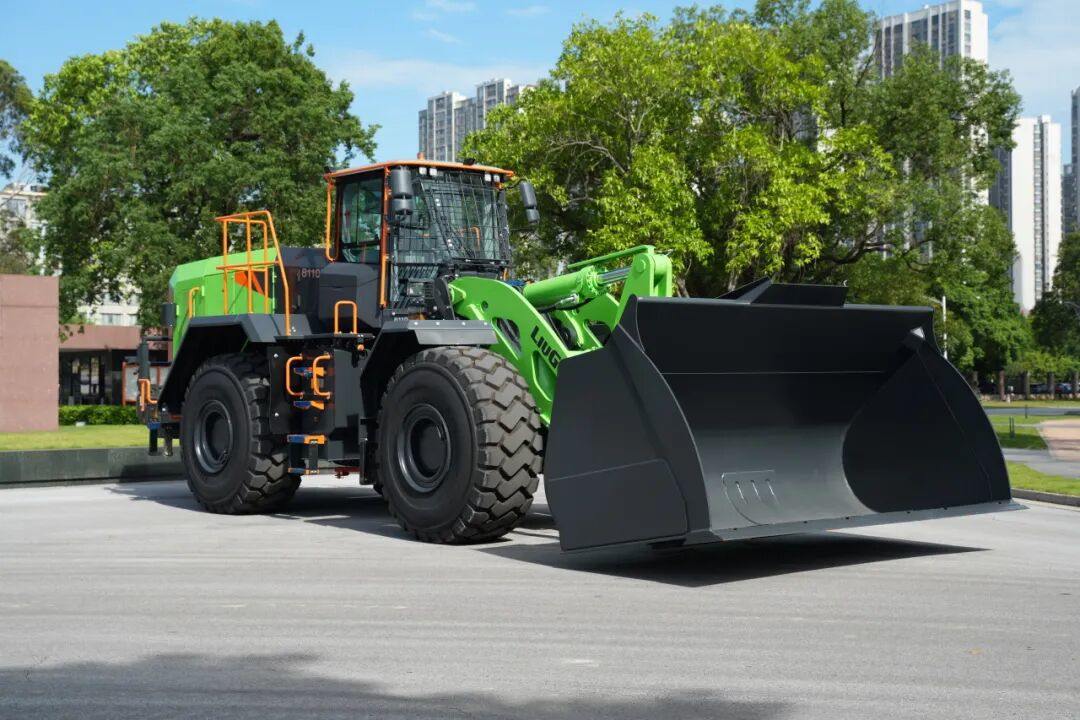
Driven by the dual-carbon strategy, the shortcomings of fuel wheel loaders—high energy consumption, emissions, and maintenance costs—are becoming increasingly prominent. Demand for zero-carbon construction equipment is rising in enclosed operating scenarios such as mines, steel plants, tunnels, and ports. In 2014, LiuGong began laying out its electrification technology roadmap, adopting a forward development approach based on a dedicated pure electric platform, differentiating itself from the industry-common "fuel-to-electric" retrofit path. Building on six generations of heavy-duty equipment technology accumulation, it has progressively overcome core technologies in the three-electric system, electric drive transmission, intelligent electronic control, and multi-scenario charging, establishing a product matrix of electric wheel loaders covering all tonnages.
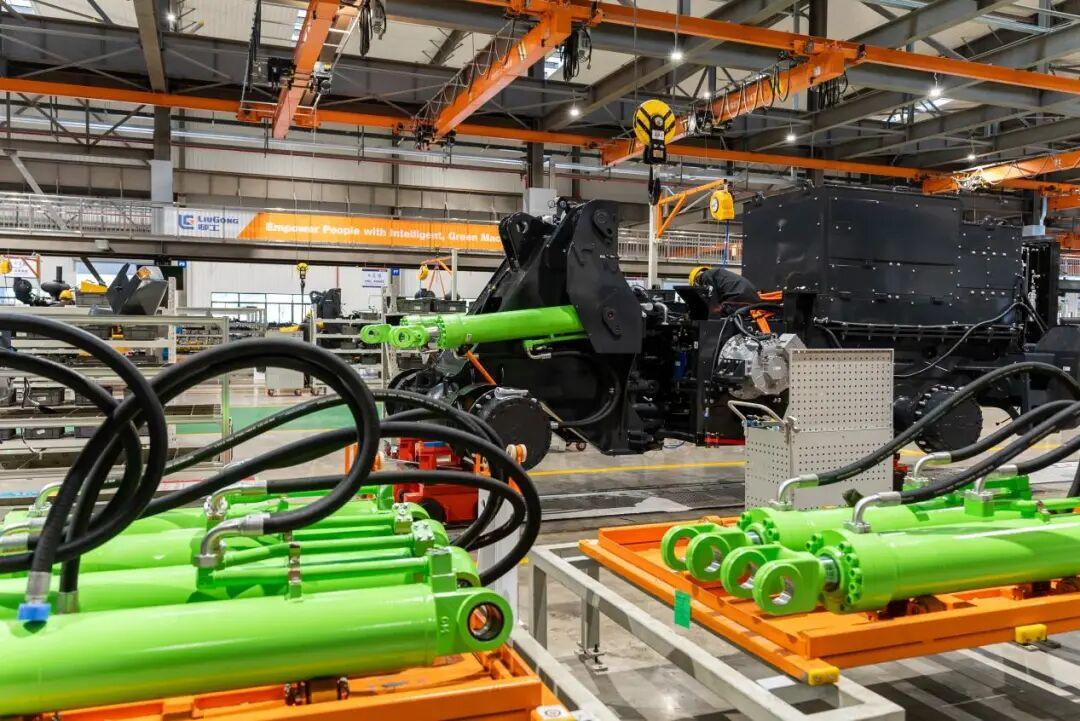
Throughout its 60-year development history, LiuGong has adhered to continuous iteration tailored to working conditions and independent technology R&D. Its self-developed component system and intelligent lean manufacturing system have provided the manufacturing foundation for the implementation of electrification. Unlike the industry's common integration path of purchasing core components externally, LiuGong has achieved independent R&D and manufacturing of key components such as transmissions, hydraulics, and structural parts. Relying on the high-precision mass production capabilities of its smart factory, it has accumulated experience in heavy-duty design, power matching, and extreme condition reliability testing during the manufacturing process of 600,000 complete machines. Key milestones in electrification include: launching the world's first commercial pure electric wheel loader in 2019; deploying an integrated charging and swapping model in 2022; achieving batch commercial deployment of autonomous electric wheel loaders in 2025; and rolling out the 11-ton flagship pure electric model 8110TE in 2026, completing the full-tonnage electric product layout.
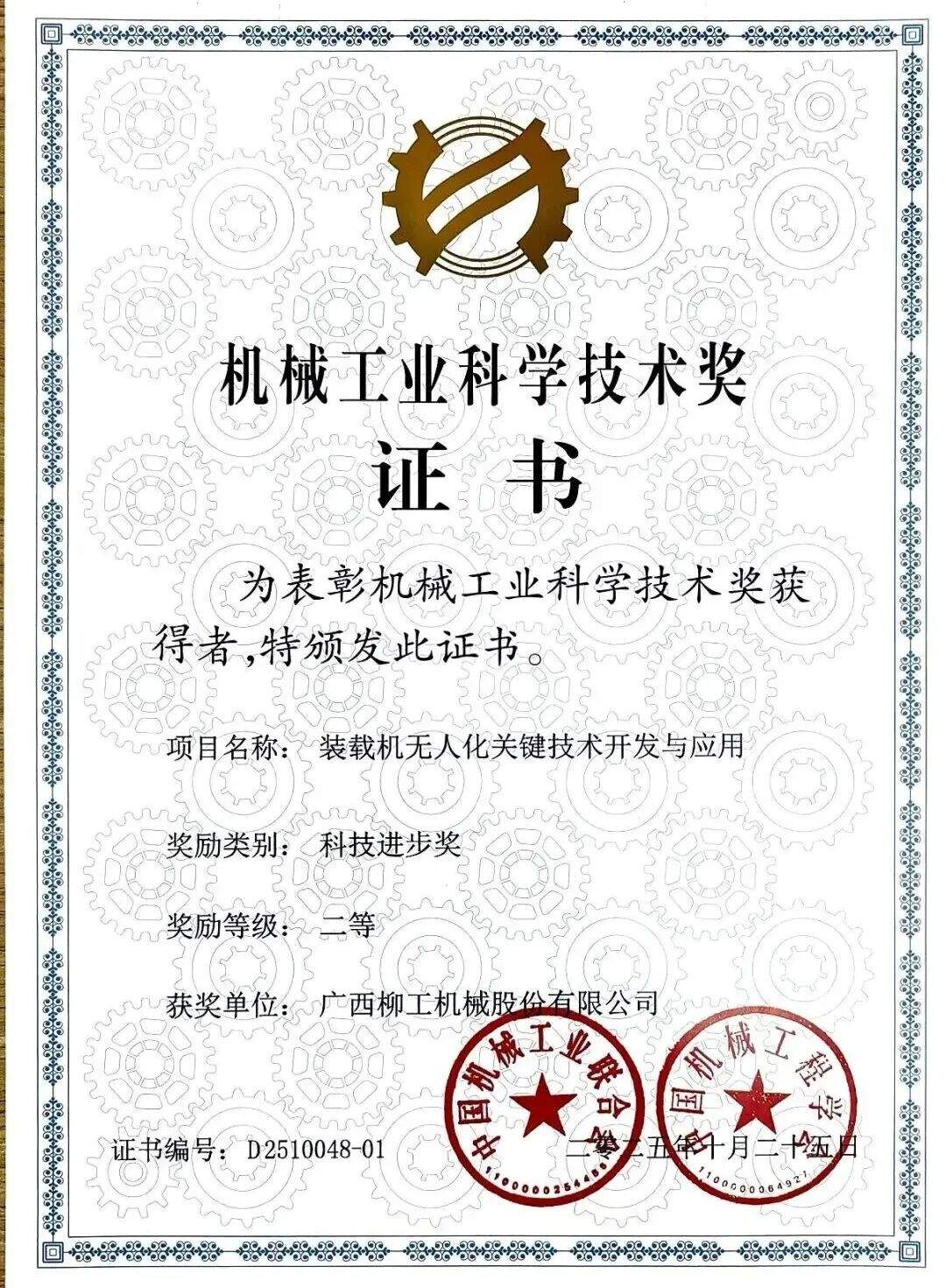
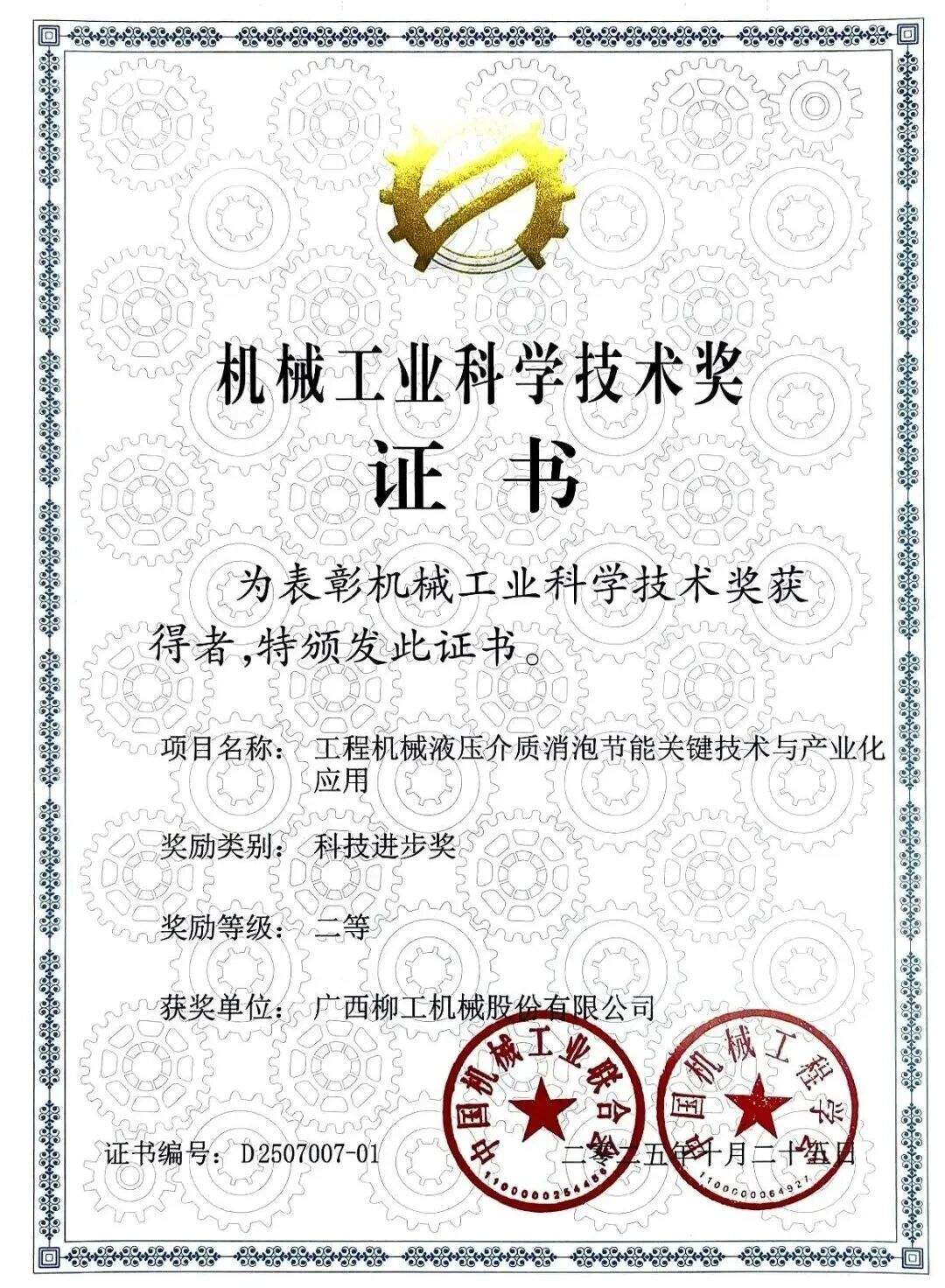
Leveraging its full-chain self-developed components and intelligent manufacturing capabilities, LiuGong has obtained 138 patents specifically for electric wheel loaders, achieving independent and controllable core electrification technologies.
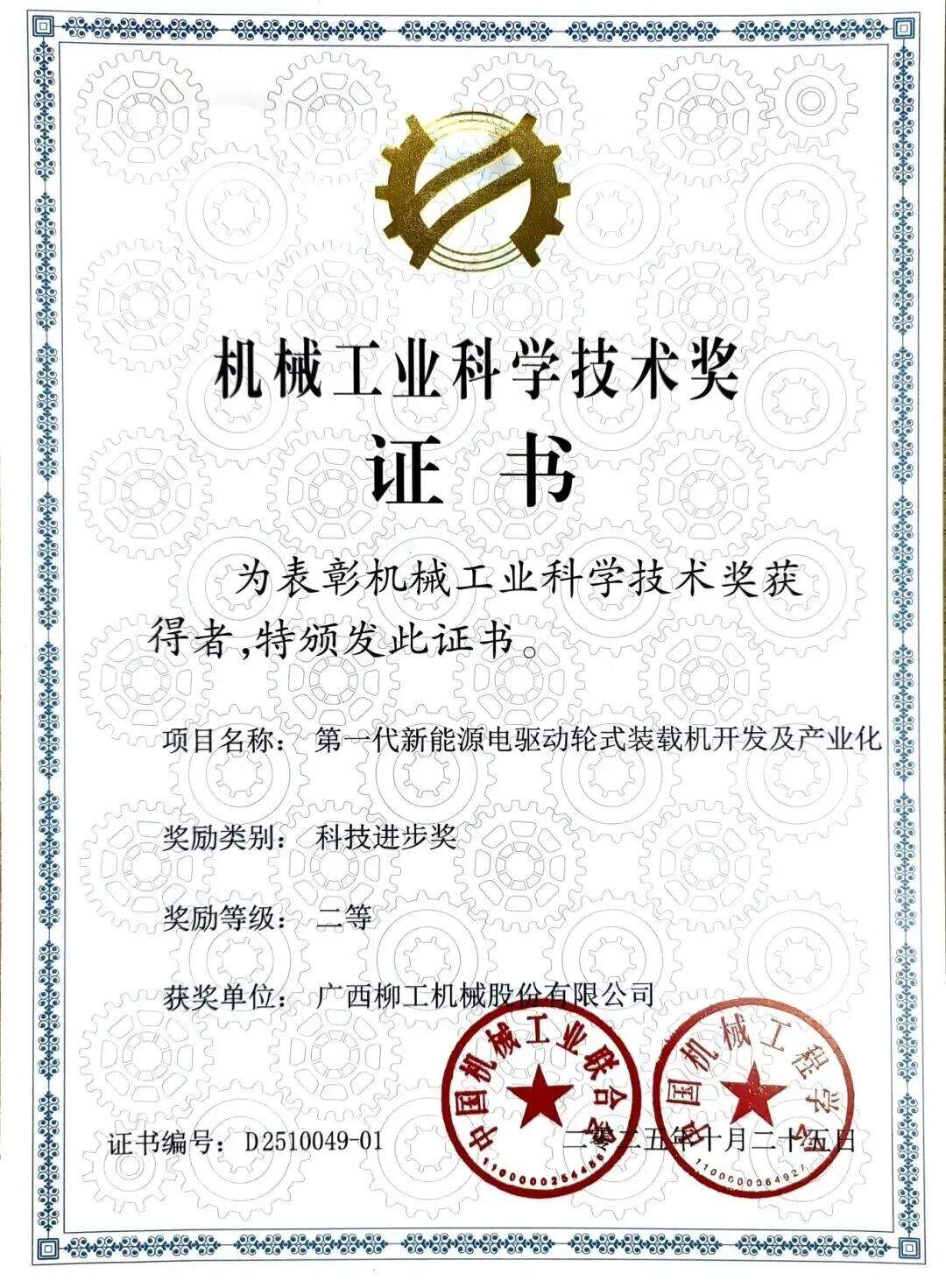
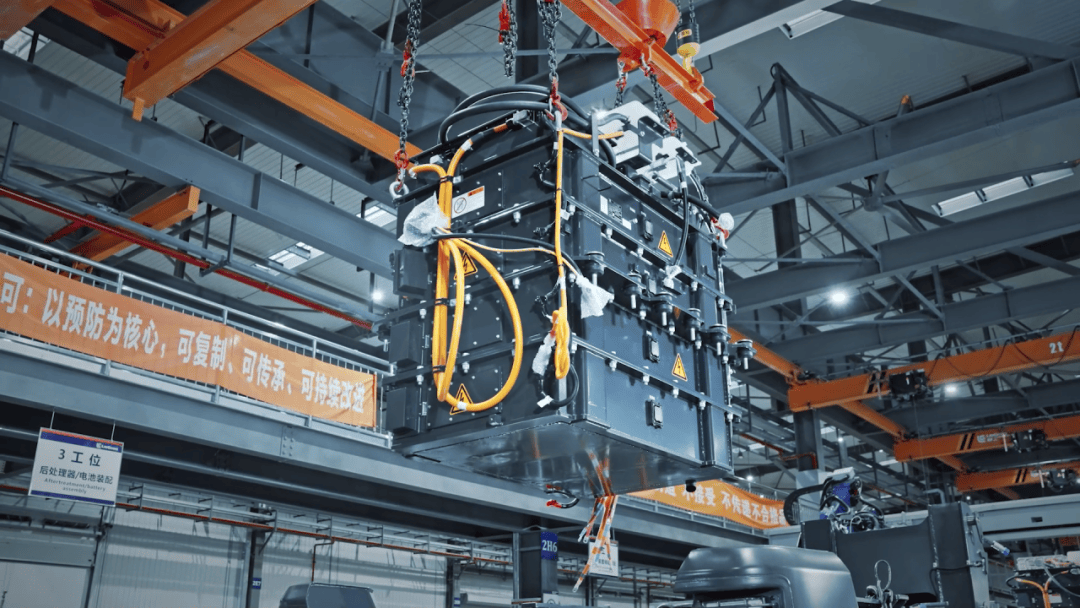
LiuGong's self-developed heavy-duty dedicated power battery adopts an integrated packaging structure, featuring an IP68 protection rating, and can adapt to conditions such as high dust, strong corrosion, and high-pressure water washing. Equipped with a full-domain thermal management system, it supports stable operation in low-temperature environments down to -30°C. Under standard heavy-duty cycle conditions, the degradation rate after 15,000 hours of operation is less than 20%, with a design service life exceeding ten years, compared to the industry mainstream electric wheel loader battery degradation rate of typically 25% to 35% after 15,000 hours.
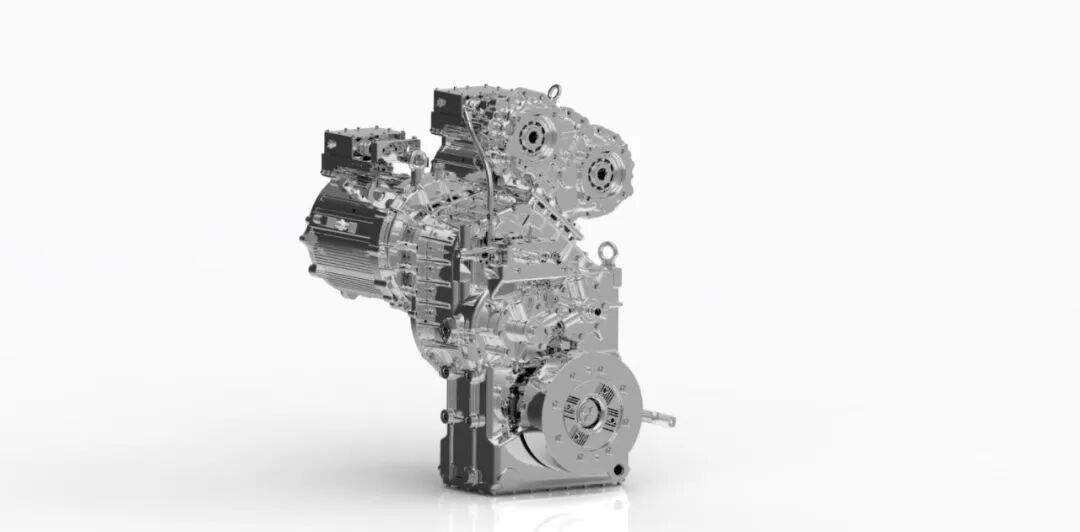
LiuGong's independently developed dual-motor independent drive powertrain reduces power loss compared to traditional single-motor solutions, offering rapid power response and abundant low-speed torque. Under equivalent working conditions, heavy-duty operational efficiency is improved by approximately 20% compared to fuel models of the same tonnage. When paired with a full-condition energy recovery system, overall energy consumption is about 30% lower than mainstream industry competitors.
LiuGong's self-developed full-domain VCU (Vehicle Control Unit) integrates the machine's data link, incorporating adaptive strategies based on extensive working condition data. It can intelligently adapt to different operating scenarios such as heavy load, light load, slopes, and high temperatures, and integrates functions for fault warning, remote diagnosis, and OTA upgrades. Regarding the charging infrastructure, large-tonnage models support kiloamp-level ultra-fast charging, while mainstream models can achieve rapid battery swapping in 15 minutes.
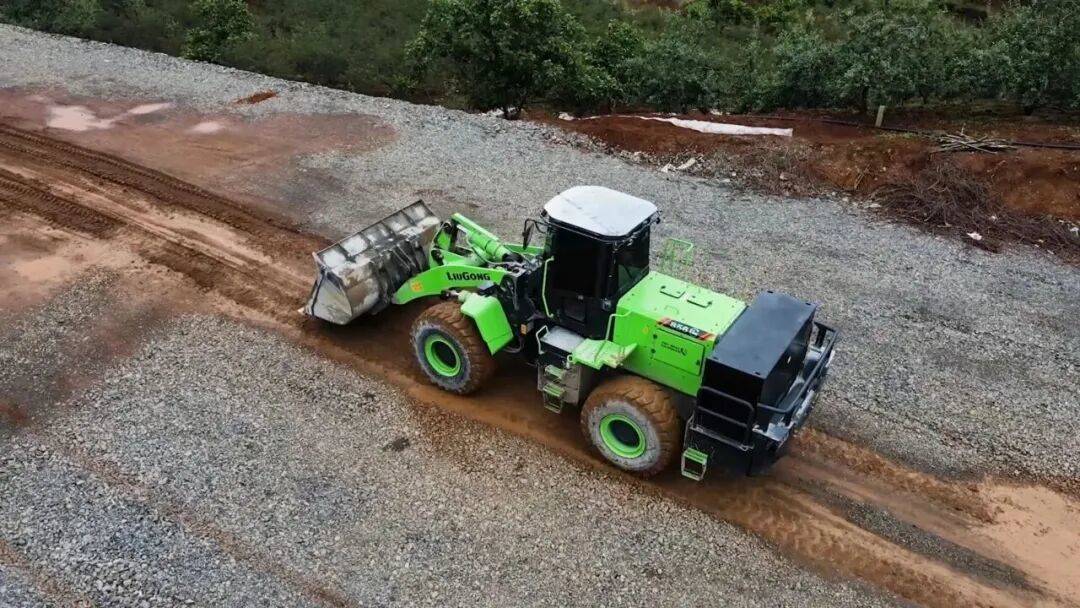
LiuGong electric wheel loaders have been deployed in batches in scenarios such as mines, steel plants, ports, and infrastructure projects, and are exported to regions including Southeast Asia, Central Asia, Africa, and South America. They have been applied in key overseas projects such as nickel mines in Indonesia and mines in Central Asia.
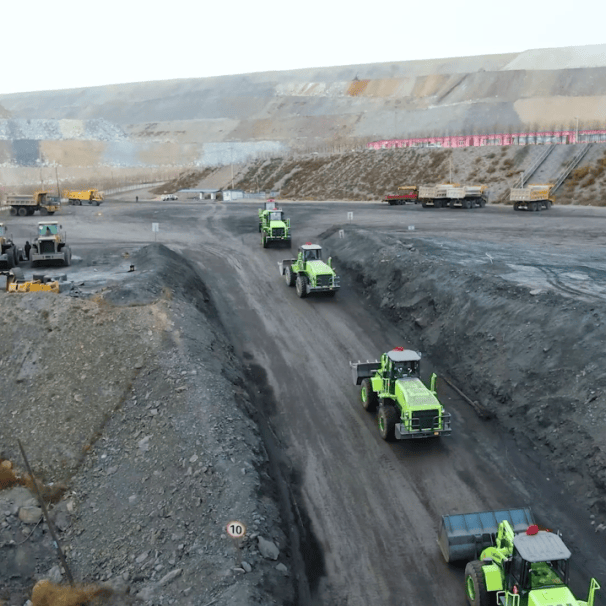
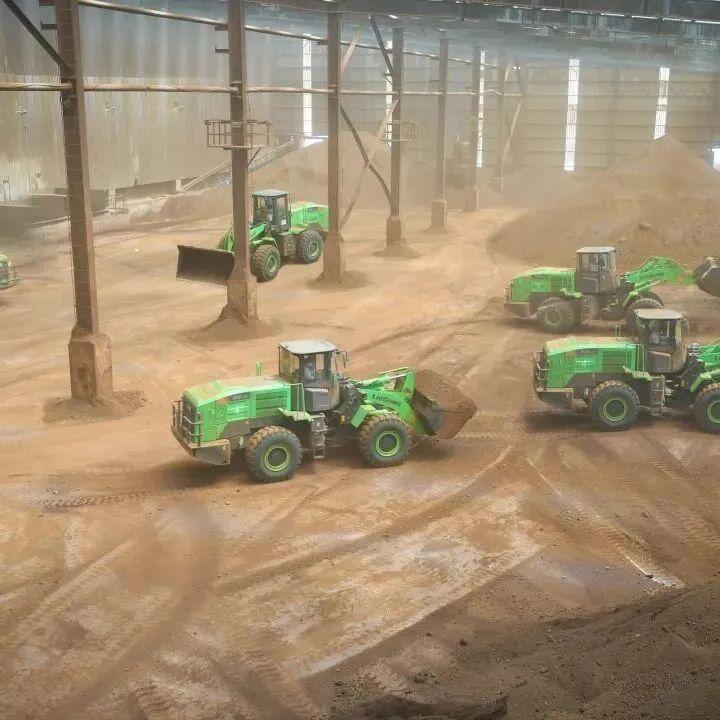
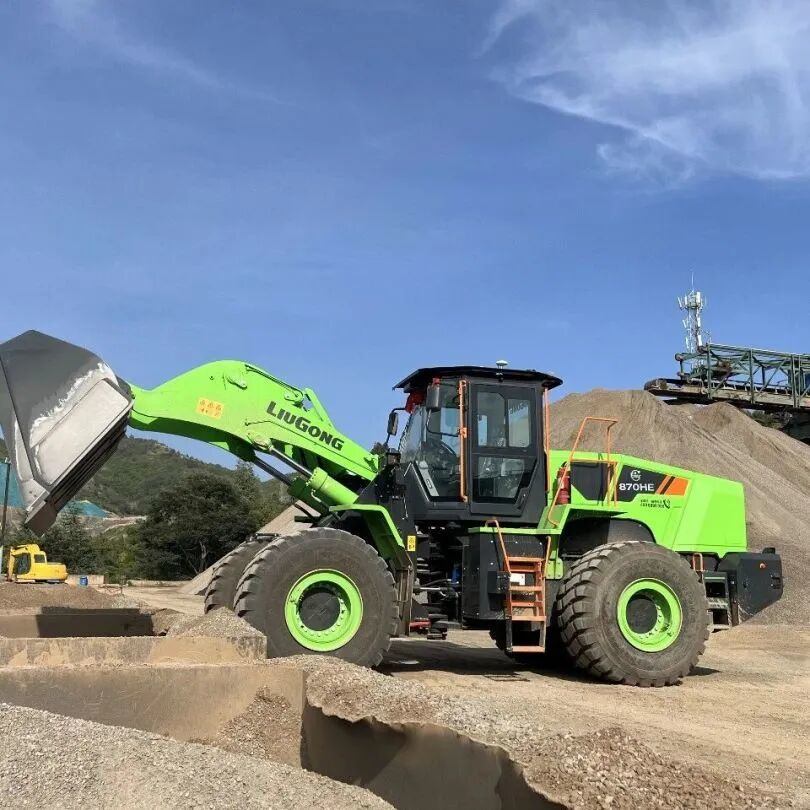
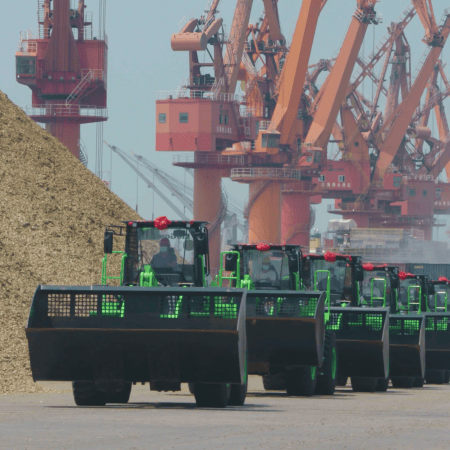
Pure electric models feature zero emissions, low noise, and no oil contamination, eliminating the need for complex ventilation and dust removal equipment, making them suitable for enclosed working conditions and zero-carbon industrial park construction. A large steel enterprise deployed 31 LiuGong electric wheel loaders in batches, achieving an annual carbon emission reduction of over 3,000 tons. Economically, compared to fuel models, LiuGong electric wheel loaders reduce energy costs by over 70%, saving millions of yuan in annual energy expenses for large-scale operations. Maintenance items are reduced by approximately 50%, and the in-house component supply chain ensures the stability of maintenance costs and parts availability.
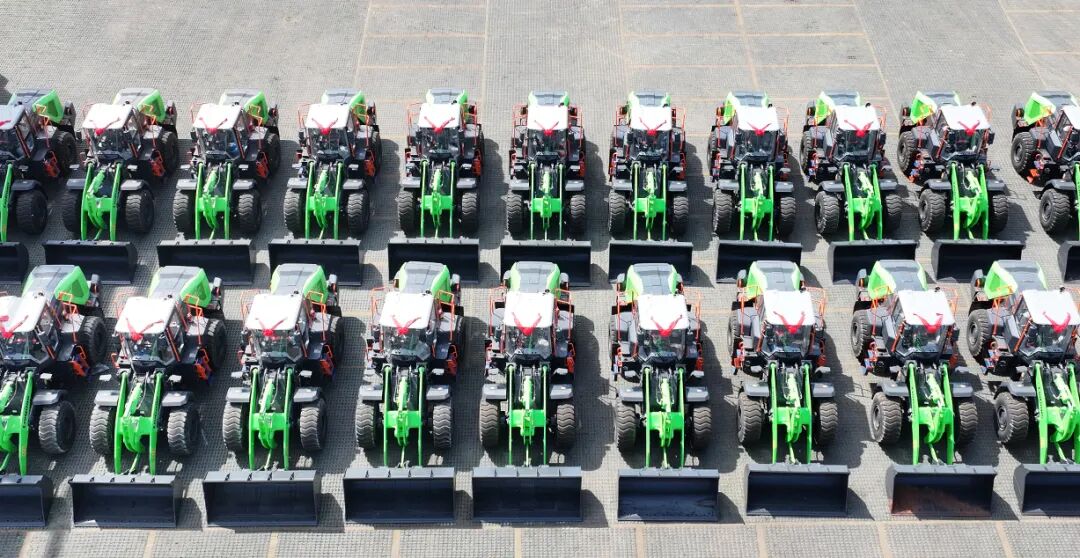
LiuGong electric wheel loaders are built on a native pure electric by-wire chassis as the hardware foundation. The by-wire chassis offers advantages including millisecond-level response, high-power supply, and high-speed data transmission, providing linear and smooth power output. LiuGong adopts a factory-installed autonomous driving solution, integrating self-developed perception, planning, and multi-machine coordination algorithms, enabling autonomous completion of the entire loading, transporting, and dumping process. In June 2026, LiuGong deployed the world's first multi-machine collaborative autonomous loader project.
"Sixty years, six generations, a leap of 600,000 units. Starting from the rugged and durable C-series to learn the ropes, progressing to the H-series running alongside international benchmarks, and now to today's globally leading T-series integrating electrification and intelligence, we have traversed the path from imitation and learning to independent transcendence," said Wen Wu, Executive Director, Senior Vice President of LiuGong, and General Manager of the Wheel Loader Business Unit. "The 600,000th machine happens to be the electric flagship 8110TE. This itself is a declaration: LiuGong wheel loaders have taken the lead in completing the full-series electrification transition, building the industry's most comprehensive product matrix, and winning more customer choices with the most reliable self-developed technology. For users, our goal is to be the preferred brand that 'best understands working conditions, offers the most peace of mind, and generates the highest profits.' Guided by the company's overall smart green strategy, and under the leadership of Chairman Zheng Jin and President Luo Guobing, the wheel loader business will continue to embody the core of 'Classic Strength, Intelligent Future,' deepening and solidifying the path of electrification and intelligence, contributing LiuGong's strength to global green construction."
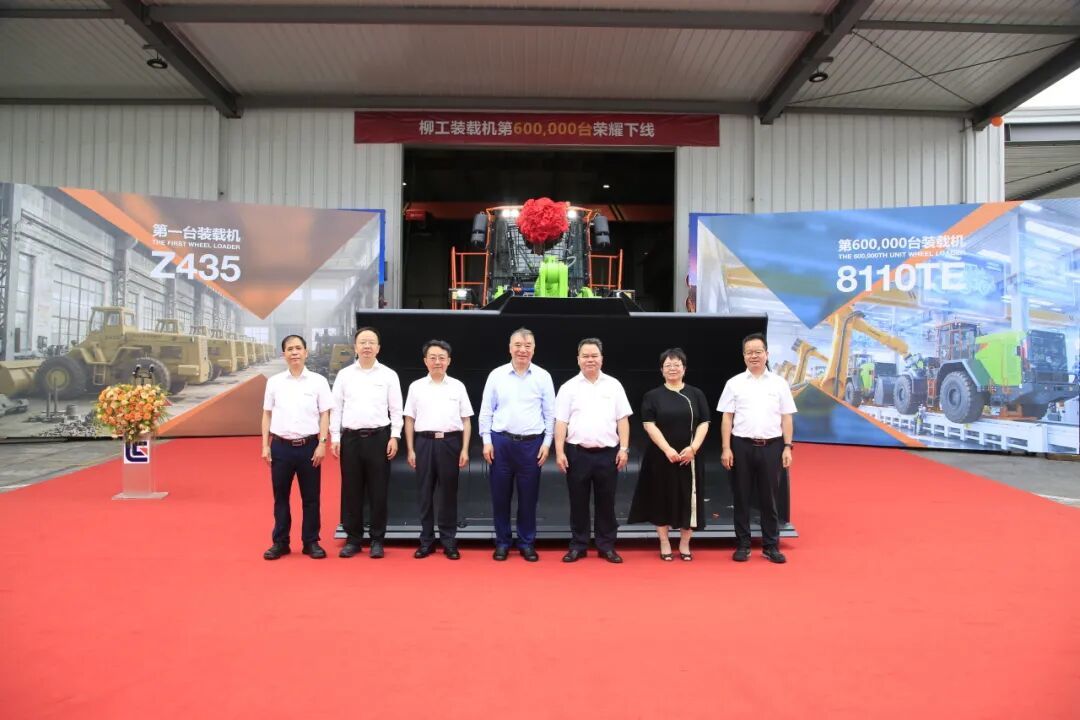
Starting from the first wheel loader in 1966 to the establishment of a full-chain self-developed and intelligent manufacturing system, LiuGong has formed a continuous product iteration R&D capability over its 60-year history. The company has defined its future electrification layout: iterating long-life, high-energy-density, low-cost battery technologies to optimize user operating costs; deploying diversified technology routes such as hydrogen fuel cells and range-extended electric; improving the battery echelon utilization and recycling system along with the charging and swapping infrastructure; and building a green industrial ecosystem covering the entire product lifecycle.
Related Products


Industrial and Commercial Point-Type Gas Detector
Jinan Benan Technology Development Co., Ltd.
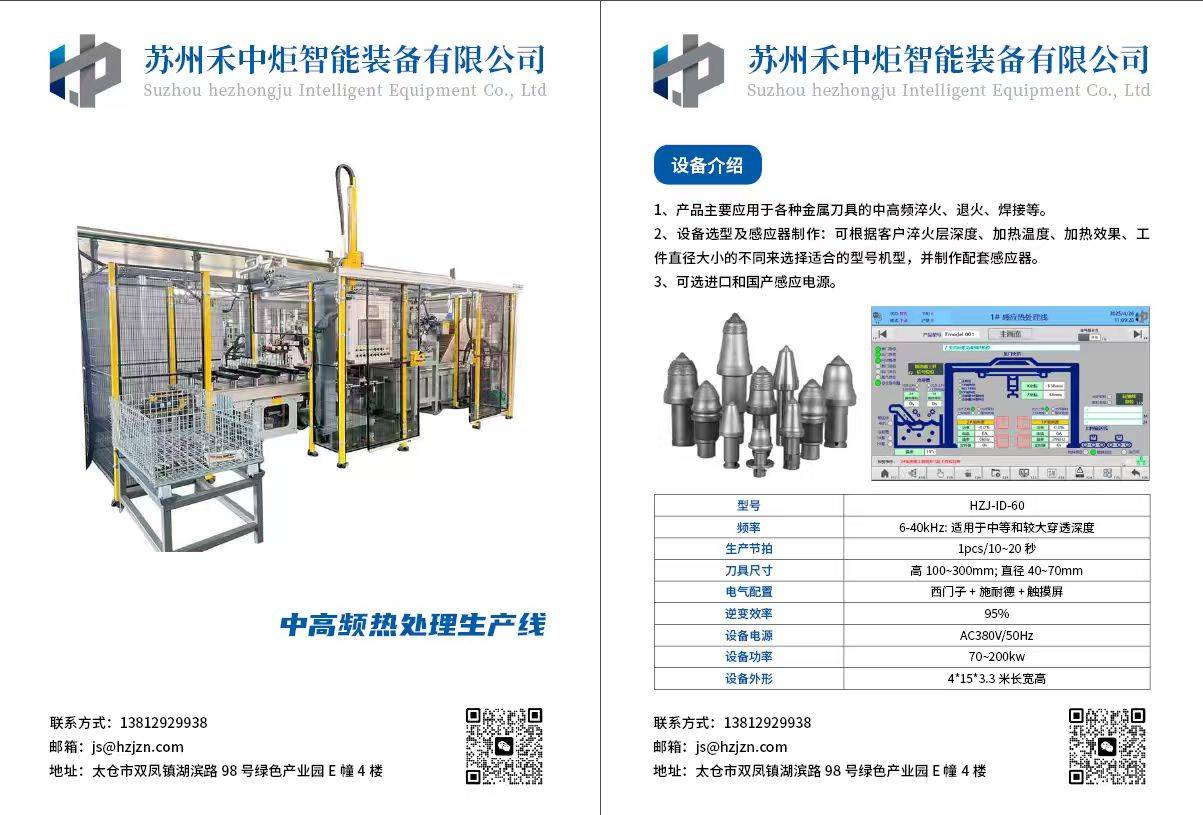
Excavator Bucket Teeth Heat Treatment Production Line
Suzhou Hezhongju Intelligent Equipment Co., Ltd.
Strip Coating and Plating Production Line Equipment
MCC-SFRE HEAVY INDUSTRY EQUIPMENT CO., LTD.
High-Speed Railway Lifting, Transporting, and Erecting Equipment: Integrated Transport and Erection Machine
Hanjiang Heavy Industry Co., Ltd. of China Railway 11th Bureau Group
QLZNGJ Intelligent Steel Reinforcement Trolley
Luoyang China Railway Qiangli Machinery Co., Ltd.