Wood Mackenzie: China's Green Power Direct Connection Capacity Exceeds 10GW by May 2026
en.Wedoany.com Reported - Wood Mackenzie released a report titled "Green Power Direct Connection: Reshaping China's Green Power Consumption Landscape," systematically reviewing China's green power direct connection policies, with a focus on analyzing the impact of Document No. 688 on multi-user models. The report points out that green power direct connection refers to renewable energy sources such as wind and solar power supplying end-users directly via dedicated lines, bypassing the main public grid, thereby achieving full-chain physical traceability of green electricity. This model addresses the issue of decoupling green attributes from actual electricity consumption in green certificate trading, making it a more internationally recognized method of green power consumption.
Document No. 650, issued in May 2025, established the single-user model, where the power source supplies only one end-user, suitable for centralized solar and onshore wind power, and applicable to large-scale energy-consuming enterprises such as steel and data centers. However, fluctuations in single-user demand affect project continuity and feasibility, leading to higher investment risks. Document No. 688, issued in May 2026, further established a multi-user framework, with key changes including: expanding the scope from a single electricity user to multiple users; introducing a project responsible entity to handle external transactions and internal supply-demand balance. This model lowers the entry barrier for small and medium-sized enterprises and better aligns with the electricity needs of industrial parks, which account for over 66% of China's total energy consumption. However, management and operational complexity increase, requiring clear boundaries between entities and hourly-level matching of consumption shares based on each user's electricity usage proportion during different periods.
According to Wood Mackenzie's tracking of green power direct connection projects, under the single-user model, investments take three forms: single entity, multi-entity, and joint venture, accounting for 44%, 40%, and 16% of the total, respectively. Among these, the single-entity model, led by the load enterprise, is most favored as it requires no equity or interest coordination. In the multi-user model, the responsible entity becomes more diverse, potentially including joint venture partners, single entities, third-party energy service providers, or park management committees.
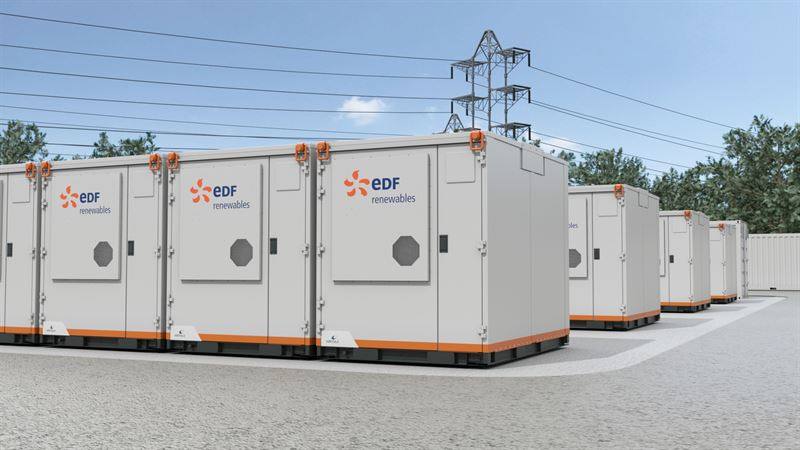
In terms of consumption, Chinese provinces generally follow thresholds of self-use ratio above 60%, grid feed-in ratio below 20%, and self-use as a share of total demand above 30%. Northern provinces impose stricter requirements due to prominent curtailment issues, with Inner Mongolia even mandating 100% self-use for specific projects. For construction, renewable energy projects must not be commissioned before the new load is operational, and the load and generation should be located within the same prefecture-level administrative region or within a straight-line distance of 50 kilometers. Provinces with curtailment issues often waive distance requirements, opening a window for existing renewable energy projects to transition. In terms of costs, Document No. 1192, issued in September 2025, introduced a demand-based capacity charging mechanism for local consumption projects like green power direct connection, requiring users to pay extra for the public transmission and distribution capacity they occupy. Projects should carefully choose between the new mechanism and the existing two-part tariff: for users with high utilization hours, stable loads, and small transformer capacities, the new policy offers cost advantages; otherwise, the two-part tariff is more favorable. Deploying energy storage can reduce peak loads, effectively lowering capacity demand costs.
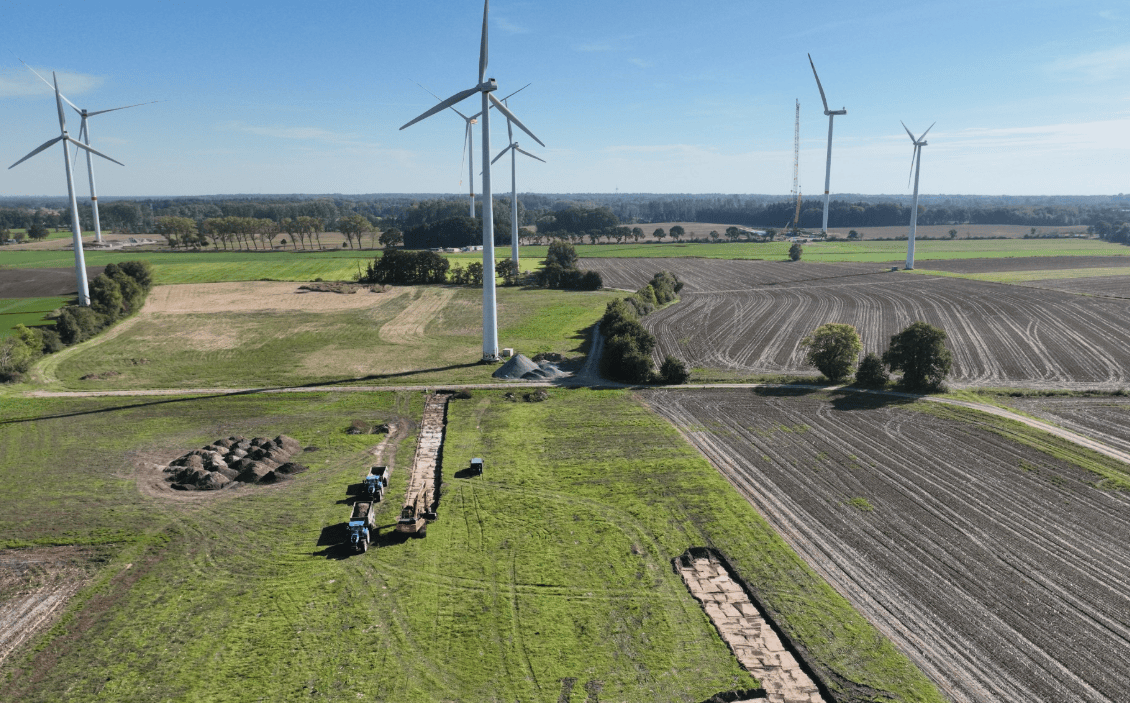
As of May 2026, China has announced over 10GW of green power direct connection capacity, highly concentrated in the north, with onshore wind power accounting for about 65%. Wood Mackenzie believes this technology will continue to dominate due to its higher generation efficiency. Driven by both green power procurement obligations and international trade rules, demand is primarily from high-energy-consuming industries such as steel and data centers. Among the top five announced power generation investors, state-owned enterprises hold four seats. Wood Mackenzie assesses that in the context of high investment costs, state-owned enterprises with stronger capital strength are likely to lead the early market landscape through demonstration projects.
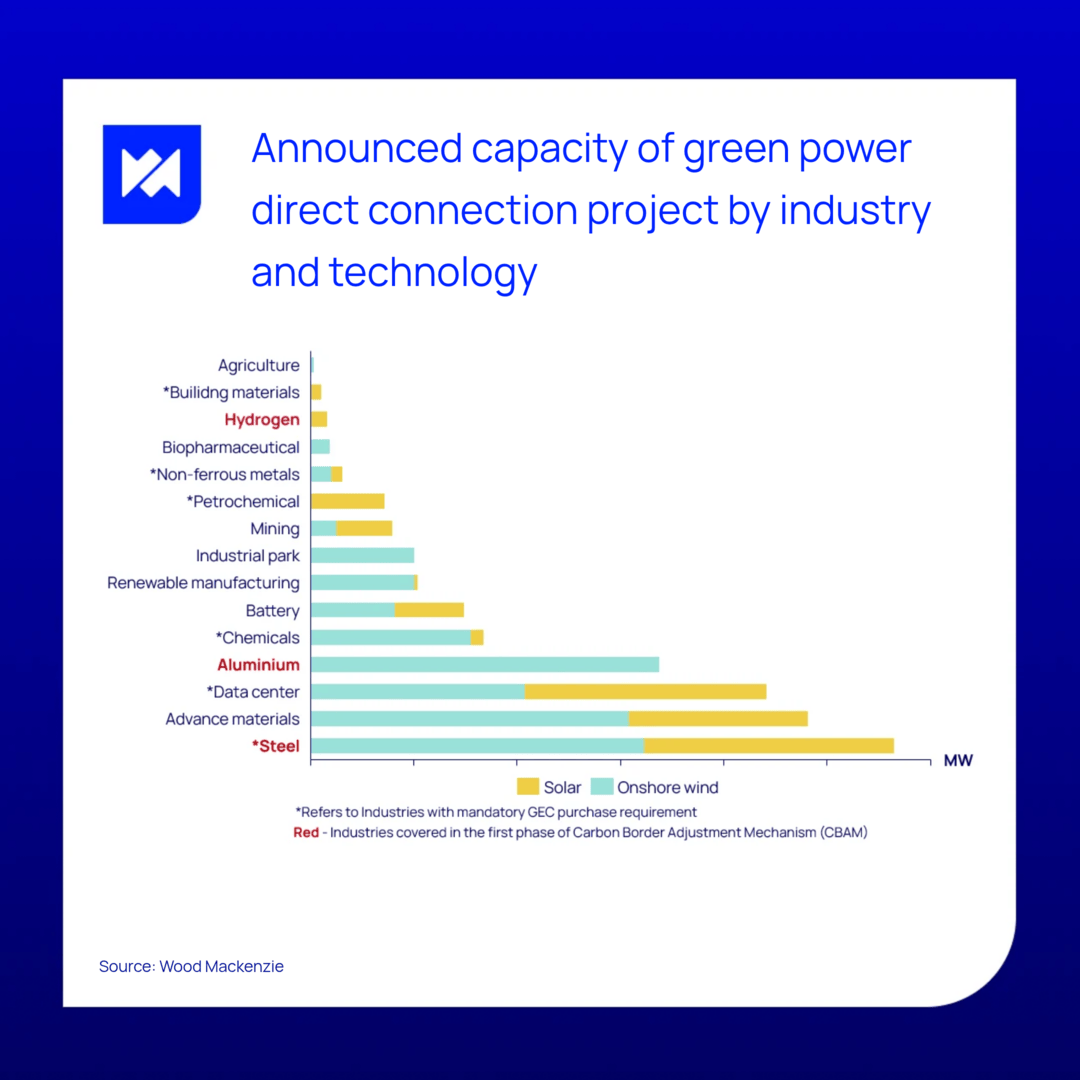
For investors, Wood Mackenzie predicts that the single-user model will dominate in the short term, while third-party energy service providers will grow rapidly in the medium term, ultimately forming a pattern where industrial and commercial users consume electricity locally, and the public grid returns to its core transmission and distribution function. It recommends entering the single-user model with a combination of large-scale loads and new generation capacity. Industrial parks, with their execution efficiency, mature internal transmission facilities, and ability to screen high-quality loads, are best positioned to lead the development of the multi-user model.