KRICT's Elastic Polymer Enables All-Solid-State Battery to Operate for Over 2,500 Hours
en.Wedoany.com Reported - A research team at the Korea Research Institute of Chemical Technology (KRICT) has developed a new technology that enhances the lifespan and stability of sulfide-based all-solid-state batteries using a rubber-like elastic ion-conductive material. In collaboration with Professor Seong-Ju Hwang's team at Yonsei University and Professor Ho Seok Park's team at Sungkyunkwan University, the KRICT team introduced an elastic ion-conductive polymer into sulfide-based all-solid-state batteries to mitigate cracking and interfacial degradation during charge-discharge cycles.
![[1] KRICT Research Team](https://img.wedoany.com/2026/0708/20260708030614261.jpg)
All-solid-state batteries are considered next-generation energy storage systems, utilizing solid electrolytes to enhance safety. Sulfide-based electrolytes, with their liquid-like ionic conductivity enabling fast charging and high-power operation, have attracted global attention from battery manufacturers. However, sulfide-based all-solid-state batteries face issues of internal stress accumulation and crack formation due to electrode volume changes during charge-discharge cycles, which block ion and electron transport pathways, leading to capacity degradation and shortened lifespan.
Previous studies attempted to introduce buffer layers between the electrode and electrolyte, but this often resulted in decreased ionic conductivity or side reactions. To overcome these limitations, the research team developed a composite electrolyte by infiltrating an elastic ion-conductive polymer into the sulfide electrolyte. This polymer absorbs stress generated by electrode expansion and contraction during cycling, enhances adhesion between the electrode and electrolyte, suppresses crack formation, and fills internal voids in the electrolyte, providing additional pathways for lithium-ion transport.
Experimental results showed that in repeated lithium deposition/stripping tests, batteries incorporating this elastic polymer operated stably for over 2,500 hours. After 200 charge-discharge cycles, batteries without the elastic polymer retained only 22% of their initial capacity, while those with the elastic polymer maintained a capacity retention rate of 75%. The technology also reduces reliance on high external stacking pressure, demonstrating relatively stable performance even under low-pressure conditions.
The research team plans to further validate the technology in large-format battery cells and electric vehicle operating environments. The findings were published in the May 2026 issue of the materials science journal Energy Storage Materials (impact factor 20.2). Dr. Dong Wook Kim is the corresponding author, with Juhyoung Kim (KRICT-Yonsei University) and Hyo Won Bae (KRICT-Sungkyunkwan University) as co-first authors. This research was supported by the KRICT Basic Research Program and the Global TOP Strategic Research Program (GTL24011-000) of the National Research Council of Science and Technology (NST) of Korea.
Related Products

Electromagnetic Fluid Seawater Floating Oil Separation and Recover Equipment
Huate Magnet Group Co., Ltd.
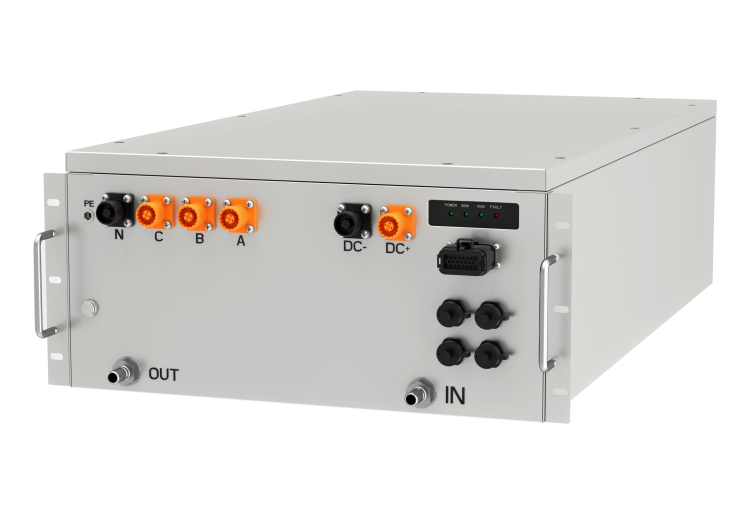
Mars (Liquid Cooling) Series Industrial and Commercial Energy Storage Converter High Protection Module
Shenzhen Winline Technology Co., Ltd.
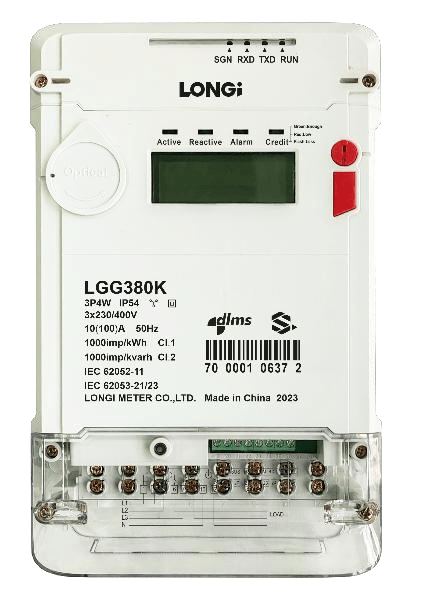
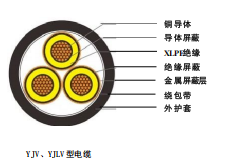
Rated Voltage 6-35kV Cross-linked Polyethylene Insulated Power Cable
TONGDING INTERCONNECTION INFORMATION CO., LTD.