Swedish SKB Signs SFR Repository Expansion Contract with Skanska
en.Wedoany.com Reported - Swedish Nuclear Fuel and Waste Management Company (Svensk Kärnbränslehantering, SKB) has signed a production phase contract with Skanska for the expansion of the SFR repository, marking the start of substantive construction for the expansion project.
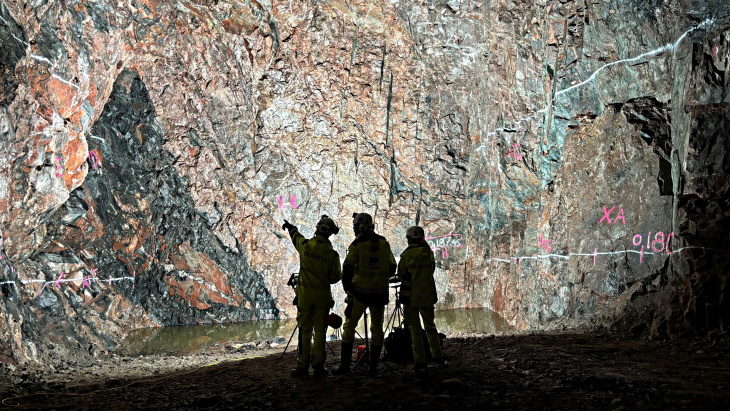
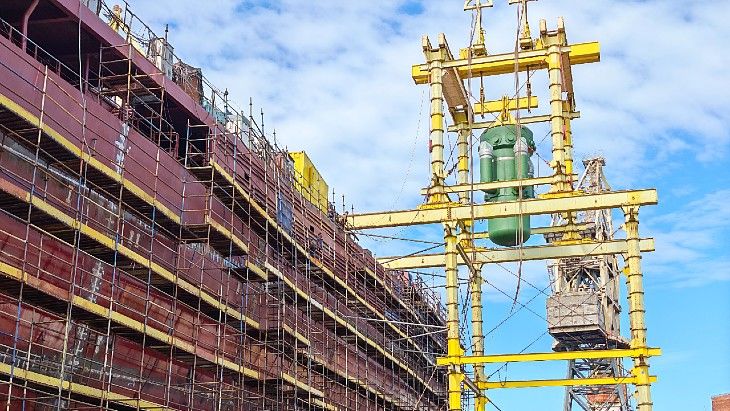
Located 60 meters below the seabed of the Baltic Sea, the SFR repository has been in operation since 1988. The facility comprises four 160-meter-long rock caverns and a chamber in the bedrock, including a 50-meter-high concrete silo for storing the most radioactive waste. Two parallel kilometer-long access tunnels connect the facility to the surface. The current total final disposal capacity of the facility is approximately 63,000 cubic meters of waste.
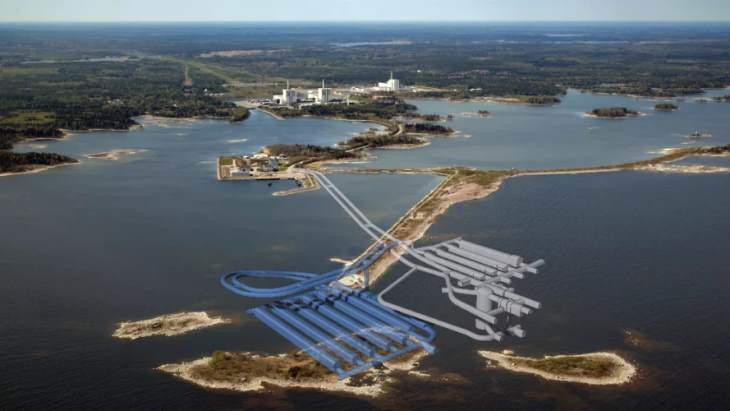
According to the expansion plan, six new rock caverns ranging from 240 to 275 meters in length will be constructed at a depth of 120 to 140 meters, level with the lowest part of the existing SFR repository. Upon completion, the total storage capacity of the facility will reach approximately 180,000 cubic meters. In July 2023, SKB signed a cooperation agreement with Skanska for the SFR repository expansion, and the existing design phase agreement has now been supplemented with a production phase contract. The production phase is divided into several stages, with separate contracts for each stage to be signed successively. The latest contract covers rock engineering, civil engineering, earthworks, water supply and drainage, sanitary engineering, and tunnel lining. Construction of the new rock caverns is scheduled to begin in the third quarter of 2026, with the contract expected to be completed in the fourth quarter of 2028. The entire facility is expected to be ready for trial operation in 2030–2031. Rock work began in December 2024, and blasting at a depth of 45 meters underground started in January 2025, marking the official launch of the expansion project. Most of the short-lived waste stored in the SFR comes from Swedish nuclear power plants, while radioactive waste from hospitals, veterinary services, research, and industry is also stored there. The SFR expansion project aims to create disposal space for low- and intermediate-level operational and decommissioning waste from Swedish nuclear power plants, to address the dismantling of multiple decommissioned nuclear reactors. This decommissioning waste includes reactor components, metals, concrete, and other construction materials.
Related Products
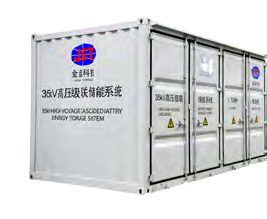

6kV-35kV Medium and High Voltage Direct-Connected Energy Storage System
Hainan Jinpan Smart Technology Co., Ltd.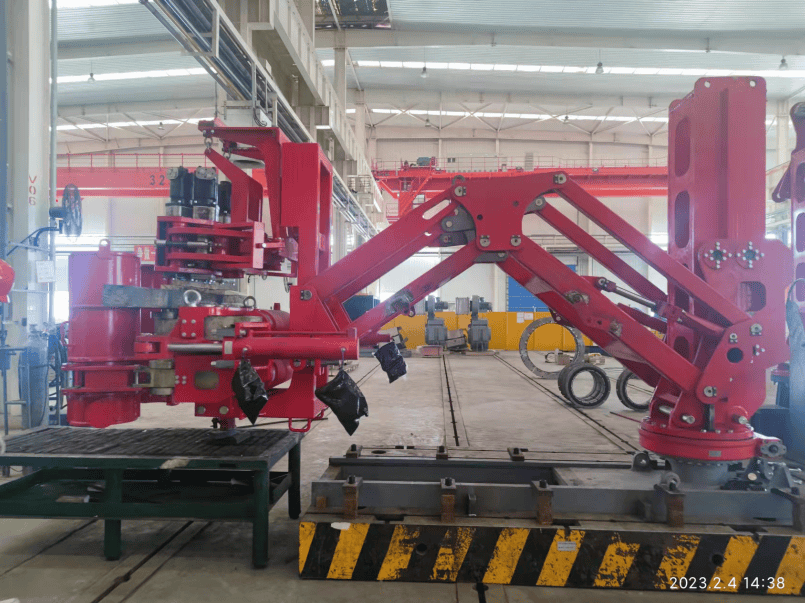
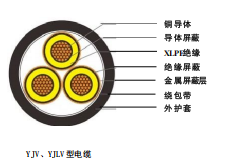
Rated Voltage 6-35kV Cross-linked Polyethylene Insulated Power Cable
TONGDING INTERCONNECTION INFORMATION CO., LTD.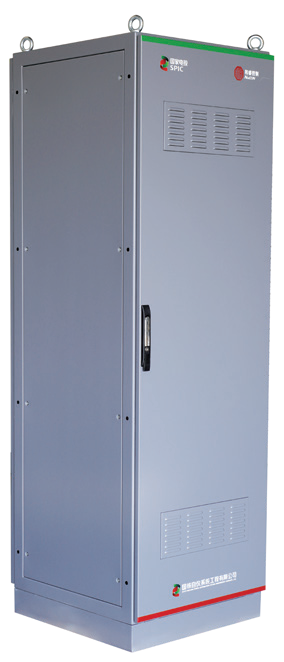

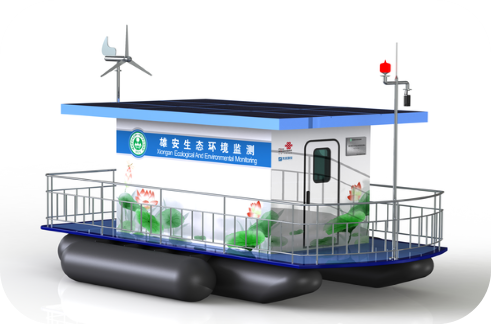
Floating Boat Water Quality Automatic Monitoring System
Hebei Sailhero Environmental Protection High-tech Co., Ltd.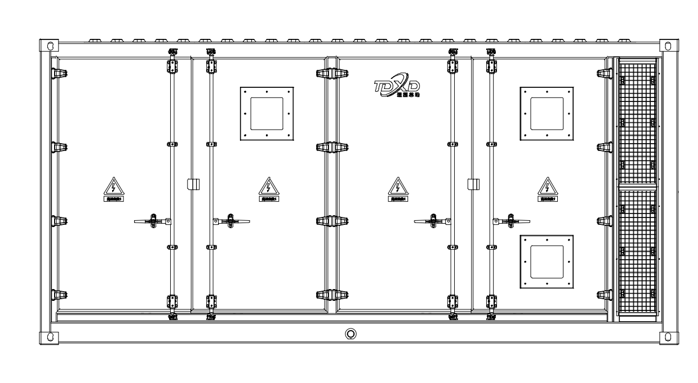
5012kWh DC Energy Storage System TD-EES-5012kWh
Suzhou Tongding Xindong Energy Storage Technology Co., Ltd.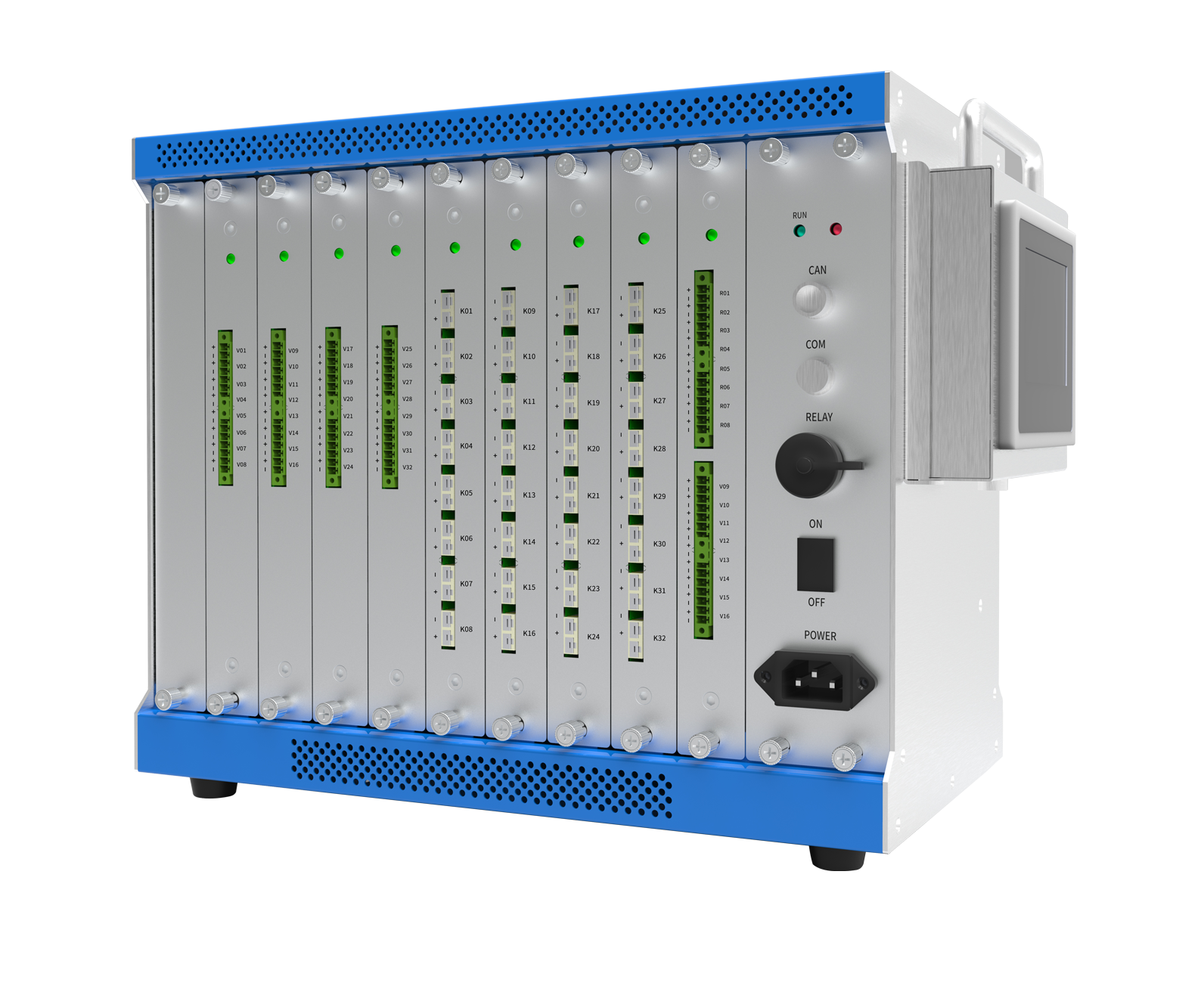
Optional Accessory - Auxiliary Sampling Module
Beijing Soaring Electric Technology Co., Ltd.
Forest and Grassland Heat Source Infrared Monitor
China Huayun Meteorological Technology Group Co., Ltd.
Modular Multifunctional Water Supply and Drainage Vehicle (18T)
Changsha Dewater Machinery Technology Co., Ltd.