Philippine Bureau of Customs Issues Draft Joint Administrative Order on Port Fees and Yard Utilization
en.Wedoany.com Reported - The Philippine Bureau of Customs (BOC) has released a draft Joint Administrative Order and initiated a public consultation period (July 7 to 13), aiming to address long-standing issues such as high logistics costs, port congestion, and inefficient empty container recovery in the country. Stakeholders are invited to submit position papers to help shape the final policy version. This draft represents a revival and significant expansion of a 2019 proposal, with the new version explicitly positioning the BOC as the lead agency and extending its scope from shipping lines to trucking companies, container yards, and other logistics providers. Atty. Chris Noel Bendijo, Deputy Chief of Staff at the Office of the BOC Commissioner, stated that the new Joint Administrative Order "clearly provides for the BOC's role as the lead agency to some extent" and will be "all-encompassing"—covering not only shipping lines but also trucking companies, container yards, and other logistics service providers.
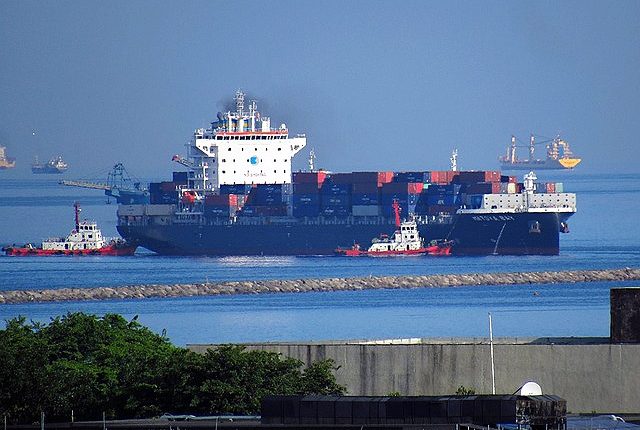
The draft is released at a time when yard utilization at the Manila International Container Terminal is at elevated levels. The draft acknowledges that "stakeholders in the Philippine logistics service sector have identified high logistics costs, excessive and opaque fees, charges, and surcharges imposed by customs third parties and other logistics service providers, inefficient port utilization, and other regulatory constraints as factors adversely affecting the competitiveness of the sector."
The Joint Administrative Order pursues four specific policy objectives: efficient port utilization, transparency of local fees imposed by customs third parties and logistics service providers, accurate customs valuation, and control over the temporary admission of containers. The draft applies to all customs third parties—including importers, exporters, carriers, airlines, shipping lines, shipping agents, freight forwarders, consolidation companies, port and terminal operators, warehouse operators, as well as trucking companies and container yard and depot operators. Under Republic Act No. 10863, also known as the Customs Modernization and Tariff Act, customs third parties transacting with the BOC on behalf of importers and consignees are treated equally to the actual importers or consignees. The BOC is designated as the lead implementing agency, with participating agencies including the Department of Finance (DOF), the Department of Transportation (DOTr), the Department of Trade and Industry (DTI), the Bureau of Internal Revenue, the Philippine Ports Authority (PPA), the Maritime Industry Authority, and the Philippine Competition Commission.
Regarding transparency in shipping fees, the draft requires shipping lines to report all current fees to the BOC, including the amount and justification for each fee. The BOC has the authority to standardize fee names across companies and set caps, including the power to veto any fee increases or require reductions or cancellations if found unreasonable. Shipping lines may not increase rates or impose new fees without BOC approval, concurrence from the Department of Finance, and public consultation. Temporary fee increases may be permitted during a declared national emergency or when market conditions necessitate, in coordination with the Philippine Ports Authority. Destination charges deemed legitimate are subject to value-added tax and other local taxes. All international shipping lines and freight truck operators must also submit monthly average freight rates per route to the BOC and the Department of Trade and Industry within one month after the Joint Administrative Order takes effect and monthly thereafter.
On container deposits and detention/demurrage fees, the draft proposes: Container deposits must be refunded within 15 days after the shipping line receives the returned empty container; if other forms of security guarantee the return of the container, no container deposit shall be collected. If the failure to return a container is due to the fault of the shipping line—such as failing to confirm the location for container return within 24 hours, or failing to designate a container yard or port terminal within 48 hours of a request—no demurrage or detention fees shall be imposed. Shipping lines are prohibited from exercising indirect liens or withholding cargo release against consignees due to unpaid demurrage and detention fees from prior or different transactions. Shipping lines are prohibited from withholding refunds of deposits for empty containers that have been returned after the 15-day period.
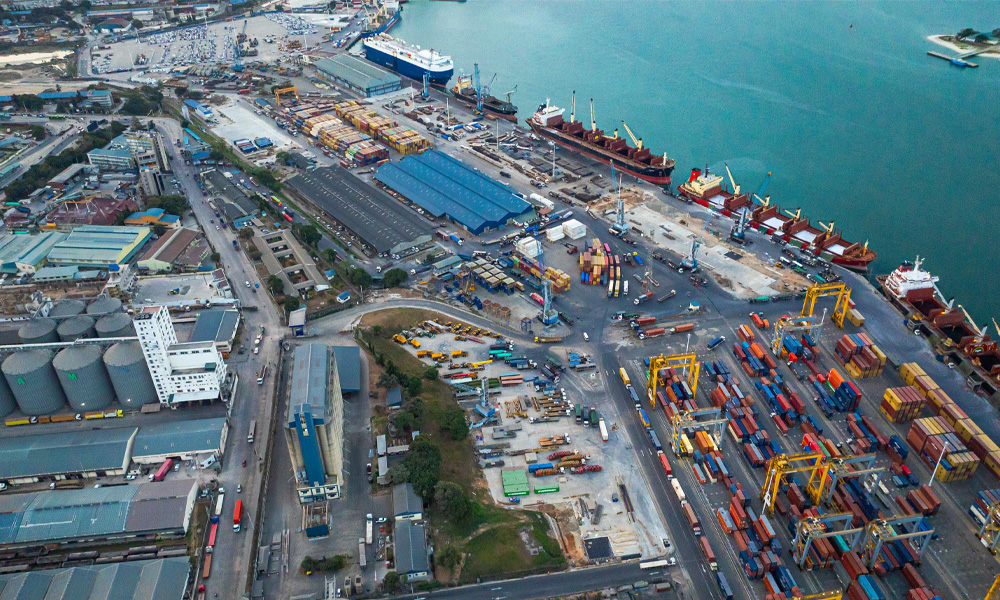
In terms of port congestion management, the Philippine Ports Authority must establish and periodically review congestion indicators for specific ports, covering terminal design, operational capacity, cargo type, vessel traffic, container dwell time, berth occupancy rate, truck turnaround time, and other relevant operational metrics. The Secretary of Transportation, upon the recommendation of the PPA Board, may declare port congestion or an emergency causing serious disruption to port operations. In such cases, the PPA may designate extension ports and direct foreign vessels at the congested port to berth there. Regarding yard utilization, operators of the Port of Manila and the Manila International Container Terminal must determine the specific percentage for normal yard utilization within 15 days after the Joint Administrative Order takes effect; pending this determination, 75% is considered optimal. When yard utilization increases by more than 5% above the threshold for two consecutive weeks, the BOC will implement the transfer of laden containers; when overall yard utilization exceeds 100% or port congestion is declared, foreign vessels may be allowed to berth and discharge at extension ports.
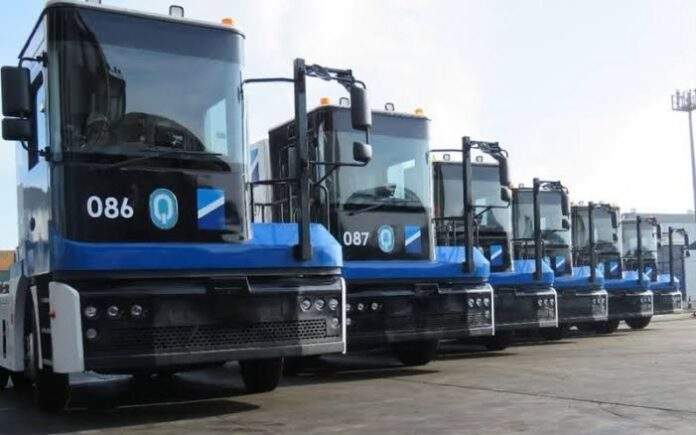
For empty container management, regardless of whether port congestion exists, shipping lines must ensure the availability of container yards and their capacity to accept returned containers. If a designated yard fails to confirm or refuses empty containers due to lack of space, the BOC may designate an alternative yard. Shipping lines and their agents shall not impose detention fees and must bear all costs associated with diversion to alternative yards. Truck operators, customs brokers, or freight forwarders must ensure empty containers are delivered within 48 hours of confirmation of return; violators will be subject to penalties by the BOC. Shipping lines that import more than 30% of their yard allocation in containers within 15 days will face fines, unless they have designated accredited yards for temporary storage or have provided feeder vessels to evacuate excess containers. All yards used for storing temporarily admitted containers must be registered with the BOC and meet requirements.
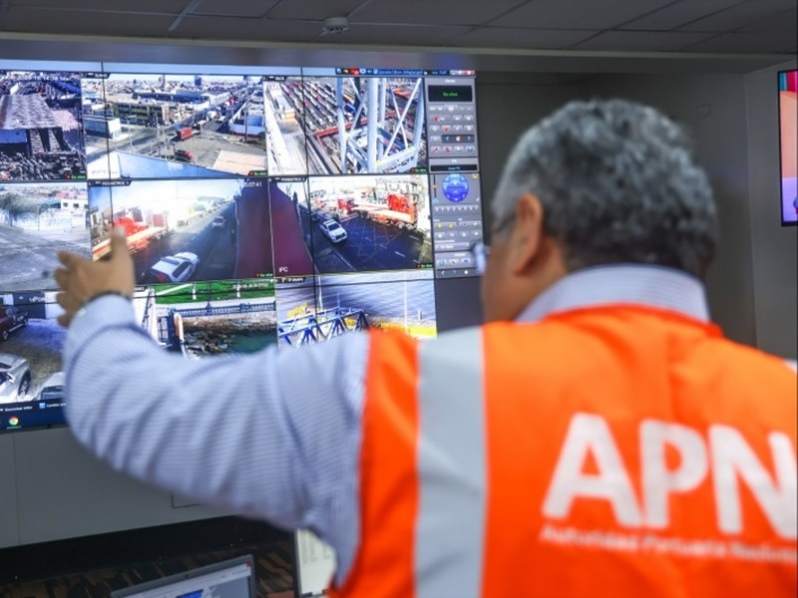
Additionally, the BOC will create or certify automated systems to monitor containers from discharge to outbound movement, including intermediate transshipment. The draft stipulates penalties for violations, with fines ranging from 5,000 Philippine pesos to 10,000 Philippine pesos, depending on the nature of the violation. A supervisory committee composed of all agencies with designated responsibilities under the Joint Administrative Order will be established to oversee implementation and periodically review the policy.