Gibson: VLCC Ton-Miles Down 14.5% in Jan-Jul 2026
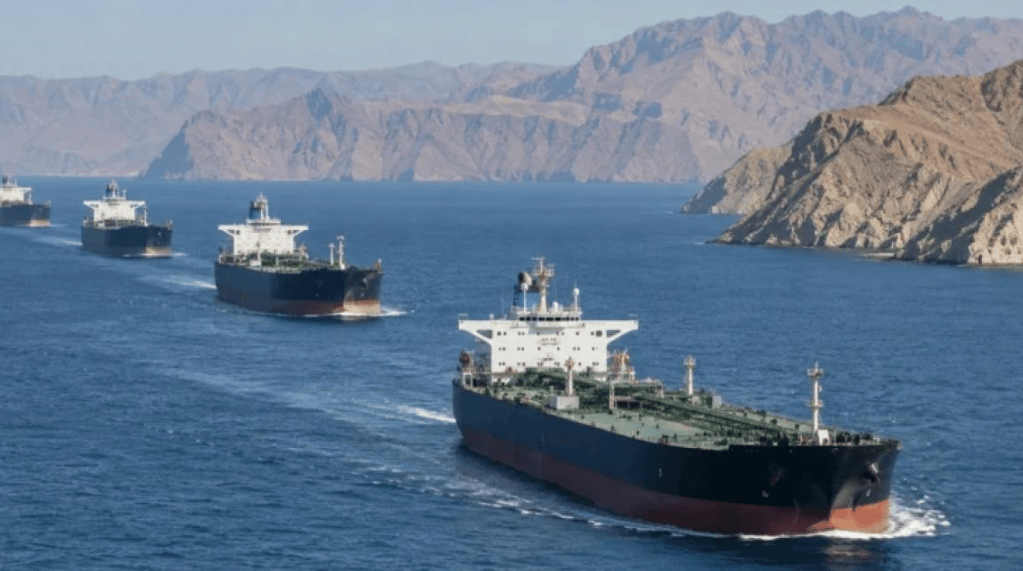
en.Wedoany.com Reported - Shipbroker Gibson said in its latest weekly report that overall crude tanker ton-miles have softened so far in 2026, with divergent trends across vessel classes: Suezmax and Aframax market shares have risen, while VLCCs (Very Large Crude Carriers) face pressure.
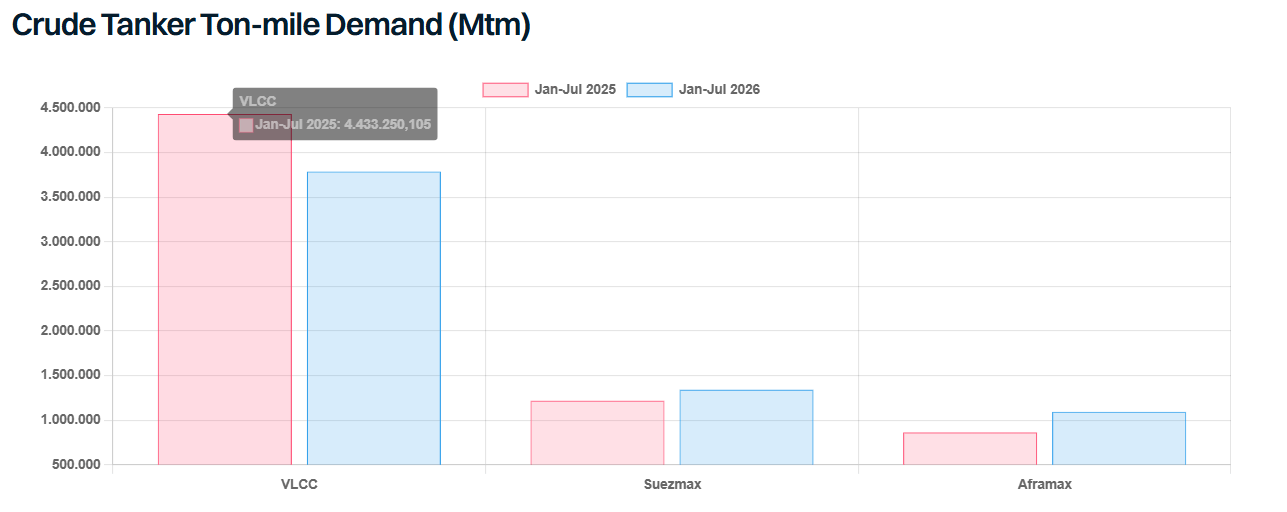
Gibson noted that VLCC ton-miles fell 14.5% year-on-year from January to July, driven mainly by a sharp decline in Middle East crude exports. Lower VLCC utilization on West Africa (WAF) routes further weighed on overall performance, as Chinese buying remained persistently weak, reducing this key long-haul export channel, while WAF cargoes increasingly shifted toward Europe and the Mediterranean. Long-haul demand from the US Gulf to the Far East partially offset the decline, peaking in May before retreating to near pre-war levels, due to lower Strategic Petroleum Reserve (SPR) inventories and reduced exportable crude amid high US refinery runs. The Yanbu-East rerouting theoretically adds ton-miles, but only a handful of fixtures have been seen so far, offering limited offset.
Gibson added that actual VLCC ton-miles may be slightly higher than reported figures, as dark-market activity in the Middle East leaves some operations uncounted. This gap also helps explain why VLCC rates have remained elevated despite falling ton-miles: more VLCCs are tied up in ship-to-ship (STS) avoidance operations and slow steaming in the Middle East, making the effective fleet tighter than headline ton-mile trends suggest. VLCC rates are currently rangebound at USD 170,000-200,000 per day. Strong rates have in turn encouraged charterers to split cargoes onto Suezmaxes wherever possible, adding to ton-mile gains this year.
On the Suezmax front, ton-miles rose 10% in the first seven months of the year, with the Atlantic Basin becoming more reliant on the class overall. WAF exports are using more Suezmaxes as more cargoes head to Europe and the Mediterranean. Russian western crude exports have also risen sharply—more crude was released after Ukrainian attacks on refineries, and more volumes flowed to India—with Suezmaxes taking most of the incremental volume, while longer voyages to India added ton-miles. Recent higher loadings at Sidi Kerir have further boosted Suezmaxes, as the Red Sea crisis pushes more Saudi crude toward Atlantic Basin refineries, albeit over shorter voyages. CPC loadings have meanwhile fallen from their May peak as Black Sea risks affected port operations, though they have recovered somewhat after Ukraine pledged not to strike vessels loading there.
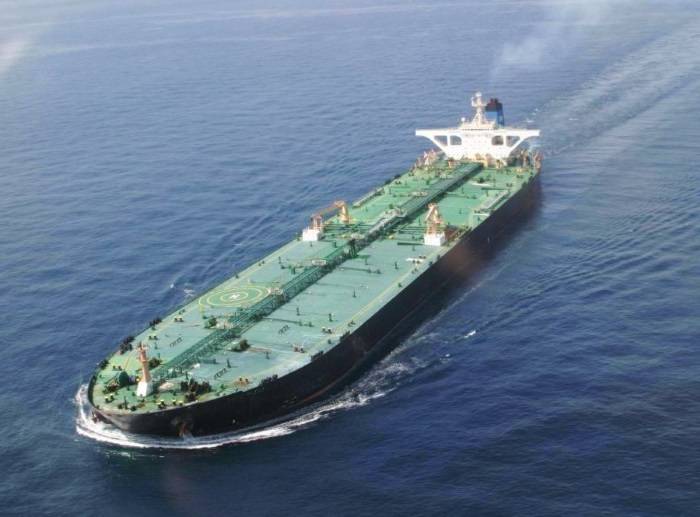
Aframax ton-miles rose nearly 27%, supported by broader Atlantic Basin activity. US Gulf activity strengthened on reverse lightering and transatlantic flows to UK/Continent (UKC) and the Mediterranean, remaining firm even as the broader US Gulf market pulled back. Venezuelan crude flows stabilized after US sanctions on the country's oil sector were eased in early 2026, underpinning mainstream Aframax demand. High TMX export volumes and Aframax competitiveness in eastbound movements continued to contribute steady ton-mile gains. Despite higher export volumes, Aframax utilization for Russian crude was broadly flat. Although ton-miles have risen sharply, TCEs have pulled back since April, with TD14 and TD25 currently hovering at low levels of just over USD 30,000 per day and just over USD 80,000 per day, respectively, while continued LR2 dirty trading keeps tonnage loose.
Looking ahead, Gibson said each crude tanker class faces different vulnerabilities, but a common thread is the continued decline in US Gulf export volumes. These have already fallen from their May peak, as SPR inventories decline and refineries maintain high utilization, gradually reducing exportable crude over the year. This directly impacts Aframaxes and VLCCs—Aframaxes are highly dependent on US Gulf-Atlantic routes, and competing capacity from continued LR2 dirty trading is still adding to the risk even as underlying demand softens; for VLCCs, US Gulf-Far East volumes are one of the few factors preventing further ton-mile declines, and any additional drop on this route would remove a key support for the class.
Gibson also noted that VLCC ton-miles remain most exposed to Chinese import demand, which has been well below pre-war levels for most of the year, making China the only major buyer with genuine capacity to increase crude purchases and substantially boost long-haul demand. Such additional demand could further tighten tonnage supply—with some capacity already held in the Middle East Gulf for STS avoidance operations—thereby supporting current rates. Developments in the Middle East will determine the scale of this boost: continued disruption would force China to seek further alternative crudes, adding long-haul ton-miles; a resolution would likely see China return to shorter-haul Gulf crude, still adding demand but with smaller ton-mile gains.
In summary, Gibson said Suezmax risks lie mainly in the Black Sea and Europe. CPC exports remain exposed to further attack risk. European autumn maintenance typically reduces crude processing and could dampen Suezmax demand, but strong margins and tight supply this year may lead refiners to cut or defer turnarounds, keeping throughput above seasonal norms.
Related Products


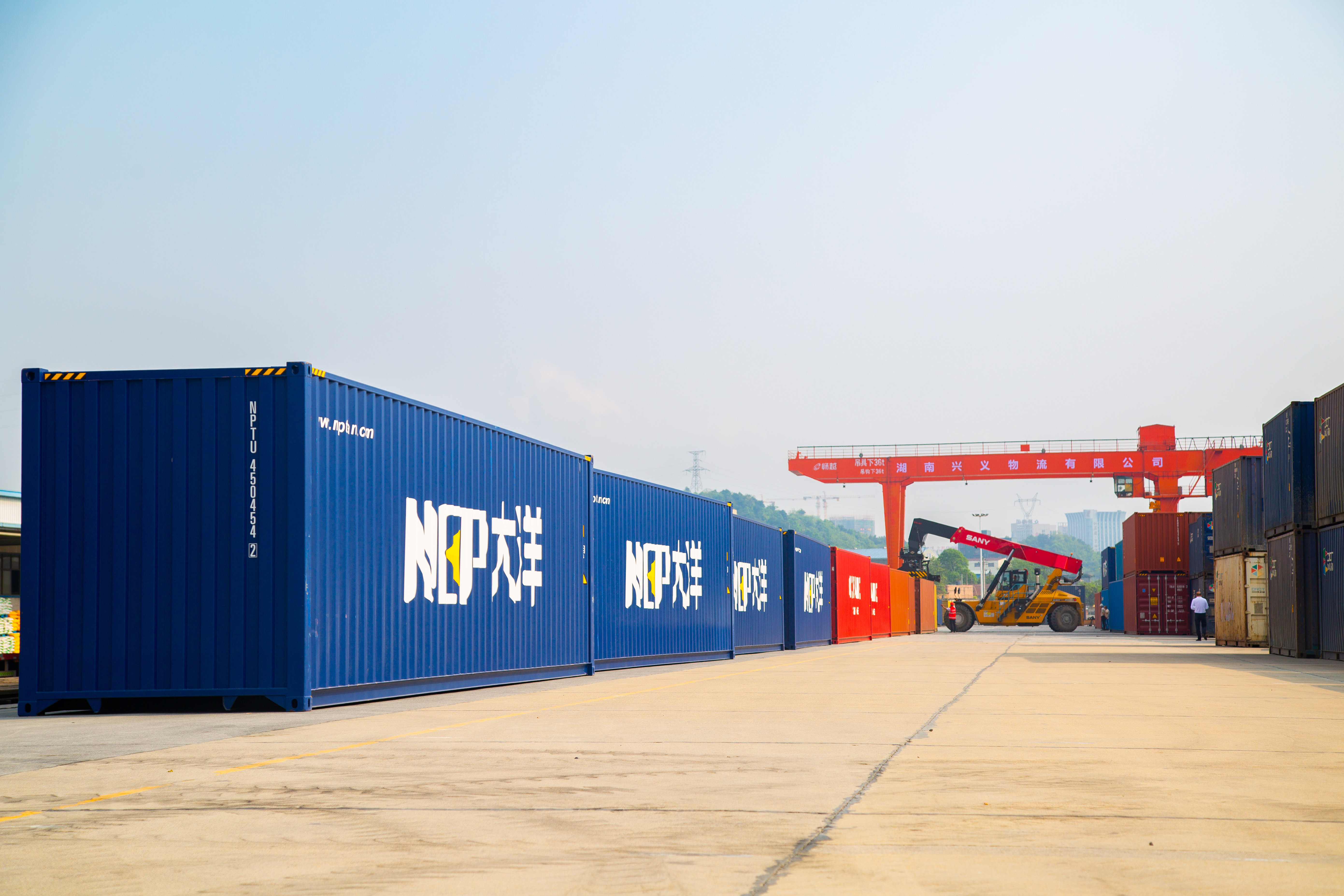
China - Alashankou/Khorgos - Europe Full Range Transportation (Mala/Hamburg/Duisburg/Budapest, etc.)
Shenzhen Neptune Logistics Co., Ltd.
CLW5180TXSD6 Dongfeng Tianjin Washing and Sweeping Truck
ChengLi Special Automobile Co., Ltd.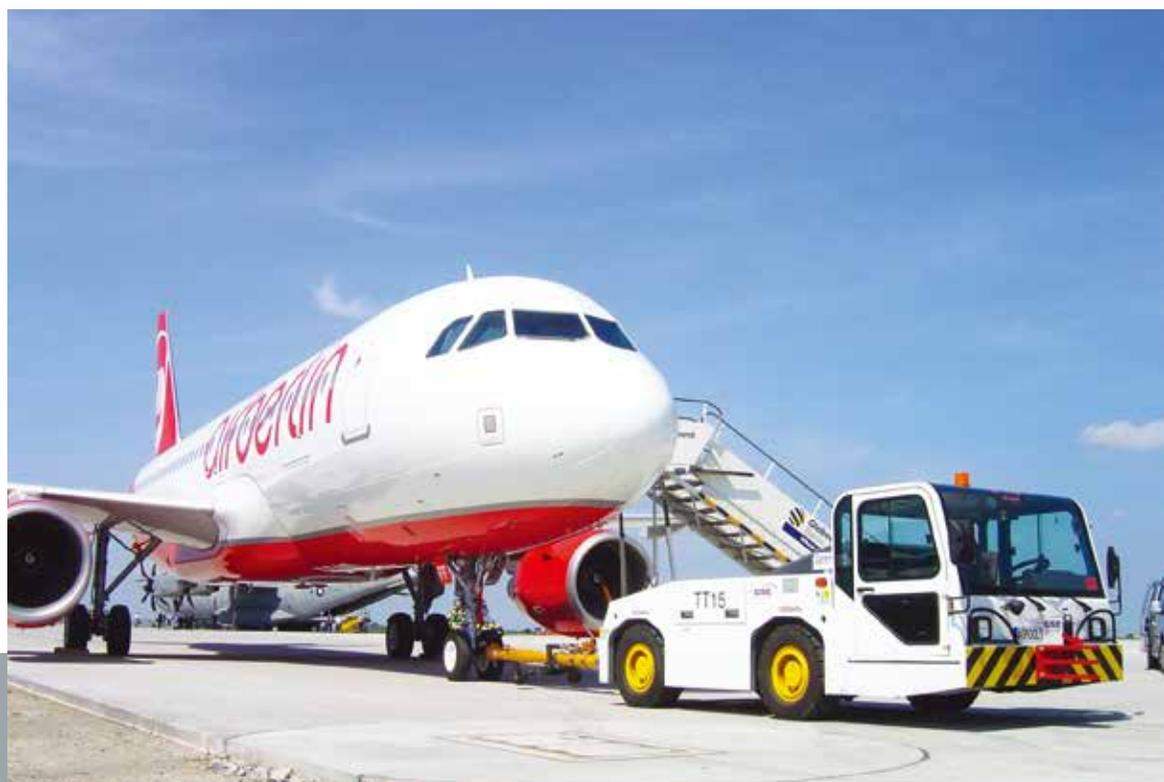
WGQY Series Aircraft Tow Tractor-WGQY15, WGQY27
Weihai Guangtai Airport Equipment Co., Ltd.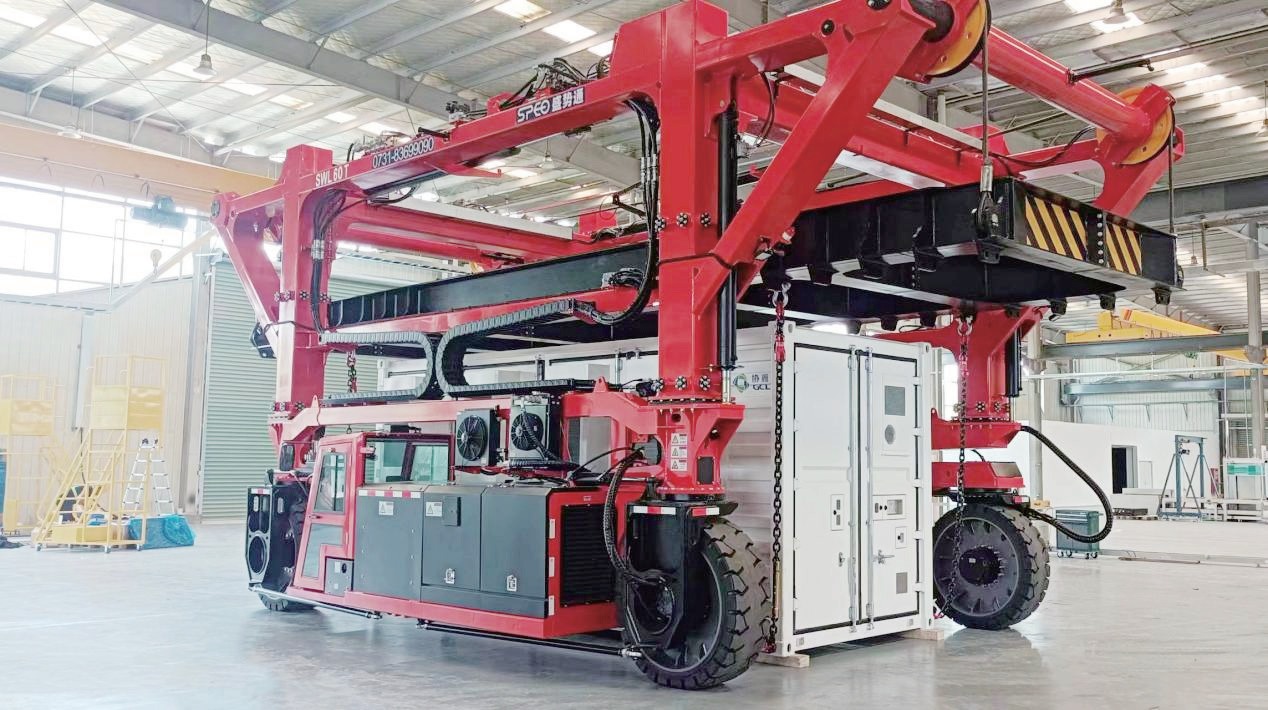
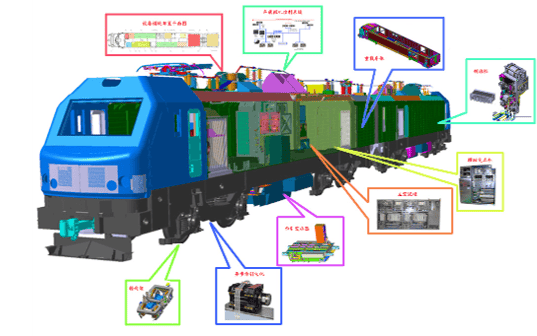



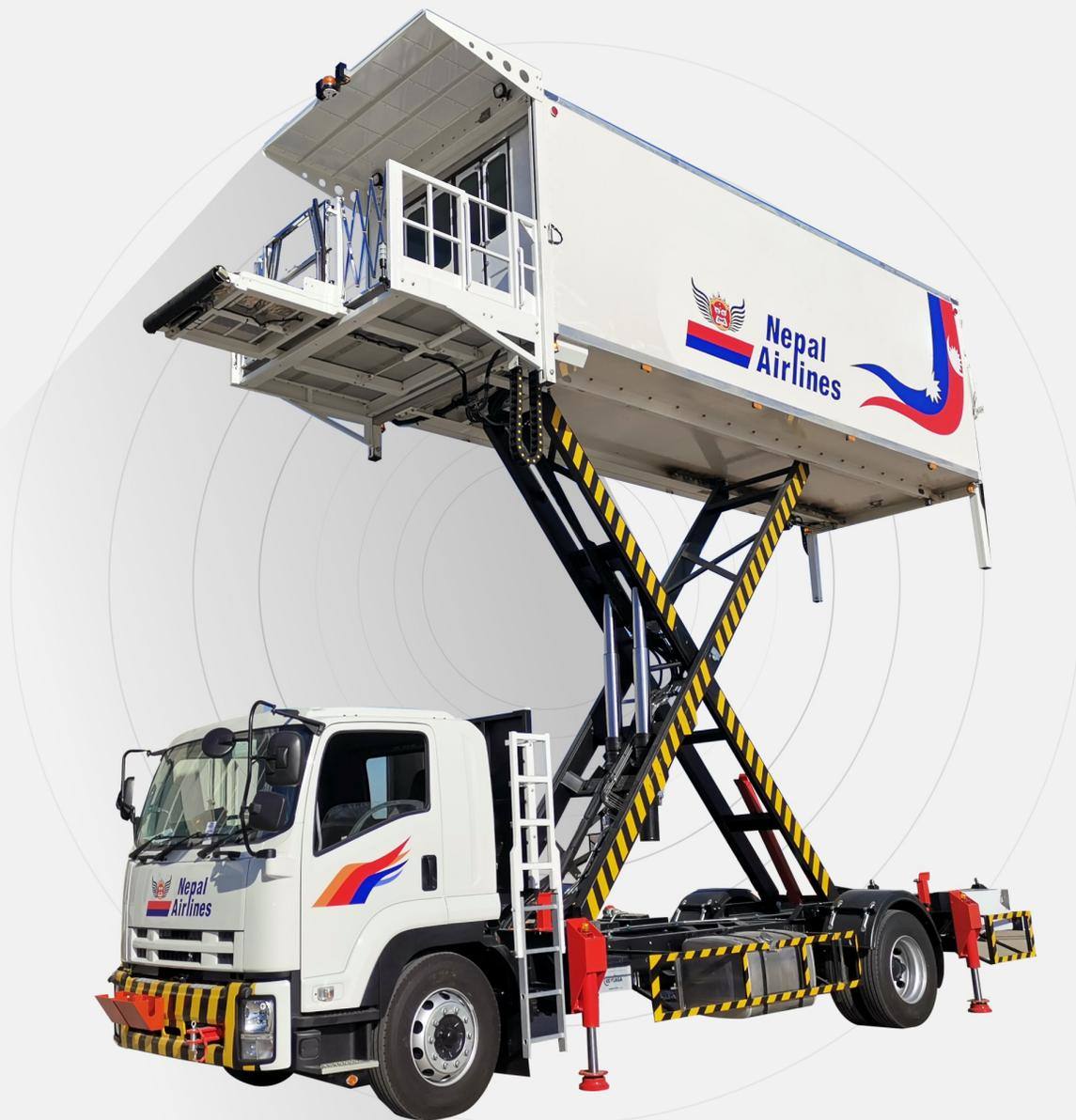
XC-6000e Type Aviation Catering Truck (Fuel Type)
Shenzhen CIMC-TianDa Airport Support Ltd.