New Quantum Technology Node Established at the University of Pretoria, South Africa
en.Wedoany.com Reported - The University of Pretoria (UP) has been selected to host a new node of the South African Quantum Technology Initiative (SA QuTI), making the UP Quantum Science and Technology (UPQuST, pronounced UPQuest) one of six nationally funded quantum research centers. Under this framework, the university will develop quantum technologies, cultivate specialized skills, and translate advanced research into practical solutions for society and industry.
Supported by the Department of Science, Technology and Innovation over the next five years, the node will bring together scientists and engineers from fields including physics, chemistry, computer science, mathematics, engineering, and agriculture to develop practical quantum technologies and train the next generation of innovators. Professor Sunil Maharaj, Vice-Principal for Research, Innovation and Postgraduate Education at UP, stated that the new node represents a significant investment in South Africa's scientific future. Quantum technology is globally recognized as a strategic capability that will shape future economies. This initiative aims to strengthen South Africa's knowledge economy through research, innovation, and skills development, while creating opportunities to deepen domestic and international partnerships, connect research with industrial priorities, develop African solutions to global challenges, and nurture young scientists and engineers to contribute to major global breakthroughs.
Although quantum science is highly specialized, its impact may extend into everyday life. UP researchers will explore technologies capable of detecting crop diseases before they become visible, improving mineral exploration and processing, enhancing the accuracy of medical diagnostics, strengthening protection against cybercrime, and developing computational methods to solve problems that current computers cannot handle. Professor Tjaart Krüger, who leads the UPQuST node, stated that the initiative aims to ensure South Africa becomes a creator of future technologies, rather than merely adopting innovations developed elsewhere. He noted that quantum technology is expected to transform industries within the next decade, much like artificial intelligence is reshaping society today. The goal is to build South Africa's capabilities in quantum computing, quantum sensing, and quantum metrology, while developing technologies that address real-world challenges and ensuring the country remains competitive in the global quantum economy by generating knowledge, innovation, and skilled talent.
UPQuST will focus on three strategic research areas: quantum computing, quantum sensing, and quantum metrology (the science of ultra-precise measurement). These capabilities are expected to unlock advances in engineering, agriculture, healthcare, advanced manufacturing, cybersecurity, and financial systems. The node will also research quantum-enhanced tools for detecting deepfakes and analyzing ransomware threats, aiming to strengthen digital trust and improve resilience against cybercrime.
According to Jodie Robbertse, SA QuTI Programme Manager, UP was selected for its strong research capacity, collaborative culture, and ability to translate scientific excellence into impact. Each SA QuTI node contributes unique strengths to the national quantum ecosystem, and UP strengthens South Africa's national capacity by expanding research capabilities, training highly skilled graduates, and creating stronger partnerships among universities, government, and industry.
In addition to research, UPQuST will play a key role in developing South Africa's quantum workforce by supporting postgraduate scholarships, postdoctoral fellowships, and specialized training programs, while engaging students in international collaborations, including those related to the European Organization for Nuclear Research (CERN), and partnerships within the national SA QuTI network. For UP, the establishment of UPQuST is not merely the launch of a new research program, but an investment in South Africa's future—aiming to build scientific excellence, drive innovation, create opportunities for young researchers, and enhance the country's ability to shape one of the defining technologies of the 21st century.
Related Products




TWP16 P-Band Tropospheric Wind Profile Radar
China Huayun Meteorological Technology Group Co., Ltd.
Comprehensive Mining Automation Control System
Beijing Tianma Intelligent Control Technology Co., Ltd.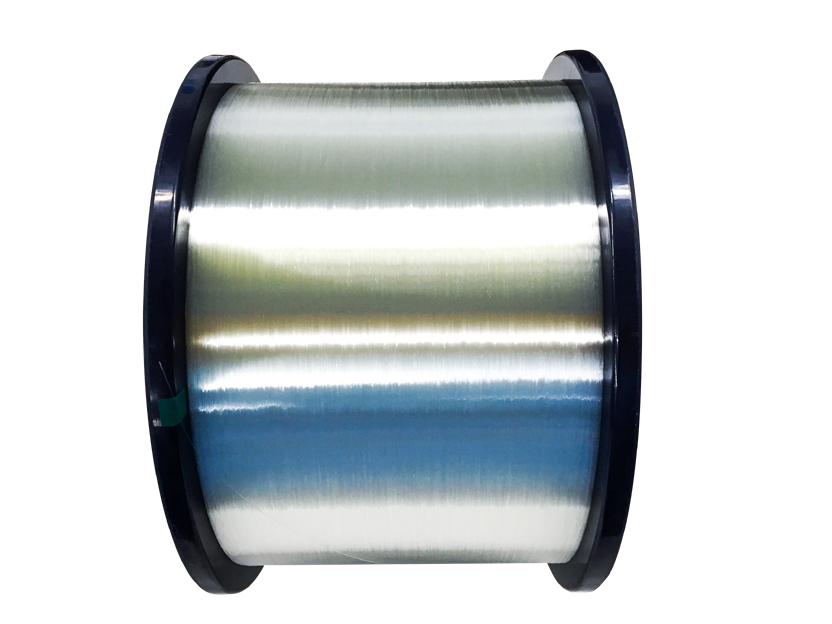
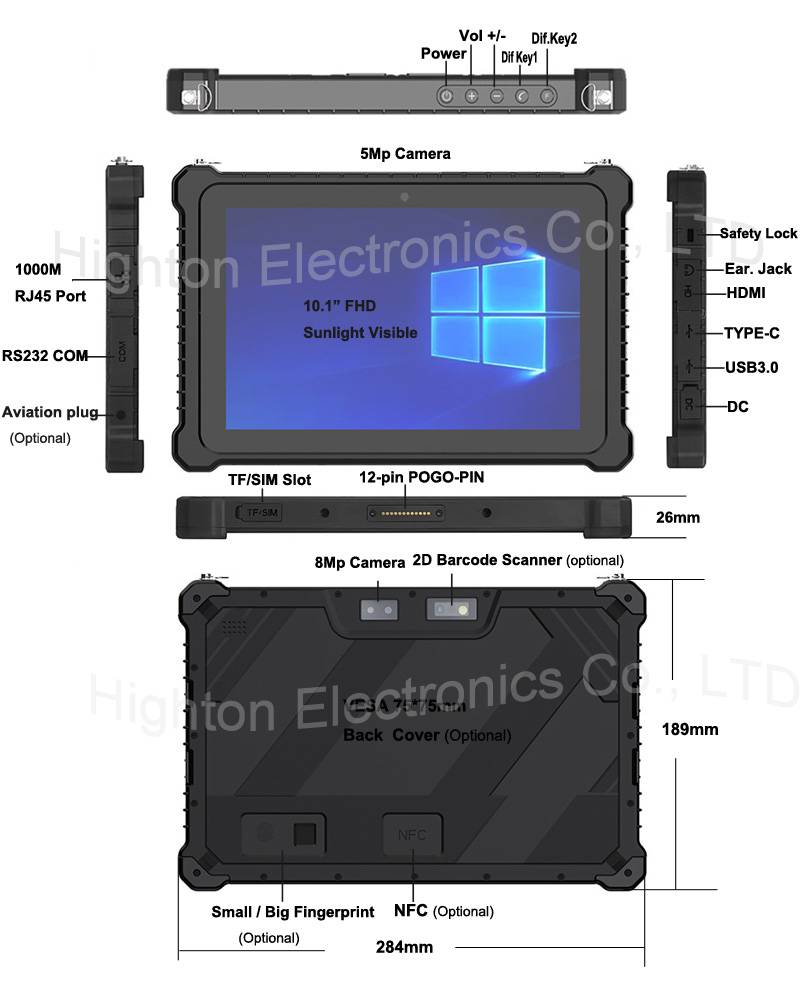
Hot Selling 10 Inch Intel N5100 I5 I7 FHD 8 +128GB 16+256GB Win10 Pro Win11 Pro 4G 5G Rugged Tablet PC Pad with NFC Barcode
Highton Electronics Co., Ltd.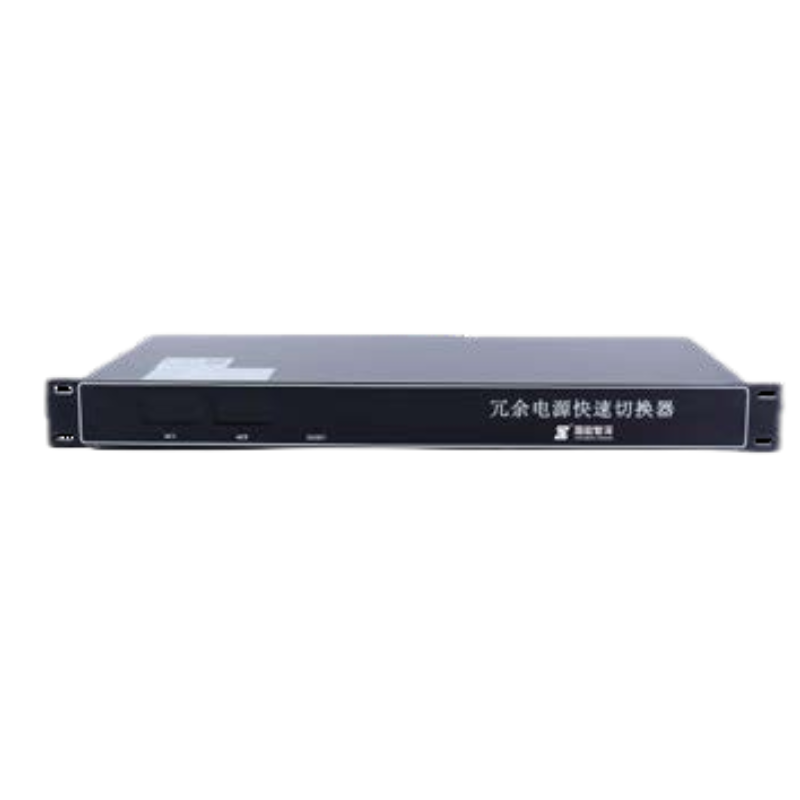
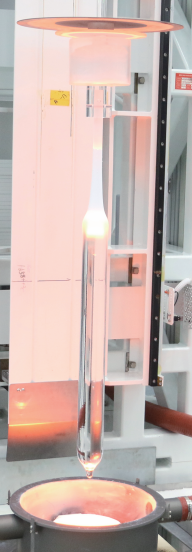
G.652.D Wavelength-extended Non-dispersion Shifted Single-mode Optical Fiber
HONGAN GROUP CO., LTD.


MUX Series Communication Interface Device for Security and Stability Control System
Nanjing NR Electric Co., Ltd.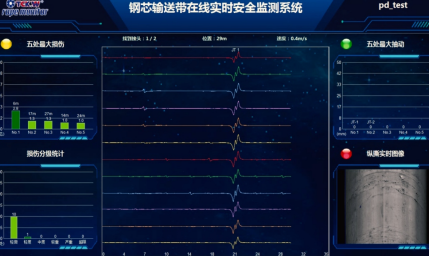
Conveyor Belt Intelligent Monitoring System
LUO YANG WIRE ROPE INSPECTION TECHNOLOGY CO., LTD.