Kenya's Ruto Confirms Groundbreaking Date for Dangote's 700,000 bpd Refinery
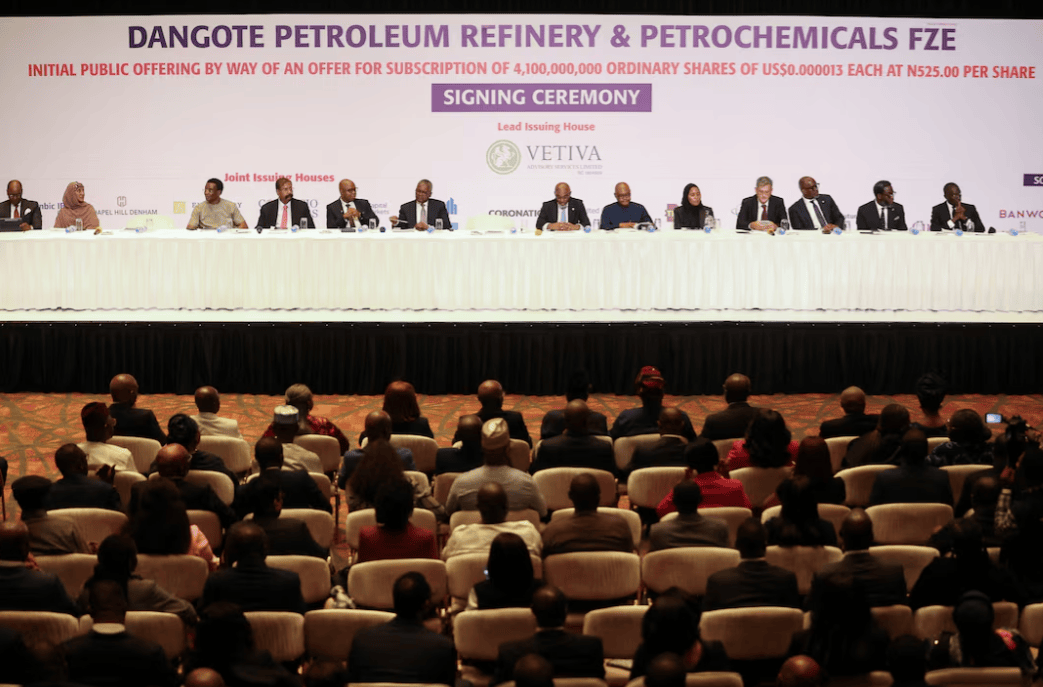
en.Wedoany.com Reported - Kenyan President William Ruto has confirmed that a date has been set for the groundbreaking ceremony of the proposed Dangote Refinery, signaling Nairobi's ambition to position itself as East Africa's refining and oil trading hub, reshaping the regional fuel supply landscape.
Speaking at State House, Nairobi, while signing the Sovereign Wealth Fund Bill 2026, Ruto stated that project preparations are in their advanced stages and instructed Deputy President Kithure Kindiki to chair a joint government-private sector committee to coordinate investment matters related to the refinery. Ruto said the groundbreaking date has been set, and Kenya is taking steps to establish itself as a first-class nation.
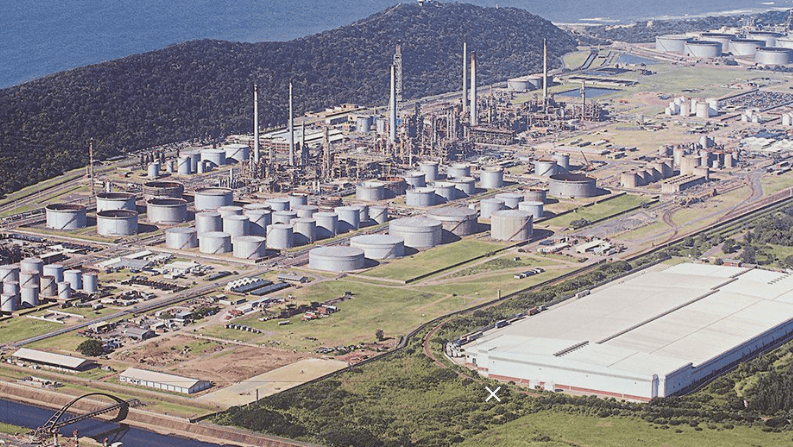
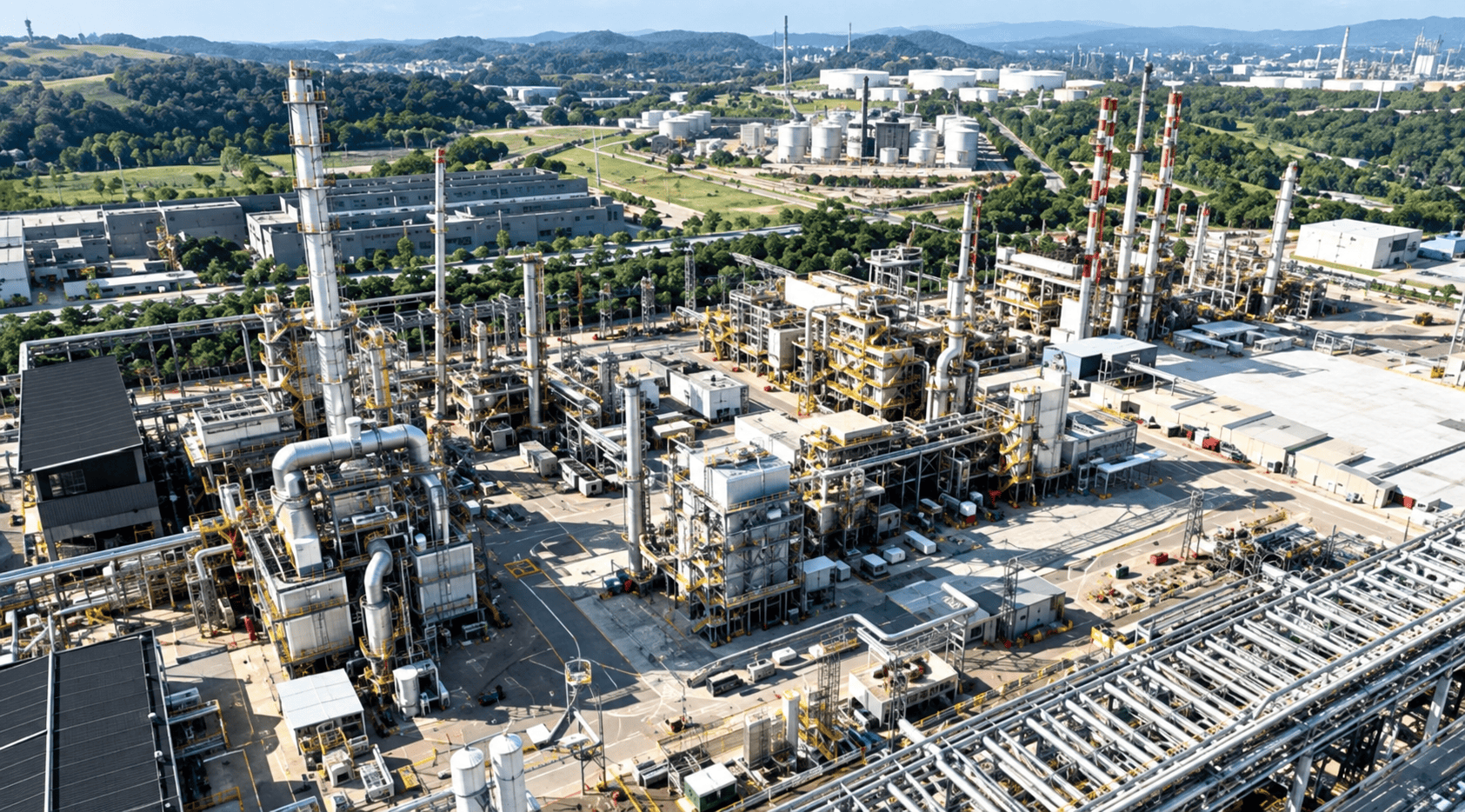
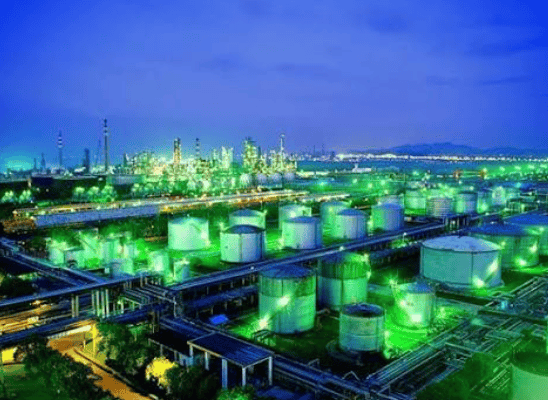
The refinery, to be located in Lamu County, is designed with a processing capacity of 700,000 barrels of crude oil per day. This scale makes it the largest refining facility in East Africa and the largest downstream investment project in Africa outside of Nigeria. Its capacity will exceed the combined output of all existing refineries in East Africa, potentially fundamentally altering the region's reliance on imported petroleum products from the Middle East, India, and Europe.
The project launch coincides with a period of rapid expansion in fuel demand across East Africa, driven by population growth, urbanization, and industrialization. Despite the discovery of additional oil resources in Kenya, Uganda, and neighboring producing countries, nations in the region remain heavily dependent on imported refined products. Analysts believe this refinery could transform Kenya into a regional fuel export hub, serving markets in Uganda, Rwanda, Burundi, South Sudan, eastern Democratic Republic of Congo, and parts of the Horn of Africa. This investment is expected to intensify competition with traditional fuel supply centers in the Gulf, shifting regional trade flows from long-distance imports towards intra-African refining and distribution.
For Kenya, the refinery can leverage existing port infrastructure and planned pipeline investments to dominate the petroleum supply chain across the region, solidifying its position as East Africa's logistics gateway. For Nigeria, this investment marks the next phase of African refining expansion, following the commissioning of the 650,000 bpd Dangote Refinery in Lagos. The Lagos refinery has already begun to alter the fuel trade landscape in West Africa. This move is also consistent with Aliko Dangote's strategy of building an integrated African refining network aimed at reducing the continent's long-standing dependence on imported fuel.
According to Reuters, the refinery is expected to take approximately three years to build and will supply gasoline, diesel, aviation fuel, and other refined products to Kenya and its neighboring countries. The project will be financed through a combination of internal funds, bond issuances, and proceeds from a planned initial public offering. According to Edwin Devakumar, site selection has been completed, and soil surveys and engineering studies are underway. Devakumar stated that the site selection is complete, soil testing is ongoing, and design and engineering work has commenced, noting that Kenya was the preferred choice from the beginning.
The refinery will be built on Lamu Island, which offers direct access to international shipping routes and complements Kenya's long-term strategy of developing the Lamu Port-South Sudan-Ethiopia Transport Corridor as a regional trade and energy gateway. The decision to build in Kenya was made after an initial assessment of Tanga, with infrastructure availability, logistical efficiency, and market access ultimately tipping the scales in favor of Nairobi.
Ruto's announcement coincides with Kenya's enactment of the Sovereign Wealth Fund Bill 2026. The bill aims to ensure that revenues from future oil and mineral production are used for infrastructure development, macroeconomic stability, and long-term savings. It establishes a Stabilization Fund, a Strategic Infrastructure Investment Fund, and a Future Generations Fund, allocating 30% of oil and mineral revenues to the latter. For energy markets, the more immediate significance is the emergence of a second African mega-refinery capable of altering regional fuel pricing, trade routes, and import patterns.
Related Products


CAP1400 main feedwater flow nozzle flowmeter.
Jiangsu Hongda Instrument Technology Co., LTD.
High Thermal Conductivity Encapsulating Resin
Nantong BESALL Sealing Technology Company.,Limited
Steel Pipes for Refining and Coal Chemical Industries
YANGZHOU LONTRIN ENERGY EQUIPMENT CO.,LTD.
Bidirectional Metal Hard Sealed Seawater Butterfly Valve
Henan Quanshun Flow Control Science & Technology Co., Ltd.
Quick-Change Single-Seat Control Valve / Quick-Change High-Pressure Single-Seat Control Valve
Beijing Consen Automation Technology Co., Ltd.