India Extends Tariff Concessions on Key Manufacturing Components Until 2029
en.Wedoany.com Reported - The Indian government has extended tariff concessions on key manufacturing components until March 2029, providing long-term policy predictability for the production of advanced electronics, battery cells, and display components, aiming to deepen domestic manufacturing capabilities. This extension is particularly significant for high-capital-intensive projects such as battery cells and electronic components, where investment recovery periods span several years, making policy stability a critical factor in corporate investment decisions.
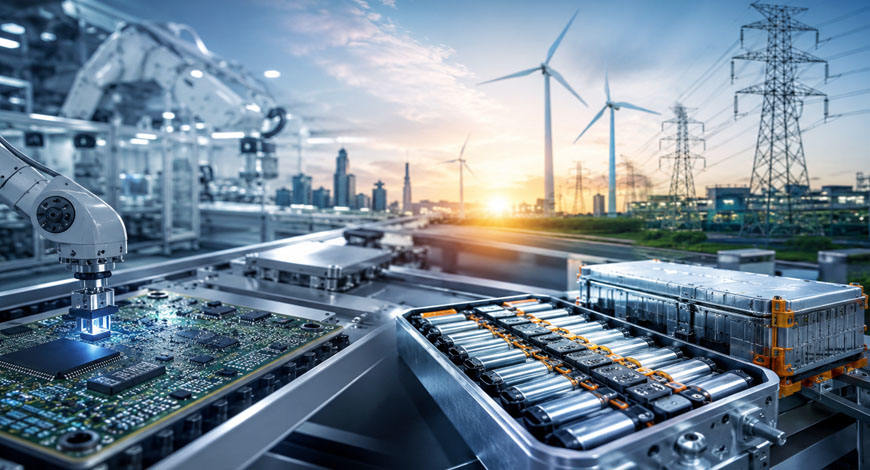
The revised scheme expands the eligibility for tariff concessions on machinery and capital goods used in lithium-ion battery manufacturing, covering equipment for electrode processing, cell assembly, formation, and testing. Such equipment accounts for a high proportion of upfront project expenditures, and reducing import tariffs is expected to accelerate the commissioning of new battery cell facilities, supporting domestic electric vehicle projects, stationary energy storage systems, and advanced consumer electronics. This move is anticipated to encourage local conglomerates and global battery manufacturers to expand their presence in India.
Tariff reductions have been extended to display components used in automotive and medical electronics applications. With rising demand for display panels in vehicles, diagnostic equipment, and patient monitoring systems, including high-reliability panels and modules under tariff concessions can enhance the cost competitiveness of local assembly, while creating opportunities for tier-one and tier-two suppliers to expand design, integration, and testing capabilities, thereby fostering an ecosystem serving original equipment manufacturers (OEMs) in the automotive, medical technology, and industrial automation sectors.
The scheme also includes wireless charging components for mobile phones under tariff concessions. As smartphone brands introduce wireless charging into mid-range and high-end devices, OEMs and electronic manufacturing service (EMS) providers are seeking to integrate coils, control ICs, and related sub-components into domestic production lines. Tariff reductions help lower bill-of-materials costs and enhance the feasibility of localized production, aligning with India's efforts to establish itself as a global manufacturing hub for mobile phones and their key components.
The extended tariff concessions signal a policy shift from basic assembly to technology-intensive manufacturing. This framework supports investment decisions for battery gigafactories, component plants, and integrated assembly facilities, complementing parallel measures such as the Production Linked Incentive (PLI) scheme, infrastructure development, and skill-building initiatives. The window extending to March 2029 offers a strategic opportunity for equipment suppliers, EMS providers, and OEMs in the automotive, medical electronics, and mobile device sectors to lock in capacity and deepen localization.
Related Products
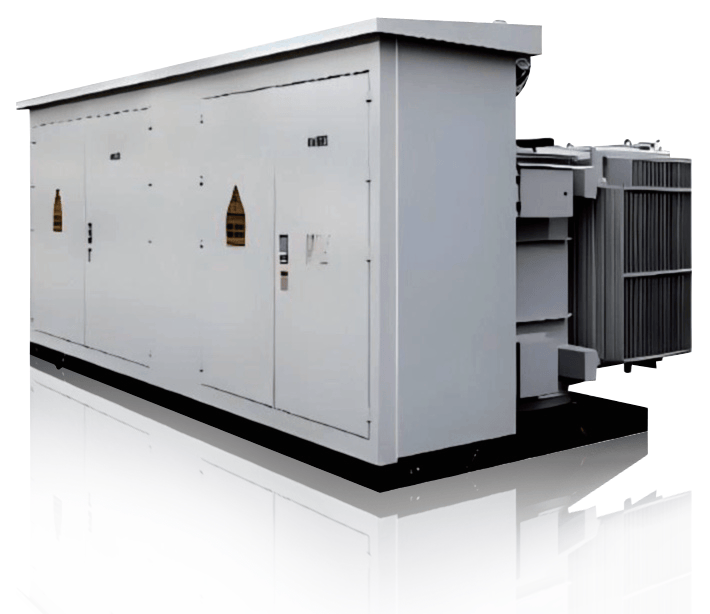

H-40.5/0.4~1.14kV New Energy Power Generation Dedicated High Voltage/Low Voltage Prefabricated Substation
XJ (Xiamen) Intelligent Power Equipment Co., Ltd.
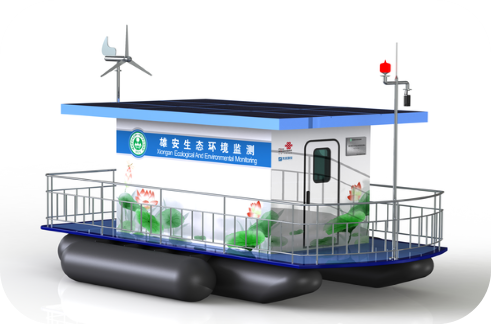
Floating Boat Water Quality Automatic Monitoring System
Hebei Sailhero Environmental Protection High-tech Co., Ltd.
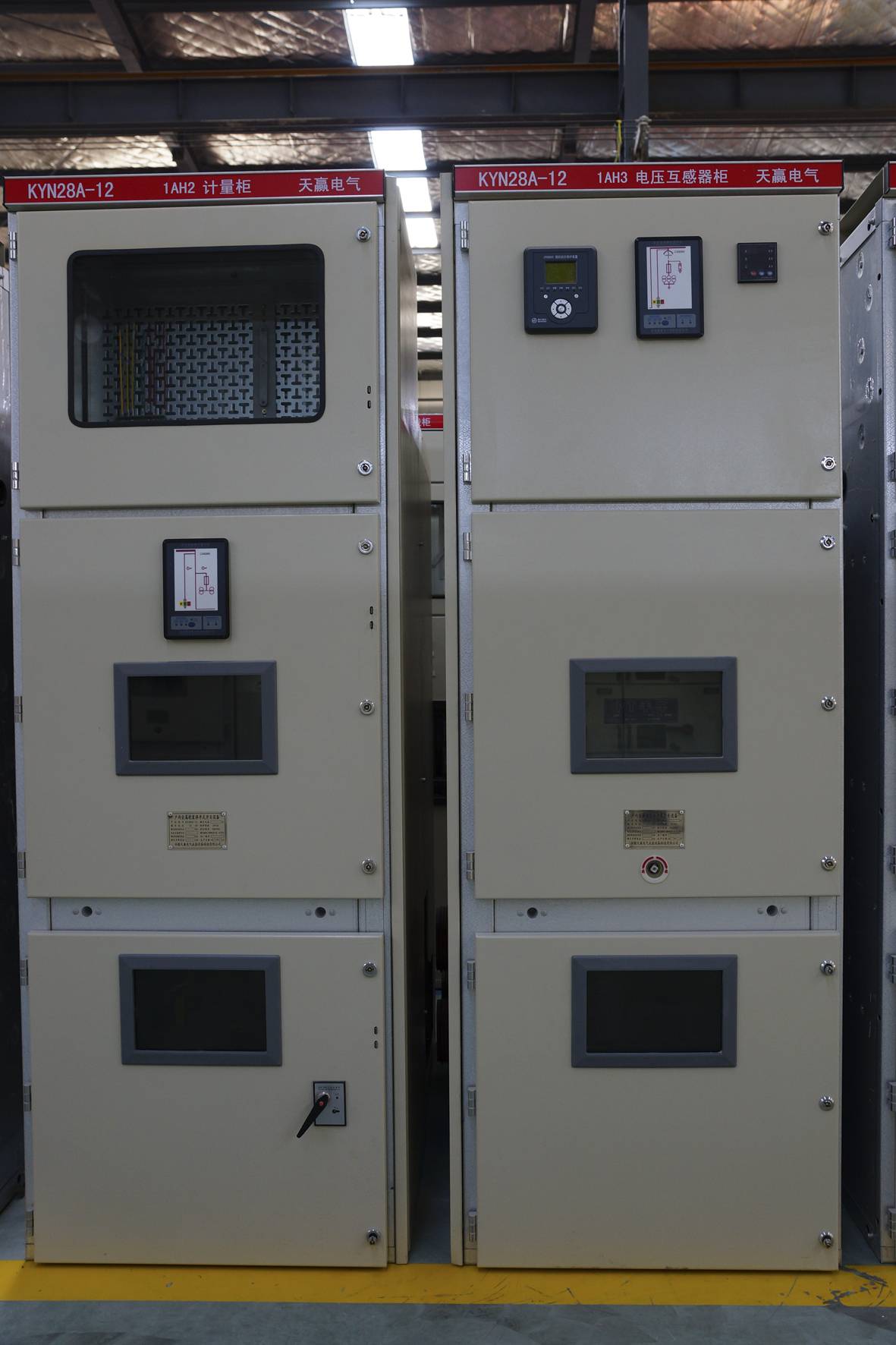
KYN28 - High Voltage Switchgear
Anhui Tianying Electrical Equipment Manufacturing Co., Ltd.
Industrial and Commercial Point-Type Gas Detector
Jinan Benan Technology Development Co., Ltd.