en.Wedoany.com Reported - The European energy storage market has been active recently, with progress in acquisitions, commissioning, and cooperation agreements across multiple projects.
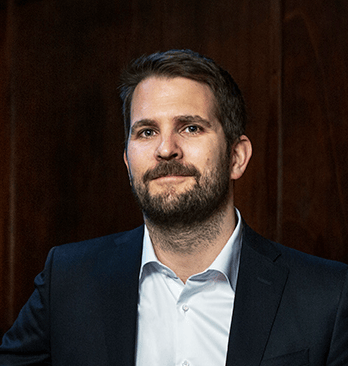
German battery energy storage system (BESS) owner and operator Green Flexibility has acquired a 750MW/2000MWh development-stage project portfolio. The company announced on June 30 that the portfolio was purchased from renewable energy developer Kajoni and is located within Germany. Kajoni will continue to develop these projects to a shovel-ready stage, after which Green Flexibility will be responsible for implementation, operation, and market deployment. Founded in 2023, Green Flexibility's founding team primarily consists of former employees of residential BESS supplier Sonnen, including Sonnen co-founder and CEO Christoph Ostermann, who left the company after Sonnen was acquired by Shell. Ostermann discussed the company's strategy in an interview with ESN Premium in early 2025, stating that only experienced players can succeed in Germany's rapidly growing BESS market. The portfolio is currently participating in Germany's latest round of high-voltage grid connection maturity assessments, a new process that replaces the previous "first-come, first-served" queuing system.
Jinko Energy Storage (Jinko ESS), the energy storage system integration subsidiary of Jinko Solar, has signed a supply agreement with developer Taliva Energy. The agreement covers a total of 400MWh of BESS capacity across multiple utility-scale projects in Eastern Europe. Taliva Energy focuses on end-to-end renewable energy project solutions in Romania and Turkey. The signing ceremony was recently completed at the Intersolar Europe trade fair in Munich, Germany, and was publicly announced on July 1. Anita Li, Vice President of Jinko Energy Storage, participated in Energy-Storage.news' annual review series interview at the end of 2025, discussing Jinko's expansion into the energy storage sector. The company's BESS product range includes 5MWh utility-scale products as well as commercial and industrial (C&I) solutions.
BESS developer and engineering, procurement, and construction (EPC) company OX2 will invest in building a 50MW/209MWh co-located energy storage project at a wind farm in Sweden. In March, OX2 decided to invest SEK 3 billion (approximately USD 309.1 million) in constructing its first wind farm project, Fageråsen, and has now decided to co-locate battery storage at the site. OX2 stated that it has secured financing for the storage project from banks DNB and UniCredit, with both financial institutions expanding their loan commitments for the Fageråsen wind farm. Additionally, OX2 recently signed a BESS supply and integration contract with Fluence for a 50MW/120MWh project in Poland and will procure the battery energy storage system for the wind farm from Trina Storage, the energy storage subsidiary of Trina Solar. Construction is about to begin, with grid connection expected by the end of 2027.
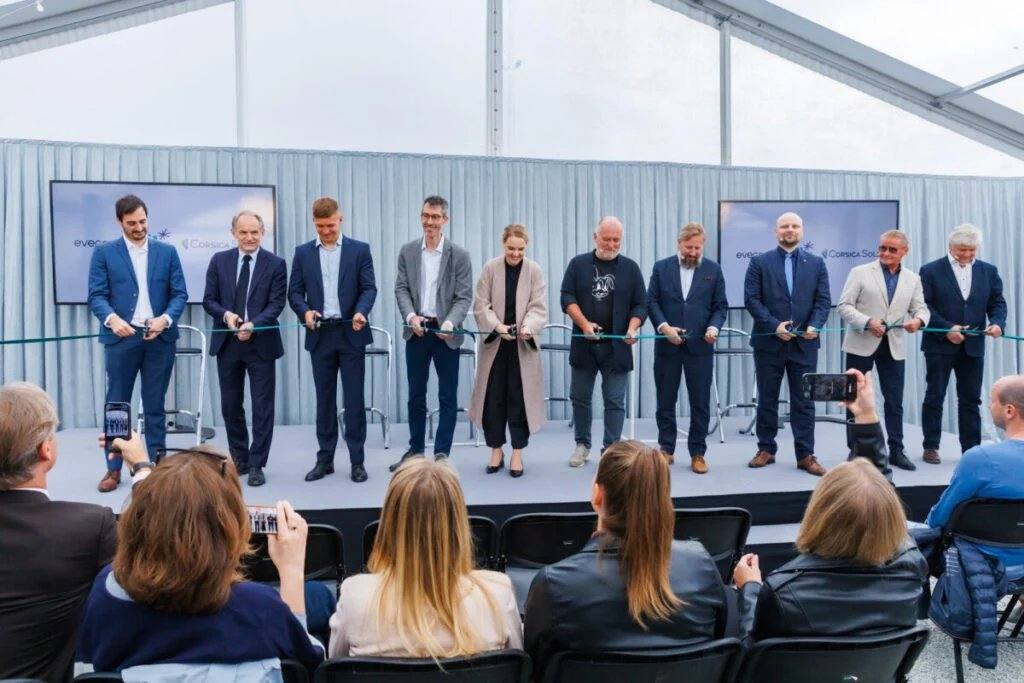
Baltic Storage Platform, a joint venture formed by three European companies, has completed its second 100MW/200MWh BESS project, Hertz 2, in Estonia. The project was officially inaugurated on July 7 in Aruküla, Harju County, Estonia, with partners including Evecon, Corsica Sole, and international investment fund Mirova. Baltic Storage Platform secured financing for Hertz 2 and its sister project, Hertz 1, of equal scale, at the end of 2025. Hertz 1 entered commercial operation in February. The joint venture stated that in addition to helping balance the grid, Hertz 2 will also participate in day-ahead and intraday electricity trading markets. Karl-Joonatan Kvell, CEO of developer Evecon, said that the two projects represent the largest private sector investments in Estonia's energy sector to date, with a total value of EUR 170 million, and that the investment decision was "made 100% against the market, without any subsidies, and we took all the risks ourselves." Estonian Minister of Energy and Environment Andres Sutt noted that such foreign investments "are of immeasurable importance for the development of our economy," while stating that the Hertz 1 and Hertz 2 projects are crucial for balancing the power system and facilitating the integration of more renewable electricity into the grid, representing the kind of flexible capacity Estonia increasingly needs to maintain its own frequency.