TI Korea: Automotive Technology Empowers Robots, Market Growing 50%-60% Annually
en.Wedoany.com Reported - Texas Instruments Korea (TI Korea) President Park Jung-seo announced on the 9th at the "TI Mobility & Robotics Seminar 2026" held at EL Tower in Yeoksam-dong, Seoul, that the company will transfer its functional safety-verified automotive embedded processing and analog architectures to robot platforms. In collaboration with global partners such as NVIDIA, TI aims to accelerate the development of Physical AI, upgrade hardware infrastructure, and seize the autonomous robot market. The goal is to address global labor shortages caused by aging populations and low birth rates, moving beyond the agentic AI stage toward next-generation robot semiconductor platforms based on Physical AI that interact with the physical environment.
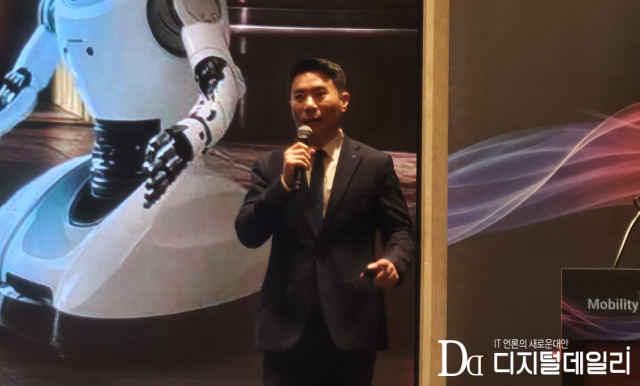
In his speech, Park presented rapid growth indicators for the future robot market. As of last year, the global market for humanoid and mobile robots was under $1 million, but it is expected to reach $6 billion by 2030 and $51 billion by 2035, with an annual growth rate of 50% to 60%. To achieve this explosive growth, robots must be safe and reliable enough to genuinely assist human life, while also being affordable for anyone to purchase. TI's vision—creating a better world through affordable semiconductors—aligns with the demands of the upcoming robot market.
Park examined the pivotal role of the Korean market in the global robot ecosystem. According to a Goldman Sachs report, Korea will play a key role in the global robot market. Korea is home to top-five global companies and possesses world-class technological capabilities across the electronics and electrical industries. In battery technology—a core component of robotics—Korean companies also demonstrate leading expertise. With abundant real-world field data essential for future robot development and extensive industrial complexes and infrastructure for reapplication in production automation, Korean companies are expected to dominate at least one-third of the global robot market.
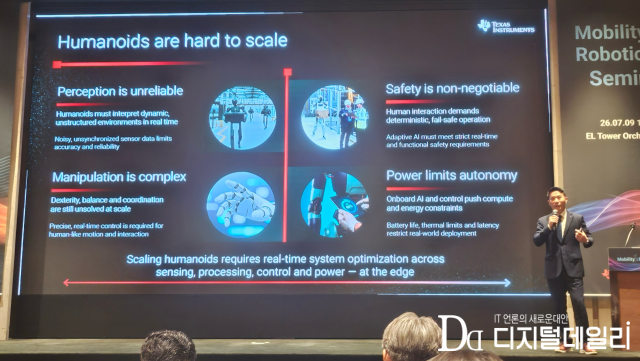
Park also highlighted technical challenges and infrastructure constraints hindering physical robot implementation. In the perception domain, collecting sensor data involves not only cameras but also millimeter-wave radar, LiDAR, tactile torque sensors, and other technologies working in tandem. However, filtering out significant environmental noise to extract necessary data remains a practical bottleneck for current robots. Joint control that feels smooth and natural to humans is an extremely complex and delicate control technology for robots. Safety standards for operation without malfunctions or unexpected incidents in living spaces and industrial sites are critical. Additionally, driving massive computing power and sensors either requires wired, fixed systems or extremely heavy batteries. The weight of large-capacity batteries in electric vehicle underbodies is unattainable for robots, creating hardware design constraints: robots must use fewer batteries while meeting lightweight, precise, and high-quality requirements.
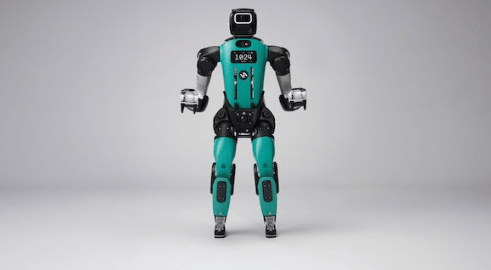
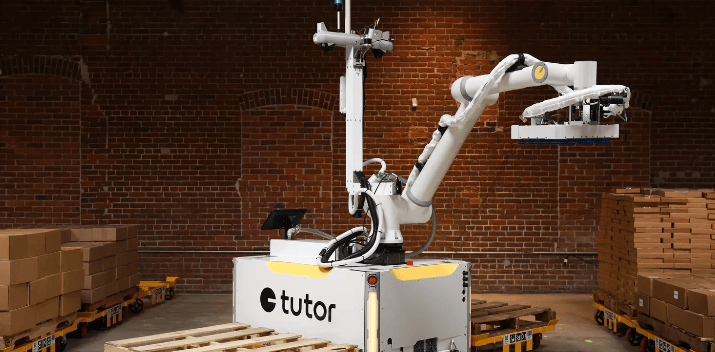
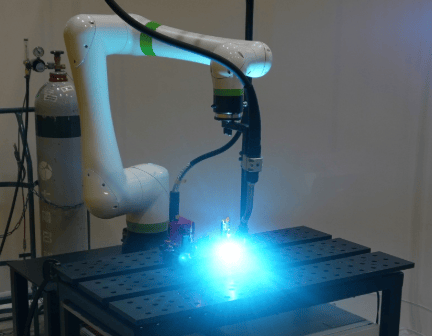
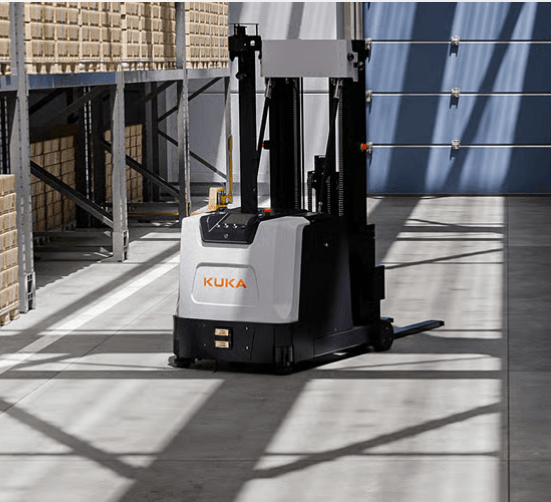
The robot industry has evolved from past factory robotic arms, through current delivery robots and advanced collaborative robots, toward the ultimate stage—humanoid robots. The added value of semiconductor demand in this process has drawn attention due to its similarity to the automotive industry. Park explained that starting with heavy-duty factory robotic arms and AMR/AGV transport vehicles, delivery robots in restaurants or cleaning robots integrated with cybersecurity technology have become common in recent years. Now, the industry is moving beyond collaborative robots that work with humans toward humanoid robots—the pinnacle of robotics. This technological convergence is not coincidental but results from massive investments to address automation demands and labor shortages caused by low birth rates and aging populations. By 2030, the automotive semiconductor market will grow at an average annual rate of 7.5%, while the robot semiconductor market will achieve rapid growth of at least 56%. Currently, each electric and autonomous vehicle carries semiconductors worth $1,000 to $1,500, while humanoid robots require semiconductor procurement of at least $2,000 to $5,000 or more.
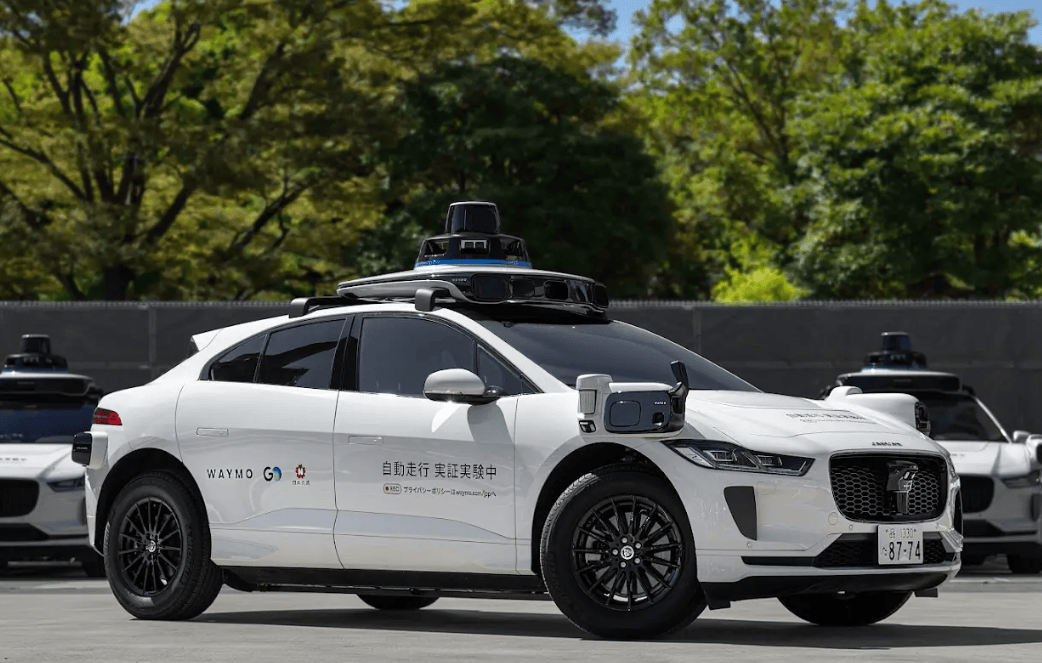
TI is employing multiple strategies to strengthen its robot supply chain based on established mobility-verified assets and ensure engineering support infrastructure. TI directly transfers autonomous driving perception architectures—which identify and control objects and people—to robot environmental perception systems. It also applies precision motor control technologies verified in automotive traction inverter processes to robot joint motion control modules, enabling smooth mechanical actuation. For robot systems with significant battery weight constraints, TI introduces automotive 48V power system design methods. Compared to traditional 12V systems, high-voltage processing maximizes power efficiency, significantly reduces wiring harness weight and volume, and aims to achieve both system optimization and cost savings. Moving beyond single-component supply, TI launches a system-level engineering approach that organically links over 85,000 products. Through its official website TI.com, TI plans to comprehensively provide reference design assets—including subsystem-level circuit configuration patterns, actual simulation results, and measured values—to reduce development risks.
Related Products

Pallet Solutions Product Line: HD3000 Double-Column Stacker Crane
Zhongding Intelligent (Wuxi) Technology Co., Ltd.
Industrial and Commercial Point-Type Gas Detector
Jinan Benan Technology Development Co., Ltd.

High-Speed Railway Lifting, Transporting, and Erecting Equipment: Integrated Transport and Erection Machine
Hanjiang Heavy Industry Co., Ltd. of China Railway 11th Bureau Group
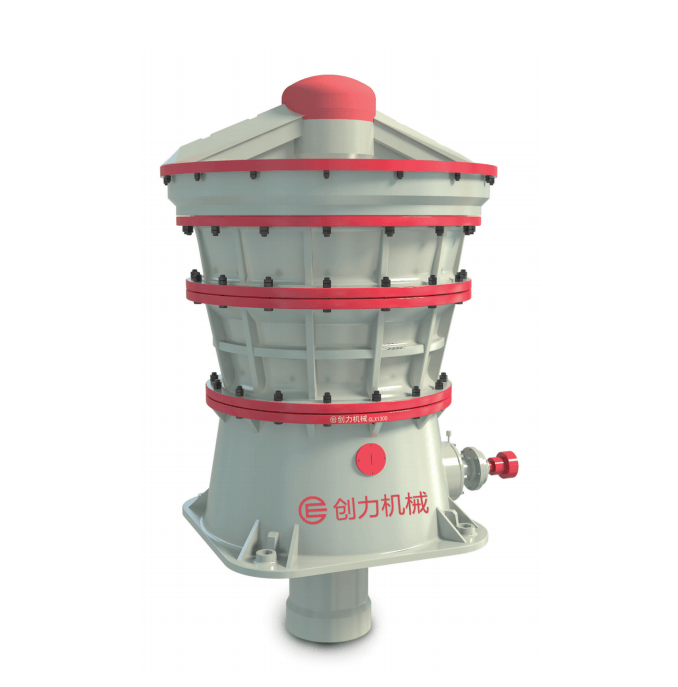
CLX Series Intelligent Hydraulic Gyratory Crusher
Guangdong CHUANGLI intelligent machinery Equipment Co., LTD