Brazil's Gasmig invests 1 billion reais in 400-km biomethane pipeline
en.Wedoany.com Reported - Gasmig, the natural gas distributor in Brazil's Minas Gerais state, plans to invest approximately 1 billion reais to build a 400-kilometer independent pipeline network to transport biomethane to the Triângulo Mineiro region. Gasmig CEO Gustavo De Marchi stated on the podcast "gas week" that the project's future goal is to connect with the main gas distribution network.
The Triângulo Mineiro region contributes about 10% of Minas Gerais state's GDP but currently lacks pipeline infrastructure. De Marchi believes expanding the gas distribution network is the most effective option to connect potential biomethane production in the state's interior. Previously, Brazil's Minister of Mines and Energy, Alexandre Silveira, proposed building a pipeline connecting the city of Uberaba, but this was not realized. In 2025, the Energy Research Company (EPE) considered a pipeline route to the Triângulo Mineiro region in the public consultation for the National Integrated Plan for Natural Gas and Biomethane Infrastructure (PNIIGB), but market participants were cautious about it.
The inland distribution of natural gas involves coordination between federal and state regulations regarding pipeline classification. De Marchi believes that pipeline classification should not be defined by objective criteria such as diameter and pressure based on legal directives from the 2021 Natural Gas Law, as proposed by the National Agency of Petroleum, Natural Gas and Biofuels (ANP), but rather determined by the function of the relevant infrastructure. He emphasized that Minas Gerais state is comparable in size to France, and its natural gas pipelines will inevitably have different diameters and technical characteristics from those in other states, requiring consideration of each state's specificities.
The Brazilian Association of Pipeline Gas Distributors (Abegás) has taken the pipeline classification dispute to the Federal Supreme Court (STF), challenging the constitutionality of Article 7, Paragraph 6 of Law No. 14,134 of 2021. This provision defines pipelines exceeding regulatory limits in diameter, pressure, and length as transportation pipelines. De Marchi believes there is still room for a negotiated solution between the federal government and states, and that having the Federal Supreme Court as the final arbiter could negatively impact the natural gas industry.
Regarding market dynamics, De Marchi believes the Electric Power Trading Chamber (CCEE) should play a more active role in the natural gas market. Currently, over 70% of the market share in Minas Gerais state has shifted to the free market, and Gasmig is seeking closer ties with large customers to reduce transaction complexity. Gasmig's main gas supplier is Galp, with contracts primarily linked to Henry Hub, an arrangement that has ensured supply stability amid the war context.
In procurement, Gasmig received 27 proposals in its biomethane public tender from 11 bidders, including multinational companies. The distributor plans to sign biomethane contracts in phases for up to 250,000 cubic meters per day. Currently, biomethane prices are still about 15% higher than natural gas, but its competitiveness is expected to improve as environmental assets are valued through CGOB. Gasmig has signed agreements with several municipalities in the Triângulo Mineiro region to introduce biomethane into local urban transportation, including school buses, and plans to expand into heavy vehicle fleets in southern Minas Gerais state.
Related Products

Floating Boat Water Quality Automatic Monitoring System
Hebei Sailhero Environmental Protection High-tech Co., Ltd.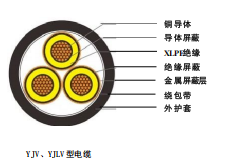
Rated Voltage 6-35kV Cross-linked Polyethylene Insulated Power Cable
TONGDING INTERCONNECTION INFORMATION CO., LTD.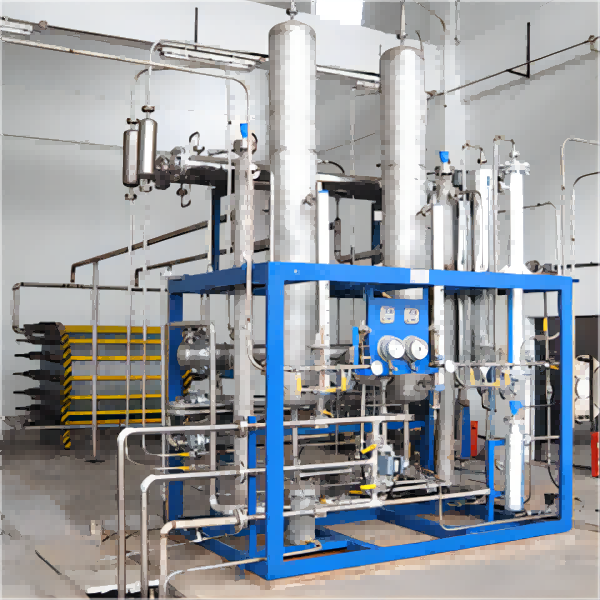
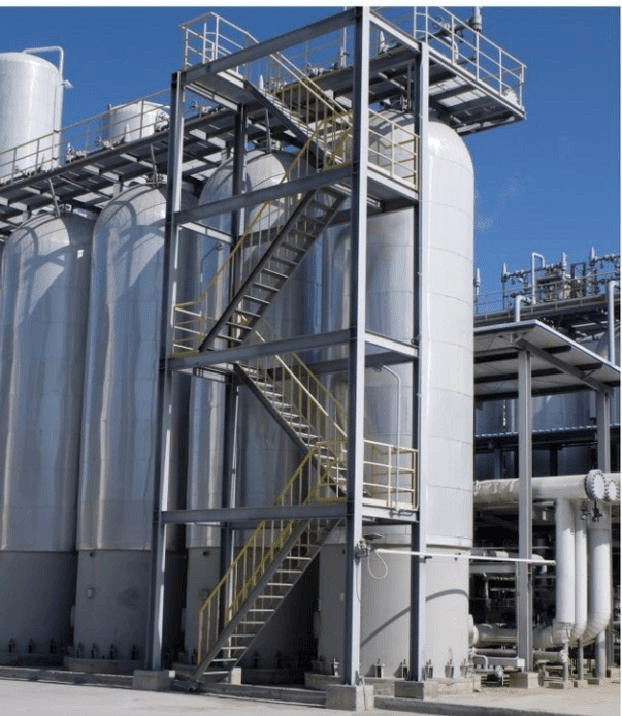
Hydrogen Production Technology: Hydrogen Purification by Pressure Swing Adsorption
Chengdu Yizhi Technology Co., Ltd.
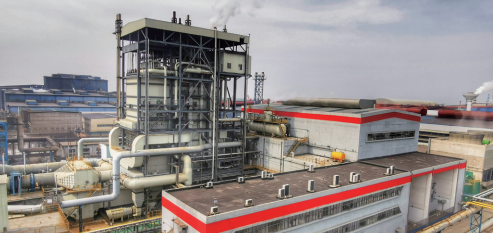
Jiujiang Pinggang 125MW Subcritical Gas Power Generation Project
Capital Engineering & Research Incorporation Limited