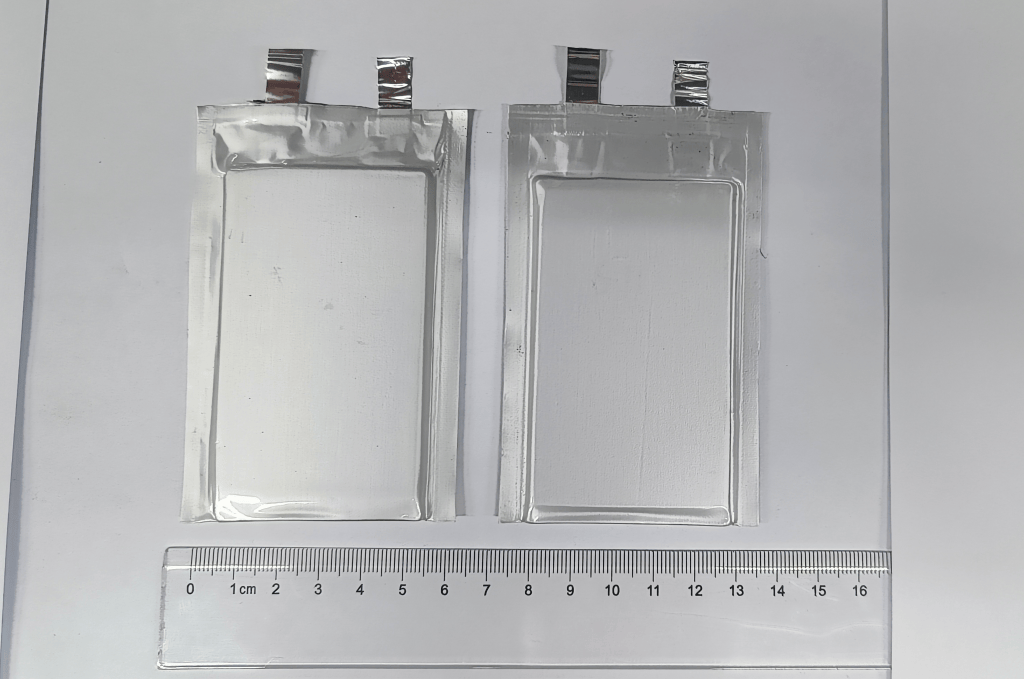
en.Wedoany.com Reported - Germany Researchers at Kiel University have developed a battery technology capable of transmitting information from inside the battery without the need for additional wiring, promising to make battery systems safer and more cost-effective. The study shows that measurement data can be transmitted through the battery's standard power terminals, eliminating the need for separate data cables.
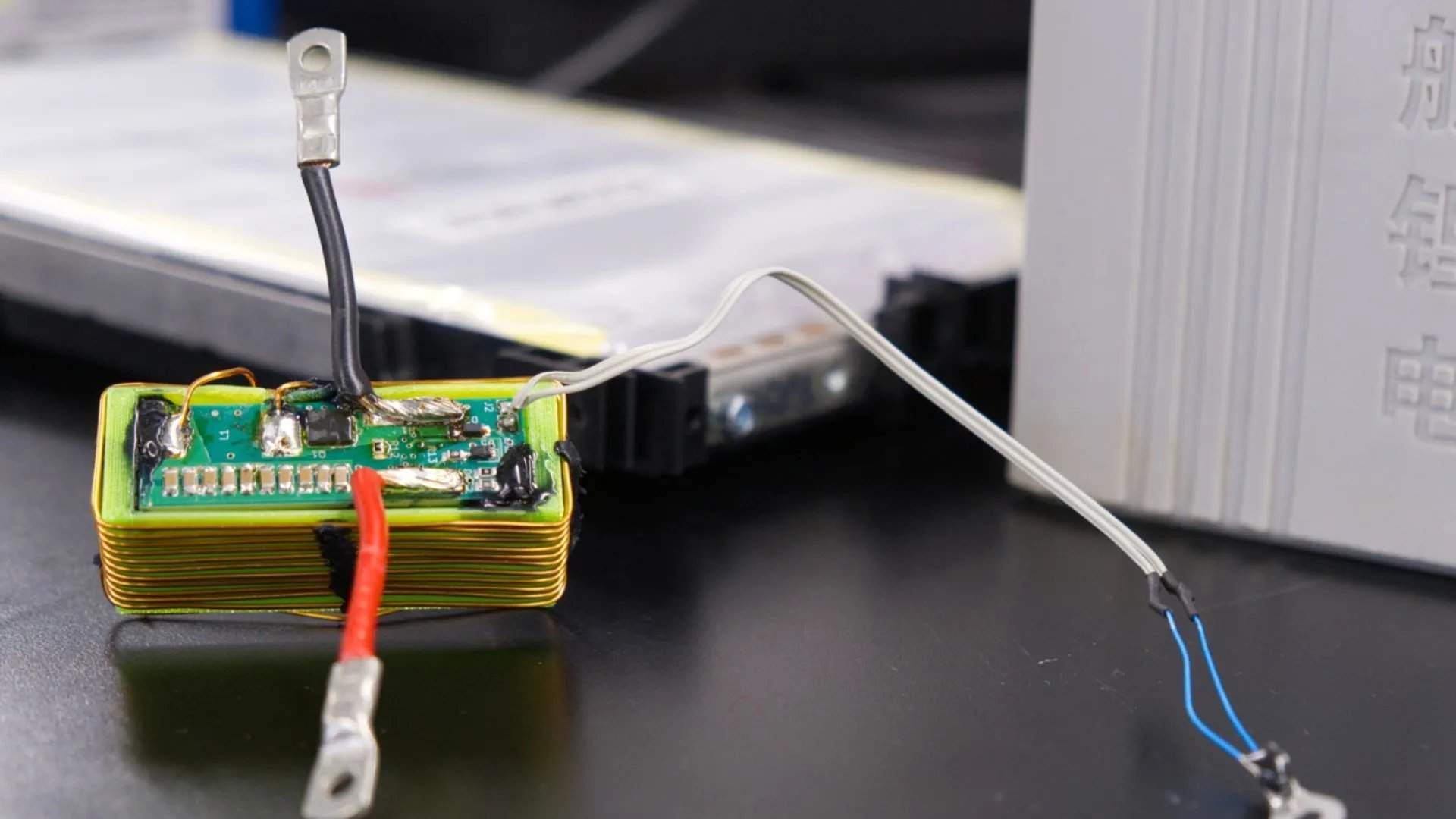
The Kiel University team calls this concept the "talking battery," which uses the same electronics employed for charging and discharging to share internal battery information. This approach could provide continuous updates on battery health for electric vehicles, home energy storage, and large-scale renewable energy systems.
Modern battery packs contain numerous individual cells, but most temperature sensors are only attached externally, meaning overheating often begins inside the cell before being detected on the surface, making early detection difficult. While placing sensors inside battery cells is feasible, it typically requires additional electronics and wiring, which takes up space in tightly packed batteries and increases manufacturing complexity. To address this issue, the researchers designed a compact electronic circuit that can be installed inside a battery cell. This circuit converts readings from an internal temperature sensor into digital signals and outputs them through the same terminals used for charging and discharging. Since the system uses the battery's existing electrical connections, no dedicated communication lines are required.
The design directly utilizes components already present in the battery management system, thus eliminating the need for additional communication hardware. "Our work is a first step toward smart batteries that can continuously monitor and report their own status," said Belandvand. "This can make battery systems both safer and more economical." The researchers estimate that eliminating separate sensor wiring could reduce system costs by approximately 35% compared to traditional battery monitoring methods. The simplified design also creates more space inside the battery pack, which is particularly beneficial when space is tight.
The researchers believe that future versions of the communication system could be smaller and may even be directly integrated into battery materials. Since sensors collect information from inside the battery cells, they could help scientists gain deeper insights into how batteries work, supporting the development of better battery technologies. "In principle, this concept is not limited to temperature sensors; pressure, gas, or other types of sensors could transmit information from inside the battery in exactly the same way," said Johannes Diels, a doctoral student at the Chair of Power Electronics and lead author of the study.
The team believes this technology could be applied in many areas requiring high-performance batteries, including electric vehicles, large-scale energy storage systems for wind and solar power, and home backup battery systems. If this communication method is further developed, batteries could be continuously monitored from within without adding wiring, providing operators with earlier problem warnings, reducing hardware costs, and making future batteries easier to manufacture. The study was published in the journal Communications Engineering.