Wafer Foundry Price Hikes: Taiwan-based TSMC Raises 5-10%, Samsung Electronics Up About 15%
en.Wedoany.com Reported - The pricing model of the global wafer foundry market is undergoing profound changes, with leading players such as TSMC and Samsung Electronics recently raising prices, marking a gradual shift in a market once characterized by fierce price competition toward suppliers. Analysts point out that the explosive growth in demand for artificial intelligence (AI) chips and supply bottlenecks in advanced process capacity are replacing process maturity as the core driver of pricing.
According to industry insiders, TSMC has recently notified major clients such as Nvidia, Apple, and AMD of plans to increase its wafer supply prices by 5% to 10%. This price adjustment covers not only cutting-edge process nodes like 3nm and 5nm but also the 7nm process used for high-performance chip production. Notably, the change in pricing methodology has drawn more industry attention than the magnitude of the increase itself. Typically, the wafer foundry industry sets higher prices during the initial production phase of a new node, but once yields stabilize and production efficiency improves, prices are frozen or gradually adjusted, with rare instances of price hikes for the same node.
As AI investment scales up, the market supply-demand landscape has reversed. Global tech giants like Nvidia have seen a surge in orders for AI semiconductors, while capacity at advanced process nodes cannot meet demand. Meanwhile, development costs for next-generation process nodes such as 2nm and the investment burden for advanced equipment continue to rise. The industry observes that this trend has made market supply-demand dynamics and investment costs, rather than process maturity, the dominant factors in pricing. TSMC has begun flexibly adjusting prices for the same process node based on market conditions.
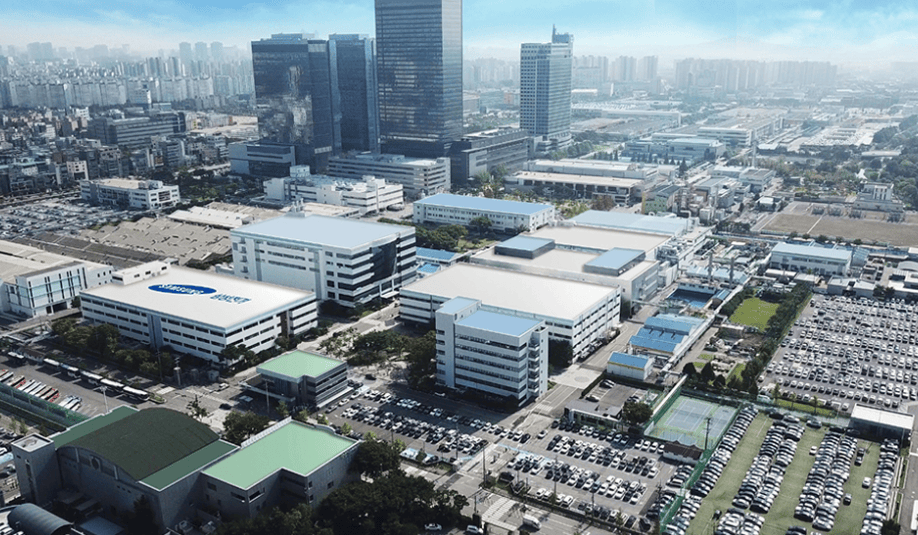
This trend is also reflected in Samsung Electronics' wafer foundry business. Sources indicate that Samsung has raised supply prices for new customers by approximately 15%, primarily targeting advanced process nodes with concentrated demand, such as 4nm and 5nm, as well as some automotive-grade 8nm processes. Unlike TSMC's across-the-board price hike strategy, Samsung focuses more on adjusting prices for specific nodes with strong demand. Industry insiders believe that growing demand for AI semiconductors and automotive chips has improved supply conditions for certain nodes, thereby enhancing manufacturers' pricing power.
Market analysis suggests that this shift could reshape the revenue structure of the wafer foundry industry. In the past, only companies with technological strength held pricing power at the most advanced process nodes, but the persistent supply shortage driven by AI investment is transferring bargaining power more broadly to manufacturers.
The rise in wafer foundry costs is likely to trigger cost increases throughout the semiconductor ecosystem. In addition to wafer prices, rising high-bandwidth memory (HBM) prices and shortages of advanced packaging materials are expected to push up manufacturing costs for companies like Nvidia, Apple, and AMD. In the long run, this will not only affect the construction costs of AI servers but may also be passed on to the prices of end-consumer products such as smartphones and personal computers.
A semiconductor industry official stated that foundries previously tended to compete for clients through price competition, but in the AI era, as supply of advanced nodes fails to keep pace with demand, pricing power is steadily shifting to suppliers. As long as the AI investment cycle continues, the trend of price increases centered on advanced nodes is likely to persist.
Related Products

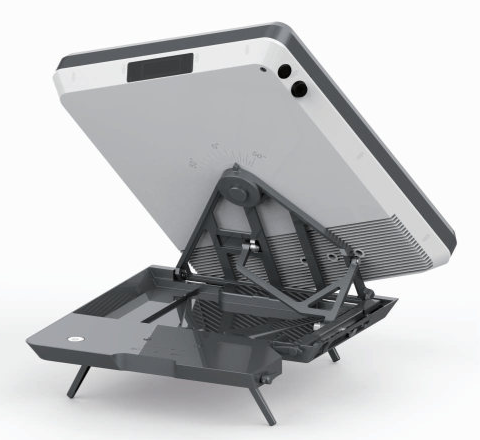
Flat Portable Satellite Terminal 0.35m Aperture Manual Portable Terminal
China Starwin Science & Technology Co., Ltd.


Automatic Aiming Laser Remote Obstacle Removal Robot
Pinggao Group Weihai High-Voltage Apparatus Co., Ltd.

G.652.D Wavelength-extended Non-dispersion Shifted Single-mode Optical Fiber
HONGAN GROUP CO., LTD.