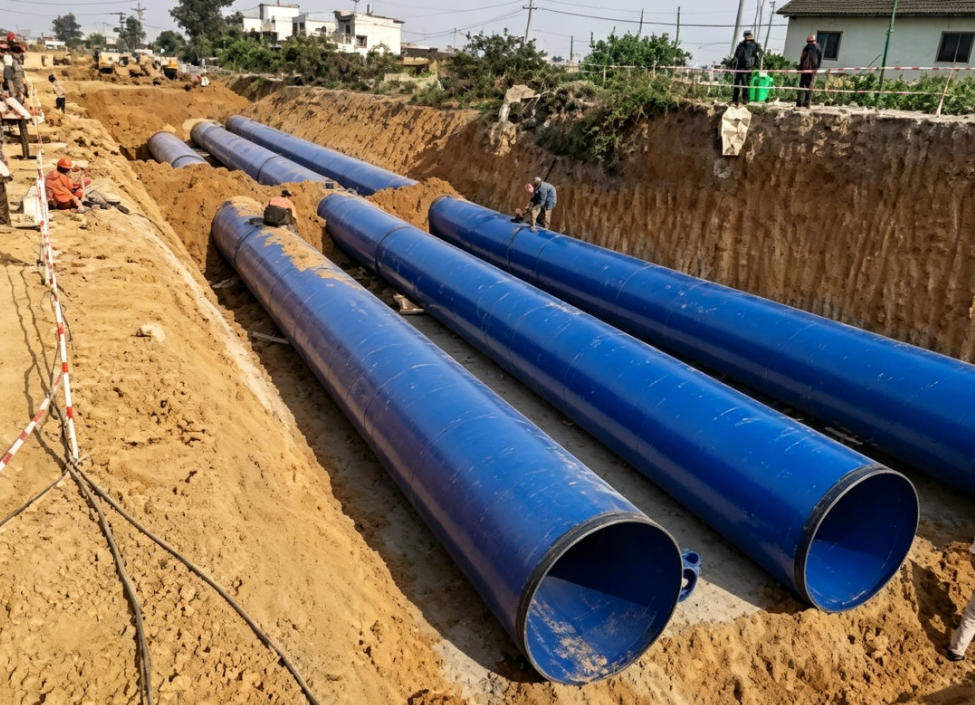
en.Wedoany.com Reported - The world's largest petrochemical base has been established in the Zhoushan Islands, Zhejiang Province. Unlike the convention of siting global mega petrochemical bases in inland industrial belts, this layout places the base on an offshore island. The manufacturing clusters around Hangzhou Bay, including small home appliances, textiles, and new materials, have long faced a supply gap for core chemical raw materials. The offshore islands of Zhoushan, far from residential areas and with strong environmental carrying capacity, effectively mitigate the NIMBY effect of heavy chemical industries, providing spatial conditions to resolve the pain points of locating heavy chemical industries in inland urban areas.
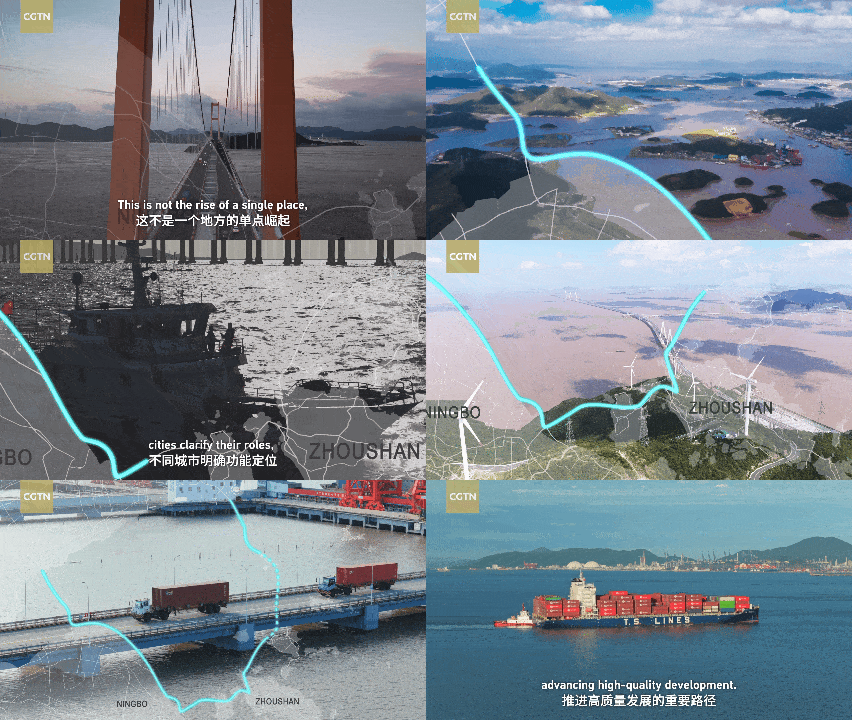
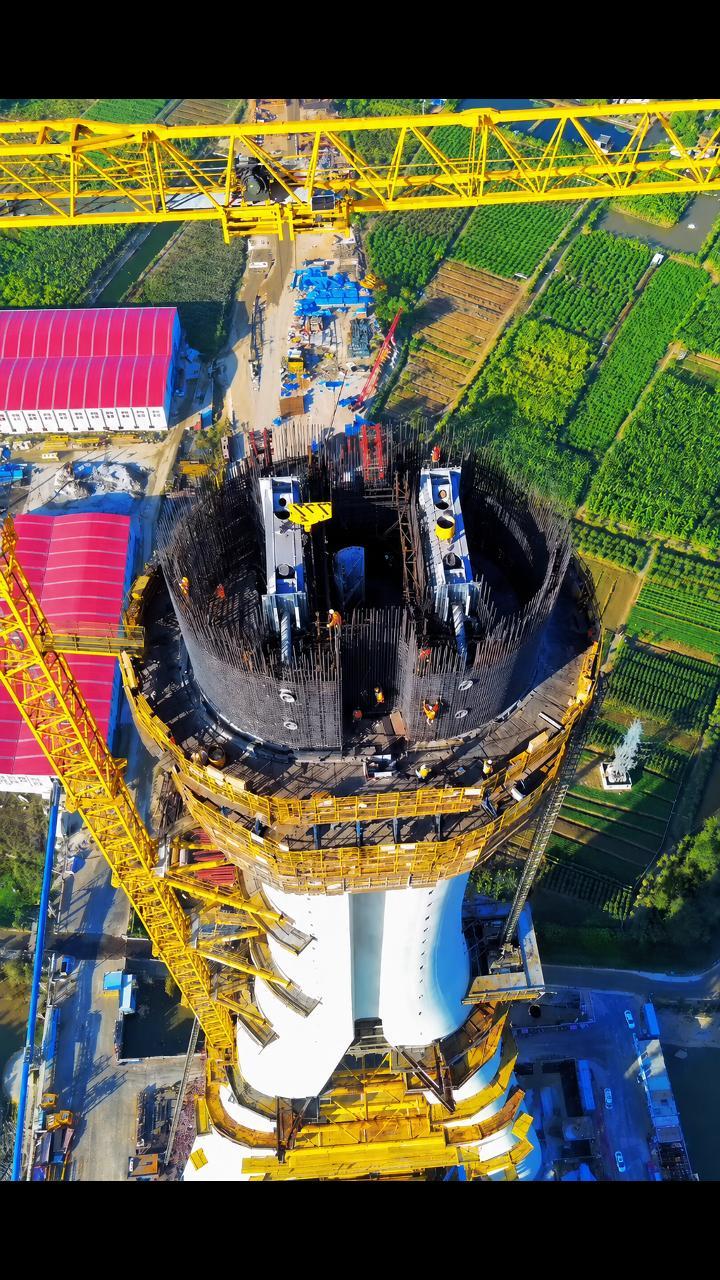
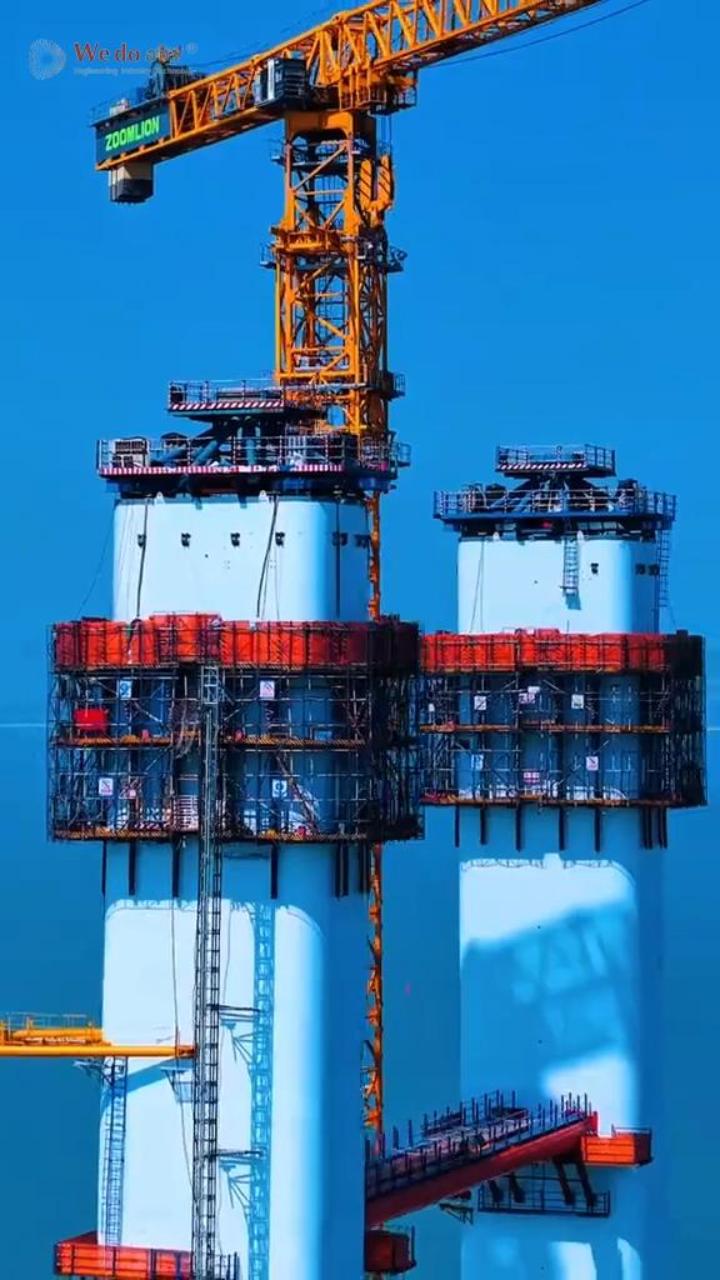
While demand is concentrated in the Yangtze River Delta industrial belt, the base is located at sea. Connecting the two into a stable supply chain requires a mature infrastructure system. Before the petrochemical base was established, an island-connecting expressway project linking the Zhoushan Islands with the Yangtze River Delta had already been planned. The Zhoudai Cross-Sea Bridge is the final section of the Zhoushan island-connecting project. Li Linting, the project's chief engineer, stated that the completion of the bridge marks the official completion of the island-connecting expressway for the Zhoushan Islands. The project spans a total length of 86.68 kilometers, connecting eight islands, making it the longest island-connecting expressway in China.
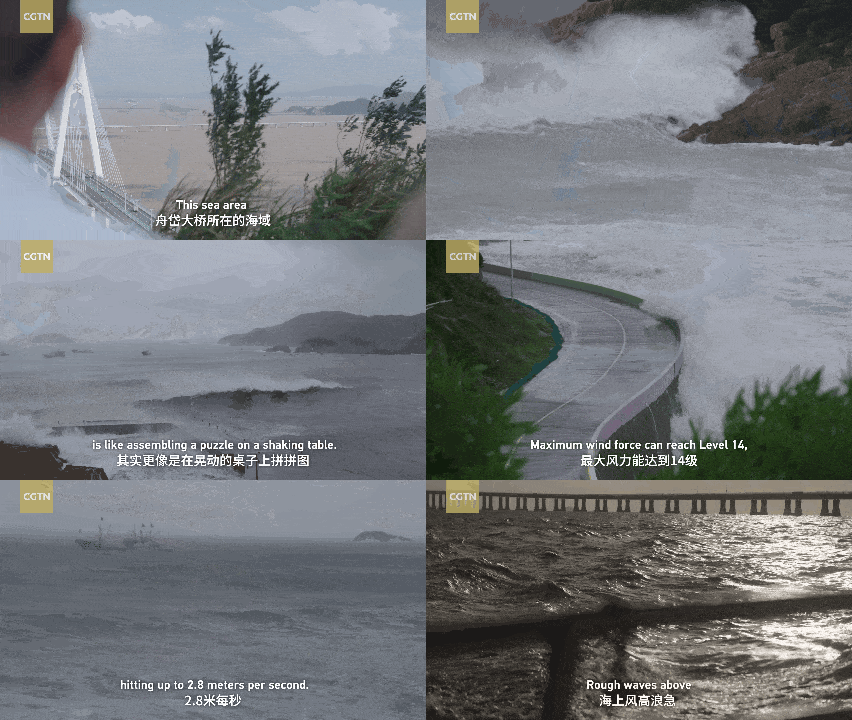
The sea area where the bridge is located is a convergence zone for typhoons and monsoons, with maximum wind force reaching level 14 and maximum ocean current speed reaching 2.8 meters per second. Li Linting explained that the seabed, at depths of 20 to 40 meters, consists of a silt layer, beneath which lies silty clay of different strata, flowing like an unripe egg yolk. The construction team faced challenges from strong winds, swift currents, and soft foundations.
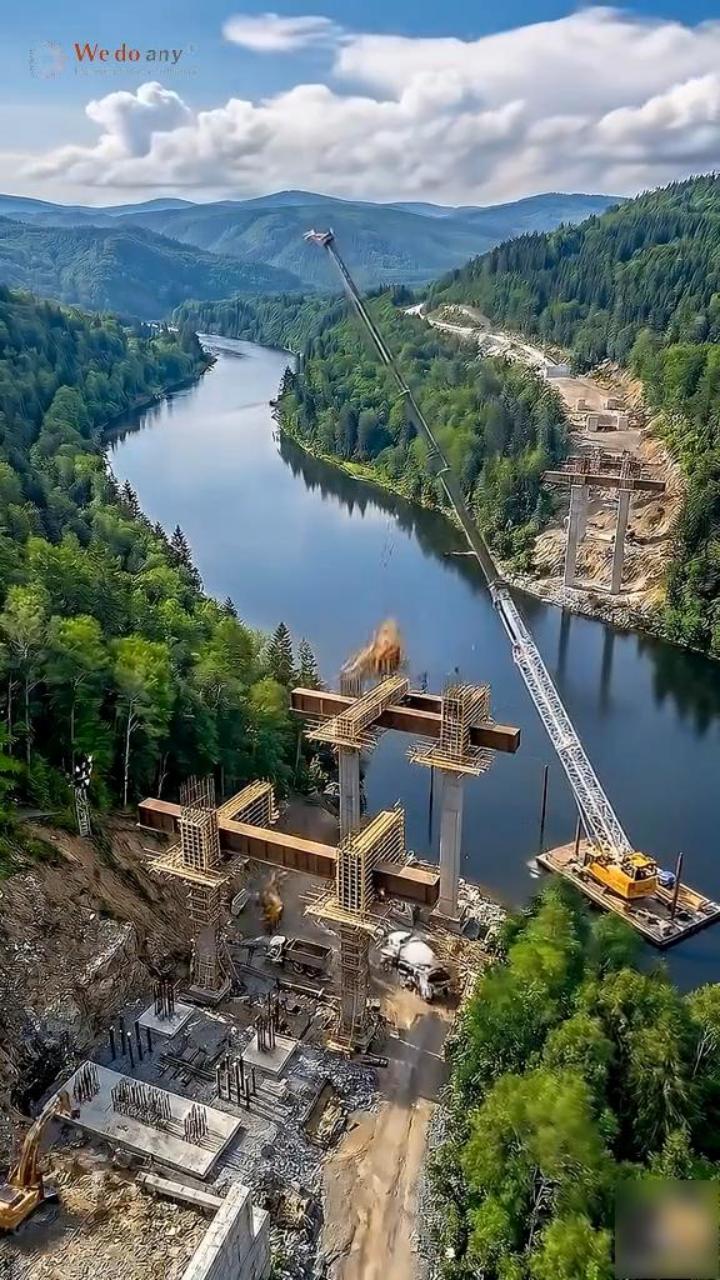
To address the foundation issues, the team drove 109-meter ultra-long pile foundations. The work vessels deployed eight sets of anchors to secure their positions and were equipped with a dual-mode high-precision positioning system integrating BeiDou and GPS, controlling pile position deviation within plus or minus 10 centimeters, allowing the giant pile foundations to be firmly rooted in the deep sea.
For the long-term operation of the bridge, the steel box girders adopt a flat streamlined structure to reduce windward area, and longitudinal dampers are installed between the towers and girders to enhance safety under strong wind and earthquake conditions. To combat seawater corrosion of the steel structure, the team employed sacrificial anode technology, using metals with higher electrochemical activity to actively provide electrons, protecting the steel structure and extending the bridge's service life.
The Zhoushan Green Petrochemical Base and the Zhoudai Cross-Sea Bridge were constructed simultaneously. Planning for the bridge began while the first phase of the petrochemical base was under construction, and the bridge opened to traffic when the base's second phase was completed. Chen Ben, Deputy Director of the Management Committee of the Zhoushan Green Petrochemical Base, stated that the opening of the bridge has greatly facilitated personnel movement, construction and maintenance, and the passage of machinery and equipment.
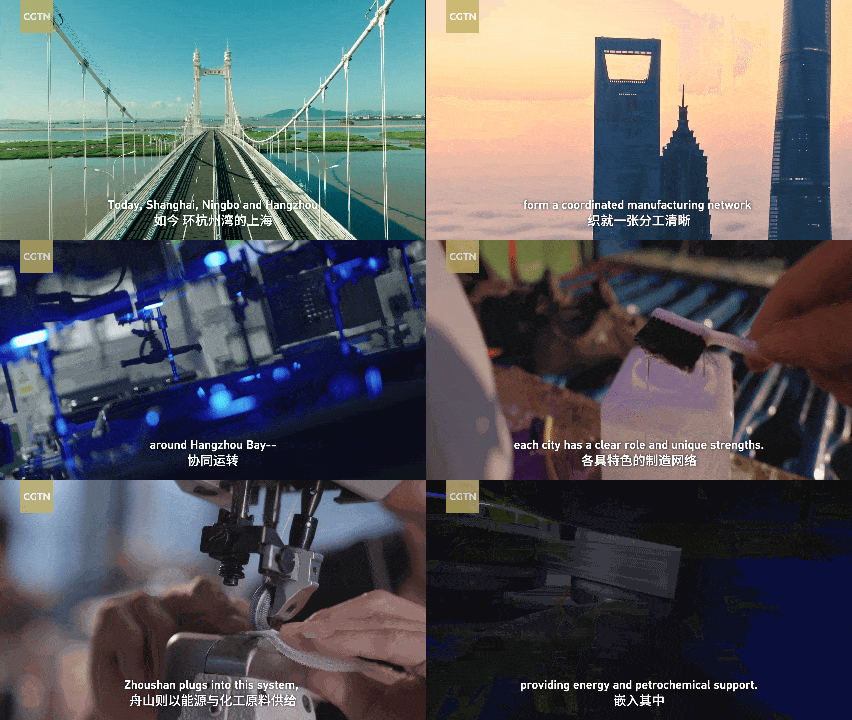
Currently, cities around Hangzhou Bay, including Shanghai, Ningbo, and Hangzhou, have formed a manufacturing network with clear division of labor and systematic operation, with Zhoushan embedded as a node for energy and chemical raw material supply. This layout reflects the concept of coordinated regional development. Through higher-level overall planning and coordination, different cities have defined their functional roles, avoiding homogeneous competition and enabling the industrial chain to form a synergistic network within the region.