en.Wedoany.com Reported - Industrial VOCs control is moving from simple end-of-pipe treatment toward a full system that covers raw materials, production processes, gas collection, treatment equipment, monitoring and operation management. In many factories, VOC emissions are not generated from a single exhaust point. They may come from coating, printing, packaging, chemical production, pharmaceutical manufacturing, oil storage, electronic cleaning, adhesive use and surface treatment.
This means that a treatment device alone cannot solve the whole problem. If source reduction and gas collection are weak, even a high-performance treatment unit may fail to deliver stable results. The first task is to identify emission sources and understand the characteristics of the exhaust gas, including concentration, flow rate, temperature, humidity, continuity and chemical composition.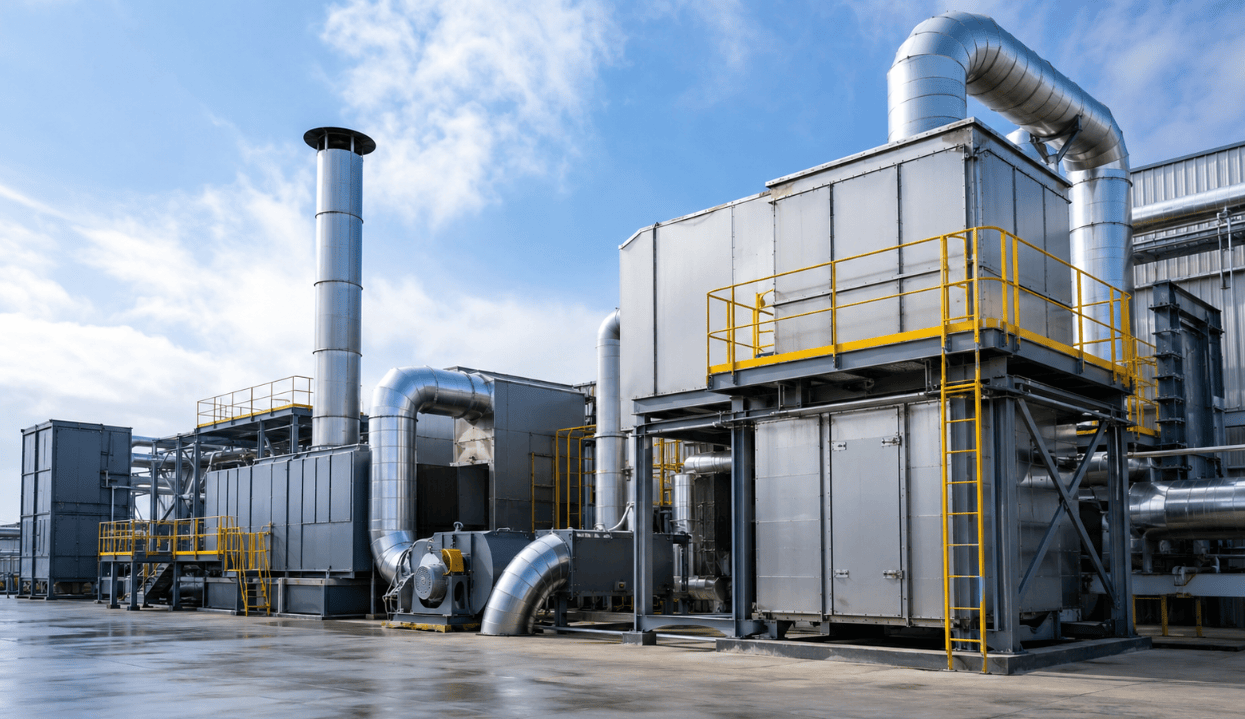
Different working conditions require different technical routes. Low-concentration and high-volume exhaust gas, high-concentration intermittent exhaust gas, halogenated organic gas, particulate-containing gas and moisture-rich gas all create different engineering challenges. If equipment is selected only by total air volume or nominal removal efficiency, the project may face unstable performance, excessive energy consumption, rapid adsorbent failure or increased safety risk.
Source reduction is becoming more important. Low-VOC coatings, water-based inks, powder coating, solvent-free adhesives, closed production, automatic feeding, tank sealing and solvent recovery can reduce the pollution load before emissions are formed. These measures may require changes in production habits and supply chains, but they are often more economical over the long term than simply expanding end-of-pipe capacity.
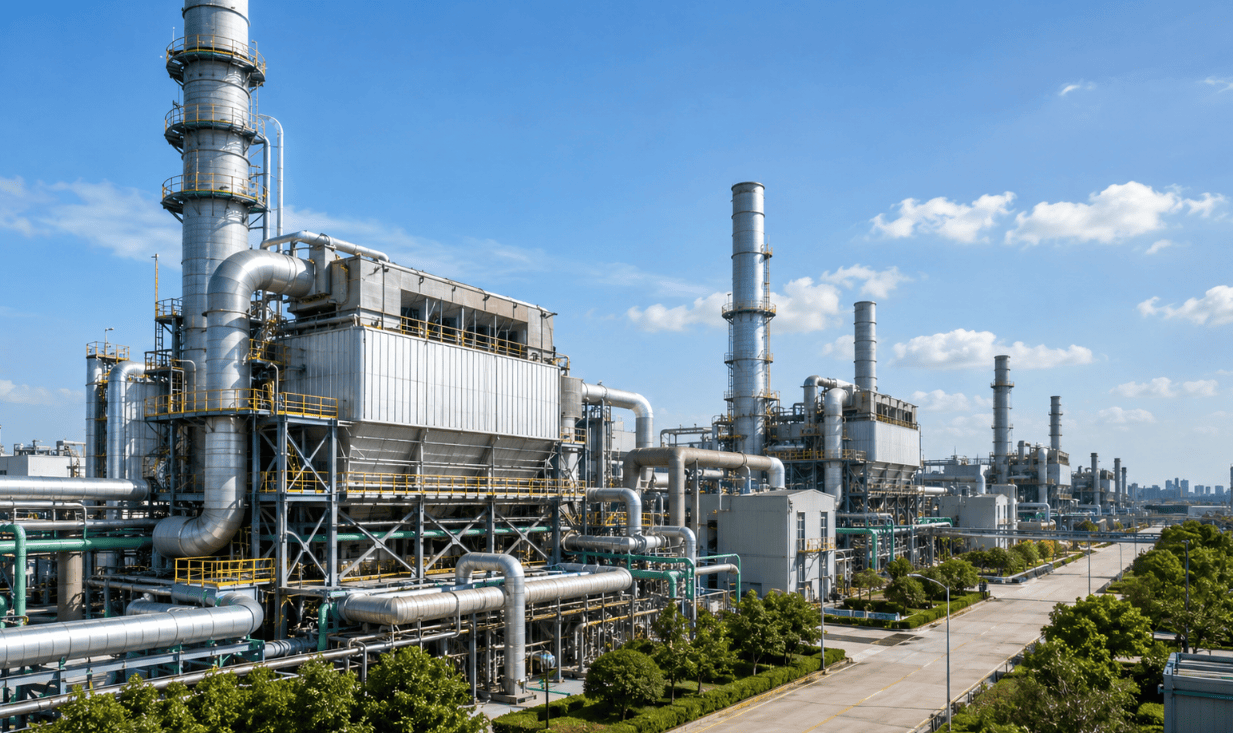
End-of-pipe treatment is still essential, but it must match the operating conditions. Adsorption and concentration systems are suitable for many low-concentration exhaust streams. Thermal oxidation and regenerative thermal oxidation are used for combustible organic gases. Catalytic oxidation can reduce oxidation temperature in suitable applications. Condensation recovery is more relevant for high-concentration solvent streams with recovery value. Biological treatment can be used for certain low-concentration and biodegradable gases.
The future competition in VOC control will focus less on equipment price and more on system stability. Industrial users need solutions that can maintain compliance, control energy consumption, simplify maintenance, improve safety and provide traceable operating data. For environmental equipment suppliers, process understanding, gas analysis, engineering design and operation service will become more important than selling a single device.