en.Wedoany.com Reported - As global manufacturing moves toward stricter environmental compliance and greener supply chain management, VOCs control is becoming an important overseas opportunity for environmental equipment suppliers. Industries such as coating, package printing, automotive components, electronics, chemicals, pharmaceuticals, furniture, oil storage and advanced materials all have demand for organic waste gas treatment.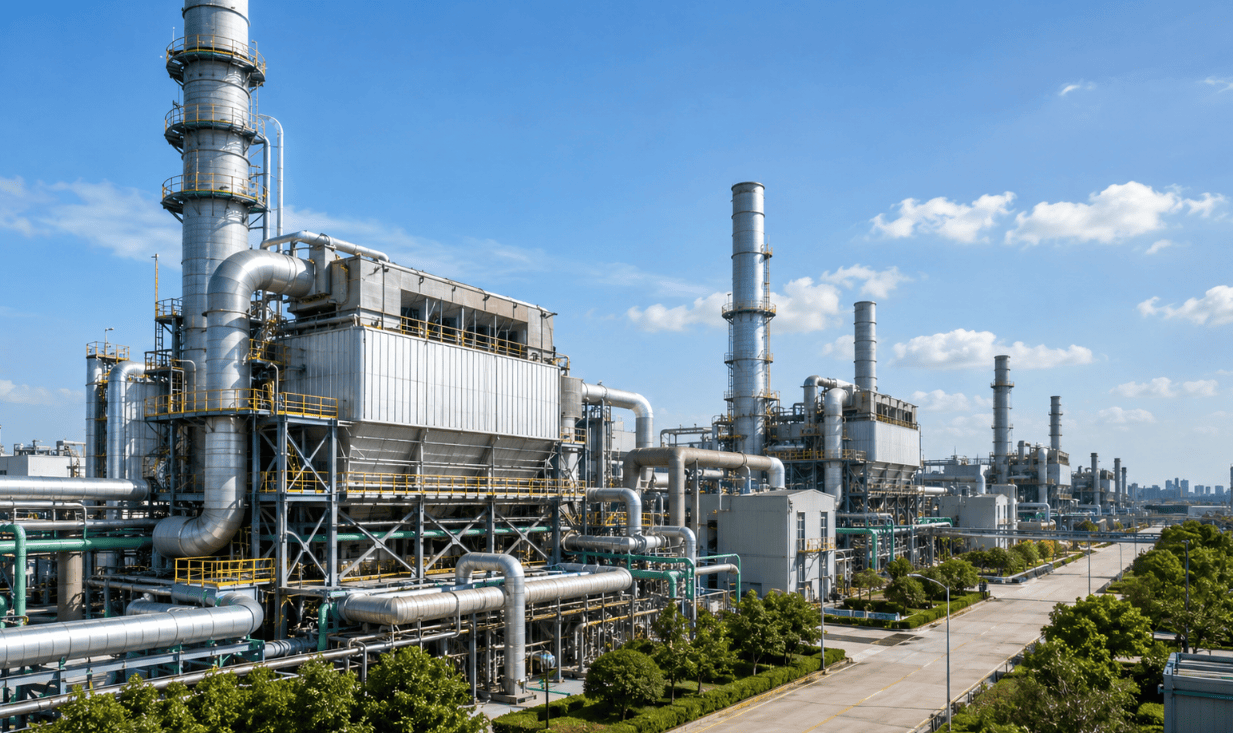
For export-oriented factories and suppliers to multinational companies, VOC emission management is not only related to local environmental permits. It also affects customer audits, ESG reporting and long-term operational risk. This is why many industrial customers are no longer looking for isolated equipment. They need complete solutions that can be designed, installed, operated and maintained under real factory conditions.
Market demand varies by region. Europe and North America have mature regulatory systems, with stronger requirements for permitting, continuous monitoring, equipment safety and operation records. Entry barriers are higher, but project quality and service value can also be higher. In Southeast Asia, India, Latin America, the Middle East and parts of Africa, industrial expansion is taking place alongside stronger environmental supervision. New factories, industrial parks and export manufacturing bases increasingly need waste gas treatment systems.
For suppliers, exporting VOC treatment equipment is not simply a product sale. Overseas customers often need emission diagnosis, process analysis, engineering design, equipment manufacturing, installation, commissioning, monitoring, spare parts and localized maintenance support. In regions with high temperature, high humidity, dust, unstable electricity supply or limited operator experience, the treatment system must have stronger stability and fault tolerance.
Standard adaptation is another key issue. Emission limits, testing methods, explosion-proof requirements, electrical safety rules, fire protection, stack design, hazardous waste handling and equipment certification can differ from country to country. If a supplier does not understand local regulations and acceptance procedures, even a technically sound system may face delivery and approval difficulties.
In the next stage, international competition will focus on engineering capability, modular design and local service. Companies that can integrate source reduction, gas collection, adsorption concentration, oxidation treatment, solvent recovery, online monitoring and operation platforms will have better access to overseas industrial customers and park-level projects. For environmental equipment suppliers, the key is to move from equipment export to industrial air pollution solution delivery.