en.Wedoany.com Reported - Compliance management for VOCs is no longer limited to installing treatment equipment. Regulators, industrial customers and supply chain auditors increasingly care about whether the system runs properly, whether emissions remain stable, whether data are complete, and whether abnormal conditions are recorded and traceable.
VOCs emissions often fluctuate. Many factories do not operate continuously throughout the day. Exhaust concentration can change with production batches, product types, raw materials, temperature, startup and shutdown conditions, cleaning operations and maintenance activities. If a company relies only on manual inspection and periodic testing, it may not fully understand its real emission status.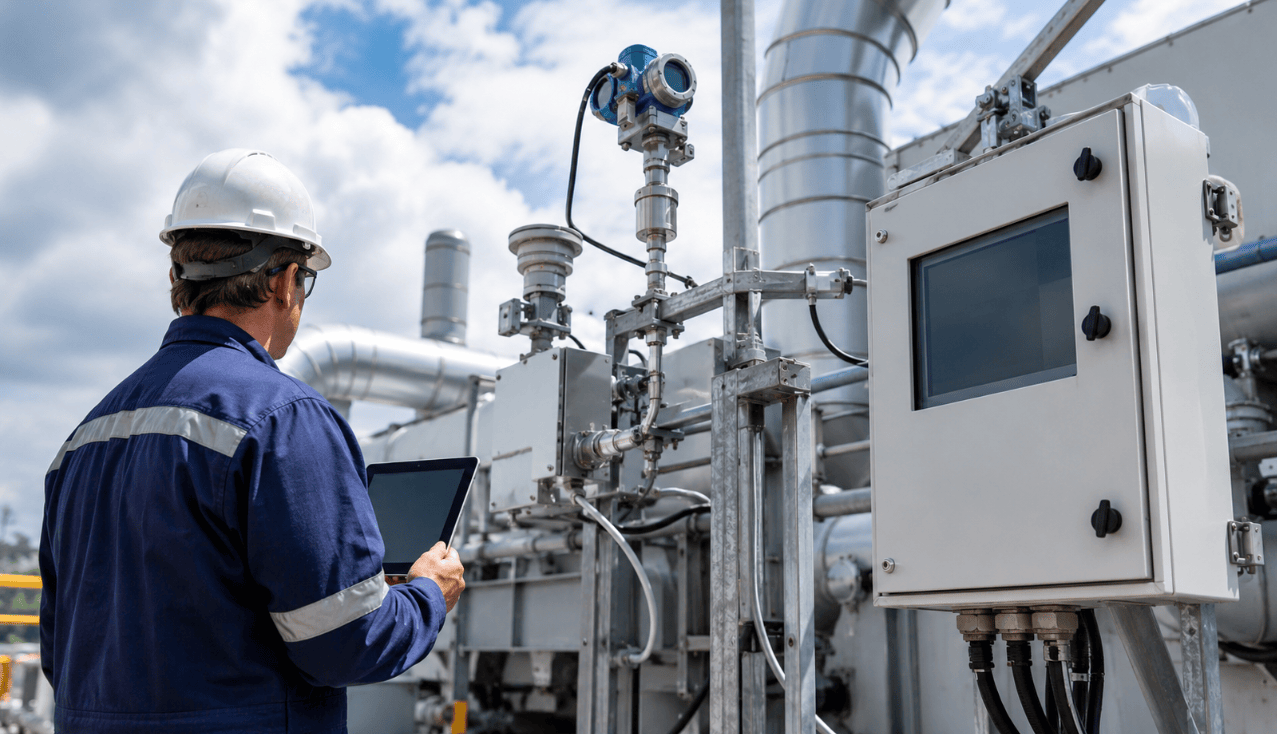
This is especially important in coating, printing, chemical, pharmaceutical and electronics manufacturing. Instant high-concentration emissions, intermittent exhaust and fugitive releases can all create compliance risks. A treatment system may appear normal during a scheduled inspection, but still perform poorly during abnormal or peak-load conditions.
Online monitoring and process data management are becoming essential. VOC monitors, flow meters, temperature and pressure sensors, combustion chamber temperature monitoring, activated carbon pressure-drop measurement, valve status feedback and treatment equipment operation data can help operators evaluate whether the system is working effectively.
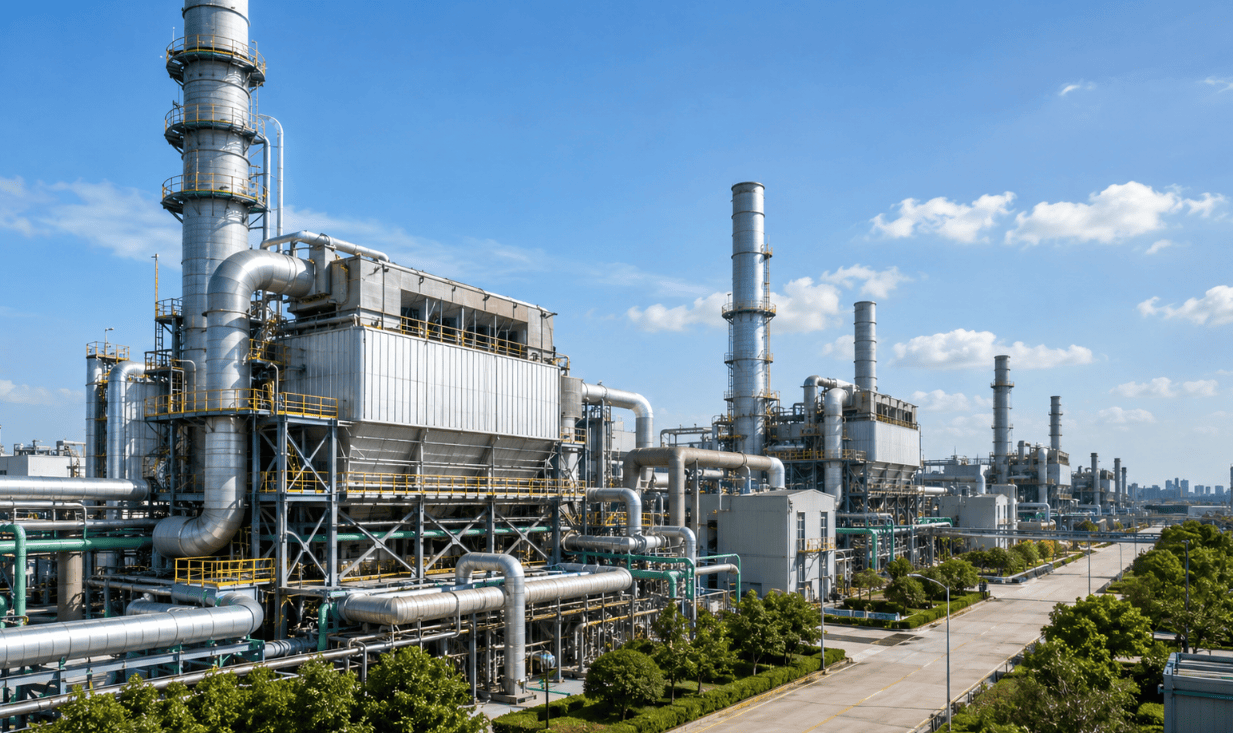
For regenerative thermal oxidizers, catalytic oxidizers, zeolite rotor concentrators and activated carbon adsorption systems, operating temperature, residence time, pressure drop, desorption cycle and fan status are key parameters. Monitoring these indicators can help identify problems earlier and reduce the risk of hidden non-compliance.
Record management is equally important. Companies need to track raw material use, low-VOC material substitution, gas collection coverage, treatment facility operating hours, consumable replacement, maintenance, shutdown events, abnormal emissions and third-party testing results. These records support regulatory inspections and also help companies identify energy waste, equipment aging and management gaps.
The future of VOC compliance will depend on the combination of equipment, data and management systems. A single treatment device cannot automatically guarantee long-term compliance. Sustainable emission management requires online monitoring, operation records, safety interlocks, staff training and digital compliance files. For environmental technology suppliers, monitoring systems, operation platforms and compliance services will become important ways to create long-term customer value.