Warehouse Automation Is Reshaping Parcel Sorting Efficiency
en.Wedoany.com Reported - The rapid growth of e-commerce, express delivery, cross-border logistics and on-demand distribution is raising the performance requirements for warehouse and parcel sorting systems. In this environment, Intelligent Sorting Machines are becoming important equipment for improving throughput, reducing operational uncertainty and supporting faster order fulfillment.
In logistics applications, intelligent sorting is not simply about separating goods. The system must route parcels or items according to barcode, weight, size, destination, order type, carrier route and delivery priority. Common equipment includes cross-belt sorters, sliding-shoe sorters, swivel-wheel sorters, narrow-belt sorters, roller diversion systems and robotic sorting cells. Each technology fits different parcel dimensions, weight ranges, processing speeds and facility layouts.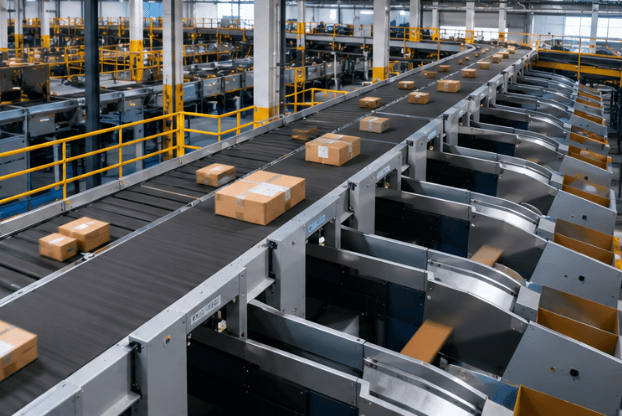
The first value of intelligent sorting is higher processing efficiency. Automatic identification and high-speed diversion reduce manual handling and decision time, allowing warehouses and distribution centers to respond more effectively to sales campaigns, seasonal peaks and daily order fluctuations. The second value is lower error rate. By integrating scanning, weighing, volume measurement and information systems, sorting equipment can reduce wrong dispatch, missing parcels and manual recording mistakes.
The third value is operational visibility. Sorting data can be connected with warehouse management systems and transport management systems. This helps operators identify bottlenecks, adjust labor shifts, optimize loading sequences and improve route planning. In a highly competitive logistics market, these data-driven improvements can be as important as mechanical speed.
However, intelligent sorting machines are not a universal answer for every warehouse. Equipment selection should consider parcel structure, daily order volume, peak volume, site area, floor load, conveyor layout, system interface and maintenance capability. If the order volume is too low or product forms are too irregular, a high-speed sorter may create a long payback period. Modular, compact and scalable systems may be more suitable for medium-sized warehouses and regional distribution centers.
In the future, logistics sorting will rely more on data and flexible scheduling. Intelligent sorting machines will work with WMS, TMS, automatic labeling, automatic weighing, machine vision, AGV/AMR systems and robotic picking. For logistics companies, the value of sorting equipment is not only speed. It is the ability to make order processing more stable, transparent and predictable.
Related Products


Industrial and Commercial Point-Type Gas Detector
Jinan Benan Technology Development Co., Ltd.
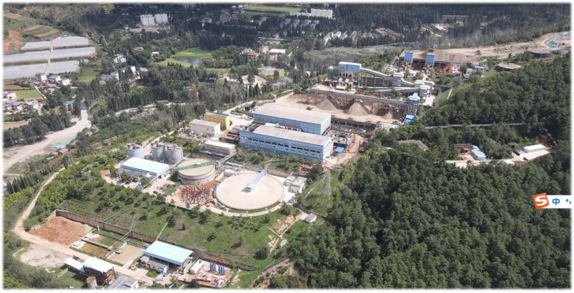
Yunnan Phosphorus Chemical Group Co., Ltd. 2 Million t/a Phosphorus Ore Mining and Beneficiation Project
China Bluestar Lehigh Engineering Corporation
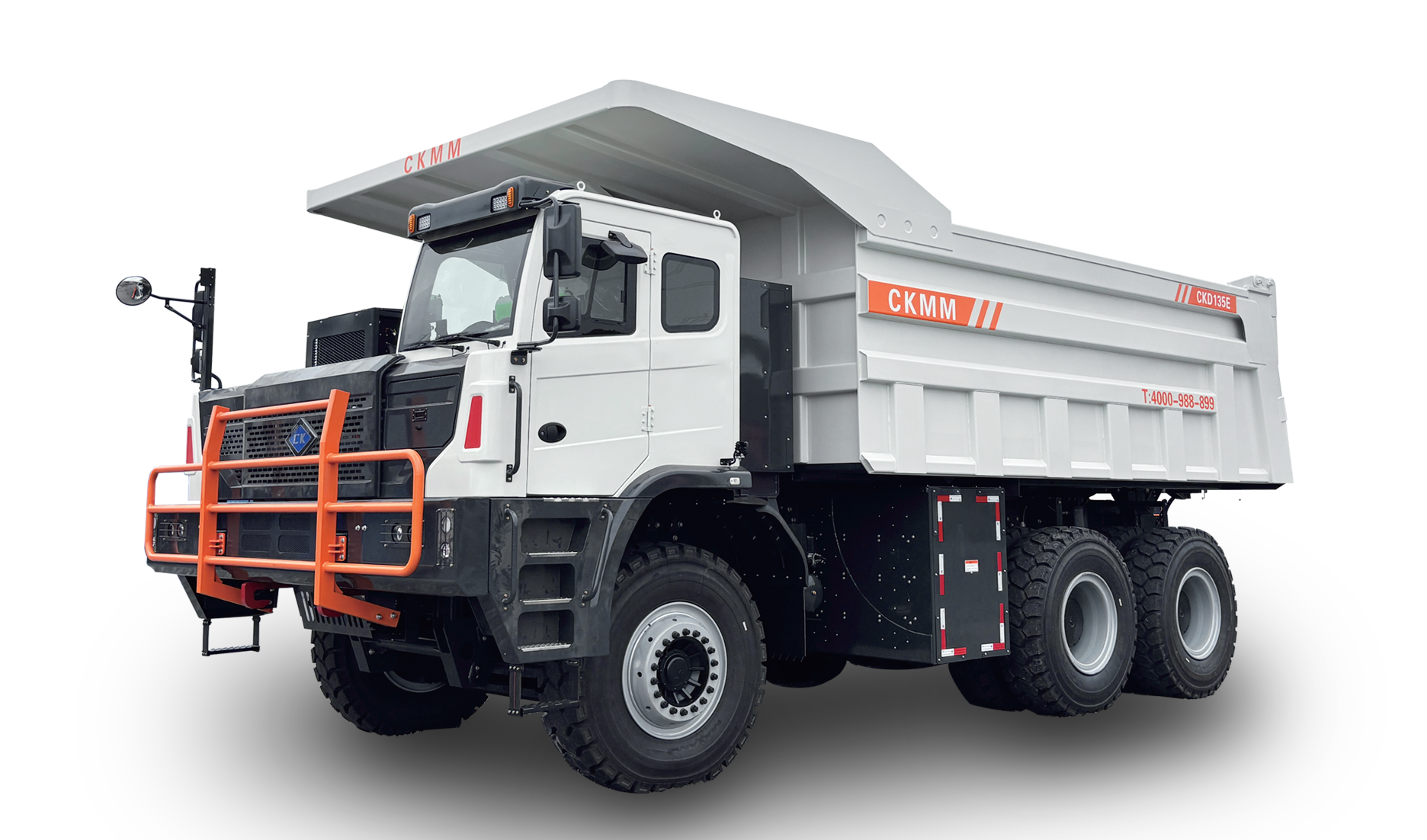
CKD135E Pure Electric Wide-body Dump Truck
Jiangsu Changkuang Engineering Machinery Co. Ltd.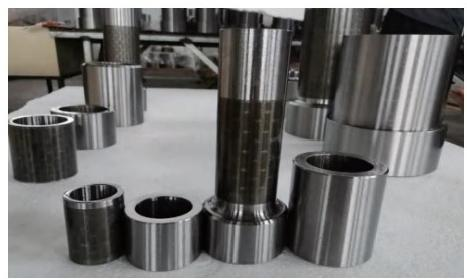
High-temperature Equal Wall Thickness High-power Screw Drilling Tool
Orient Energy & Technologies Co., Ltd.